Combining a sauna cold plunge return to training after a break Vancouver protocol helps manage inflammation and muscle soreness while significantly accelerating overall physical recovery. To maximize benefits, athletes should wait several hours after strength training before using cold immersion; meanwhile, heat therapy can be utilized more frequently to boost circulation and improve mobility.
Returning to your training regimen after a hiatus in Vancouver often feels like an uphill climb on the Grouse Grind. Whether you have been traveling for work or navigating a busy season, that first week back frequently results in debilitating muscle soreness and a significant drop in performance. This physical setback can derail your momentum before you have even regained your rhythm. At Nordic Edge, we believe recovery is a precise science rather than an afterthought. This guide outlines how to leverage sauna and cold plunge therapy to mitigate Delayed Onset Muscle Soreness and accelerate your return to peak form. You will learn about the critical physiological shifts that occur during a layoff, the essential six-hour rule for post-strength training cold exposure, and a practical protocol designed to integrate contrast therapy into your professional lifestyle.
The Vancouver Professional Comeback: Why the First Week Back is the Hardest
The transition back to a high performance routine in Vancouver often follows a predictable, albeit painful, pattern. After a demanding quarter at the office or a restorative vacation, the drive to regain lost ground frequently leads to overreaching. You might find yourself back on the North Shore trails or at a Kitsilano CrossFit box, attempting to match your previous personal bests within the first forty eight hours. This surge of enthusiasm almost always triggers significant Delayed Onset Muscle Soreness (DOMS). This crippling soreness is more than an inconvenience; it is a physiological signal that your body is struggling to manage the acute inflammation caused by sudden, high intensity loading after a period of relative stillness.
In the local fitness culture, there is a lingering temptation to grind through this discomfort. However, for the high end professional, this approach is counterproductive and increases the risk of injury. A smarter methodology prioritizes premium recovery experiences to manage the inflammation before it sidelines your progress. Integrating a strategic sauna cold plunge return to training after a break Vancouver protocol allows you to flush metabolic waste and modulate the nervous system. By utilizing mobile sauna rentals, you can transform the hardest week of your comeback into a controlled, efficient transition rather than a physical battle of attrition.
What Happens to Your Body During a Training Layoff
The human body is remarkably efficient at reallocating resources, meaning that physical attributes not actively used are quickly deprioritized. This physiological process, known as detraining, affects your systems at different rates. During a short break of five to seven days, your peak strength and aerobic capacity remain largely intact, yet your resistance to muscle damage drops significantly. This explains why a return to a high intensity session after just one week off often results in debilitating DOMS. Your central nervous system still knows how to recruit muscle fibers for heavy work, but the cellular conditioning required to buffer metabolic waste has already begun to erode.
Layoff Duration | Physiological Impact | Primary Recovery Focus |
|---|---|---|
5 to 7 Days | Minor neural loss, high DOMS risk | Hydration and Mobility |
2 to 3 Weeks | Decreased VO2 max, reduced power | Contrast Therapy and Volume Reduction |
1 Month+ | Loss of muscle mass, near untrained status | Gradual Re-conditioning |
Once a layoff extends beyond a month, the body transitions toward an untrained status. Neural adaptations, the efficiency with which your brain communicates with your muscles, are the first to diminish, followed by metabolic efficiency and eventually muscle tissue itself. Attempting to return at one hundred percent intensity during this phase is a recipe for connective tissue injury. The brain remembers the load, but the physical structure is no longer prepared to support it. Establishing a foundation through hydration and dedicated mobility work serves as your first line of defense. Understanding these shifts is vital when planning a sauna cold plunge return to training after a break Vancouver protocol to ensure your comeback is sustainable rather than short lived.
Contrast Therapy: The Science of Reducing Post-Break DOMS
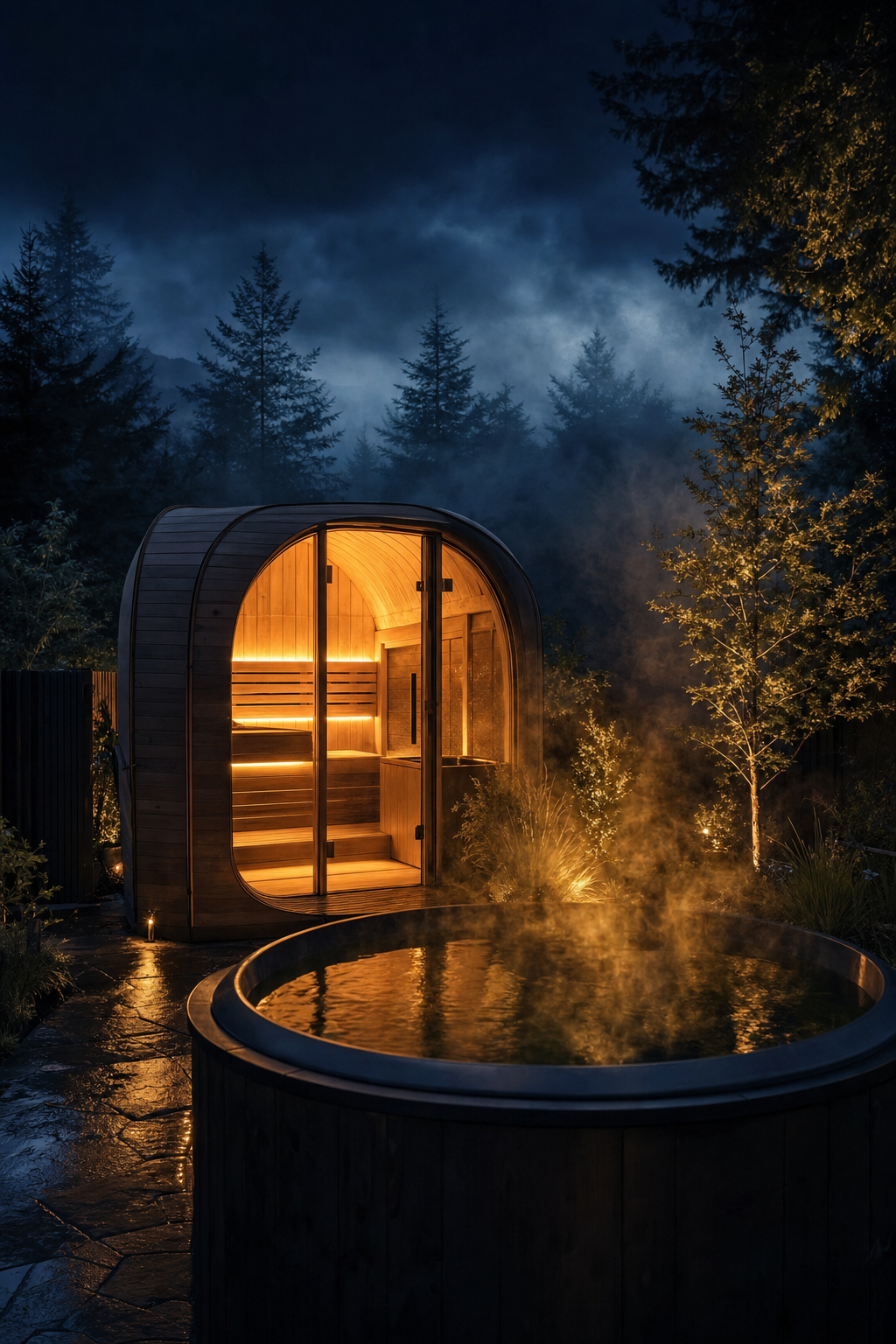
To bridge the gap between a deconditioned state and peak performance, you must manage the mechanical stress placed on your muscle fibers. Contrast therapy, the alternating application of heat and cold, serves as a vascular pump that accelerates the body's natural repair mechanisms. During the heat phase in a sauna, your blood vessels undergo significant vasodilation. This process increases peripheral blood flow, delivering oxygen rich blood and essential nutrients directly to the micro tears in muscle tissue caused by your initial training sessions. By utilizing mobile sauna rentals, you can ensure this critical blood flow is stimulated exactly when your body is most receptive to repair.
When you transition to the cold plunge, the body responds with rapid vasoconstriction. This narrowing of the blood vessels drives blood back toward the core, effectively flushing out metabolic byproducts and localized inflammatory markers. This cycle of expansion and contraction creates a systemic flushing effect that passive rest cannot replicate. For the Vancouver athlete managing the fallout of a heavy leg day or a first run along the Seawall, this process is essential to mitigate the acute inflammation that often leads to the debilitating "can't walk" sensation of early season DOMS.
Integrating a sauna cold plunge return to training after a break Vancouver strategy is particularly effective when both modalities are utilized on the same day. For general soreness stemming from light runs or foundational gym sessions, the immediate reduction in swelling provided by the cold, paired with the muscle relaxation of the heat, helps the nervous system reset. This prevents the protective guarding and stiffness that typically sideline professionals during their first week back. By prioritizing these premium recovery experiences, you can maintain your training frequency without the typical three day recovery window. If you are preparing for a demanding return to your routine, you can book your recovery session to ensure your biology supports your ambitions.
The 6 Hour Rule: Timing Your Cold Plunge After Strength Training
While contrast therapy is a powerful tool for managing general soreness, the timing of your cold exposure must be calibrated to your specific training stimulus. For the Vancouver professional focusing on reclaiming lost muscle mass after a layoff, the 6 Hour Rule is a critical physiological boundary. Research indicates that immersing yourself in a cold plunge immediately following a heavy resistance session can blunt the hypertrophic signaling process. Essentially, the cold suppresses the acute inflammatory response that your body uses as a signal to repair and build new muscle tissue. To maximize your results, wait four to six hours after lifting before engaging in your premium recovery experiences.
In contrast, endurance activities like a fast paced Grouse Grind or a long run along the Seawall demand a different protocol. These sessions prioritize cardiovascular efficiency and thermoregulation over muscle protein synthesis. In these instances, an immediate plunge is highly beneficial; it rapidly lowers core body temperature and shifts the nervous system from a sympathetic state back into a parasympathetic state. This nuanced approach to a sauna cold plunge return to training after a break Vancouver ensures you are not inadvertently sabotaging your strength gains while still leveraging cold therapy for systemic recovery. Aligning your recovery timing with your specific training goal is the hallmark of an elite athlete; you can book your recovery session to fit your precise training schedule.
A 3 Step Protocol for Returning to Training in Vancouver
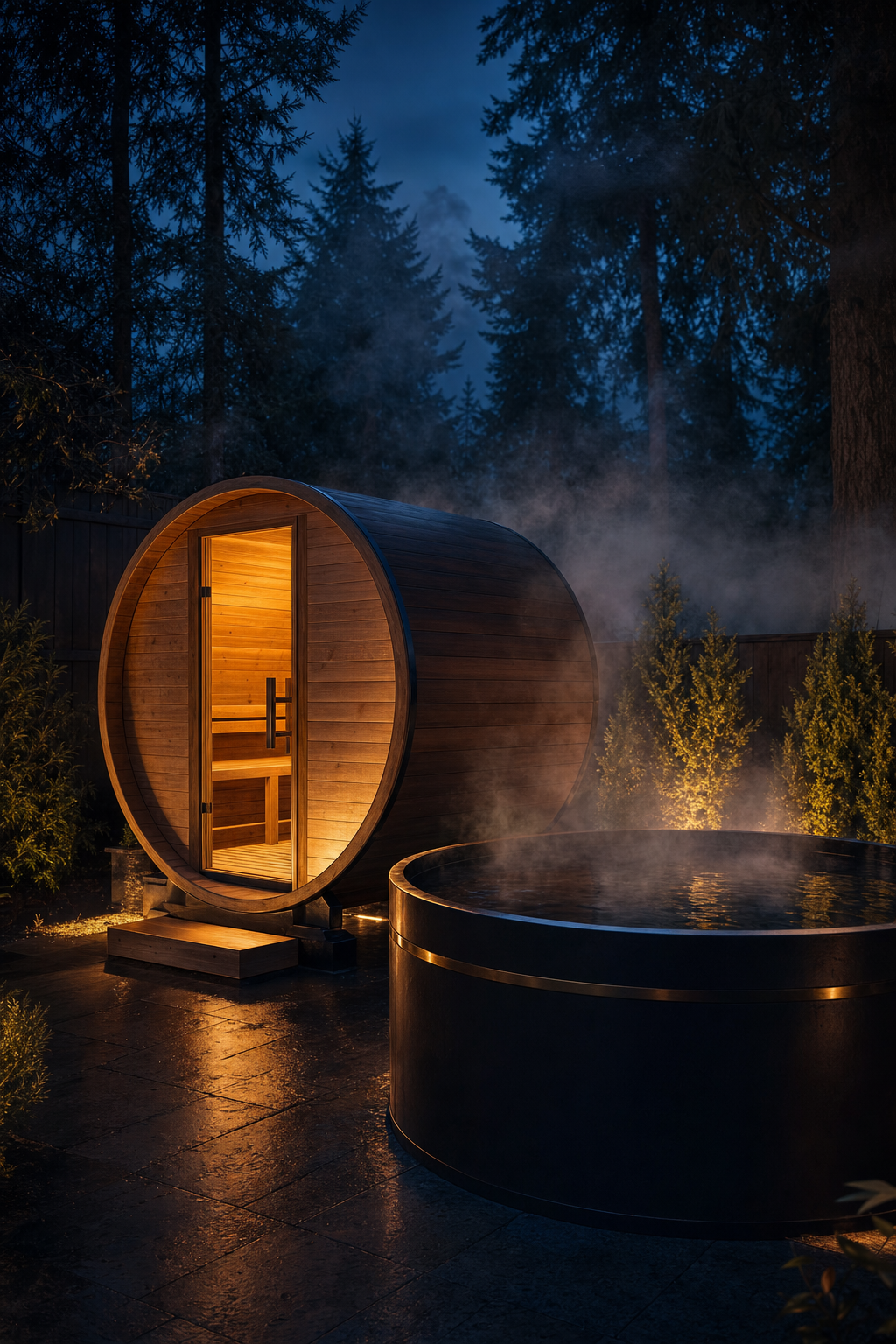
Effective return protocols require discipline over intensity. While the popular 3-3-3 rule—three days a week, three miles, for three weeks—is a standard entry point for beginners, high performance athletes in Vancouver need a more robust framework to protect their progress.
Step 1: Establish a 50% Baseline Reduce your total training volume by half for the first seven to ten days. If your routine previously involved five sets of heavy squats, drop to two or three sets at a reduced intensity. This backcycling of poundages allows your neural pathways to reawaken without overloading connective tissues that have become temporarily deconditioned. This step is critical for avoiding the injury cycles common in North Shore trail running or high intensity gym environments.
Step 2: Optimize Tissue Elasticity with Heat On your active training days, prioritize a sauna session. The deep heat increases joint viscosity and maintains the flexibility of muscle fibers that often tighten during a layoff. By utilizing mobile sauna rentals, you can facilitate this blood flow exactly when the body is most receptive, ensuring that metabolic waste is cleared before it hardens into localized stiffness.
Step 3: Tactical Cold for Systemic Reset Save your cold plunge for the evening of your most strenuous training days. The objective here is to lower the inflammatory baseline so you can wake up the next morning without the debilitating stiffness that typically prevents a second day of training.
On-Ramp Phase | Training Intensity | Recovery Protocol |
|---|---|---|
Week 1 | 50% Volume | Daily sauna for mobility |
Week 2 | 75% Volume | Evening plunge on heavy days |
Week 3 | 100% Volume | Contrast therapy as needed |
This structured approach ensures your sauna cold plunge return to training after a break Vancouver protocol serves as a long term catalyst for progress. For professionals managing tight schedules, choosing premium recovery experiences eliminates the friction of travel and ensures consistency. You can book your recovery session to align with your specific three week on-ramp timeline.
Why Mobile Sauna Services are the Secret Weapon for Busy Professionals
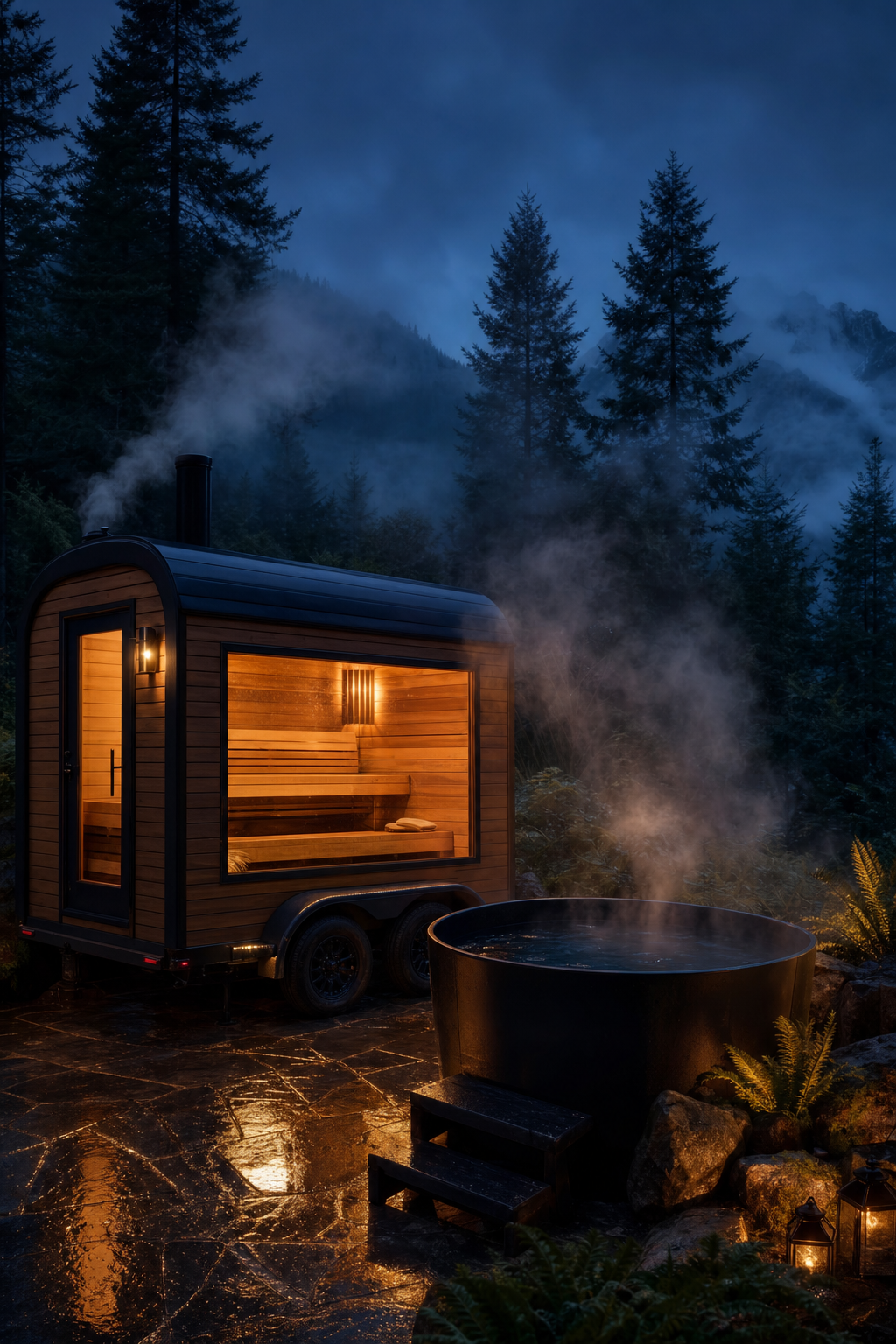
For a Vancouver executive or busy consultant, the primary hurdle to a successful sauna cold plunge return to training after a break Vancouver protocol is often logistical friction rather than physical effort. Communal gym saunas frequently lack the temperature precision, privacy, and hygiene standards required for genuine physiological recovery. Public facilities often involve distractions or travel times that disrupt the parasympathetic shift needed for the body to heal after an intense session.
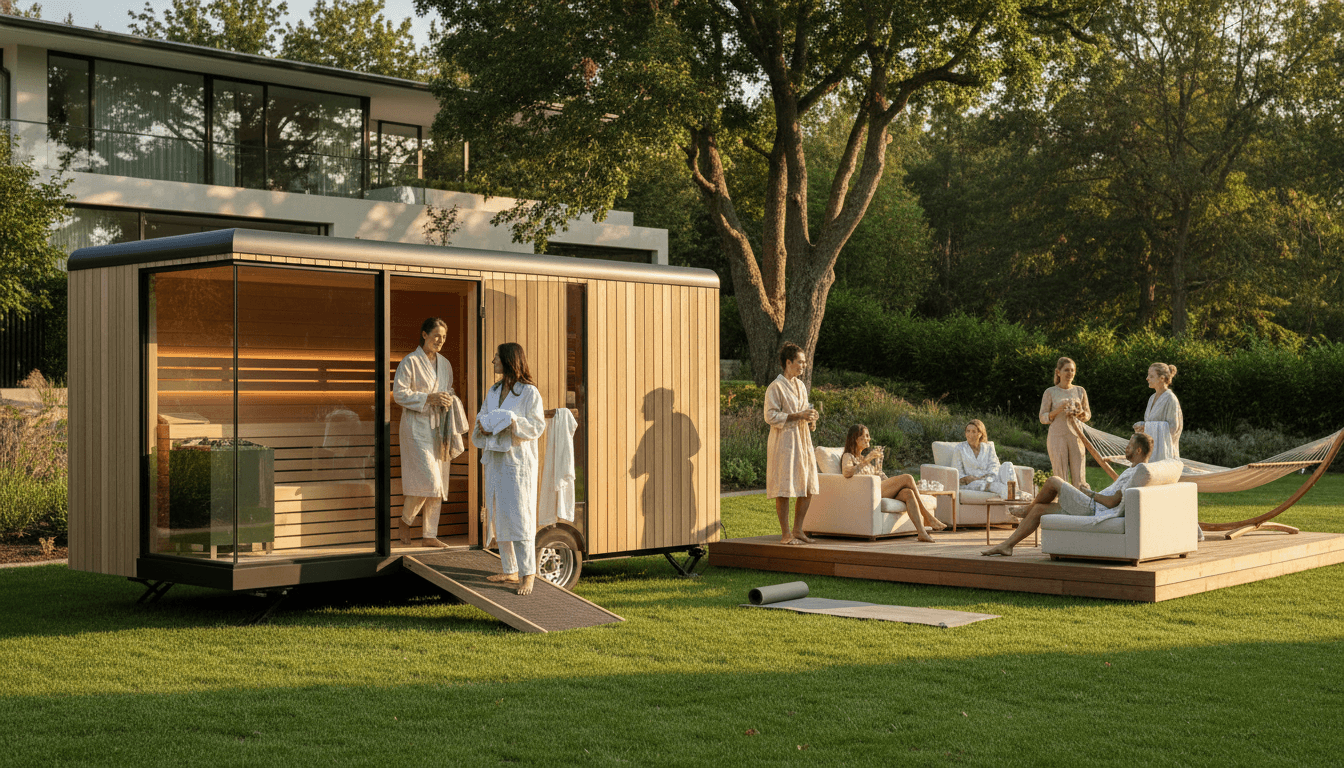
Mobile sauna rentals eliminate these barriers by delivering a high-performance recovery environment directly to a home or office. This service is particularly effective for residents in neighborhoods like Shaughnessy, West Vancouver, or Point Grey, where privacy and time efficiency are paramount. Removing the need to navigate city traffic to reach a spa ensures that recovery remains a non-negotiable part of the daily routine rather than an aspirational goal.
These premium recovery experiences provide a sterile, high-end environment where the transition from heat to cold can be executed without interruption. Consistency determines the success of your return to peak performance; having professional-grade equipment on-site removes every excuse for skipping a session during those first critical weeks. You can book your recovery session to secure a mobile setup that aligns with your specific training and professional schedule.
Frequently Asked Questions About Recovery and Layoffs
Navigating a sauna cold plunge return to training after a break Vancouver often raises specific technical questions regarding physiological timing and injury management. Addressing these queries with precision ensures your recovery protocol remains effective and safe.
Can you return to the sauna after a cold plunge? Yes. Alternating between the two is the foundation of contrast therapy. To maximize the vascular pump effect, finish your cycle with the cold plunge if your primary goal is reducing inflammation. Conversely, ending with the sauna is preferable for prioritizing nervous system relaxation and muscle elasticity. Most professionals find three rounds of 15 minutes in the heat followed by 3 minutes in the cold to be the optimal therapeutic window.
Does sauna usage accelerate injury recovery? High-heat exposure facilitates vasodilation, which significantly increases the volume of oxygenated blood reaching compromised tissues. This nutrient delivery is essential for repairing micro-tears and connective tissue strain incurred during an aggressive return to the gym. For localized injuries, these premium recovery experiences provide a non-invasive way to maintain circulation without putting mechanical stress on the joint.
How long does it take to recover from overtraining? For acute fatigue, a window of 7 to 10 days of reduced volume and dedicated recovery is typically sufficient for cellular repair. However, if you have pushed through significant DOMS without rest, your central nervous system may require longer to recalibrate. Utilizing mobile sauna rentals during this period ensures you remain consistent with your recovery even when you cannot train. If you are ready to stabilize your routine, you can book your recovery session to begin the process.
Restarting your fitness journey in Vancouver requires a balanced approach to recovery. By using contrast therapy, you can manage muscle soreness and improve your overall circulation as you get back into shape. While these tools are effective on their own, the right protocol makes all the difference. If you want expert help designing a recovery plan tailored to your specific goals, you can explore our range of services to find the best fit for your needs. We are here to support your progress every step of the way.