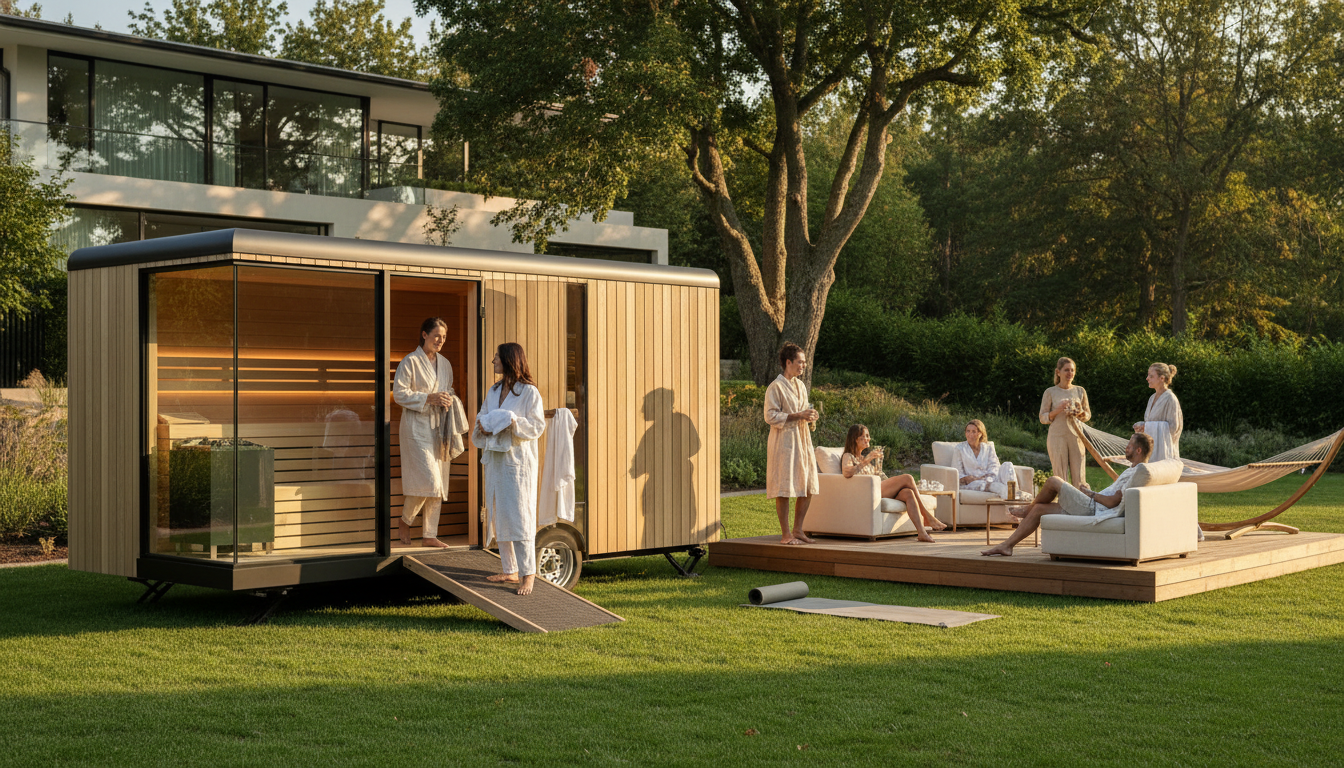
Utilizing a sauna cold plunge jet lag recovery Vancouver protocol helps travelers reset their internal clocks by stimulating a surge in norepinephrine to combat morning brain fog. This thermal contrast therapy effectively reduces flight-induced swelling and systemic inflammation, allowing your body to recover from travel fatigue much faster. By boosting circulation and clearing lymphatic stagnation, this practice provides a powerful physical and mental reset after crossing multiple time zones.
Stepping off a long-haul flight at YVR often leaves you in a state of cognitive fog and physical rigidity that coffee simply cannot fix. Your internal clock is shattered; your limbs feel heavy from cabin pressure; your nervous system is stuck in transit. At Nordic Edge, we believe that true recovery requires a deliberate biological intervention rather than passive rest. Contrast therapy offers a sophisticated solution to these travel-induced ailments by recalibrating your circadian rhythm and flushing out systemic inflammation. In this guide, we explore the precise science of using saunas and cold plunges to conquer jet lag in Vancouver. You will discover the optimal timing for morning versus evening sessions, the physiological benefits of thermal cycling, and how mobile recovery services can bring this high-performance protocol directly to your doorstep for the ultimate post-travel reset.
Why Long Haul Flights Through YVR Wreck Your Body
Landing at YVR after a twelve hour haul from Tokyo or a grueling flight from London involves more than just a disrupted sleep cycle. It is a total physiological collapse. While generic travel advice focuses on getting sunlight, high-end professionals and athletes in Vancouver understand that the physical toll is systemic. The most immediate issue is lower extremity edema, often referred to as economy class syndrome. Even in premium cabins, gravity combined with total inactivity causes blood and interstitial fluid to pool in your ankles and feet.
This physical stasis leads to profound lymphatic stagnation. Unlike the circulatory system, the lymphatic system has no pump; it relies entirely on muscle contraction to move waste. When you remain seated for ten hours or more, your body’s ability to flush cellular debris slows to a crawl. You do not just feel tired; you feel physically toxic and heavy. The lumbar spine and hip flexors become locked in a shortened state, creating a foundation for chronic stiffness once you touch down in British Columbia.
Furthermore, the pressurized cabin environment, which mimics an altitude of approximately 8,000 feet, combined with humidity levels often lower than the Sahara Desert, triggers a cascade of systemic inflammation. Your cell membranes lose integrity due to dehydration, and the pressure changes force your body to work harder just to maintain oxygen saturation. By the time you clear customs at YVR, your joints are inflamed and your cognitive function is clouded by brain fog. Effective sauna cold plunge jet lag recovery Vancouver requires a protocol that addresses this biological damage at the cellular level, rather than just waiting for the clock to reset.
The Science of Contrast Therapy for Jet Lag and Circadian Resets
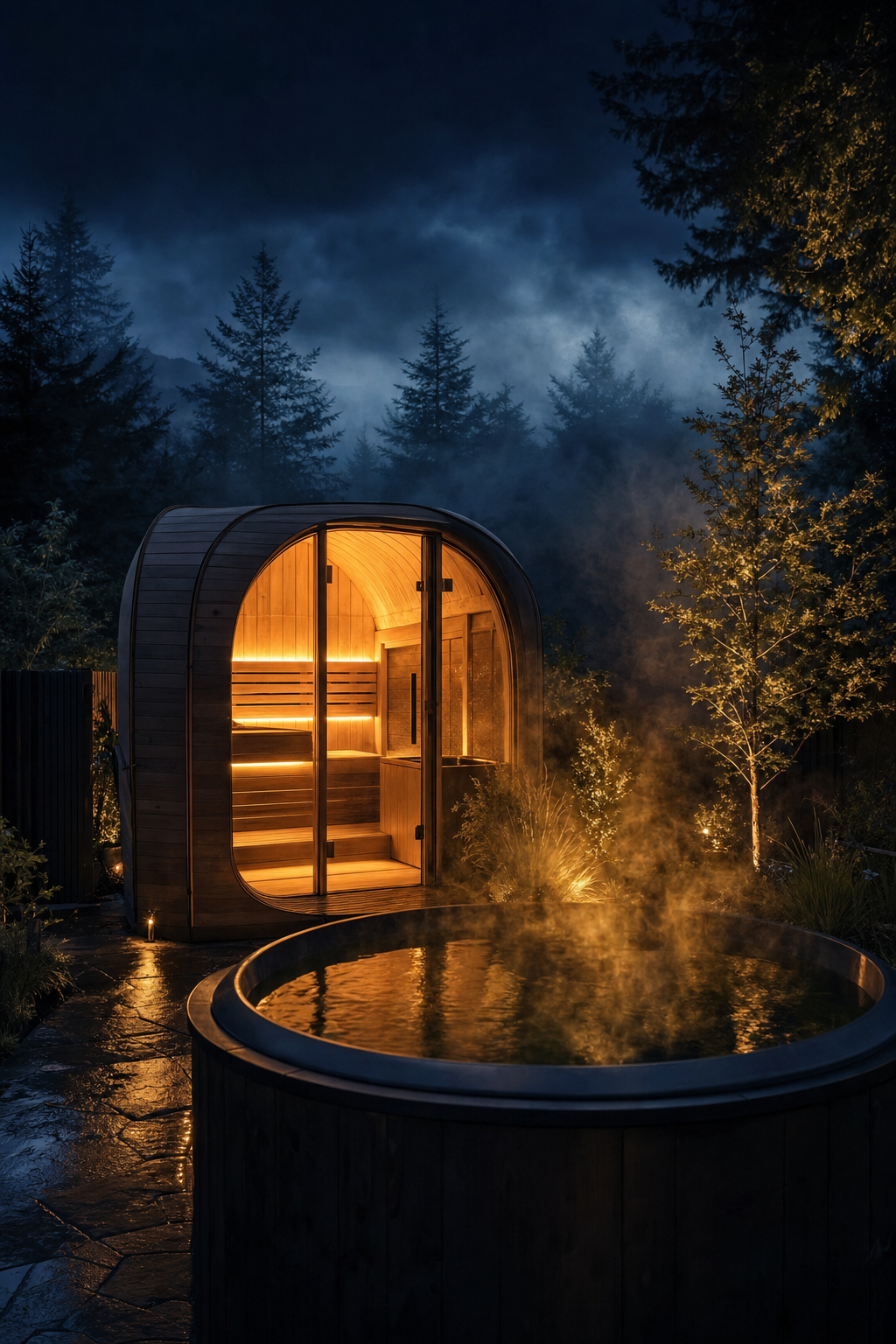
To reverse this state of stagnation, the body requires a mechanical and chemical reset. Contrast therapy, the practice of alternating extreme heat and cold, serves as a powerful tool for sauna cold plunge jet lag recovery Vancouver. The process begins in a sauna heated to approximately 180 degrees Fahrenheit. At this temperature, the body enters a state of significant vasodilation. Blood vessels expand, heart rate increases, and surface blood flow rises as the body attempts to dissipate heat. This is the first half of the vascular pumping effect.
When you transition immediately into a cold plunge maintained at 4 degrees Celsius, the physiological response is instant and profound. The body enters a state of intense vasoconstriction; the blood vessels in the extremities snap shut to protect core temperature. This rapid oscillation between expansion and contraction acts as a manual pump for the circulatory and lymphatic systems. It forces pooled interstitial fluid and metabolic waste, such as lactic acid accumulated from hours of inactivity, back into central circulation for filtration and removal. This process is far more effective than passive rest for reducing the physical heaviness associated with long haul travel.
Beyond the physical fluid shift, the cold plunge addresses the neurological brain fog that plagues trans-pacific and trans-atlantic travelers. Submerging in 4 degree water triggers a massive release of norepinephrine, a neurotransmitter and hormone that regulates focus, vigilance, and mood. Research indicates that cold immersion can increase norepinephrine levels by 200 to 300 percent. Unlike the jittery, temporary spike provided by caffeine, this neurochemical surge provides a sustained period of mental clarity and emotional regulation. This is critical for professionals who must land at YVR and immediately perform in high stakes environments. Utilizing professional contrast therapy services ensures that these temperature thresholds are met precisely, providing the physiological kickstart necessary to override the lethargy of travel.
Morning vs Evening Protocols: When to Plunge for Maximum Results
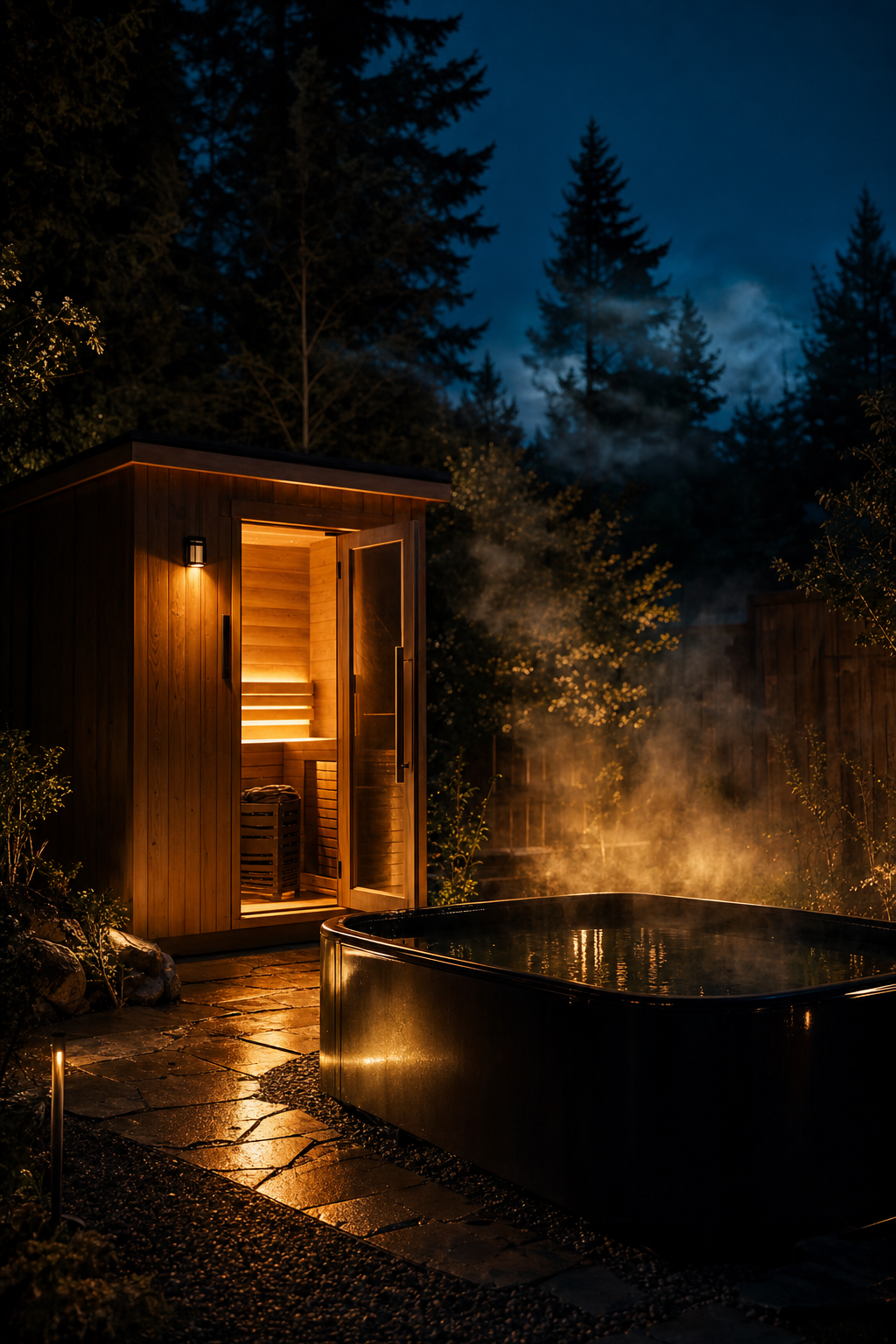
While the physiological mechanics of contrast therapy remain constant, the sequence and duration of the thermal exposure must align with your destination’s clock. Timing your sauna cold plunge jet lag recovery Vancouver protocol determines whether you spend your first 24 hours back in British Columbia fighting to stay awake or staring at the ceiling at 3:00 AM.
For morning arrivals at YVR, the goal is to override the body’s desire for sleep by simulating a physiological morning. A long sauna session of 15 to 20 minutes should be followed immediately by a brisk, intense cold plunge of two to three minutes. This specific order, ending in the cold, triggers a sharp spike in cortisol and norepinephrine. This hormonal surge mimics the natural morning wake up response, providing the alertness needed to power through a day of meetings or a return to the gym without relying on excessive caffeine. The cold finish keeps the core temperature elevated for a short period, effectively telling the brain that the day has begun.
Conversely, evening arrivals require a protocol designed for downregulation. If you land in the late afternoon or evening, the priority is deep, restorative sleep. In this scenario, start with a brief three minute cold plunge to shock the system and flush inflammation, but finish with a long, relaxing sauna session. Ending with heat causes peripheral vasodilation. As you step out of the sauna, your core body temperature begins a rapid decline as heat escapes through the skin. This internal cooling is a primary biological signal to the brain that it is time for melatonin production, facilitating a smoother transition into a natural sleep cycle.
Protocol | Arrival Window | Sequence | Primary Benefit |
|---|---|---|---|
Alertness Reset | 6:00 AM – 12:00 PM | Long Sauna → Brisk Cold Plunge | Cortisol spike; eliminates brain fog |
Circadian Anchor | 5:00 PM – 10:00 PM | Short Cold Plunge → Long Sauna | Core temp drop; melatonin induction |
Utilizing professional mobile sauna rentals allows you to execute these protocols immediately upon arrival, ensuring the window for circadian adjustment is not lost to travel fatigue. You can book your recovery session to coincide with your landing, transforming your driveway into a dedicated high performance recovery zone.
Reducing Post-Travel Inflammation and Muscle Stiffness
Sitting in a pressurized cabin for extended periods forces the body into a state of structural imbalance. For Vancouver’s high end professionals and weekend warriors, the primary physical cost of travel is not just fatigue, but acute musculoskeletal stiffness. The psoas and hip flexors remain in a shortened, contracted state for hours, while the lumbar spine loses its natural curvature. This static posture leads to a buildup of tension that simple stretching cannot resolve.
Traditional sauna heat or infrared therapy acts as a deep tissue catalyst. The intense thermal exposure increases the pliability of the fascia and allows the deep musculature of the lower back and hips to release. By elevating the core temperature, the body’s connective tissues become more elastic, addressing the root of that post-flight locked feeling. This preparation is essential before introducing the mechanical stress of a Vancouver fitness routine, such as a run along the Seawall or a hike in the North Shore mountains.
Following this heat with a cold plunge provides a targeted strike against systemic inflammation. While the sauna relaxes the muscle, the 4 degree Celsius water constricts the vasculature to flush metabolic waste from the joints. This process reduces the micro-swelling in the knees and ankles that often lingers after landing at YVR. Utilizing contrast therapy services ensures you bypass the typical two day period of physical lethargy. When you book your recovery session, you are prioritizing a sauna cold plunge jet lag recovery Vancouver protocol that allows you to transition from a long haul flight to a high stakes boardroom meeting with full physical mobility and zero inflammatory drag.
Mobile Recovery: Why Bringing the Sauna to Your Vancouver Home Wins
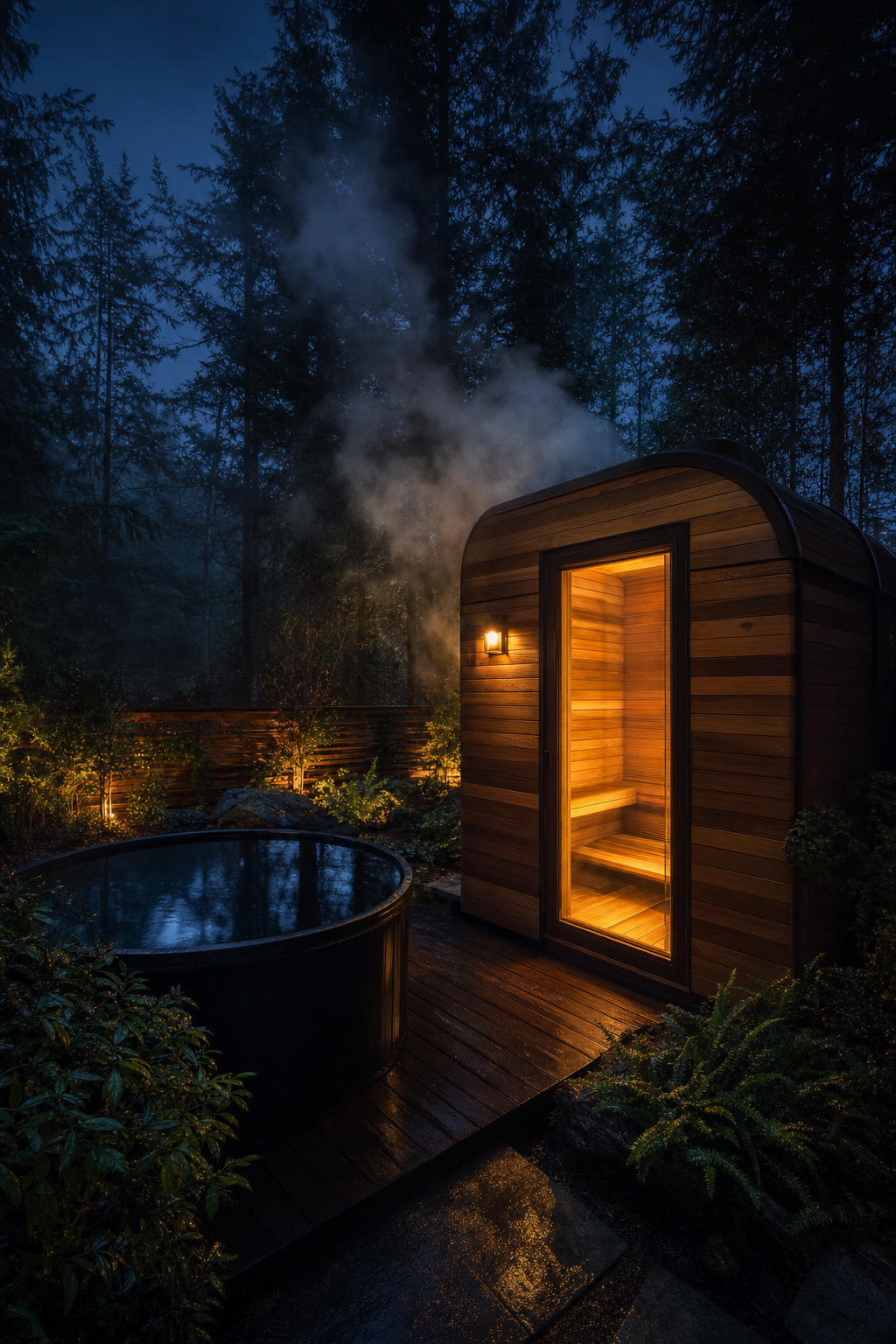
The primary obstacle to effective recovery after a trans-oceanic flight is the friction of the last mile. Navigating Vancouver traffic to reach a public spa while severely sleep-deprived is not only inefficient; it is counterproductive to the downregulation needed for circadian health. For those residing in neighborhoods like Kitsilano, West Vancouver, or Burnaby, the logistics of a commute often negate the benefits of the treatment itself.
Nordic Edge eliminates this friction by delivering high-performance recovery infrastructure directly to your residence. Utilizing mobile sauna rentals ensures that your sauna cold plunge jet lag recovery Vancouver protocol happens on your terms, in complete privacy. There is a distinct physiological advantage to finishing a session and stepping directly into your own home rather than a shared locker room.
This seamless transition allows you to move immediately from the final heat exposure of our contrast therapy services into your own bed, capitalizing on the rapid core temperature drop that triggers melatonin production. When you book your recovery session, you remove the barriers between landing at YVR and entering deep, restorative sleep. This level of logistical convenience is essential for high-end professionals who cannot afford a multi-day recovery window due to travel fatigue.
Common Questions About Jet Lag and Thermal Therapy
Implementing a high performance protocol often leads to technical questions regarding biology and timing. Most travelers rely on the standard heuristic that it takes one day per time zone to recover. For a twelve hour shift from a flight landing at YVR, this suggests nearly two weeks of sub-optimal performance. However, utilizing a sauna cold plunge jet lag recovery Vancouver protocol can significantly compress this timeline. By manually forcing the body to reset its internal temperature and hormonal levels, you can often reach peak cognitive function within 48 to 72 hours.
The hardest day of jet lag is typically day two. On day one, the lingering adrenaline from travel and the novelty of being back in Vancouver often mask the biological debt. By day two, these stress hormones dissipate, and the full weight of the circadian misalignment hits. This is the critical window to book your recovery session to preempt the inevitable midday crash.
Regarding safety, thermal therapy is highly effective but requires caution when your body is severely depleted. Fatigue can increase your sensitivity to temperature shifts and impact blood pressure regulation. To ensure a safe session, focus on these three safety pillars:
Hydration First: Consume at least one liter of electrolyte rich water prior to entering the sauna to replace fluids lost in the pressurized cabin.
Duration Control: Keep your first post flight session moderate. Limit the sauna to 15 minutes and the cold plunge to two minutes to avoid overtaxing an already stressed nervous system.
Supervised Contrast: Choosing professional contrast therapy services ensures that the environment is managed by experts who understand thermal limits.
By utilizing mobile sauna rentals, you can maintain these safety protocols in the comfort of your own driveway, ensuring that you can transition immediately to rest once the session is complete.
Resetting your circadian rhythm through contrast therapy is one of the most effective ways to overcome jet lag and restore your vitality. By combining the deep warmth of a sauna with the sharp clarity of a cold plunge, you can accelerate your body's natural recovery process. If you want expert help designing a wellness routine that fits your travel lifestyle, our team is ready to assist. You can learn more about our mission and our commitment to helping you feel your absolute best.