Building a lasting sauna cold plunge consistency habit in Vancouver requires starting with manageable sessions of 10 to 15 minutes of heat followed by 60 to 90 seconds of cold exposure. To avoid quitting, practitioners should focus on the long-term benefits of dopamine release and muscle recovery while keeping the routine fresh with varied breathing techniques or immersion times.
Establishing a consistent sauna and cold plunge routine in Vancouver often starts with high ambition but quickly dissolves into logistical frustration. While the initial shock of the cold is invigorating, the friction of maintaining equipment or traveling to a facility often causes most enthusiasts to plateau within the first month. This drop-off is unfortunate because the true rewards of contrast therapy, from neurological resilience to metabolic efficiency, require sustained commitment rather than sporadic effort. To help you bridge the gap between interest and integration, this guide examines the physiological science of habit formation and the common pitfalls that derail newcomers. You will learn how to structure a professional-grade routine, why mobile delivery eliminates the burden of maintenance fatigue, and how to safely navigate the transition between extremes. Mastery of the cold is not about intensity; it is about the quiet discipline of showing up.
The Challenge of Contrast Therapy Consistency
Vancouver’s high-performance community is no stranger to the allure of contrast therapy. The rapid physiological shift from the dry heat of a sauna to the bracing chill of a cold plunge provides a unique mental clarity and physical reset that aligns with a demanding lifestyle. However, there is a distinct gap between the initial enthusiasm of a first session and the development of a long-term sauna cold plunge consistency habit in Vancouver.
While many professionals and weekend warriors start with a commitment to better recovery, the "quit rate" remains surprisingly high. This drop-off is often driven by "cold friction," a term describing both the anticipatory stress of the low temperatures and the logistical hurdles that make the practice difficult to maintain. On a dark, rainy Tuesday morning, the mental barrier of stepping into four-degree water can feel insurmountable if the process is not seamless.
This article serves as a psychological and practical roadmap for those who value premium recovery experiences but struggle with the maintenance fatigue of DIY setups or the commute to commercial facilities. By identifying the specific friction points that derail your routine, you can move past the 30-day hurdle and integrate contrast therapy into your foundational wellness protocol.
Why Most People Quit Contrast Therapy within 30 Days
The first month of any new wellness protocol is the most precarious. For most high-performance individuals, the drop-off happens not because they lack willpower, but because they fail to account for three specific obstacles that make the practice unsustainable in a high-pressure environment.
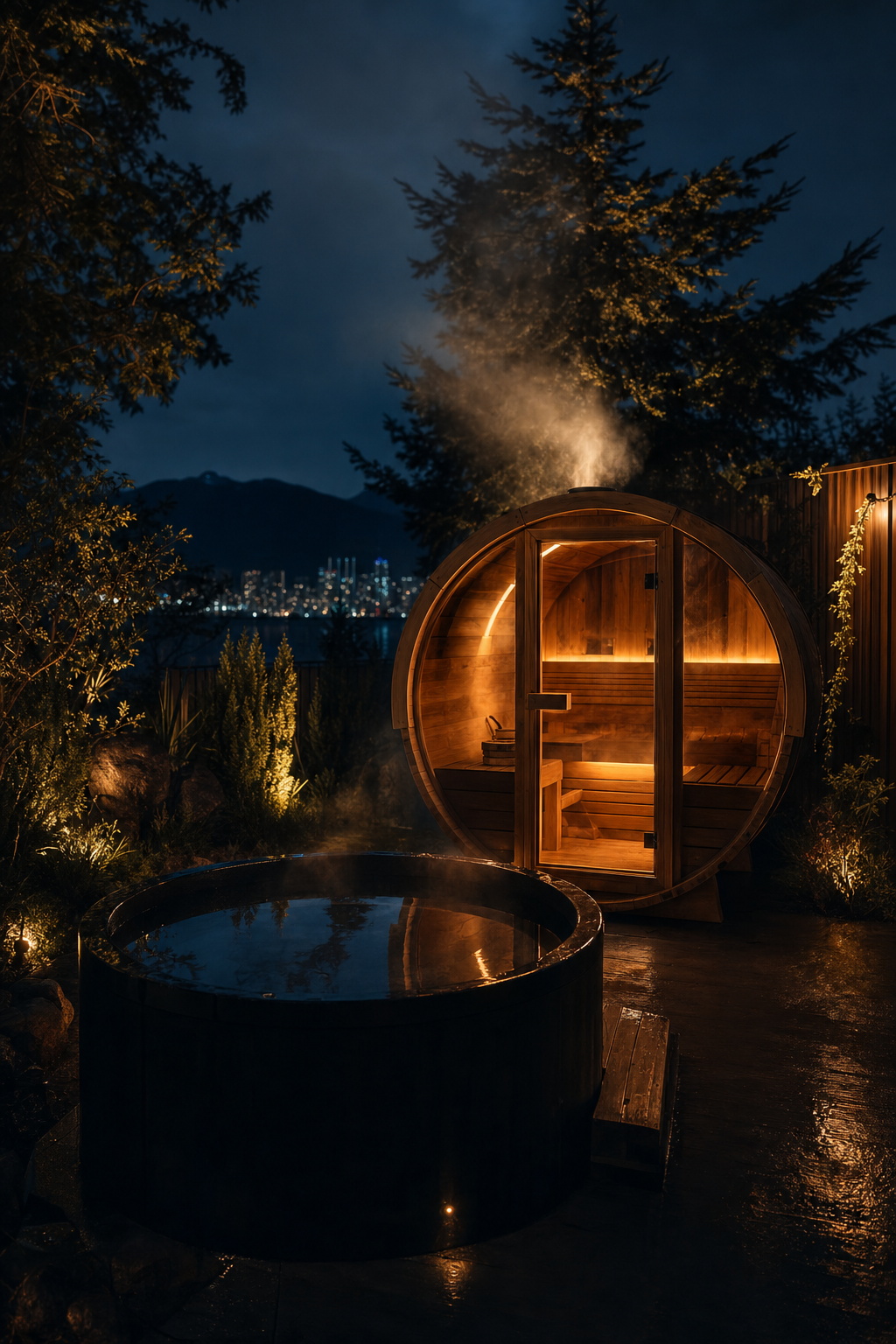
First, the Biological Barrier represents the primal resistance we feel before stepping into the cold. While social media influencers portray contrast therapy as an aesthetic ritual performed in golden hour sunlight, the reality for a local professional often involves a gray, rainy Tuesday morning in North Vancouver. At 6:00 AM, your brain’s limbic system perceives 4-degree water as a threat to survival rather than a recovery tool. This anticipatory stress creates a mental hurdle that grows taller each day if the environment is not optimized for ease.
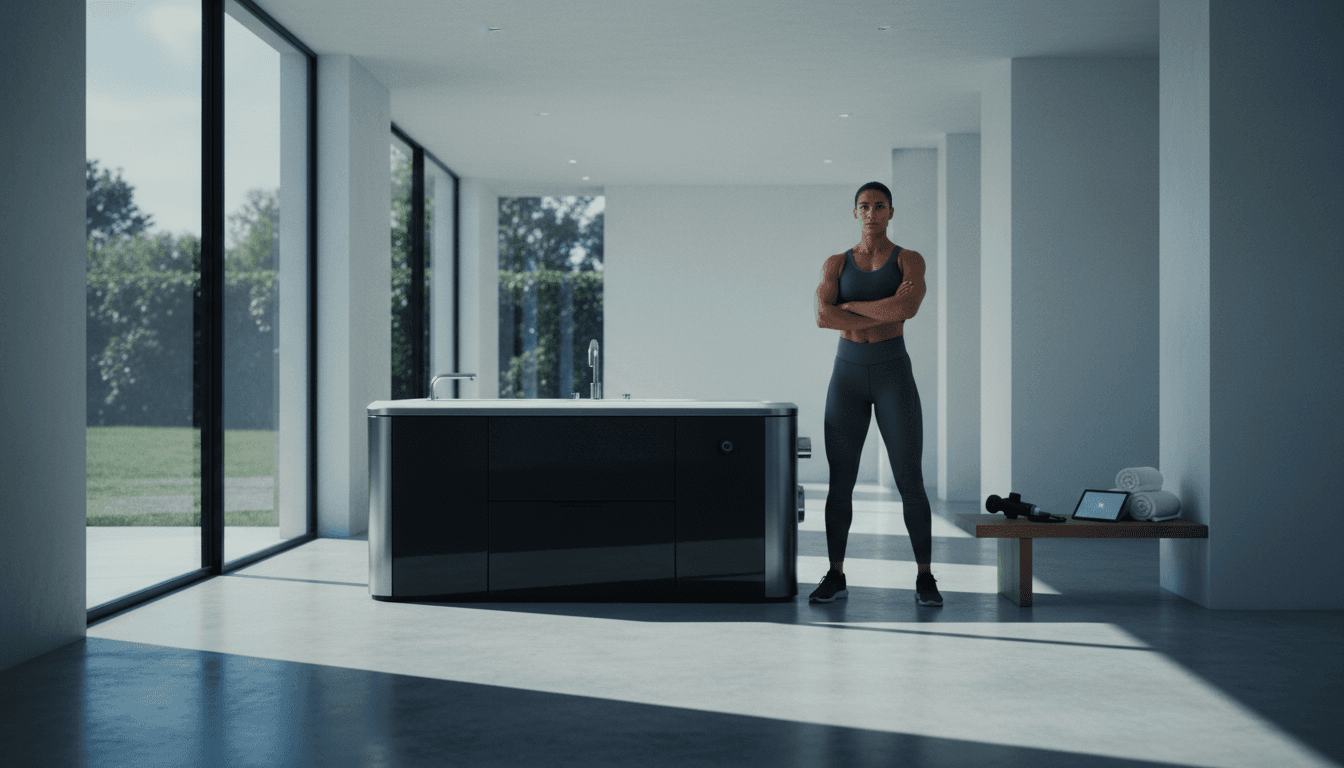
Second, Maintenance Friction is the silent killer of consistency. Professionals who invest in personal home tubs often find that the labor of skimming debris, balancing water chemistry, and managing electrical upkeep quickly outweighs the recovery benefits. Conversely, relying on commercial gyms introduces the friction of a commute, crowded change rooms, and subpar sanitation. When the logistics of mobile sauna rentals are absent, the work of setting up the session often exceeds the duration of the session itself. This logistical tax is why many attempts to build a sauna cold plunge consistency habit in Vancouver fail within the first few weeks.
Finally, the Results Gap leads to early abandonment. Contrast therapy operates on the principle of hormetic stress, where benefits accumulate over time through repeated exposure. Many beginners expect an instant transformation in their metabolic rate or a total eradication of stress in one session. When the immediate payoff feels less significant than the discomfort of the cold, they revert to easier habits. Recognizing that premium recovery experiences are compound investments is vital. Without a system to mitigate these three factors, the initial excitement inevitably fades into an unused piece of equipment or a forgotten membership.
The Science of Habit Formation for Sauna and Cold Plunge
Bridging the gap between recognizing the benefits of recovery and actually executing the protocol requires a structural shift in how you view each session. To build a sustainable sauna cold plunge consistency habit in Vancouver, you must move beyond reliance on fleeting motivation and instead utilize the "Cue, Routine, Reward" framework. This neurological loop is the engine of habit formation, transforming a high-friction activity into an automated part of your weekly calendar.
The cue is the anchor that triggers your behavior. For a high-performance professional, this trigger should be tied to an existing, non-negotiable event. It might be the completion of the Saturday morning Grouse Grind or the moment you close your laptop after the final Wednesday boardroom meeting. By tethering the session to a pre-existing milestone, you eliminate the decision fatigue that often leads to skipping a recovery day.
For the routine itself, follow the baseline established by Dr. Andrew Huberman: aim for 11 total minutes of deliberate cold exposure per week, typically spread across two to four sessions. This cumulative approach makes the goal approachable. Rather than bracing for a single, agonizingly long plunge, you are simply checking off small blocks of time within a premium recovery experience.
The final component, the reward, is biologically hardwired into the practice. Cold exposure triggers a significant and sustained release of dopamine, rising up to 250% above baseline levels. Unlike the spike and subsequent crash associated with caffeine or sugar, this neurochemical reward provides a lasting elevation in mood and focus. Recognizing this mental clarity as the direct result of your effort reinforces the habit loop, making the next cue easier to follow.
Overcoming Maintenance Fatigue: Why Mobile Service Beats Ownership
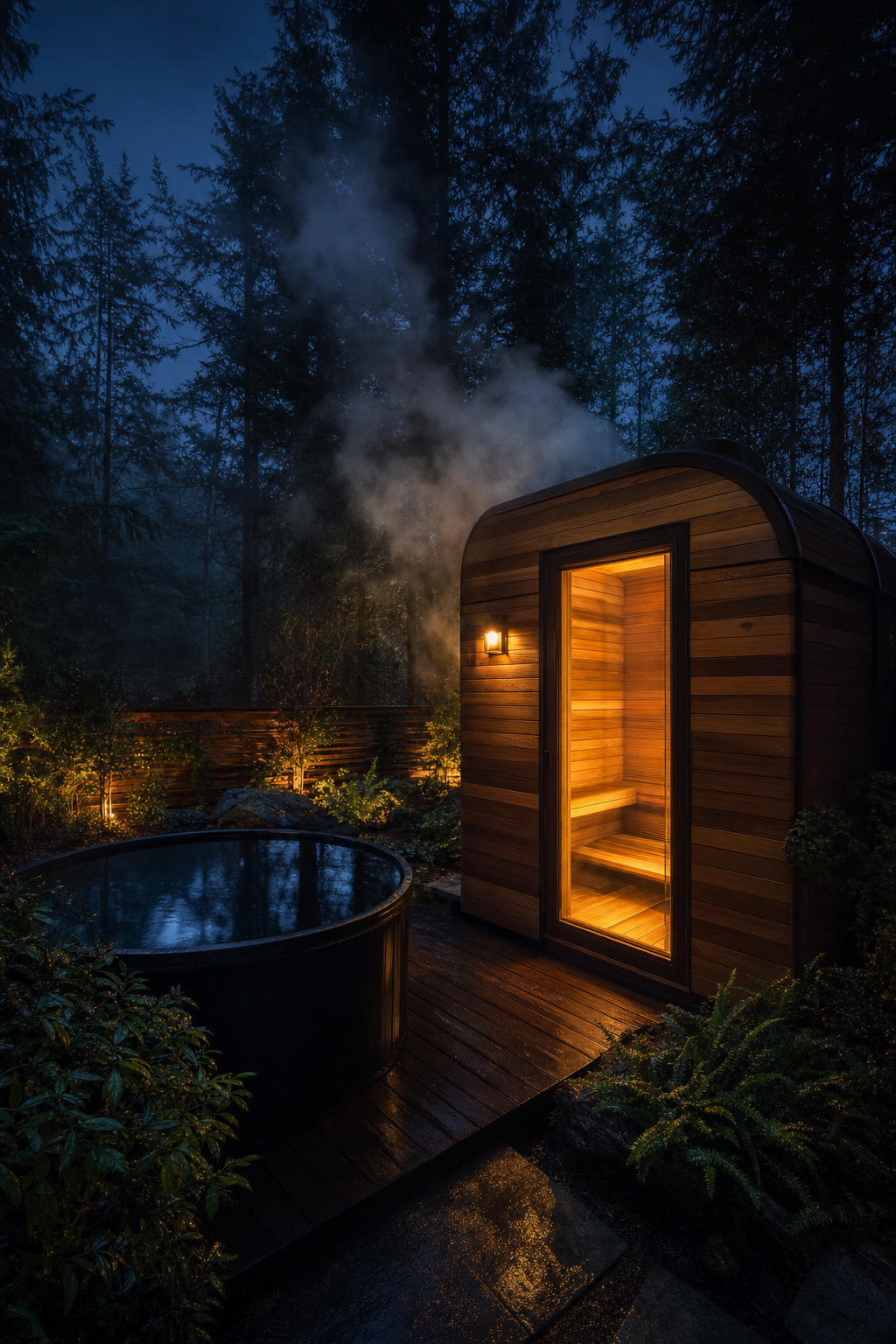
Building a sauna cold plunge consistency habit in Vancouver is often derailed by the hidden labor of equipment ownership. While the idea of a private cold tub in a West Point Grey backyard is appealing, the reality involves a relentless cycle of water chemistry management, filter changes, and sanitation. Research indicates that maintenance friction is a primary reason individuals abandon their protocols. When the time spent skimming debris or balancing pH levels exceeds the time spent in the water, the practice becomes a chore rather than a relief.
For high-end professionals and weekend warriors, time is the most valuable currency. A dedicated executive in North Vancouver cannot afford to spend forty minutes prepping a session that lasts only fifteen. Owning a tub requires managing electrical upkeep and ensuring the unit stays at the optimal temperature during a summer heatwave or a winter freeze. These logistical hurdles create a psychological tax that eventually leads to the equipment sitting idle.
Ownership Burden | Mobile Service Luxury |
|---|---|
Managing pH and chlorine levels | Professionally sanitized water |
Electrical upkeep and hardware repairs | All-inclusive technical management |
Time-consuming cleaning and skimming | Zero-cleanup experience |
Fixed location in one spot | Flexible delivery to your home |
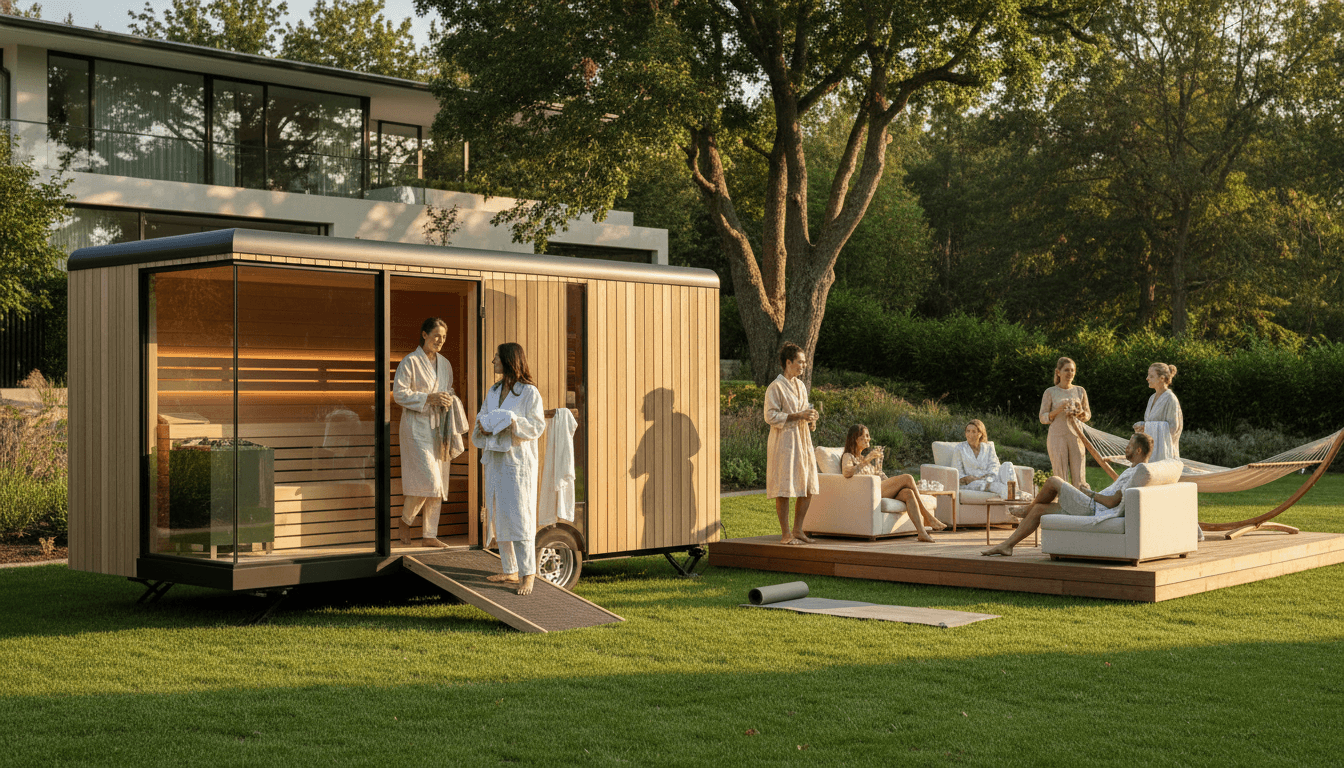
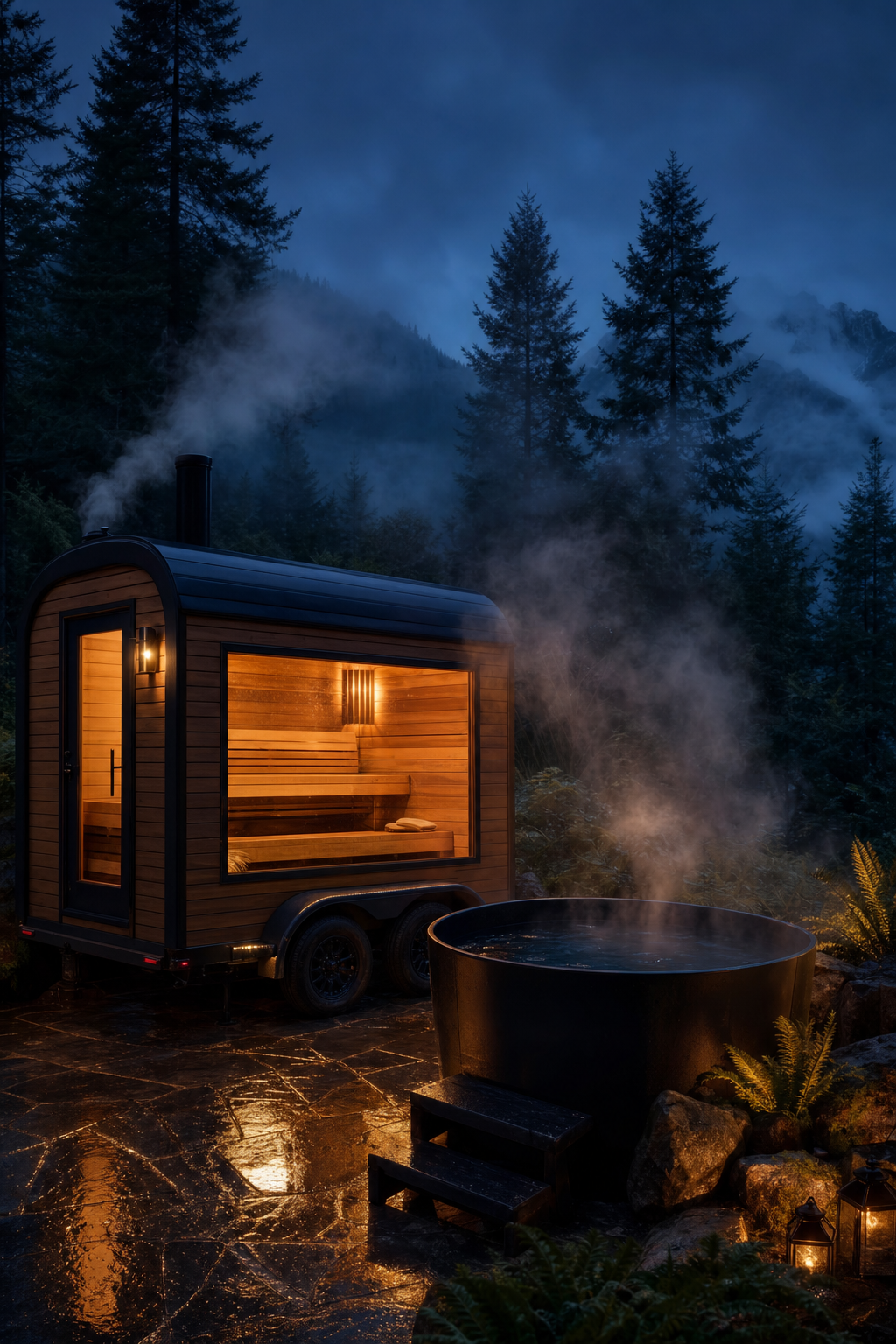
Nordic Edge solves this by eliminating setup friction entirely. Our mobile sauna rentals provide a turnkey solution where the logistical burden shifts from the client to the expert. We handle the sanitation, temperature regulation, and technical maintenance; we deliver premium recovery experiences directly to your driveway. By removing the labor intensive aspects of contrast therapy, we allow you to focus solely on the physiological benefits. If you are ready to prioritize your recovery without the maintenance headache, contact our team to schedule a seamless session tailored to your lifestyle.
How to Build Your Perfect Sauna and Cold Plunge Routine
Developing a sustainable sauna cold plunge consistency habit in Vancouver requires moving away from the "more is better" mentality. The primary goal is to reach the minimum effective dose to trigger physiological benefits without overtaxing your nervous system. For those beginning their journey with premium recovery experiences, a structured, repeatable protocol is essential for long-term adherence.
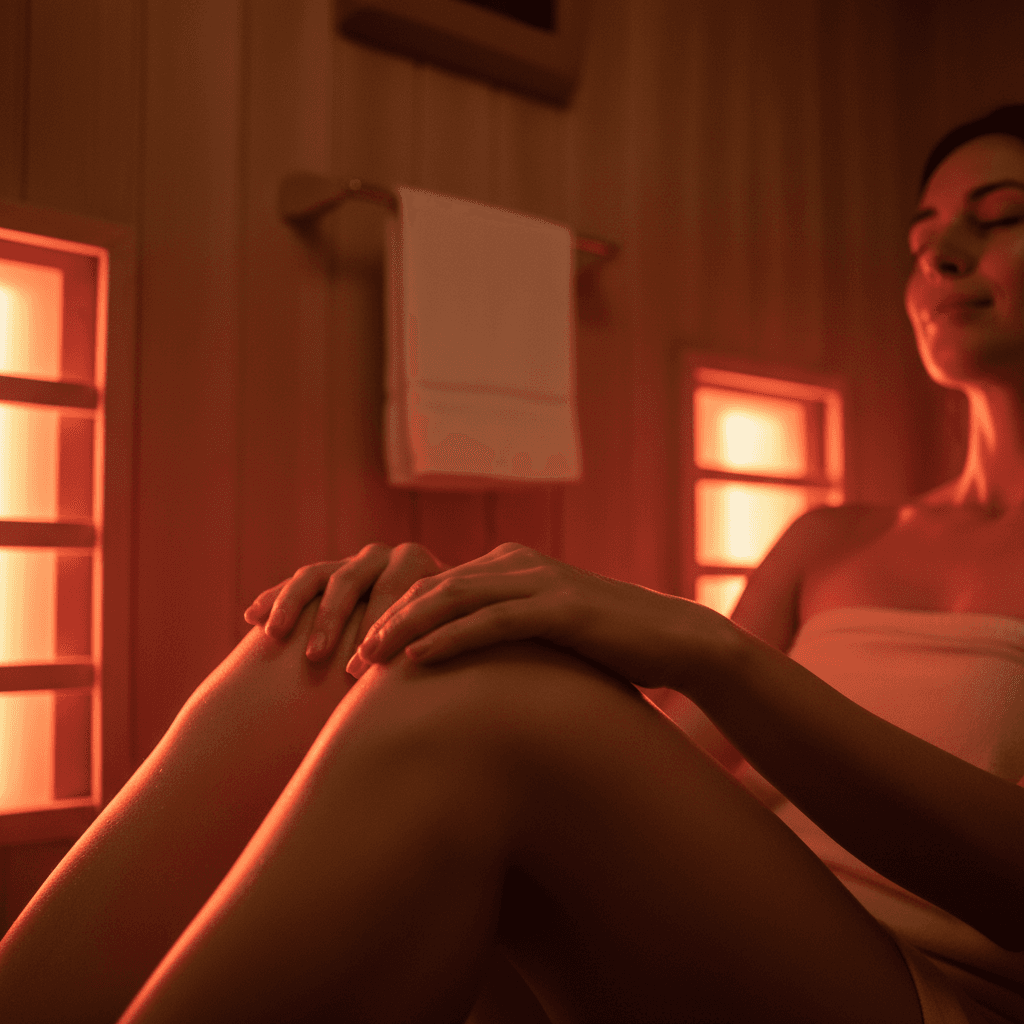
A high-yield starting point for beginners is the 15/2 method. Spend fifteen minutes in the sauna to achieve deep vasodilation and heat shock protein release, followed immediately by a two-minute cold plunge. Repeating this cycle two to three times per session provides the optimal balance of cardiovascular challenge and metabolic recovery. While seasoned practitioners may push for longer durations, consistency is vastly more important than intensity. If a busy schedule only allows for a single round, it is better to complete that round than to skip the session entirely. Perfection often acts as the primary barrier to progress.
Schedule Type | Frequency | Recommended Timing | Primary Objective |
|---|---|---|---|
Corporate Professional | 2 sessions per week | Tuesday evening / Friday morning | Stress mitigation and deep sleep |
Weekend Warrior | 2 sessions per week | Wednesday / Sunday afternoon | Inflammation reduction after exertion |
For the North Vancouver mountain biker or the Kitsilano runner, hydration is a critical variable often overlooked. The temperate but humid Pacific Northwest climate can mask significant sweat loss during the sauna phase. Supplementing with high-quality electrolytes before and after your session ensures that your cellular function remains peak during the rapid temperature shifts.
If you are organizing a session for a private group or a corporate wellness day, contact our team to tailor the duration and temperature settings to the experience level of your guests. Utilizing mobile sauna rentals allows you to implement these schedules at your doorstep, removing the commute and making it significantly easier to stick to your chosen weekly cadence.
Safety First: Is it Healthy to Go Back and Forth?
Transitioning between extreme temperatures is a powerful physiological tool, yet it requires an understanding of how your cardiovascular system responds. In the heat, your body undergoes vasodilation, where blood vessels expand to dissipate heat and lower blood pressure. When you move to the plunge, you trigger immediate vasoconstriction, shunting blood back to your internal organs. This process acts as a vascular workout, strengthening the circulatory system. However, safety is paramount to maintaining a long term sauna cold plunge consistency habit in Vancouver.
You must distinguish between hormetic stress, which is the controlled discomfort of the cold, and signs of genuine distress. Hormetic stress feels like a sharp skin sensation or an increased heart rate that stabilizes after sixty seconds. Conversely, signals like dizziness, blurred vision, or numbness indicate your body is struggling to adapt.
Signal Type | Physiological Response | Action Required |
|---|---|---|
Hormetic Stress | Controlled shivering, skin tingling | Breathe and remain calm |
Adverse Reaction | Lightheadedness, sharp chest pain | Exit immediately and sit down |
To ensure you are approaching these premium recovery experiences safely, contact our team to discuss how to pace your initial sessions. Proper hydration and gradual exposure are your best defenses against the risk of cold shock. Always listen to your biological feedback rather than strictly following a timer.
Building a consistent sauna and cold plunge habit in Vancouver requires more than just willpower; it necessitates a dedicated environment and a supportive routine. By focusing on small wins and local accessibility, you can overcome the initial hurdles that cause many to quit. If you want expert help integrating these powerful practices into your lifestyle, we are ready to guide you. Feel free to learn more about our mission and our team to see how we can help you stay on track.