
Alternating between heat and cold exposure strengthens the cardiovascular system by improving vascular elasticity and lowering resting blood pressure. This practice supports sauna cold plunge heart health blood pressure Vancouver goals by reducing arterial stiffness and enhancing circulation through controlled thermal stress. Consistent use conditions the heart and helps manage hypertension effectively for long term cardiovascular wellness.
Vancouver professionals often carry the invisible burden of high-stakes careers, a reality that frequently manifests as elevated blood pressure and chronic cardiovascular strain. While traditional exercise is vital, it often fails to address the deep physiological tension caused by a demanding city lifestyle. This is why contrast therapy has become a cornerstone of modern longevity. By alternating between the intense heat of a sauna and the deliberate chill of a cold plunge, you initiate a powerful cardiovascular pumping effect that strengthens arterial walls and improves vascular flexibility. In this guide, we break down the minute by minute physiological response of your heart to extreme temperatures. You will learn the long term impacts of thermal cycles on blood pressure, essential safety protocols for high performers, and how to structure a heart healthy routine at Nordic Edge.
The Cardiovascular Pumping Effect: Why Contrast Therapy Matters for Heart Health
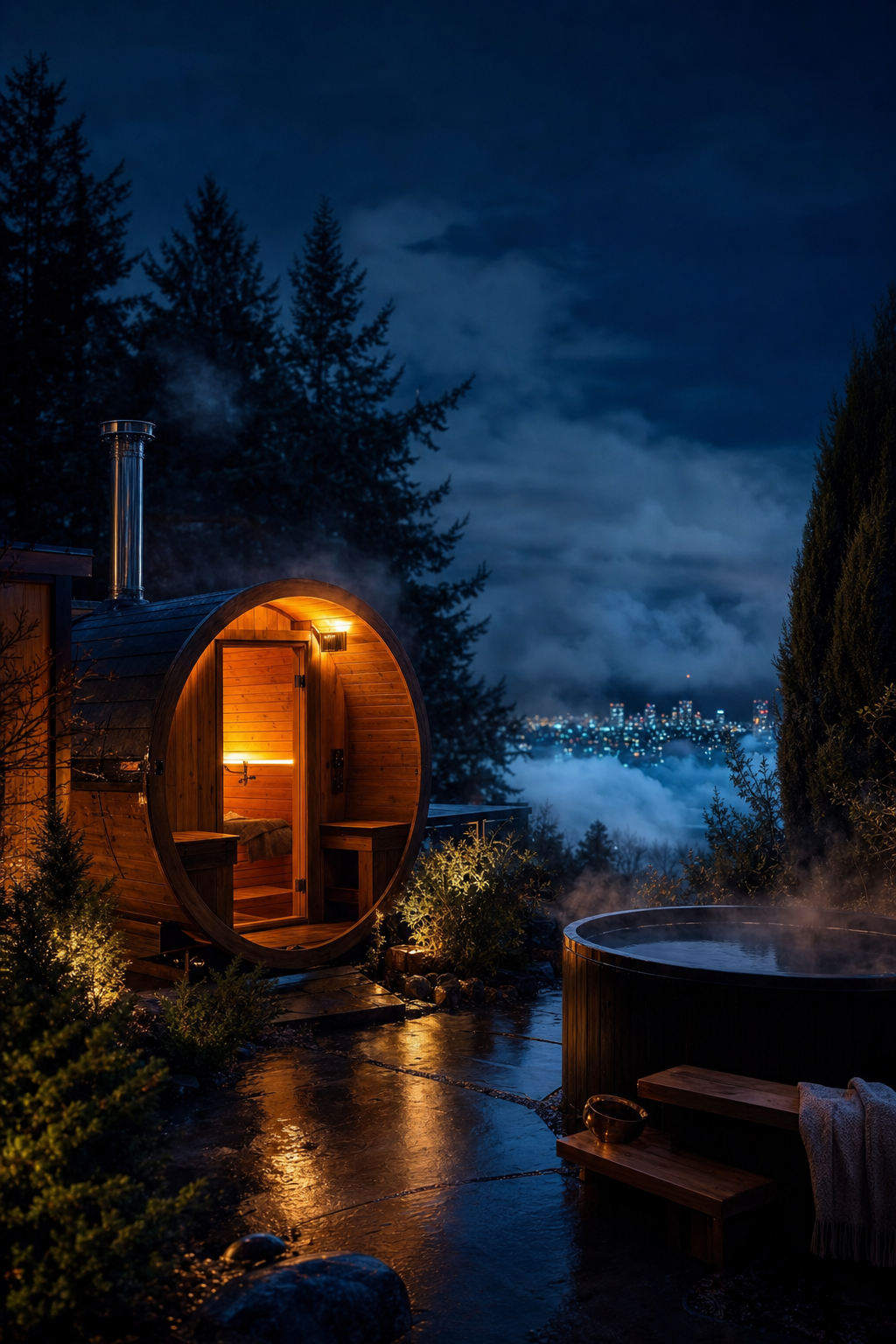
At the core of contrast therapy lies a mechanical process of expansion and contraction that serves as a powerful stimulus for the circulatory system. When you enter a high heat environment, your body initiates vasodilation. Blood vessels near the skin expand significantly to facilitate cooling, which reduces total vascular resistance and forces the heart to pump more blood per minute. This mimics the cardiovascular load of moderate aerobic exercise. Transitioning immediately to a cold plunge triggers the opposite effect: vasoconstriction. The sudden drop in temperature causes the smooth muscles within your vessel walls to tighten, shunting blood toward the core to protect vital organs.
This rhythmic alternation acts as vascular calisthenics for the heart and blood vessels. For a high stress Vancouver professional spending ten hours a day at a desk, the sedentary nature of office work often leads to reduced arterial elasticity. While the immediate stress of a session causes transient spikes in heart rate, the long term benefits include improved endothelial function and reduced arterial stiffness. By consistently challenging the vessels to expand and contract, you are essentially training your circulatory system to be more resilient.
These premium recovery experiences offer a passive way to combat the physiological toll of a high pressure career. Research suggests that regular users of Finnish saunas have lower rates of heart disease, likely due to this cumulative improvement in how the heart handles pressure. When considering mobile sauna rentals, it is important to view the experience as a targeted workout for your veins. Optimizing a sauna cold plunge heart health blood pressure Vancouver regimen helps bridge the gap between weekend mountain intensity and weekday office stagnation before you book your session.
The Honest Heat vs Cold Timeline: What Happens to Your Blood Pressure Minute by Minute
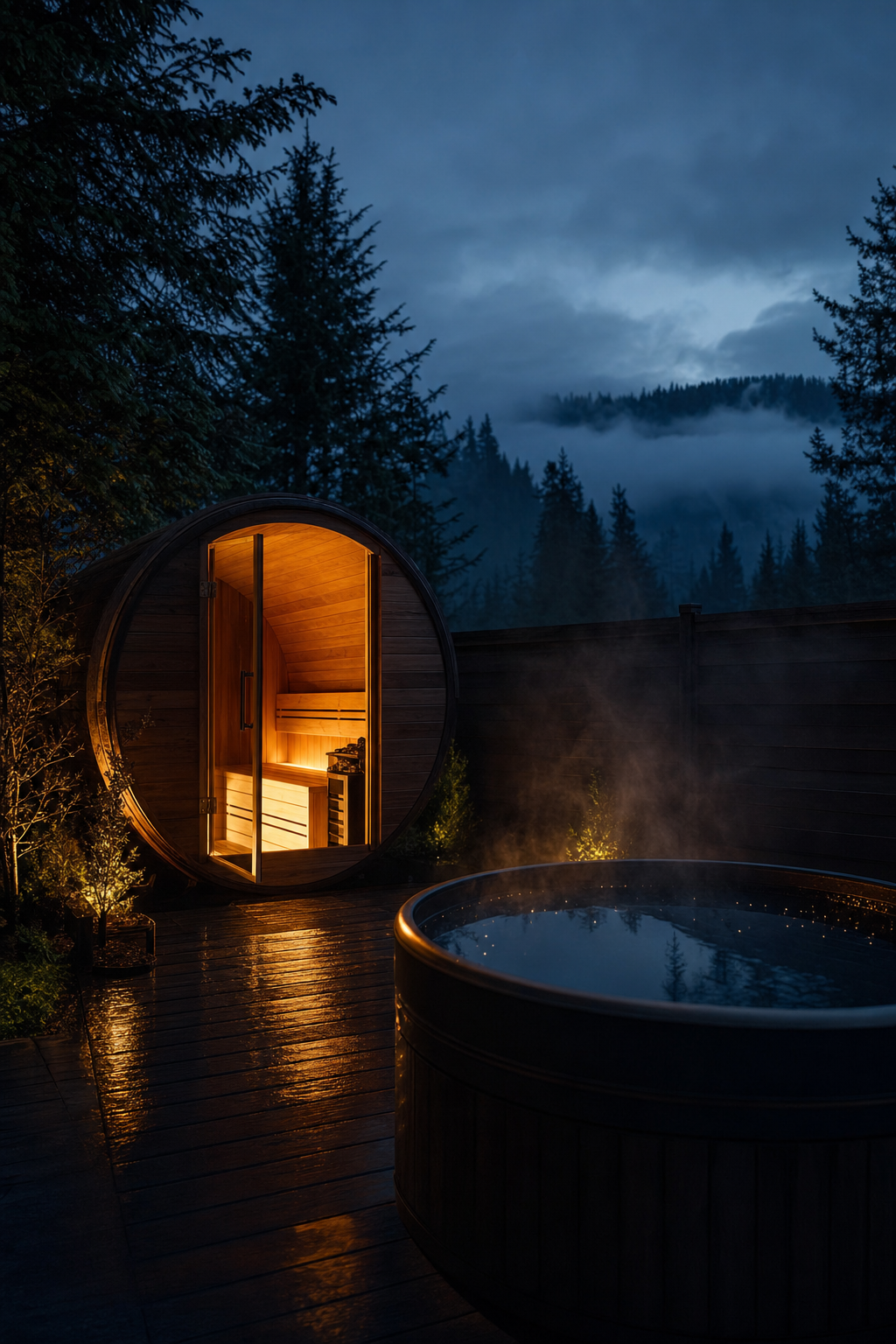
Understanding the physiological timeline of a sauna cold plunge heart health blood pressure Vancouver routine allows you to move beyond simple relaxation and into data-driven recovery. The process is not a linear path to relaxation, but a sequence of controlled stressors that demand specific adaptations from your heart and vessels.
### Minutes 1 to 15: The Heat Phase As you begin your session in one of our mobile sauna rentals, your body immediately initiates a cooling response. During the first five minutes, your heart rate begins to climb, eventually reaching levels comparable to moderate aerobic exercise. While heart rate increases, blood pressure behaves dynamically. Initially, you may see minor fluctuations as the heart pumps harder, but as vasodilation takes full effect between minutes 10 and 15, systolic blood pressure typically begins to drop. This phase reaches what clinicians call the "nadir," the lowest point of blood pressure during heat exposure. This nadir occurs because the total peripheral resistance of your vascular system is at its minimum, the vessels are wide open, and the blood is shunted toward the skin.
### Seconds 1 to 120: The Cold Shock The transition to the cold plunge triggers a near-instantaneous reversal. Within the first few seconds of immersion, you experience the cold shock response. This is marked by an immediate spike in both systolic and diastolic blood pressure. The smooth muscles in your vessel walls constrict violently to preserve core temperature, a process known as vasoconstriction. During these two minutes, the heart works against high resistance, which serves as the peak "strength training" moment for your arteries. These premium recovery experiences rely on this sharp contrast to stimulate the autonomic nervous system.
### 30 to 120 Minutes Post-Session: The Recovery Window The most significant benefits for your cardiovascular profile often occur after you have stepped out of the water. According to research indexed by PubMed Central (PMC), the positive effects on blood pressure and reduced vascular resistance can persist for up to two hours after the session. During this recovery window, your heart rate stabilizes while your vessels maintain a state of improved compliance. For the Vancouver professional, this two-hour window of lowered systemic resistance provides a critical physiological buffer against the sympathetic "fight or flight" state induced by a high-pressure work environment. You can book your session to experience this timeline firsthand, utilizing the heat and cold to recalibrate your circulatory baseline.
Does Sauna and Cold Plunge Lower Blood Pressure Long Term?
While the immediate effects of a session are clear, the long term impact of a regular sauna cold plunge heart health blood pressure Vancouver routine is a subject of ongoing clinical interest. Longitudinal data from Finland, where sauna use is a cultural staple, consistently shows that frequent users experience significantly lower rates of cardiovascular disease and sudden cardiac death. These observational studies suggest a dose-response relationship; the more often you utilize heat, the more your heart appears to benefit over years of consistent practice.
Establishing a direct cause and effect link remains complex. A 2023 study published in the Journal of Applied Physiology observed patients with stable coronary artery disease over eight weeks. While the sessions were safe and well tolerated, the study did not find significant changes in resting blood pressure or arterial flexibility within that specific two month window. This indicates that the cardiovascular adaptations sought by Vancouver’s weekend warriors, who often push their limits on the North Shore mountains, likely require a more consistent, multi year commitment rather than a short term fix.
For those managing untreated hypertension, the data is particularly compelling. Clinical trials indicate that regular heat exposure reduces total vascular resistance, which is the primary driver of high blood pressure. By repeatedly lowering this resistance through premium recovery experiences, the vascular system becomes more compliant. This resilience is vital for professionals who oscillate between sedentary office hours and intense physical exertion. Engaging with mobile sauna rentals provides the necessary repetition to train the endothelium, ensuring your heart is prepared for the next physical peak. To start building this long term foundation, you can book your session and integrate contrast therapy into your weekly wellness architecture.
Safety First: Who Should Proceed with Caution or Avoid Contrast Therapy?
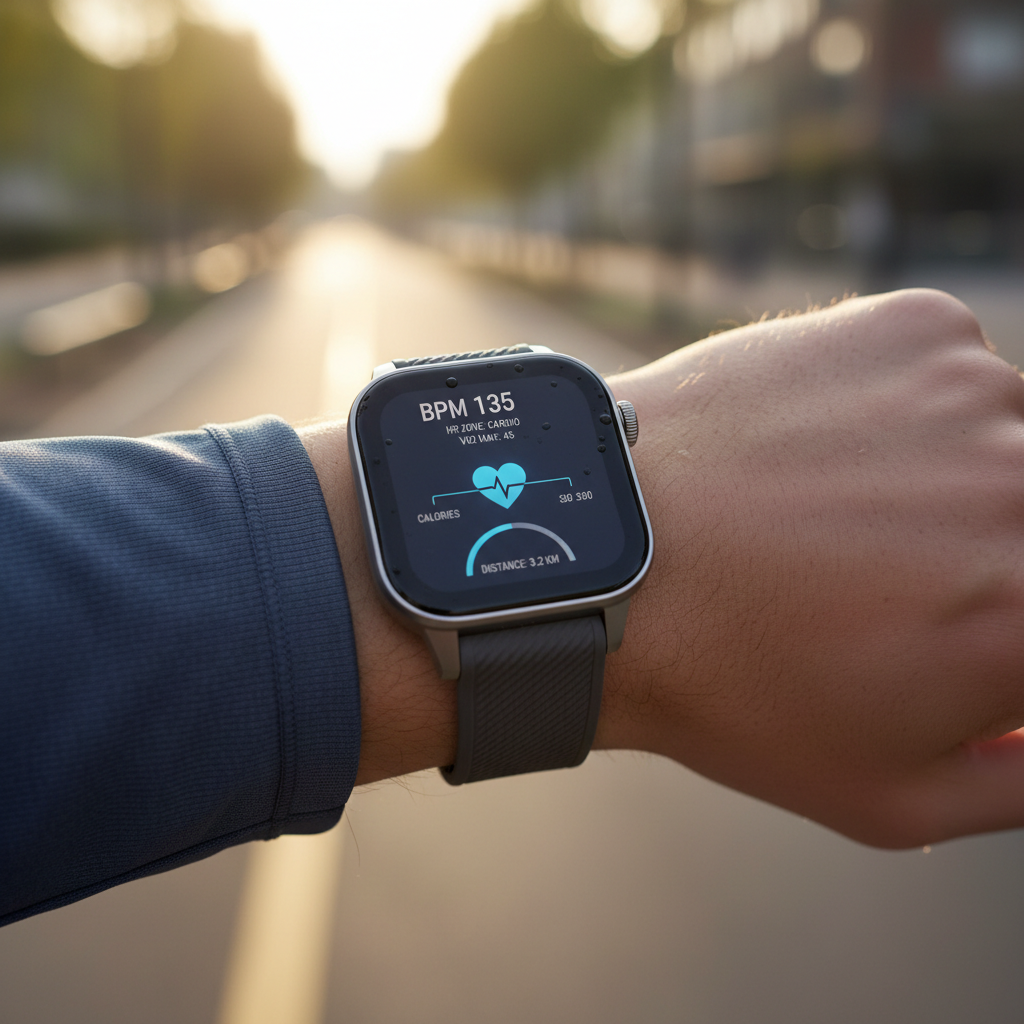
While the long-term data for a sauna cold plunge heart health blood pressure Vancouver routine is promising, the immediate physiological demands require a pragmatic assessment of your current health status. These sessions are designed to stress the cardiovascular system to prompt adaptation, but for certain populations, that stress can exceed safe limits. Understanding where you fall on the risk spectrum is essential for a safe recovery practice.
Individuals with pre-existing heart conditions, such as arrhythmias or stable coronary artery disease, must exercise specific caution. The cold shock response experienced during the plunge phase causes a rapid spike in blood pressure and a sudden constriction of vessels. For those with underlying heart disease, this transition can disrupt the heart’s electrical signals, potentially leading to palpitations or, in high-risk cases, cardiac arrest. While Finnish studies show that premium recovery experiences are generally well-tolerated by those with stable conditions, the intensity of a mobile setup requires a baseline of cardiac stability.
Low blood pressure, or hypotension, presents a different challenge. During the heat phase of a sauna, your vessels reach a state of maximum vasodilation. If your resting blood pressure is already low, this further drop can lead to orthostatic hypotension, which is the lightheadedness or dizziness felt when standing up too quickly. To mitigate this, we recommend moving slowly between the sauna and the cold plunge and ensuring you are not exiting the heat while at your physiological nadir.
For Vancouver professionals currently on blood pressure medication, the interaction with heat is a critical consideration. Medications like beta-blockers can prevent the heart rate from rising sufficiently to meet the demands of the sauna, while diuretics can lead to faster dehydration and a dangerous drop in blood volume. We strongly advise consulting a Vancouver GP before integrating mobile sauna rentals into your routine. A medical professional can help you determine if your heart is ready for these stressors or if you should modify your exposure times before you book your session.
Sauna and Blood Pressure Medication: A Note for the Vancouver Professional
Vancouver professionals who manage hypertension through medication must understand how these prescriptions interact with a sauna cold plunge heart health blood pressure Vancouver routine. Beta blockers, commonly used to regulate heart rhythm, limit the heart's ability to increase its rate in response to high heat. Because the heart cannot easily compensate for the widespread vasodilation occurring in the sauna, users may experience a more profound drop in blood pressure than those not on medication.
Diuretics present a different challenge by reducing total blood volume. When paired with the intense sweating of a session, the risk of acute dehydration and significant pressure drops increases. These physiological shifts often lead to orthostatic hypotension, the lightheadedness felt when standing up too quickly. Within the compact environment of mobile sauna rentals, this transition is critical. If you are taking these medications, prioritize moving slowly and staying hydrated to ensure these premium recovery experiences remain safe. Consulting your physician about your specific medication is a necessary step before you book your session.
How to Start a Heart Healthy Routine with Nordic Edge
Establishing a sauna cold plunge heart health blood pressure Vancouver routine requires a disciplined, incremental approach rather than maximal intensity from day one. For beginners, we recommend starting with 10 to 15 minutes of heat followed by a brief, moderate cold exposure of 30 to 60 seconds. This allows your vascular system to adapt to the pressure changes without triggering an excessive stress response.
Hydration is the most critical variable for maintaining stable blood pressure during these sessions. Because sweating significantly reduces blood volume, you must replenish fluids and electrolytes, specifically sodium, potassium, and magnesium, both before and after your session. Maintaining adequate plasma volume ensures that your heart can effectively manage the increased cardiac output required by the heat. This preparation is especially important for the Vancouver professional transitioning from a sedentary office environment to an active recovery state.
Our premium recovery experiences are engineered to offer a controlled environment for building this cardiovascular resilience. By utilizing our mobile sauna rentals, you gain access to high-grade equipment that allows for precise temperature management, ensuring your path toward longevity is both safe and effective. Once you have established a baseline of tolerance, you can slowly increase your time in the heat or decrease the water temperature to further challenge your arterial elasticity. Book your session to begin your structured cardiovascular training program.