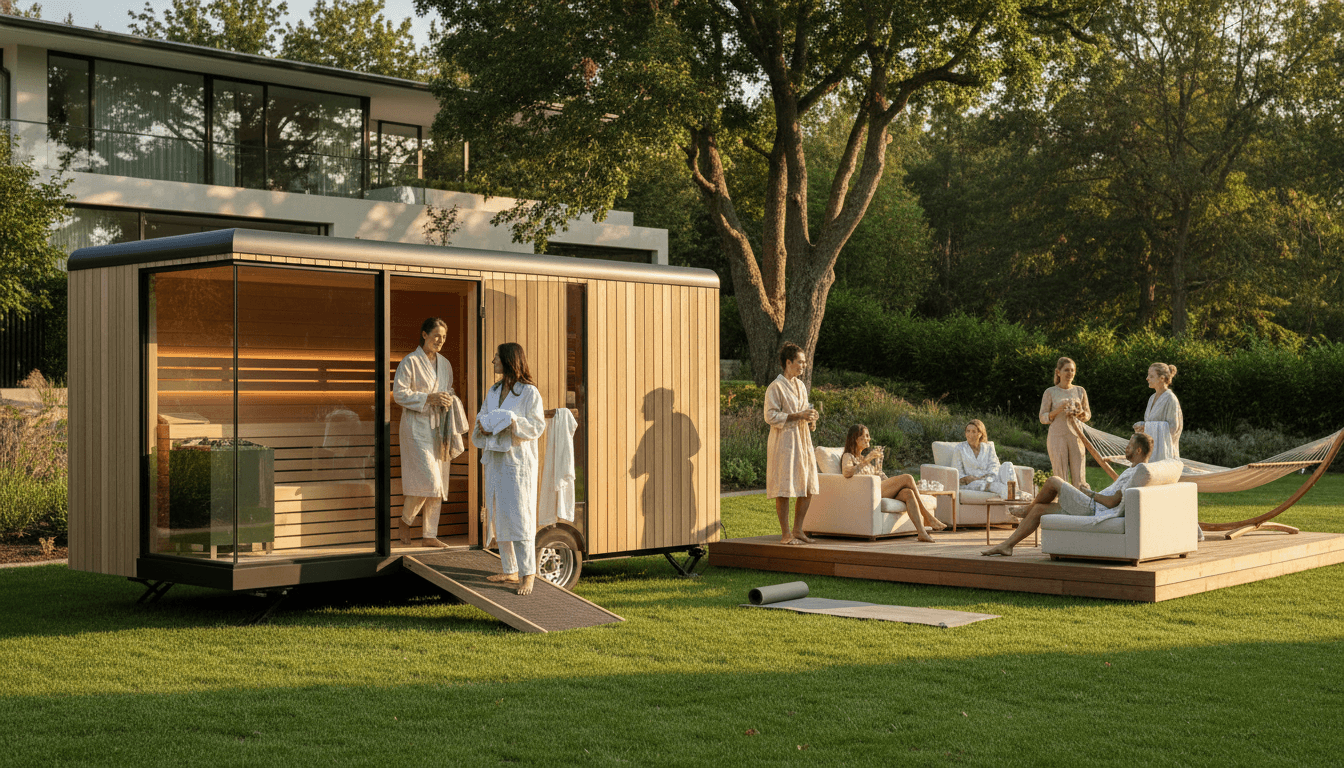
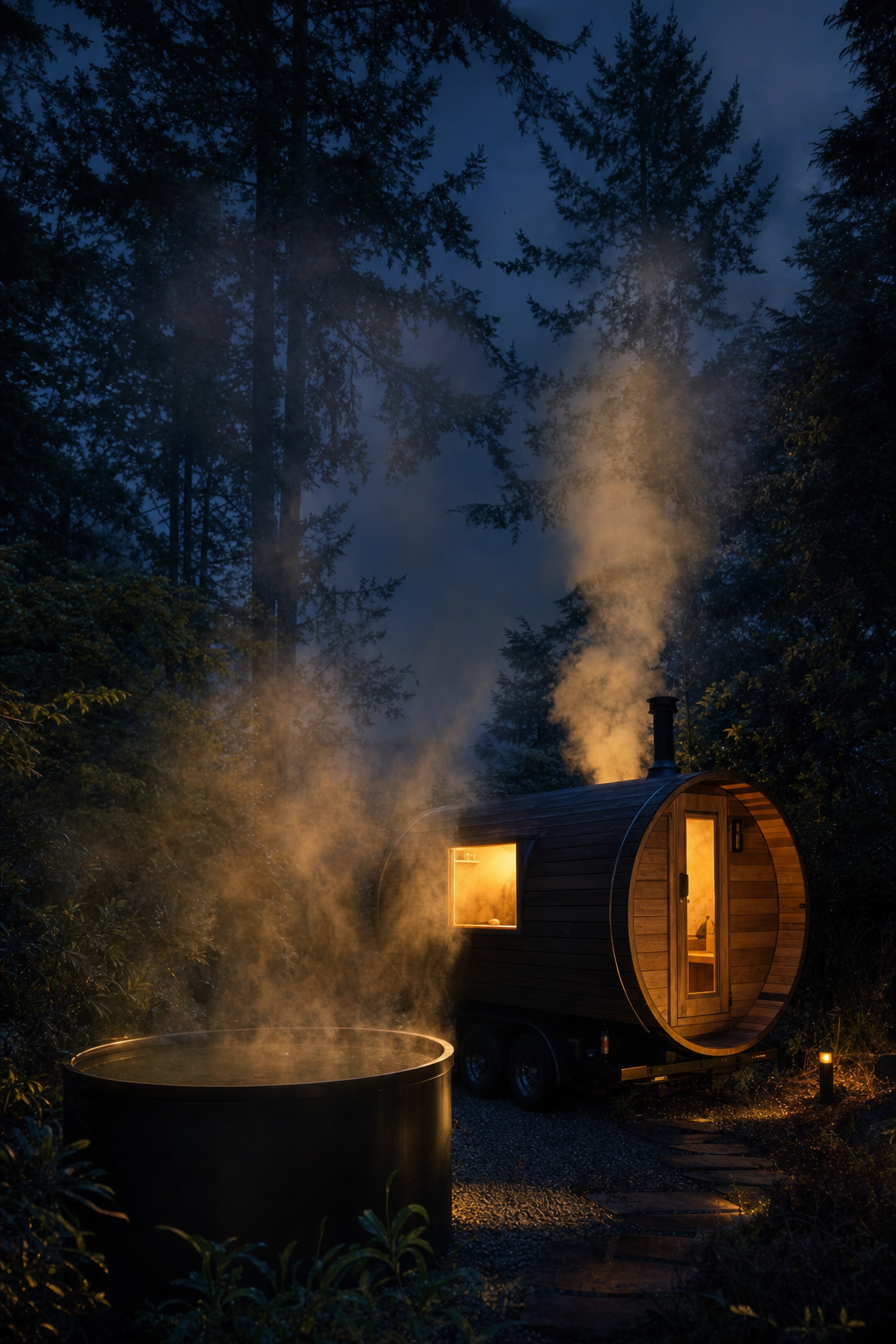
Effective recovery is achieved by using a sauna cold plunge recovery tracking HRV wearable Vancouver strategy to monitor how contrast therapy impacts heart rate variability and cardiovascular health. This data allows users to adjust their session frequency and duration for reduced inflammation and improved sleep quality; providing a quantifiable way to track the long-term benefits of heat and cold exposure.
For the high performing professional in Vancouver, time is the most valuable asset; yet many spend it on recovery protocols without ever knowing if they are truly moving the needle. You might endure the icy depths of a cold plunge or the heat of a Finnish sauna, but without objective data, you are simply guessing at your physiological state. This is where Heart Rate Variability, or HRV, becomes your most vital metric. It serves as a direct window into your central nervous system, revealing how contrast therapy actually influences your readiness and resilience. In this guide, we will explore how to leverage wearables like Oura, WHOOP, or Garmin to optimize your time at Nordic Edge. You will learn how to interpret fluctuations in your resting heart rate, analyze changes in sleep architecture, and use your recovery score to build a more intelligent, data driven wellness routine.
The Rise of Data Driven Recovery for Vancouver Professionals
Vancouver’s professional landscape demands a level of performance that mirrors the intensity of the local geography. For the executive navigating the North Shore trails or the tech leader scaling a startup, efficiency is the primary metric of success. This pursuit of peak output has transitioned recovery from a passive luxury into a data driven discipline, often referred to as biohacking. In a city where time is the most valuable commodity, professionals are increasingly seeking a quantifiable return on their wellness investments.
While the subjective feeling of post sauna relaxation is significant, high performers in British Columbia now lean on hard data to justify their routines. By adopting a sauna cold plunge recovery tracking HRV wearable Vancouver high performers are moving beyond guesswork. They are using sophisticated biometrics to validate how thermal stress impacts their physiology. Nordic Edge provides the precise, controlled environment required to test these metrics through premium recovery experiences. These mobile sauna rentals offer a sophisticated laboratory for the body, allowing you to book your recovery session and observe exactly how contrast therapy shifts your metrics from a state of strain to a state of readiness. Utilizing this data allows for a surgical approach to health, ensuring every minute spent in the heat or the ice contributes directly to a higher baseline of performance.
Understanding Heart Rate Variability: Your Central Nervous System Dashboard
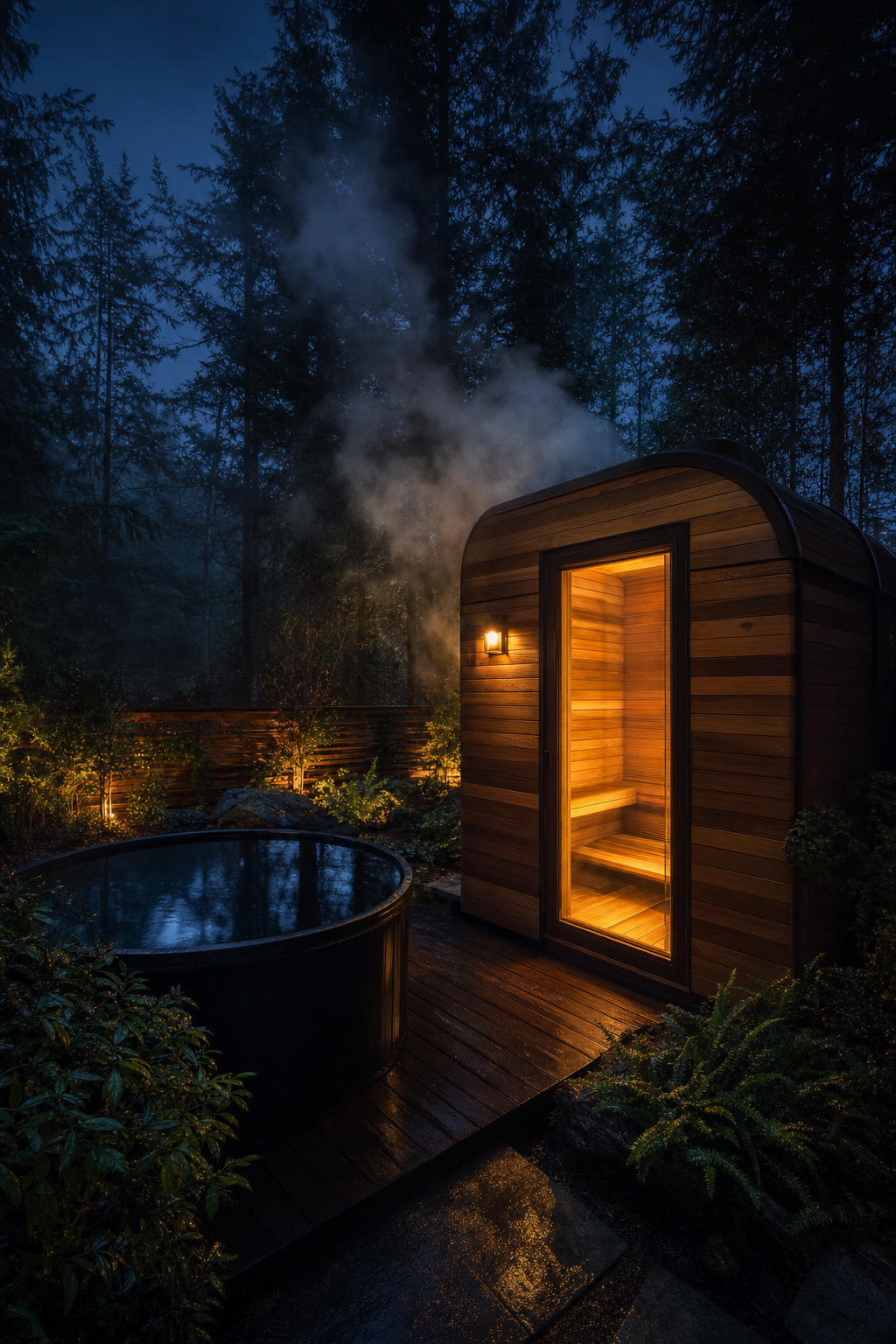
Heart Rate Variability (HRV) serves as the primary metric for quantifying the state of your autonomic nervous system. Unlike resting heart rate, which measures beats per minute, HRV tracks the specific millisecond variations between those beats. A high HRV indicates a healthy, resilient system where the parasympathetic branch is dominant; this allows for rapid adaptation to environmental stressors. When you engage in sauna cold plunge recovery tracking HRV wearable Vancouver high performers often notice that their baseline scores begin to shift upward as they master the art of contrast.
Scientific validation for this practice is found in a 2019 study published in the Journal of Applied Physiology. The research demonstrated that cold exposure significantly increases cardiac vagal activity, which is the physiological mechanism behind the rest and digest response. By exposing the body to the 90 degree Celsius heat of a sauna followed immediately by 4 degree Celsius water, you are conducting an intensive workout for your nervous system. This extreme contrast forces a rapid transition from sympathetic arousal to parasympathetic recovery, training your internal dashboard to return to equilibrium with greater efficiency.
This bounce back effect is what generates a superior recovery score on your device the following morning. During premium recovery experiences, the body is forced to manage the hormetic stress of the temperature delta. Over time, this repeated exposure lowers the friction between stress and rest. If you are looking to optimize these biometrics, utilizing mobile sauna rentals provides the consistency needed to see these long term trends in your data. When you book your recovery session, you are not just relaxing; you are recalibrating your central nervous system to handle the high stakes environment of the Vancouver business world.
How Cold Plunging and Sauna Influence Your Resting Heart Rate
While HRV offers a granular view of your nervous system's real time state, your resting heart rate (RHR) provides a broader baseline of your cardiovascular efficiency. When you integrate premium recovery experiences into your routine, you are essentially engaging in a "cardio press without joint stress." This phenomenon occurs because the extreme thermal shift forces the heart to work harder to manage blood flow and thermoregulation, all while your musculoskeletal system remains entirely at rest.
During the initial immersion in 4 degree Celsius water, your wearable will record a "shock" heart rate. This is an immediate sympathetic response where heart rate can spike by 10 to 30 beats per minute due to the sudden release of adrenaline and norepinephrine. However, the data point that truly matters for long term health is the "recovery" heart rate observed 30 to 60 minutes after the session concludes. As the body exits the cold and begins to stabilize, the parasympathetic system overcompensates, often driving the heart rate significantly below your typical daily baseline.
For those utilizing a sauna cold plunge recovery tracking HRV wearable Vancouver professionals often notice that consistent sessions lead to a sustained reduction in baseline RHR over several weeks. This shift indicates a more efficient heart, capable of circulating oxygenated blood with less effort. By using mobile sauna rentals to maintain a regular protocol, you are physically reconditioning your heart to handle high pressure environments with greater ease. When you book your recovery session, track the delta between your peak heart rate in the heat and your lowest point an hour post-plunge. This spread is a powerful indicator of your building cardiovascular resilience.
Using Your WHOOP, Oura, or Garmin to Optimize Contrast Therapy
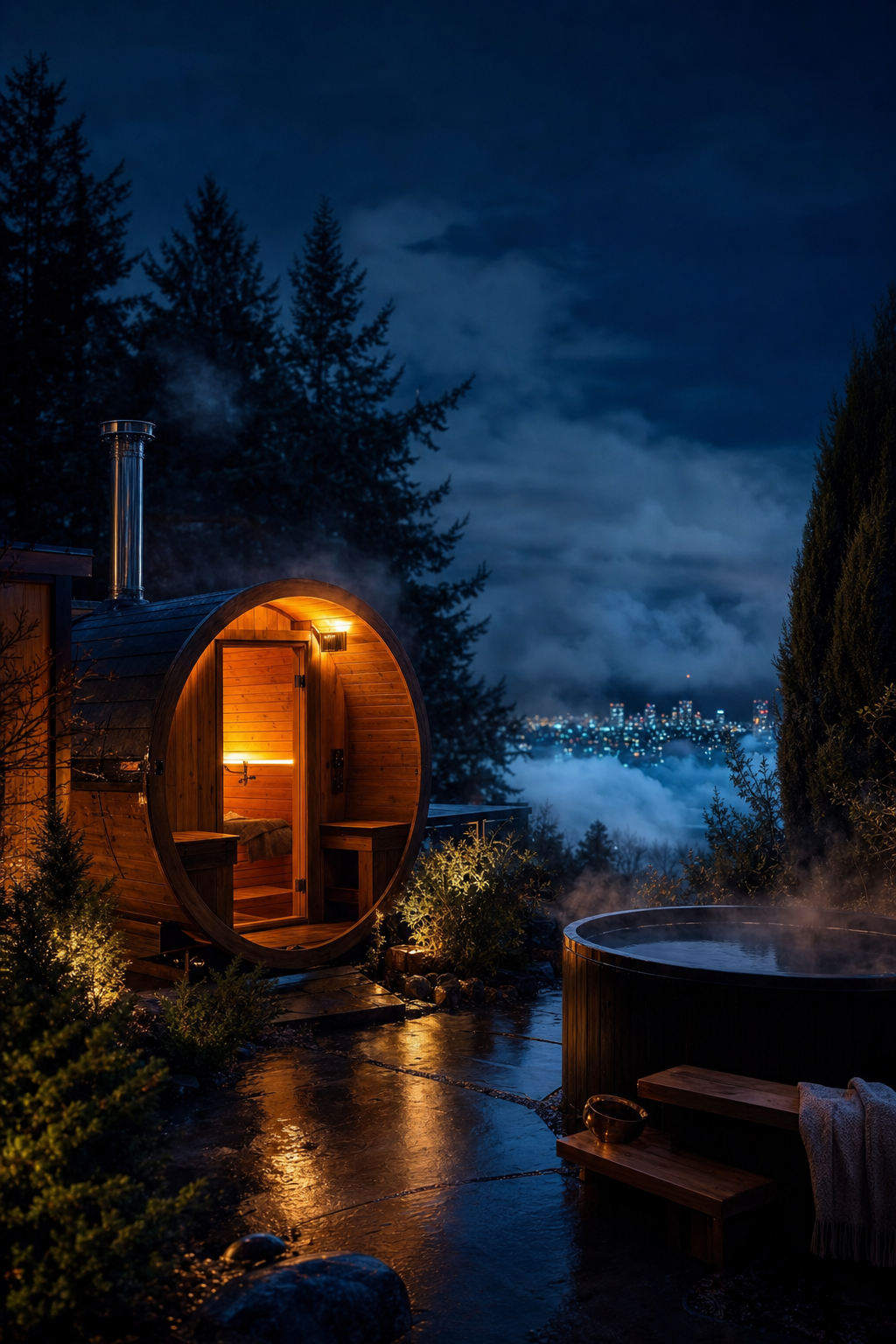
To translate physiological stress into actionable insights, you must know how to input and interpret data within your specific ecosystem. For those utilizing a WHOOP strap, the 'Journal' feature is your most potent tool. By tagging 'Sauna' and 'Ice Bath' consistently, the WHOOP algorithm calculates the specific impact these behaviors have on your recovery the following day. Vancouver professionals often find that while their 'Strain' score increases during the session due to the thermal demand, the subsequent 'Recovery' percentage sees a significant lift, provided they don't over-exert in the final hour before sleep.
Oura users should focus on the 'Readiness Score,' specifically observing the 'Body Temperature' and 'Sleep' contributors. A session in one of our mobile sauna rentals approximately 90 minutes before bed triggers a rapid cooling effect. On your Oura app, this typically manifests as a stabilized nocturnal skin temperature and a more efficient descent into deep sleep. If you see a spike in resting heart rate on your Oura ring during the night after a session, it likely indicates your protocol was too long or too hot for your current level of conditioning.
Garmin enthusiasts can monitor the 'Body Battery' metric to visualize the 'cardio press' effect. While the intense heat and cold may cause a slight dip in your Body Battery initially, the quality of the recharge during sleep is usually significantly higher. When you book your recovery session, consider the hardware logistics. While most modern wearables are rated for 5ATM or 10ATM water resistance, the 90 degree Celsius heat of a Finnish sauna can occasionally trigger overheating warnings. To protect the battery longevity of your sauna cold plunge recovery tracking HRV wearable Vancouver experts recommend wearing the device under a damp towel or keeping it on a lower, cooler bench to ensure consistent data collection without hardware strain.
Device | Primary Metric to Watch | Practical Tip |
|---|---|---|
WHOOP | Recovery % & Journal Trends | Tag 'Sauna' and 'Ice Bath' to see long-term HRV correlations. |
Oura | Readiness & Body Temp | Use the 90-minute pre-sleep window to optimize sleep architecture. |
Garmin | Body Battery | Watch for an increased 'Recharge' rate during the following sleep cycle. |
By layering these premium recovery experiences with precise data entry, you move from general wellness into high-performance biohacking, ensuring every session is calibrated to your body’s specific needs.
The Recovery Score: Interpreting Data After Your Nordic Edge Session
Analyzing your data immediately after exiting the cold plunge often leads to a misunderstanding of your body’s current state. The physiological demand of transitioning between thermal extremes creates a spike in Strain or Activity metrics that can mirror the load of a heavy cardiovascular workout. This is an expected response to hormetic stress, which is the process of using controlled, acute stressors to trigger long term biological resilience. As noted in clinical research, the most profound benefits for autonomic balance and stress reduction often exhibit a 12 hour lag before they manifest in your biometrics.
Professional athletes in Vancouver use these premium recovery experiences not for the immediate readout, but to dictate their training intensity for the following 48 hours. If a session in one of our mobile sauna rentals results in a significantly elevated HRV the next morning, it serves as a green light for a high intensity interval session or a demanding professional engagement.
The real victory is the Recovery or Readiness score that appears after a full sleep cycle. While your sauna cold plunge recovery tracking HRV wearable Vancouver data might show temporary cardiovascular load in the moment, the subsequent stabilization of your nervous system is what builds durability. When you book your recovery session, view the experience as a strategic investment where the dividends are paid during your next day’s peak performance hours.
Sleep Quality and Deep Sleep Architecture: The Ultimate Metric
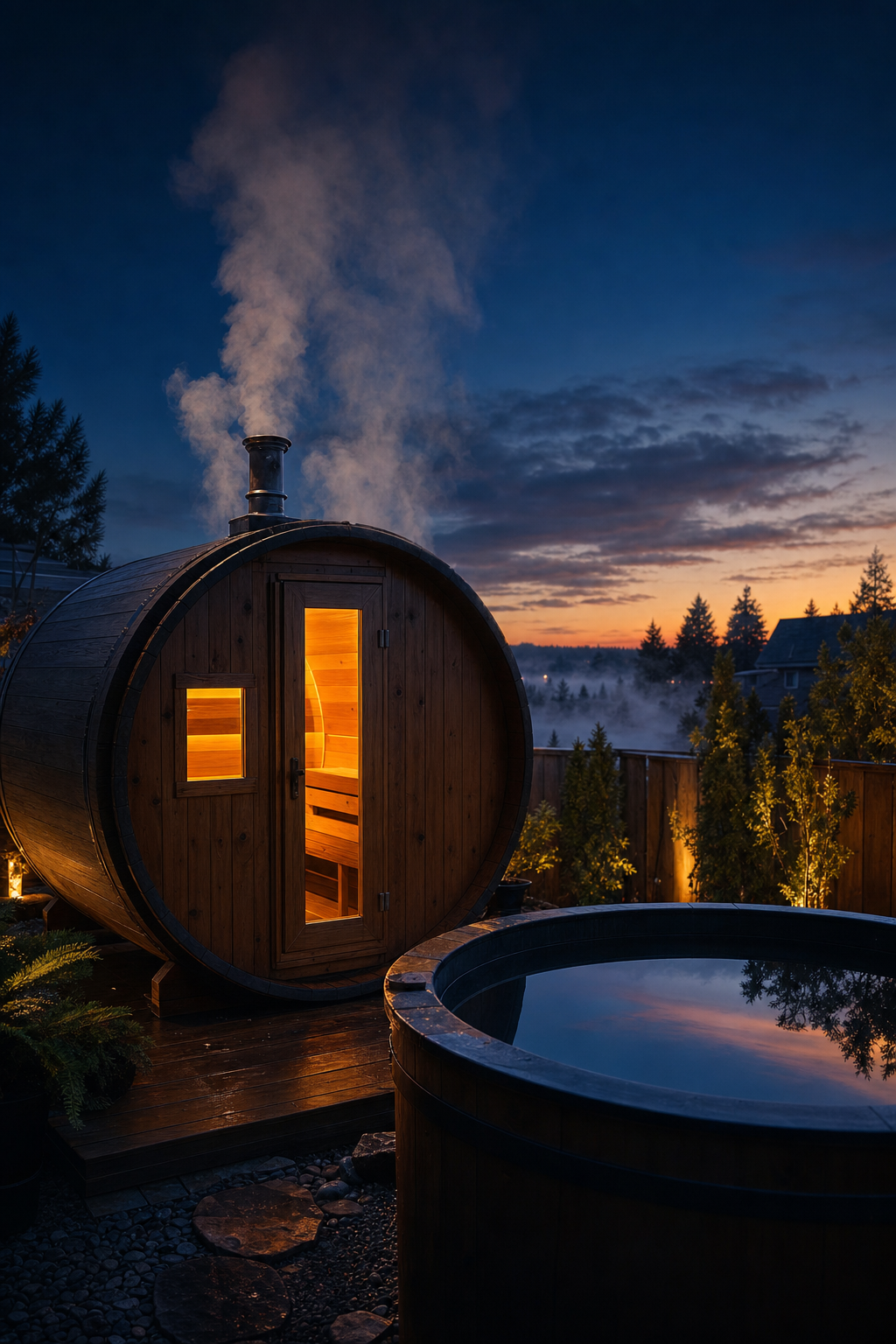
For Vancouver’s 'always on' executive class, the primary barrier to peak performance is rarely the intensity of the workday, but rather the inability to effectively power down at night. The physiological bridge to high-quality rest lies in the strategic manipulation of your core body temperature. While it seems counterintuitive to use 90-degree Celsius heat to facilitate cooling, the rebound effect is what signals the brain to initiate the sleep cycle. By raising the core temperature in a controlled setting, you trigger a rapid, compensatory cooling process once you exit, mimicking the natural circadian drop required for sleep onset.
Timing your session in one of our mobile sauna rentals for the 90-minute window before bed creates the ideal thermal gradient. When analyzing your sauna cold plunge recovery tracking HRV wearable Vancouver data the following morning, the most critical metric to observe is your sleep architecture, specifically the ratio of REM to Deep Sleep. A successful contrast session should correlate with a measurable increase in Deep Sleep, or Slow Wave Sleep, which is the phase responsible for physical tissue repair and metabolic clearance.
While REM sleep handles cognitive processing and emotional regulation, Deep Sleep is where the body physically recovers from the day's strain. By utilizing premium recovery experiences to induce the natural cooling process early, you shorten sleep latency and reach these restorative cycles faster. When you book your recovery session, you are not just chasing a feeling; you are using thermal biology to force a transition from the sympathetic drive of the boardroom into the deep, parasympathetic state required for true cellular rejuvenation.
Understanding your biometric data is the first step toward mastering your recovery routine in Vancouver. By monitoring how your body responds to contrast therapy, you can fine tune your sessions for better results. While wearable technology provides the numbers, interpreting that data to reach your peak performance can be complex. If you want expert help designing a personalized wellness strategy based on your unique metrics, we invite you to learn more about our Services. Our team is here to help you achieve lasting vitality and balance.