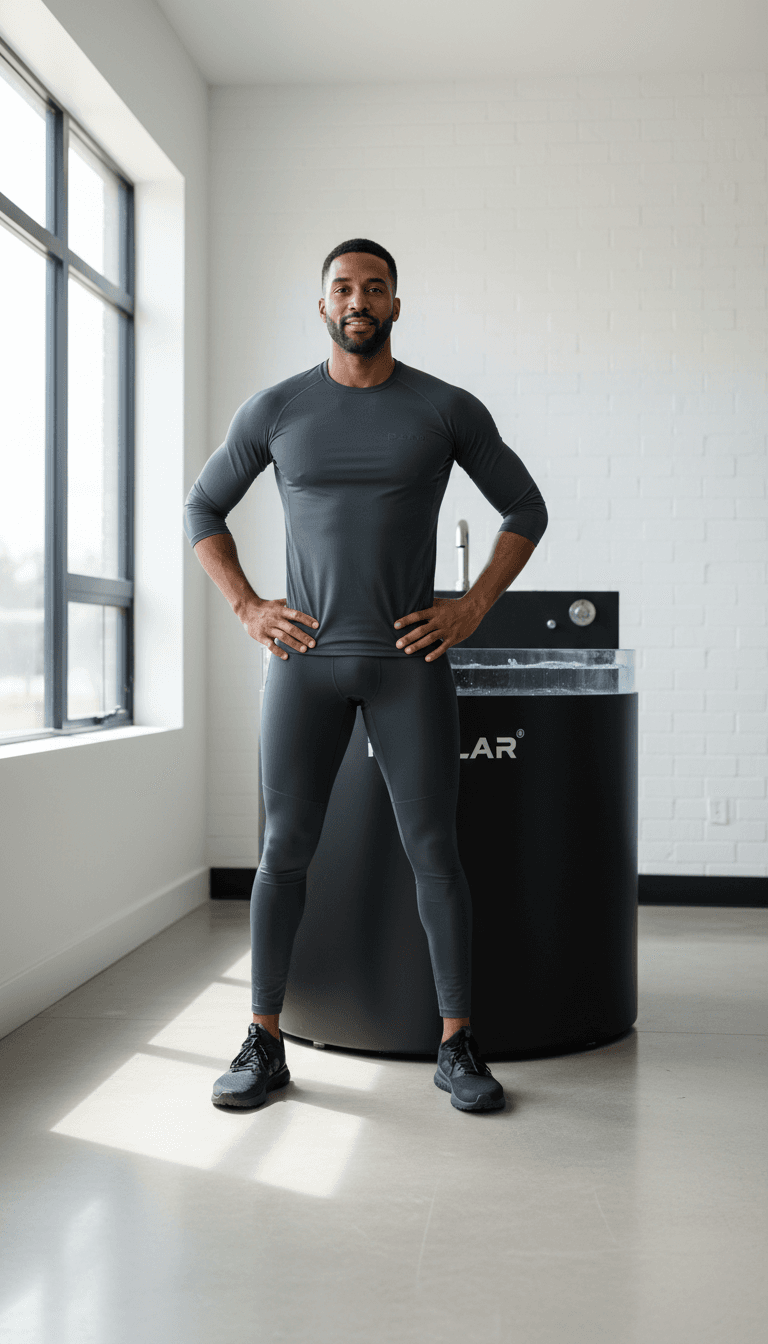
Contrast therapy helps regulate the body's internal clock by lowering core temperature and reducing cortisol levels to promote deeper, more restorative sleep. Utilizing a sauna cold plunge shift workers Vancouver routine allows those on irregular schedules to stabilize their circadian rhythms and enhance physical recovery through strategic temperature regulation.
Navigating the graveyard shift in a high intensity city like Vancouver often leaves your internal clock in a state of permanent misalignment. For healthcare and emergency professionals, the transition from a night shift back to a standard routine is more than a matter of exhaustion; it represents a physiological struggle against a body that refuses to rest. This persistent state of being tired yet wired is driven by elevated cortisol and a disrupted core temperature, which makes traditional recovery methods feel inadequate. Contrast therapy offers a sophisticated, science-backed solution to bypass these biological hurdles by manually resetting your circadian signaling. In this guide, we explore how Vancouver shift workers can strategically use sauna and cold plunge sessions to regulate sleep onset. You will learn the critical 90 minute rule for heat exposure, the optimal timing for cold immersion, and practical protocols to flush out stress hormones after your rotation.
The Unique Struggle of Vancouver Night Shift Professionals
Vancouver operates on a tiered schedule that often ignores the sun. Healthcare professionals navigating the corridors of VGH and St. Paul’s, film crews finishing grueling overnight "Fridays" in Burnaby, and first responders all share a common adversary: the disruption of the circadian rhythm. This misalignment often manifests as Shift Work Sleep Disorder (SWSD), a condition where the body’s internal clock remains permanently out of sync with the environment. The result is a persistent state of social jet lag, leaving high-end professionals physically exhausted yet mentally wired when they should be resting.
Combatting this requires more than just blackout curtains or caffeine. It requires a physiological intervention to signal the brain that the shift is over. Utilizing a sauna cold plunge for shift workers in Vancouver provides a powerful mechanism to manually reset these biological markers. Contrast therapy serves as a tool to transition the nervous system from the high-alert sympathetic state required on the job to the parasympathetic rest and digest state needed for recovery. These premium recovery experiences offer a sophisticated method for managing the hormonal and thermal triggers that dictate sleep quality, providing a bridge between the intensity of a Vancouver night shift and restorative rest.
The Science of Core Temperature and Sleep Onset
Understanding the thermal triggers of sleep is essential for anyone operating outside the standard 9-to-5 window. Human biology dictates that a significant drop in core body temperature is the primary physiological signal for the brain to begin releasing melatonin. Under normal conditions, this cooling begins in the late afternoon and continues through the night. However, for a Vancouver nurse or a film technician finishing a twelve hour shift at dawn, the body is doing the exact opposite. As the sun rises over the North Shore mountains, the circadian clock signals the core temperature to rise, creating a state of thermal wakefulness that makes falling asleep nearly impossible.
Strategically utilizing a sauna cold plunge for shift workers in Vancouver allows for a manual override of this biological mismatch. By immersing the body in water between 12 and 15 degrees Celsius for five to ten minutes immediately post-shift, you facilitate an artificial, rapid cooling of the core. This thermal intervention induces a subsequent stabilization of internal temperature that mimics the natural pre-sleep dip, effectively forcing the nervous system to downshift.
Standard wellness literature often suggests that the ideal time for contrast therapy is between 3 p.m. and 6 p.m., a recommendation based on the peak temperature of a daytime worker. For professionals in high-stakes environments, this generic window is irrelevant. The focus must remain on the specific post-shift window. Implementing these premium recovery experiences immediately after a rotation provides the thermal cues necessary to convince the brain it is time for rest, even when the city is at its brightest. This deliberate cooling period bridges the gap between the high metabolic demand of the job and the restorative deep sleep required for the next rotation.
Should You Cold Plunge Before or After a Night Shift?
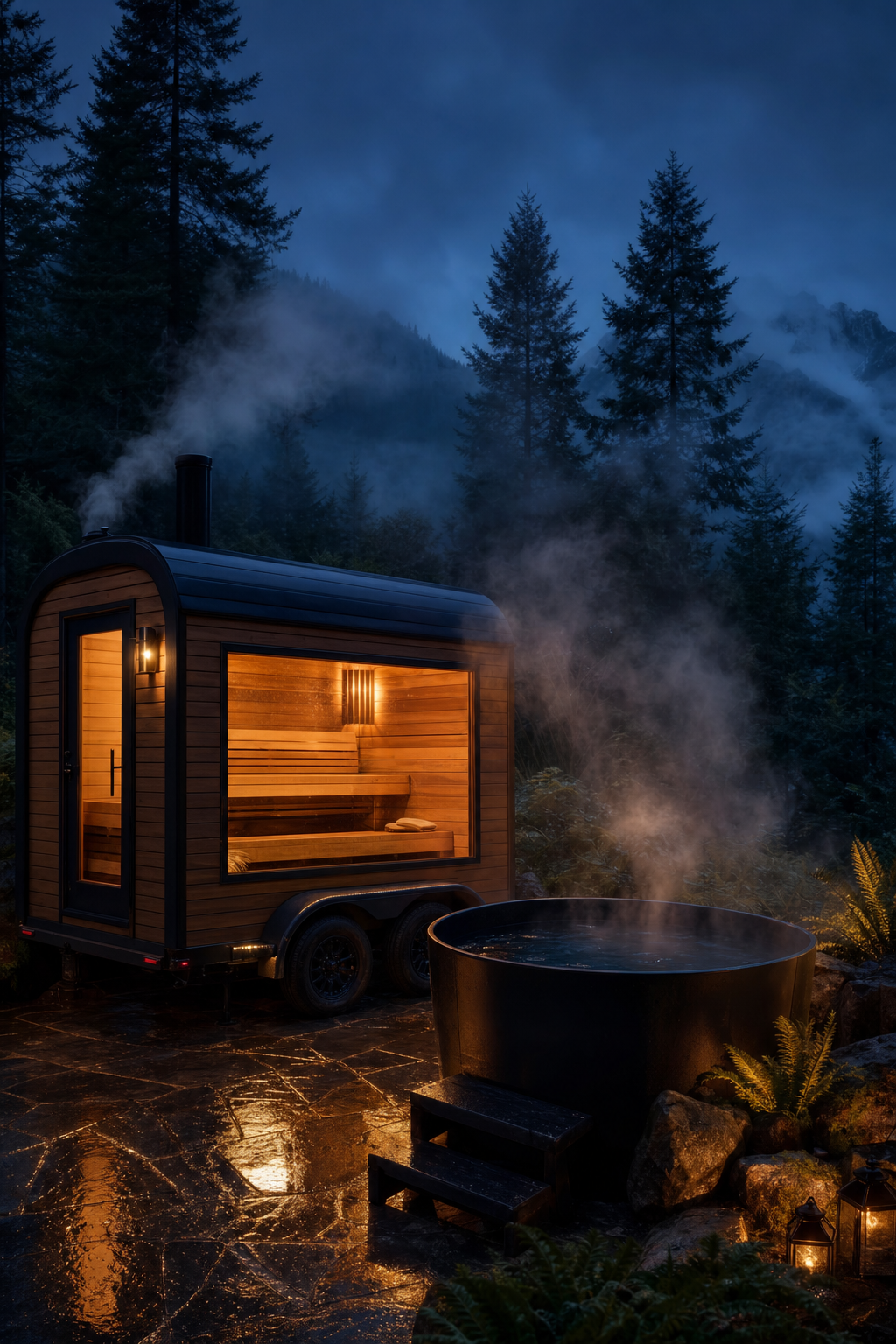
Determining when to utilize a sauna cold plunge for shift workers in Vancouver depends entirely on the specific physiological outcome required for the next twelve hours. The timing dictates whether the cold acts as a metabolic stimulant or a sedative cue.
For professionals heading into high-stakes environments, such as an overnight trauma rotation or a demanding location shoot, a pre-shift plunge serves as a potent, non-caffeinated stimulant. Short exposure triggers a significant spike in norepinephrine and dopamine; this provides sustained mental clarity and alertness that persists long after the initial shock. Conversely, a post-shift plunge focuses on thermal regulation to combat the difficulty of sleeping during daylight hours.
Protocol | Target Goal | Temperature & Duration | Primary Biological Driver |
|---|---|---|---|
Pre-Shift | Peak Alertness | 2 - 3 mins @ 8°C - 10°C | Sustained norepinephrine and dopamine release |
Post-Shift | Sleep Induction | 5 - 10 mins @ 12°C - 15°C | Rapid core cooling to signal melatonin release |
By integrating these premium recovery experiences into a rotation, Vancouver professionals can exert precise control over their nervous system. Choosing the correct window ensures the body is either primed for the intensity of the job or chemically prepared for restorative rest. This strategic application prevents the grogginess often felt when transitioning from a dark apartment to a brightly lit hospital or production studio.
The 90 Minute Rule for Sauna Use and Sleep Deprivation
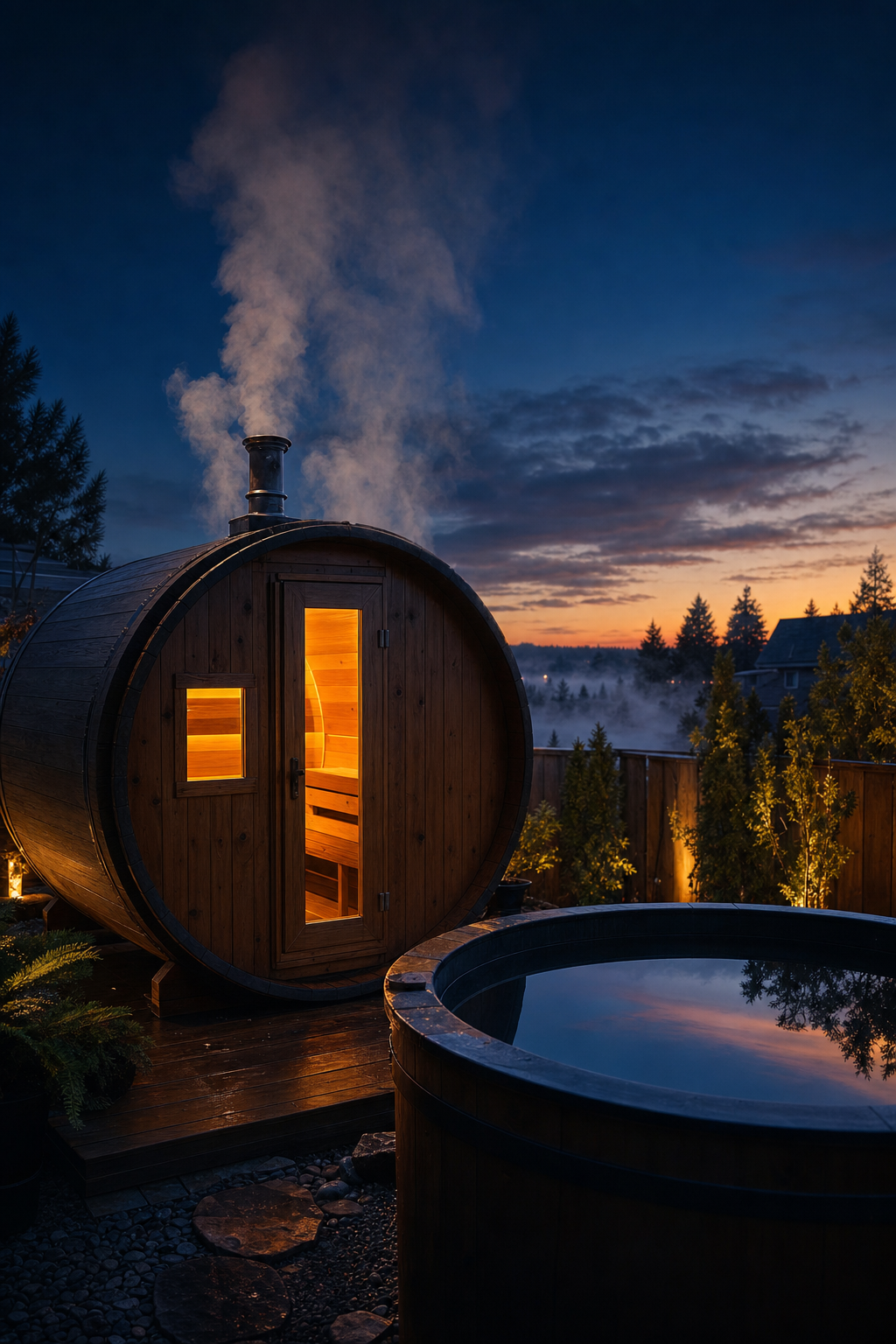
While a sauna session is a cornerstone of premium recovery experiences, its application for sleep induction requires precise timing. The intense heat of a traditional sauna triggers vasodilation and deep muscle relaxation; however, it also significantly elevates the core body temperature. For a Vancouver physician or nurse finishing a night rotation, the goal is to facilitate a temperature drop, not sustain a spike. Research indicates that for heat to aid sleep, there must be a mandatory buffer zone. You must finish your sauna session at least 90 minutes before attempting to sleep.
Attempting to go to bed immediately after exiting the heat traps residual warmth in the core. This thermal retention paradoxically keeps the brain in a state of wakefulness, delaying the onset of deep, restorative sleep phases. For healthcare professionals at VGH or St. Paul's who may only have a five or six hour window for rest, this 90 minute rule is non-negotiable. When utilizing a sauna cold plunge for shift workers in Vancouver, use the heat first to relax the musculature, but ensure the session concludes early enough to allow the body's natural thermoregulation to take effect before your designated sleep time.
Is a Sauna Good When You Are Sleep Deprived?
Utilizing a sauna when sleep-deprived offers distinct physiological benefits, provided you manage the intensity. Chronic sleep deprivation, common among Vancouver film crews and medical staff, triggers systemic inflammation and elevated C-reactive protein levels. While heat exposure can mitigate this inflammatory response, it also increases cardiovascular load. When you are severely fatigued, your heart rate variability is likely low; adding the thermal stress of a sauna can be counterproductive if not managed carefully.
For those considering a sauna cold plunge for shift workers in Vancouver, the intervention serves to downregulate the stress response, but it must be applied with precision. Limit sessions to 10 or 15 minutes and prioritize aggressive hydration to compensate for the added strain on the heart. Contrast therapy functions as a hormetic stress, a controlled dose of biological pressure that stimulates positive adaptation. However, when the nervous system is already taxed by a grueling rotation, the goal of these premium recovery experiences shifts from aggressive performance enhancement to gentle nervous system regulation.
Combatting High Cortisol and Night Shift Body Stress
Professionals in Vancouver’s most demanding sectors often operate under a state of chronic sympathetic dominance. For a surgeon at VGH or a production coordinator, the end of a rotation does not automatically signal the end of the stress response. Instead, cortisol levels remain elevated well into the morning hours, preventing the deep cellular repair required for long-term health. Utilizing a sauna cold plunge for shift workers in Vancouver provides a structured method to force a physiological shift when the body refuses to do so on its own.
The intense heat of the sauna promotes systemic vasodilation, which lowers blood pressure and facilitates the transition into the parasympathetic nervous system, commonly known as the rest and digest state. These premium recovery experiences provide a vital mental buffer. By creating a physical boundary between the high-stakes demands of a Vancouver career and the tranquility of home life, professionals can effectively vent the accumulated tension that leads to burnout. This ritualized recovery ensures that the body’s hormonal profile begins to stabilize before the professional even sets foot in their residence, protecting both their health and their personal relationships from the residual fallout of chronic work stress.
How to Reset Your Circadian Rhythm After a Rotation
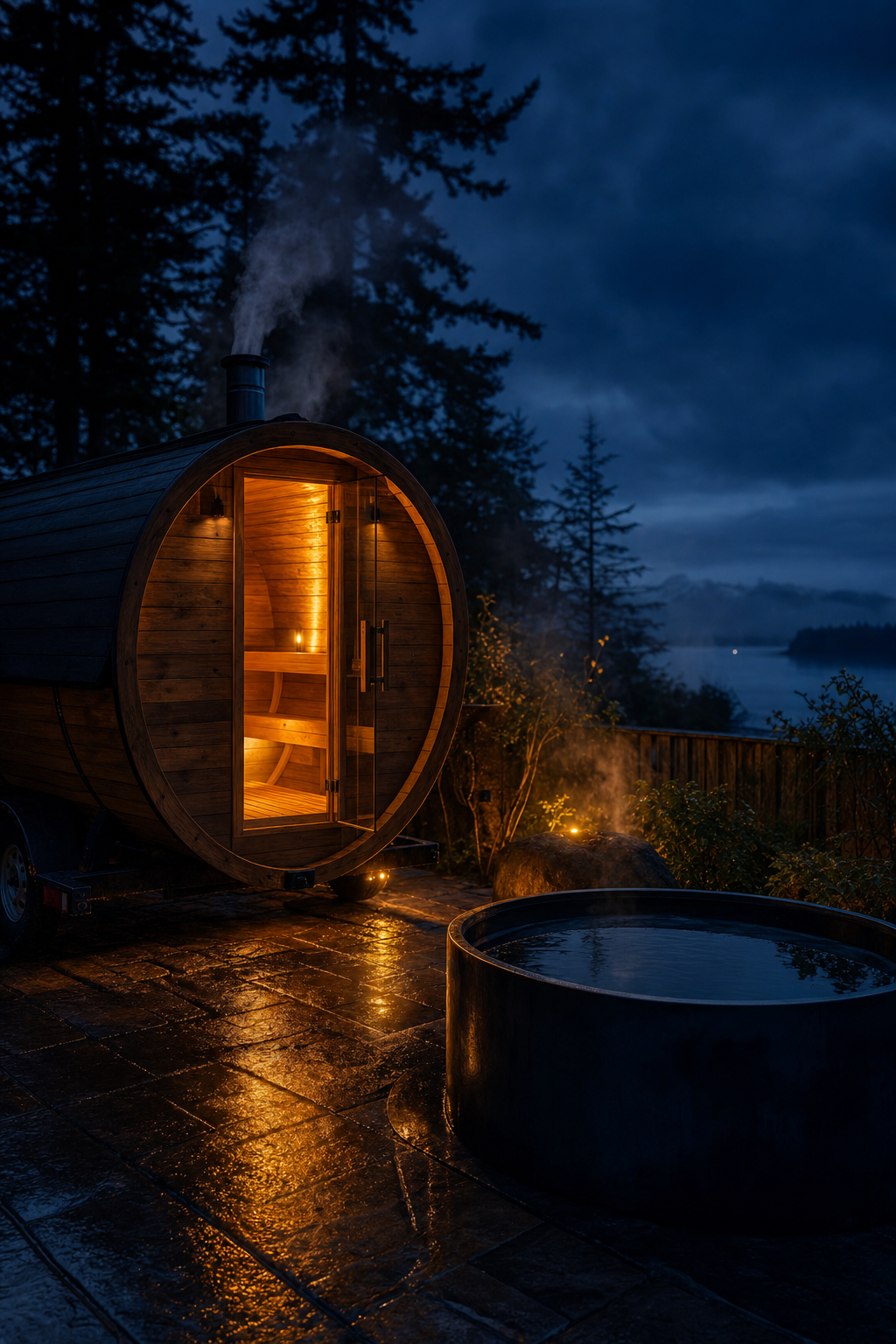
Transitioning from a final graveyard shift back to a standard daytime schedule requires more than just willpower; it requires a physiological anchor. To successfully bridge this gap, implement a 24 hour reset protocol that leverages thermal extremes to reorient the brain to the Vancouver sun.
Upon waking for your first recovery day, initiate a morning cold plunge. A three minute exposure at 10 degrees Celsius triggers an immediate spike in cortisol and norepinephrine, providing the biological signal for wakefulness that your internal clock is currently missing. This creates a sharp metabolic switch, helping you stay alert through the afternoon dip without relying on excessive stimulants that might interfere with the coming night's rest.
As the sun sets over the Salish Sea, shift the focus to the downward temperature curve. Schedule an evening sauna session to conclude at least 90 minutes before your target bedtime. This heat exposure followed by a brief, gentle cool down between 12 and 15 degrees Celsius facilitates the rapid shedding of core heat necessary for melatonin production. Utilizing mobile sauna rentals allows you to execute this protocol in your own driveway or backyard, eliminating the stress of a commute after an exhausting rotation. By applying a sauna cold plunge for shift workers in Vancouver as a structured reset, you provide the clear thermal markers your body needs to reintegrate with the daytime world. These premium recovery experiences serve as a functional tool to shorten the recovery window and return to peak performance.
Practical Tips for Vancouver Professionals Incorporating Contrast Therapy
Integrating recovery into a high-stakes career requires removing friction. Instead of navigating Vancouver traffic after a twelve hour shift, professionals can leverage mobile sauna rentals to bring the therapy directly to their driveway or a production base camp. For film departments or nursing units at VGH, organizing a group recovery session creates a shared environment that fits seamlessly within the wrap window or shift change. This eliminates the need for travel, ensuring the 90 minute rule is easier to follow before heading to sleep.
Beyond the physical benefits, shift work often leads to social isolation because your waking hours rarely align with standard community events. A shared sauna cold plunge for shift workers in Vancouver transforms recovery into a social wellness event. These premium recovery experiences provide a unique space to decompress with colleagues who understand the specific stresses of the night rotation. Book your session to establish a recurring ritual that serves both your physiological needs and your need for community; it ensures that even on a non-traditional schedule, your mental health and recovery remain a priority.
Integrating contrast therapy into a demanding schedule provides a powerful way to reset your internal clock and reclaim your sleep quality. While the benefits of alternating heat and cold are clear for shift workers, building a consistent routine that fits your lifestyle takes careful planning. If you want expert help optimizing your recovery protocol, you can explore our range of professional services to find the right path for your needs. We are here to help you achieve lasting balance in Vancouver.