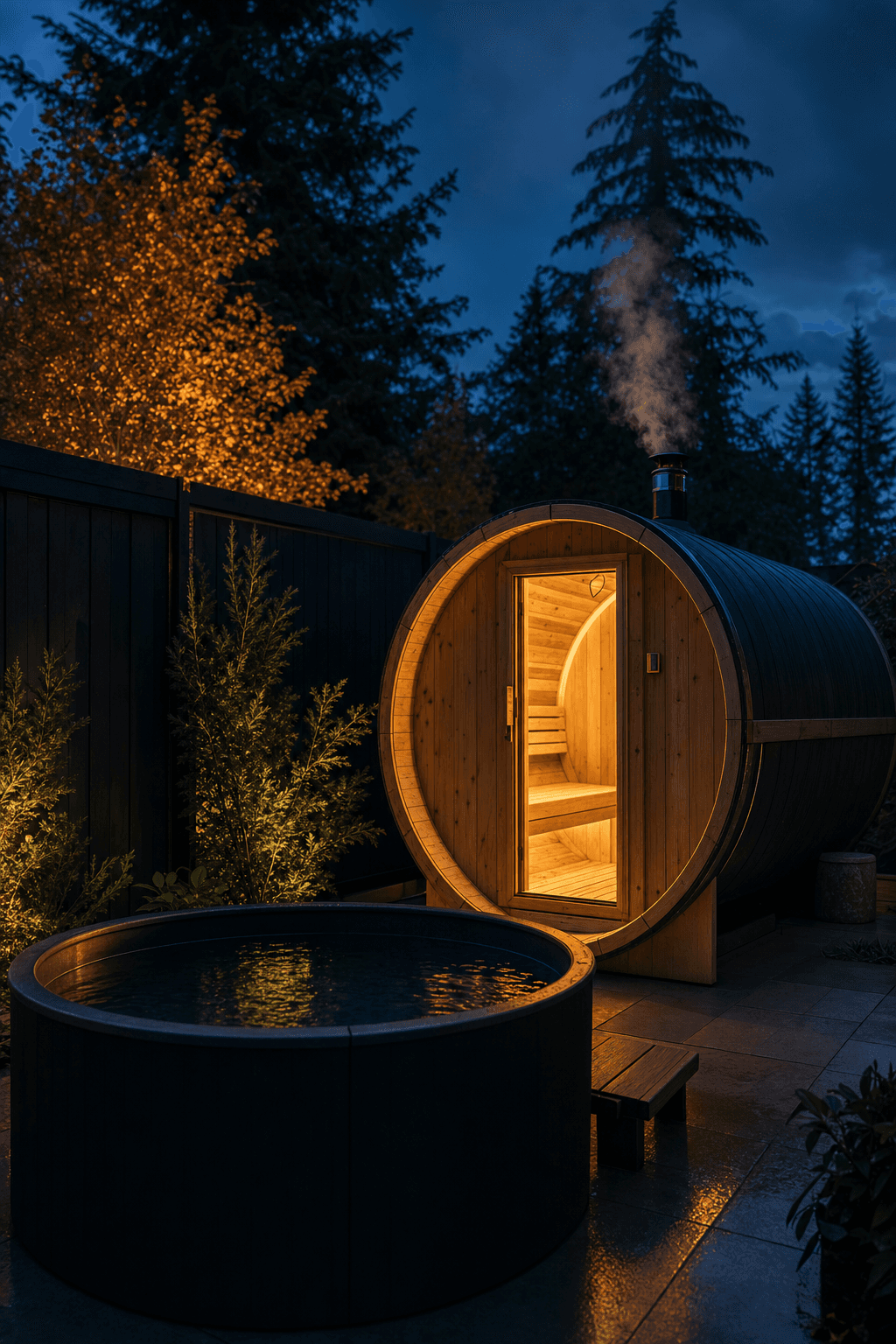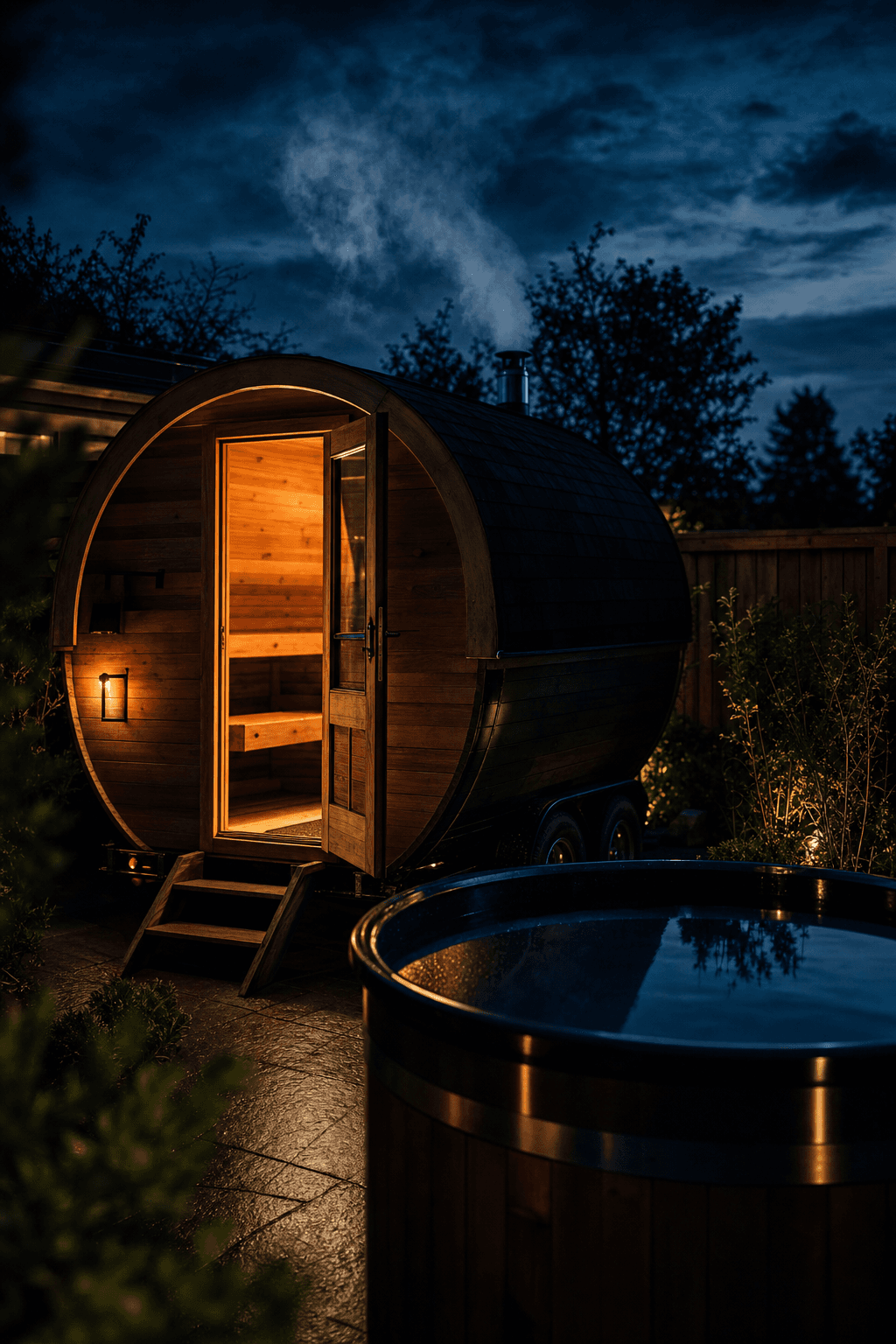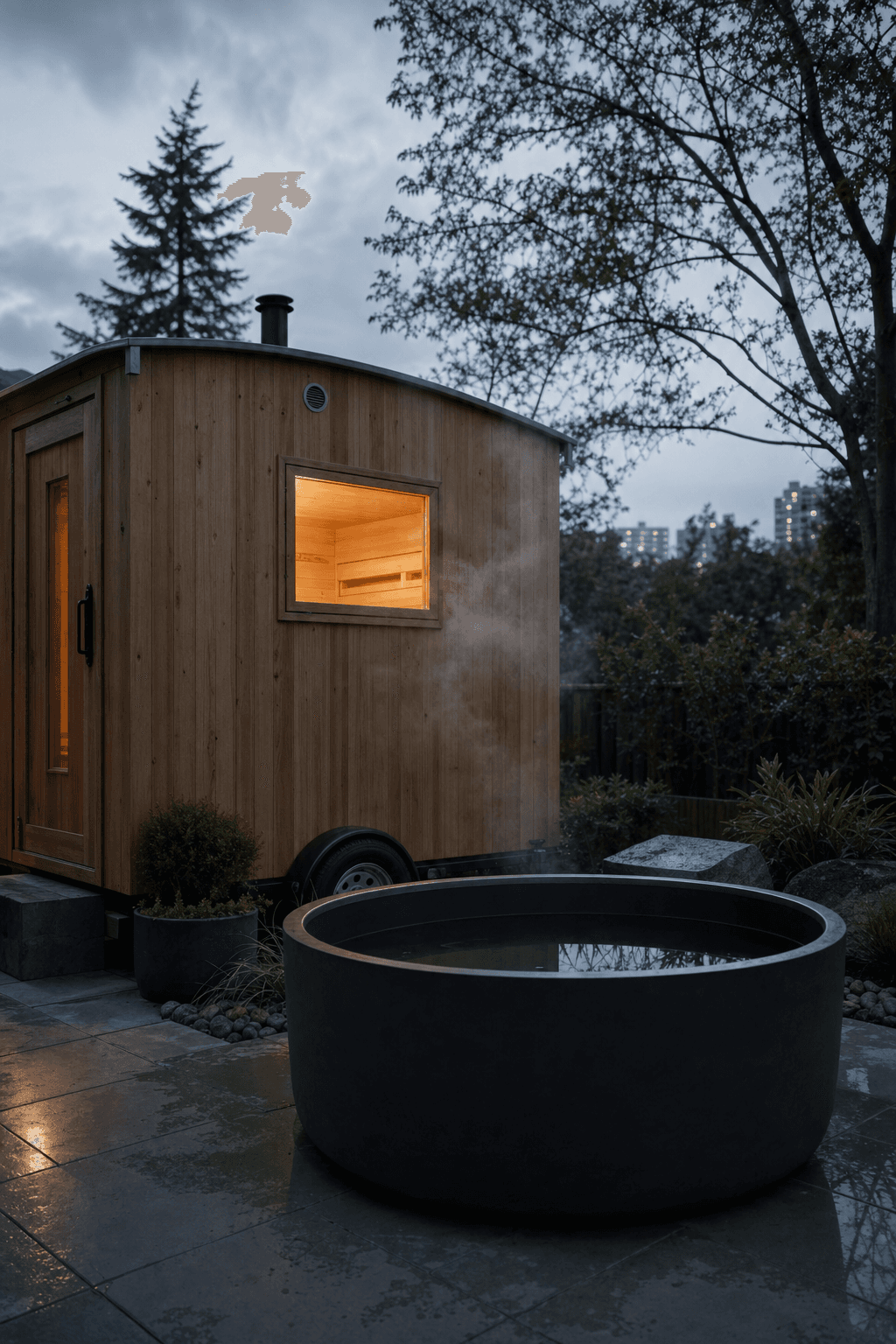
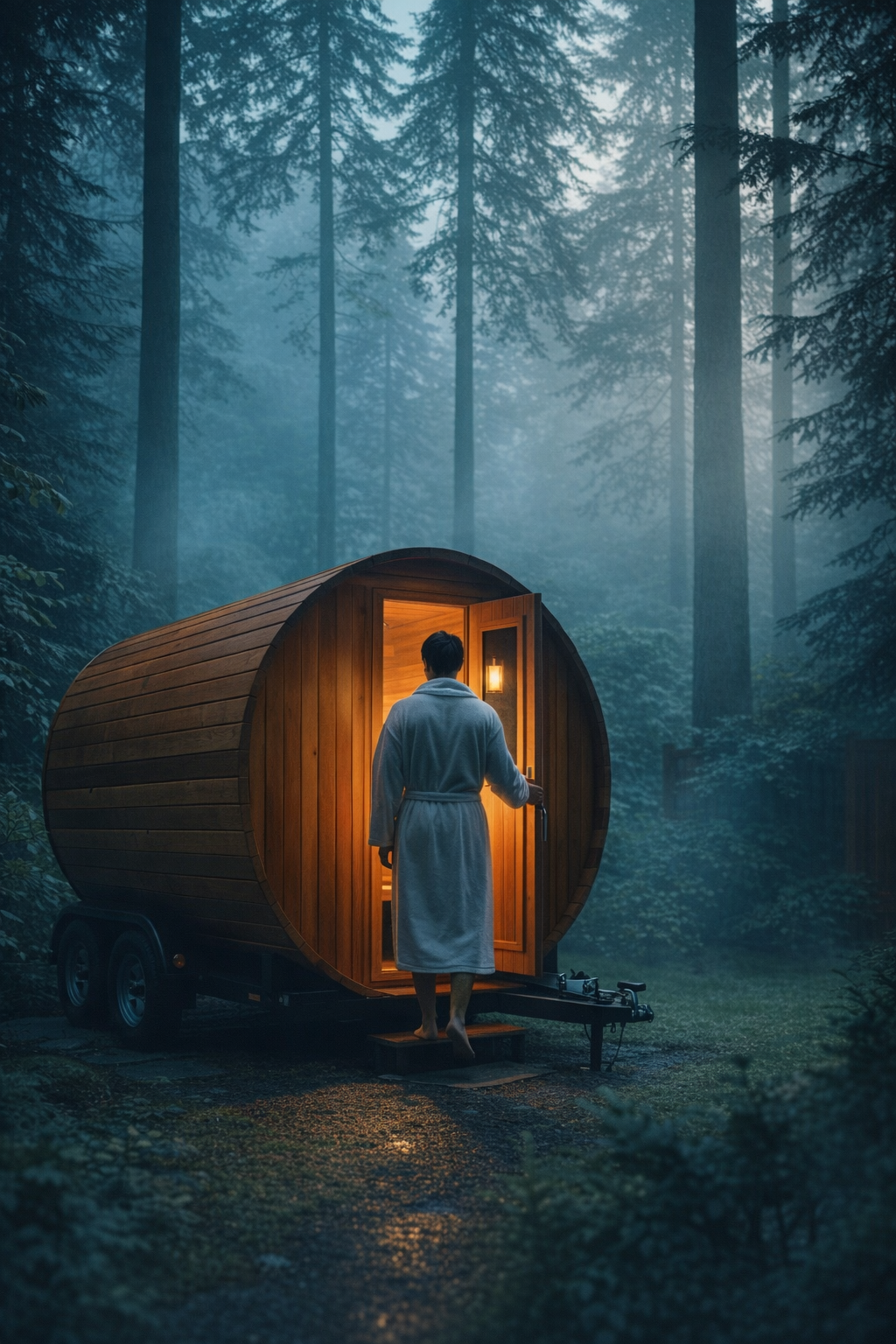
Combining a sauna and cold plunge for sleep improves rest by regulating core body temperature and stimulating the parasympathetic nervous system. Finishing your contrast therapy two to five hours before bed facilitates the natural cooling process that signals your brain it is time for deep, restorative sleep.
For the high performing professional in Vancouver, the day rarely ends when the laptop closes. The cognitive load of a demanding career often manifests as a persistent state of hyperarousal, making deep, restorative sleep feel like an elusive luxury rather than a nightly standard. Standard sleep hygiene frequently falls short for those navigating intense environments. Contrast therapy offers a sophisticated physiological intervention that leverages thermal stress to recalibrate the nervous system. By strategically utilizing the sauna and cold plunge, you can master your internal thermostat to trigger immediate relaxation. This guide examines the precise science of thermoregulation and outlines a specific evening protocol tailored for sleep. You will discover the optimal two hour window for your session, the critical importance of ending on a warm cycle, and how to avoid common pitfalls that could disrupt your recovery.
The Science of Thermoregulation: Why Sauna and Cold Plunge for Sleep Works
Sleep is not merely a mental shift; it is a physiological event driven primarily by thermoregulation. To initiate sleep onset and enter the restorative stages of deep sleep, your core body temperature must drop by approximately two to three degrees Fahrenheit. While this typically happens over several hours as part of your natural circadian rhythm, using a sauna and cold plunge for sleep can strategically accelerate this biological signal.
The process begins in the sauna, which raises your skin and core temperature, forcing blood to the surface through vasodilation. When you transition from the heat to a cold plunge, you trigger a physiological phenomenon known as a thermal dump. Unlike the high-intensity morning plunges designed to spike norepinephrine for alertness, the evening protocol focuses on the rapid expulsion of heat. As you exit the cold water, your body works to stabilize, causing your core temperature to plummet more rapidly and deeply than it would through natural cooling alone.
This rapid cooling acts as a powerful trigger for the parasympathetic nervous system, the rest and digest mode responsible for recovery. This shift away from the sympathetic nervous system, often overstimulated by the high-pressure demands of Vancouver's professional landscape, is essential for mental quietude. Furthermore, the drop in core temperature is a primary catalyst for the release of melatonin, the hormone that regulates your sleep-wake cycle.
At Nordic Edge, we focus on these premium recovery experiences to ensure the body moves from a state of thermal stress into a state of deep thermal relaxation. By manipulating your internal thermostat, you are not just relaxing your muscles; you are biohacking the neurological signals that tell your brain the day is done. If you are ready to optimize your nightly rest, you can book your evening session to begin your own guided protocol.
The Sleep Specific Protocol: Timings and Temperatures
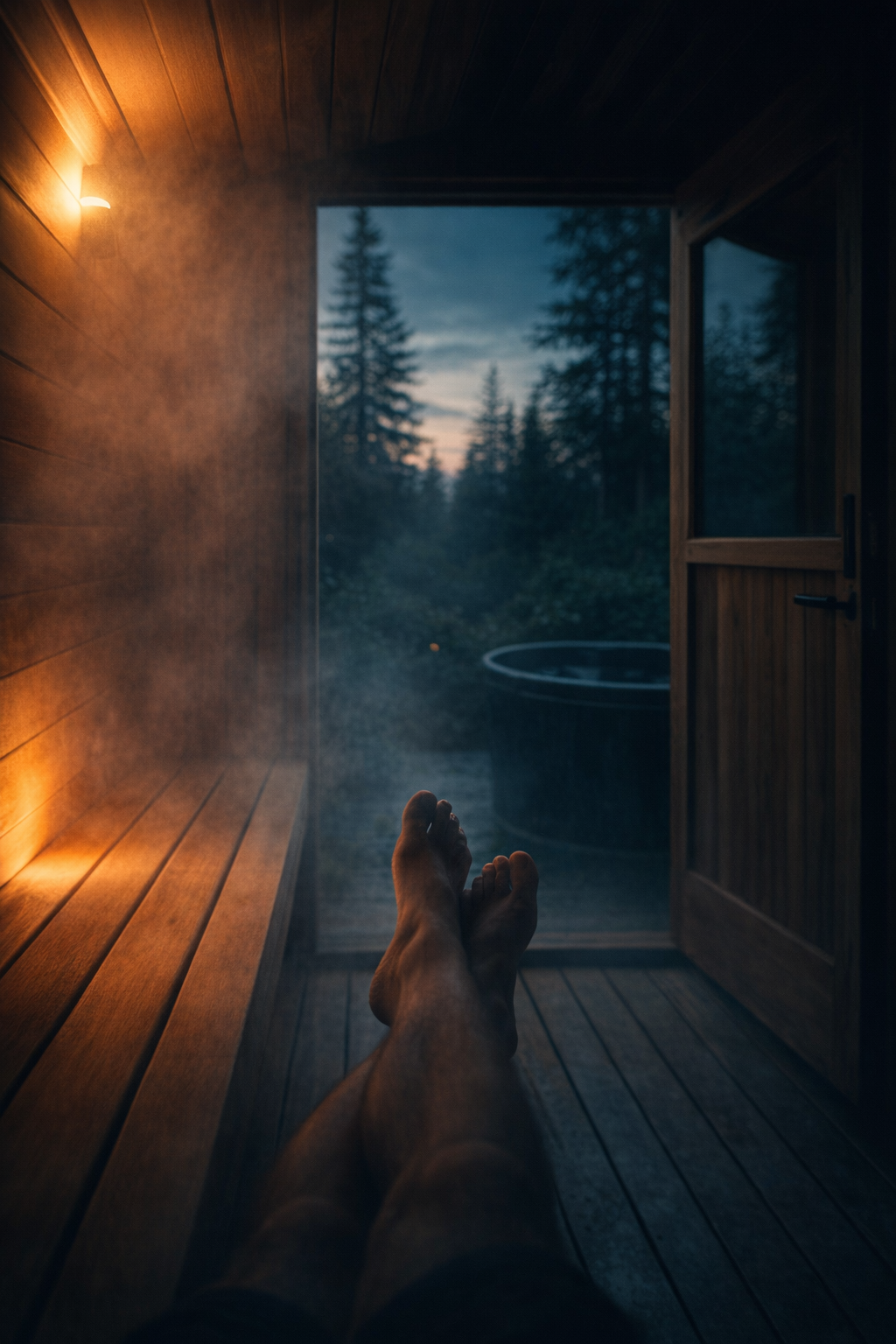
Transitioning from the biological mechanism to a practical routine requires a shift in intensity. While morning sessions are often built around a sharp cold shock response to maximize alertness, the sleep protocol requires a more nuanced approach. The goal is to maximize thermal load in the heat and initiate a controlled cooling phase that signals the brain to begin the wind-down process. At Nordic Edge, we recommend a specific cycle designed to leverage these premium recovery experiences without overstimulating the nervous system.
Start with the sauna. Set the temperature between 80 and 90 degrees Celsius. This range is high enough to induce significant vasodilation and elevate your core temperature, yet sustainable enough for a longer duration. Aim for 15 to 20 minutes. If you are using a traditional wood-fired or electric heater, adding water to the rocks to create steam can help increase the perceived heat and accelerate the sweat response. The objective here is to feel a deep, penetrating heat throughout your muscular system.
The transition to the cold plunge is where most people make mistakes when prepping for bed. For athletic recovery or a morning energy boost, a 2 degree Celsius plunge is effective for spiking norepinephrine. However, for sleep, this level of intensity is counterproductive as it can trigger a 'second wind' of adrenaline. Instead, keep the water between 10 and 12 degrees Celsius. Spend exactly 2 minutes in the water. This temperature is cold enough to trigger the necessary rebound effect without causing the body to enter a high-stress survival mode.
Protocol Element | Sleep-Specific Recommendation |
|---|---|
Sauna Temperature | 80°C to 90°C |
Sauna Duration | 15 to 20 Minutes |
Cold Plunge Temperature | 10°C to 12°C |
Cold Plunge Duration | 2 Minutes |
Total Rounds | 2 to 3 Cycles |
Repeat this cycle two to three times. It is vital to remember that for sleep, the goal is not to stay in the cold until you are shivering. Shivering is a sign of thermogenesis, a process that generates heat and increases metabolic activity, which is exactly what you want to avoid before bed. You are simply looking for a crisp, cooling reset. If you find yourself gasping or shivering, the water is too cold or you have stayed in too long. By staying within these specific parameters, you ensure the body remains in a parasympathetic state. If you are ready to test this routine, you can book your evening session to experience the difference a structured protocol makes.
The Secret Hack for Deep Rest: Why You Should End Warm
While standard athletic recovery protocols often emphasize ending on a cold note to minimize inflammation, the protocol for using a sauna and cold plunge for sleep requires the opposite approach. To achieve the most restorative rest, you should end your session warm. This technique leverages the biological process of vasodilation, where your blood vessels expand and move closer to the skin’s surface. By concluding with a final five minute sauna round or a warm shower, you maintain this dilated state as you move toward your bedroom.
Once you lie down in a cool environment, these open vessels act like a radiator, allowing internal heat to escape the body rapidly. This accelerated cooling is the precise trigger your brain needs to initiate the transition into REM and slow wave sleep. If you end on a cold note, your body undergoes vasoconstriction; your blood vessels tighten to preserve core heat, which can trap warmth inside and delay the temperature drop necessary for sleep onset. By prioritizing heat at the end of your premium recovery experiences, you facilitate a more efficient thermal dump. This ensures your body is not working to reheat itself while you are trying to drift off. To see how this adjustment transforms your sleep quality, you can book your evening session and let our team guide you through the process.
Timing Your Session: The 2 to 3 Hour Window
Timing is just as critical as temperature when optimizing your evening routine. To maximize the benefits of a sauna and cold plunge for sleep, you should aim to conclude your session approximately two to three hours before your intended bedtime. This duration is not arbitrary; it aligns with the body’s natural circadian rhythms. While the contrast session itself involves a period of controlled thermal stress, your body requires this specific buffer to transition into a state of thermal relaxation. During these two hours, your heart rate stabilizes and your metabolic rate slows down, signaling to the brain that the active phase of recovery is complete.
For a professional finishing a high pressure day at a firm in Downtown Vancouver, a session concluding at 7:00 PM provides the perfect window to be asleep by 10:00 PM. This schedule allows the forced digital detox of the sauna to clear mental clutter well before the final wind-down at home. Similarly, weekend warriors returning from a sunset hike in North Vancouver can use this window to flush out lactic acid while simultaneously setting their internal clock for deep rest. This gap ensures that by the time you climb into bed, your core temperature is already on its downward trajectory. To integrate this into your weekly routine, you can book your evening session and bring these premium recovery experiences directly to your home.
From the Office to the Oasis: Managing Stress for Vancouver Professionals
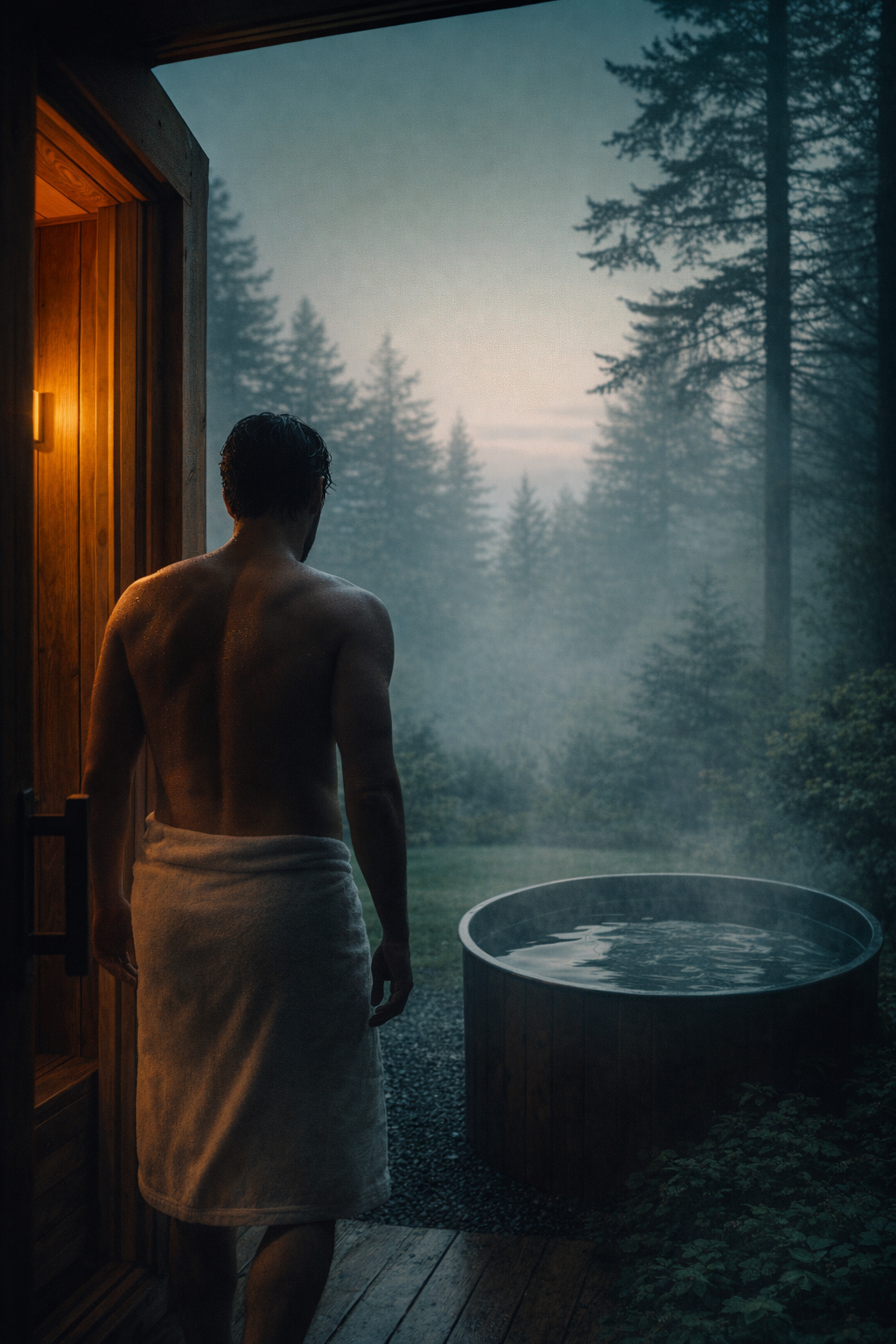
Vancouver professionals operating within the high pressure corridors of the tech and finance sectors often face a relentless "always on" culture. This persistent mental load, compounded by the city's notorious grey winter months, creates a state of chronic sympathetic nervous system activation that is difficult to switch off. While the standard response to a grueling week might be a gathering at a Gastown cocktail bar, alcohol is a known disruptor of sleep architecture. Even a single drink can lead to fragmented rest, elevated nighttime heart rate, and significantly reduced REM cycles. Transitioning to a model of social wellness allows for the same interpersonal connection without the physiological cost.
Utilizing a mobile sauna at your residence provides a forced digital detox that is nearly impossible to achieve in a modern office or home environment. Within the cedar walls, there is no place for smartphones or notifications; the environment demands physical and mental presence. This mental shift is a crucial component of using a sauna and cold plunge for sleep. It replaces the blue light of a laptop screen with the soft, ambient glow of a heater, signaling to the brain that the workday has officially concluded.
Unlike the sedentary nature of the traditional social scene, these premium recovery experiences actively flush cortisol from your system. By choosing contrast therapy over a nightcap, you avoid the spike in core temperature and metabolic stress associated with alcohol. Instead, you lean into a ritual that prepares the body for deep, restorative rest. For those ready to swap the evening commute stress for a private sanctuary, you can book your evening session to begin your transition from the office to the oasis.
Common Pitfalls to Avoid Before Bed
While implementing a sauna and cold plunge for sleep is a powerful tool, certain tactical errors can quickly reverse the restorative benefits. The most common mistake is approaching the evening session with an athletic challenge mindset. Pushing for record durations in the water or dropping the temperature to near freezing triggers a significant spike in norepinephrine and cortisol. This hormonal surge provides a second wind of energy that can leave you staring at the ceiling for hours rather than drifting into deep rest. Keep the intensity moderate; the goal is a gentle nudge to the nervous system, not a survival response.
Proper hydration requires more than just high water intake. Intense sweating in the sauna flushes essential minerals like magnesium and potassium from your system. To avoid nighttime leg cramps or an elevated resting heart rate, supplement your water with high quality electrolytes before and after your session.
Pitfall | Consequence | Professional Adjustment |
|---|---|---|
Cold Water Grinding | Adrenaline spike and alertness | Limit plunge to 2 minutes at 10°C |
Pure Water Only | Electrolyte imbalance and cramping | Add magnesium and sodium to fluids |
High Intensity Plunge | Cortisol elevation | Focus on relaxation over endurance |
Safety remains paramount for these premium recovery experiences. The thermal stress of contrast therapy puts specific demands on the heart. If you have any underlying cardiovascular concerns, consult with a medical professional before starting this protocol. When you are ready to refine your routine under expert guidance, you can book your evening session to ensure every variable is optimized for your health and sleep.
Mastering the contrast of heat and cold is a powerful way for Vancouver professionals to reclaim their sleep quality. By carefully timing your evening sessions, you allow your nervous system to downshift and your core temperature to drop naturally. While these principles are straightforward, implementing them into a busy lifestyle can be challenging. If you want expert help designing a routine or space that fits your specific needs, you can learn more about our approach to high-performance recovery.