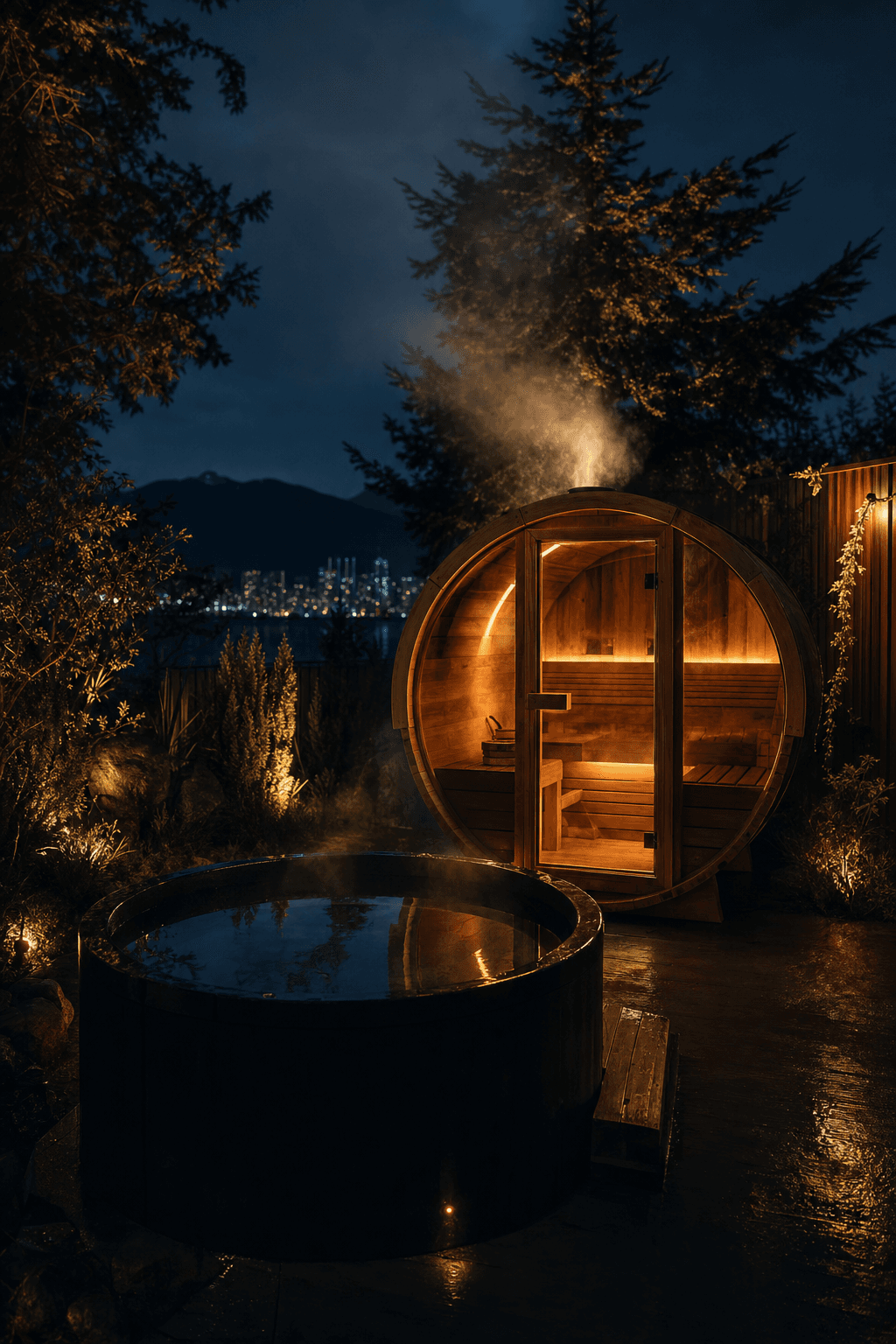
Implementing a sauna cold plunge skiing snowboarding recovery Vancouver protocol reduces muscle inflammation and enhances circulation to accelerate physical repair after a day on the slopes. This contrast therapy effectively flushes metabolic waste and eases joint soreness, allowing winter sports enthusiasts to maintain peak performance throughout the season.
After a grueling day carving through the heavy snow at Whistler or navigating the icy steeps of Cypress Mountain, the physical toll is undeniable. Your quads burn; your calves feel tight; and that familiar ache in your lower back threatens to derail tomorrow’s plans. For the dedicated Vancouver athlete, simple rest is rarely sufficient to combat the intense inflammatory response triggered by steep descents and sub-zero temperatures. Understanding how to leverage thermal extremes is the difference between a one day outing and a full weekend of peak performance. This guide explores the scientific synergy between sauna heat and cold water immersion for rapid muscle repair. We will detail specific protocols for leg soreness, discuss methods for targeting the sciatic nerve, and explain how mobile recovery services bring professional grade equipment directly to your door for the ultimate après-ski experience.
The Science of the Burn: Why Vancouver Skiers and Riders Face Unique Recovery Challenges
Vancouver skiers and riders navigate some of the most demanding terrain in North America. A day carving through the heavy "Coast Cement" on Cypress, Grouse, or Seymour subjects the lower body to extreme physiological stress, primarily through eccentric loading. During a descent, your muscles act as brakes, lengthening under significant tension to control speed and stabilize the body against gravity. Research indicates that professional alpine athletes absorb forces equivalent to 2.5 times their body weight during high intensity runs. While local weekend warriors may not reach World Cup speeds, their quads, glutes, and calves experience comparable proportional strain, leading to microscopic muscle fiber tears.
This mechanical damage triggers an inflammatory response that typically peaks 24 to 48 hours after you leave the mountain. This window of delayed onset muscle soreness (DOMS) is when professional grade intervention becomes critical. The recovery challenge is compounded by the gear itself. The rigid, constrictive nature of ski boots creates a mechanical bottleneck, significantly reducing blood flow to the feet and lower calves for hours at a time. This localized ischemia necessitates targeted vascular stimulation to restore oxygen delivery and clear metabolic byproducts that accumulate during a long day on the slopes.
For professionals seeking premium recovery experiences to maintain their performance throughout the season, understanding this physiological tax is the first step. Effectively managing the aftermath of a weekend in the North Shore mountains requires more than just passive rest. Utilizing a dedicated sauna cold plunge skiing snowboarding recovery Vancouver protocol helps mitigate this systemic inflammation. By opting for mobile sauna rentals, local athletes can address these unique challenges immediately at home, ensuring they are ready to book your recovery session and return to the office or the mountains without the lingering fatigue of the previous day’s descent.
Sauna or Cold Plunge: Which is Better for Post Ski Leg Soreness?
Determining which modality is superior for post-ski fatigue often leads to a debate between heat and cold. To optimize recovery, it is essential to understand that these two tools serve distinct physiological functions. Cold immersion functions as the inflammation killer. By inducing rapid vasoconstriction, cold water reduces the swelling associated with the micro-tears sustained during eccentric loading on steep North Shore runs. This process effectively shuts down the inflammatory response before it peaks, providing immediate relief for the deep aches in the lower limbs.
Conversely, the sauna acts as a powerful circulation booster. The intense heat causes vasodilation, expanding blood vessels to deliver oxygen-rich blood to muscles that have been starved of nutrients due to high exertion and constrictive gear. This increased blood flow helps flush the metabolic waste that accumulates after a day on the Sea to Sky corridor.
Choosing one over the other overlooks the synergistic benefits of a combined approach. For those prioritizing a sophisticated sauna cold plunge skiing snowboarding recovery Vancouver protocol, the gold standard is not a single treatment but a sequenced combination. Integrating these premium recovery experiences allows you to address both mechanical damage and circulatory bottlenecks. By utilizing mobile sauna rentals upon your return to Vancouver, you can leverage contrast therapy to reset your system. This proactive approach ensures you are prepared to book your recovery session and maintain peak performance throughout the winter season.
The Ultimate Contrast Therapy Protocol for Rapid Après Ski Recovery
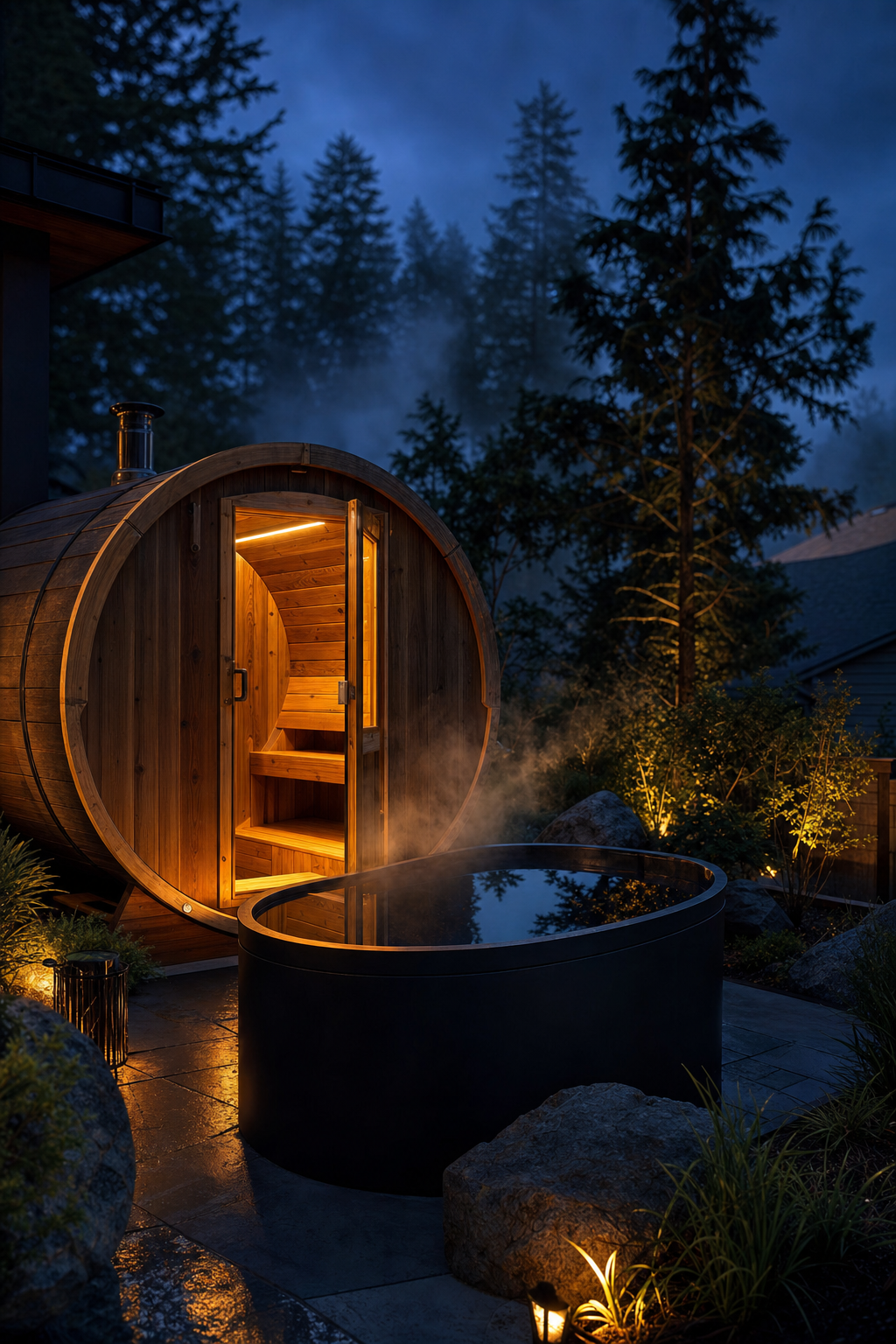
To achieve peak physiological restoration after a day on the slopes, the sequence of application is as critical as the modalities themselves. Nordic Edge recommends a specific "Skiers Protocol" that prioritizes deep thermal penetration followed by rapid cooling. This method triggers a Vascular Flush, a biological pumping mechanism that is essential for clearing the metabolic debris accumulated during high intensity runs on Blackcomb or Cypress.
The protocol begins with a 15 to 20 minute session in the sauna. While standard wellness sessions might be shorter, skiers and riders require extended heat exposure to ensure the thermal energy penetrates the dense muscle tissue of the quads and glutes. This phase induces systemic vasodilation, where blood vessels expand and heart rate increases, pushing oxygenated blood into the deepest layers of fatigued muscle. This is the optimal time for premium recovery experiences to take effect, as the heat begins to soften the connective tissues hardened by cold mountain air and rigid boots.
Immediately following the heat, transition into a 2 to 3 minute cold plunge. This causes rapid vasoconstriction, which forcefully squeezes the blood vessels and drives fluid back toward the core. This alternating pump effectively flushes lactic acid and inflammatory markers out of the legs. To maximize the benefits of a sauna cold plunge skiing snowboarding recovery Vancouver routine, repeat this cycle two to three times.
Protocol Phase | Duration | Primary Physiological Goal |
|---|---|---|
Deep Heat (Sauna) | 15-20 Minutes | Vasodilation; oxygen delivery to deep quads and glutes. |
Cold Immersion | 2-3 Minutes | Vasoconstriction; flushing metabolic waste and inflammation. |
Rest and Rehydrate | 5-10 Minutes | Nervous system stabilization and fluid replenishment. |
By utilizing mobile sauna rentals upon your return to the city, you can execute this professional grade sequence in a private, controlled environment. If you are ready to accelerate your return to peak form, you can book your recovery session to ensure your legs are ready for the next powder day.
How to Recover from Skiing Leg Soreness Overnight
Maximizing the body's natural repair window requires strategic intervention before sleep. Most muscle tissue regeneration occurs during the deep stages of the sleep cycle, when the endocrine system releases growth hormones to mend the micro-tears caused by a day on the slopes. Implementing a sauna cold plunge skiing snowboarding recovery Vancouver protocol in the evening serves as a powerful signal to the autonomic nervous system. While the day's exertion keeps the body in a high-alert sympathetic state, the deliberate transition between extreme heat and cold helps trigger the parasympathetic nervous system, lowering the resting heart rate and preparing the brain for restorative rest.
Hydration is a non-negotiable component of this overnight success. Mountain air is notoriously dry, and the physiological demands of navigating heavy snow quickly deplete internal reservoirs. When coupled with a few celebratory drinks at a Whistler lodge or along the Sea to Sky highway, the body faces a significant hydration deficit that can exacerbate morning stiffness. Consuming electrolyte-rich fluids during and after premium recovery experiences ensures that cells remain plump and functional, allowing for efficient nutrient transport to exhausted quads. By scheduling mobile sauna rentals for your return to the city, you can facilitate this biological reset in your own driveway. This targeted approach allows you to book your recovery session with the confidence that you will wake up with the mobility required for another day of high-performance activity.
Targeting the Trouble Zones: Quads, Calves, and the Sciatic Nerve
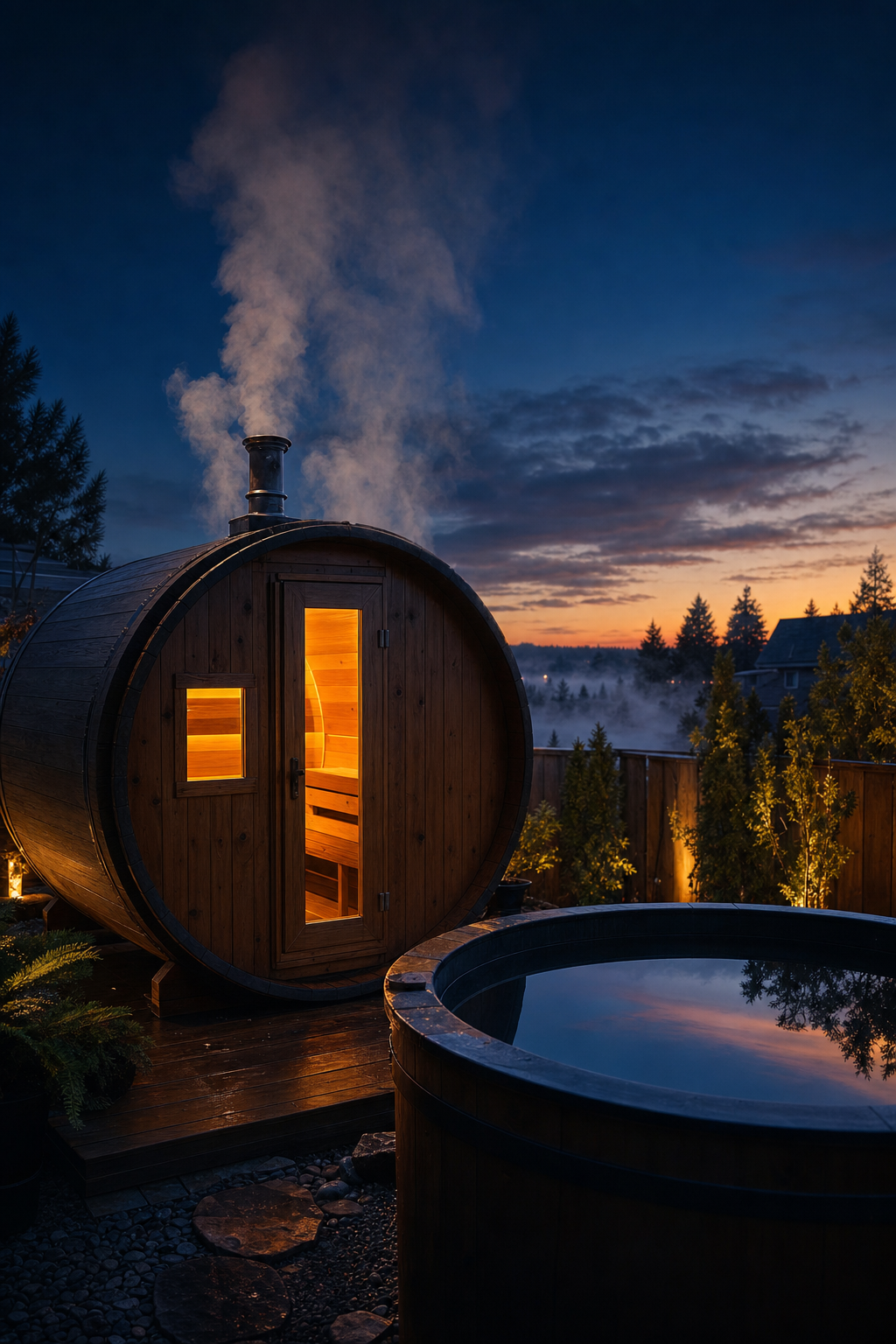
The quads and glutes serve as the primary braking system during a high intensity descent on Cypress or Whistler, absorbing repetitive eccentric loads. To address the resulting micro-tears, the cold plunge phase is non-negotiable. Submerging to the waist for three minutes effectively shuts down the inflammatory cascade that causes deep, localized pain the following morning. This rapid cooling constricts the vasculature; it prevents the swelling that typically follows a day of heavy carving through dense Coast Cement.
For the calves and feet, which endure hours of restricted blood flow within rigid boots, the sauna phase offers a vital window for restoration. While inside the heat, perform gentle ankle circles and toe extensions. This active movement, combined with the vasodilation induced by the high-temperature environment, helps re-oxygenate the lower limbs and reverse the ischemic effects of tight gear. This targeted approach is a cornerstone of premium recovery experiences designed for the specific demands of North Shore terrain.
Snowboarders often face unique challenges, specifically sciatic discomfort triggered by the constant twisting and asymmetrical stance required for edge control. Applying a targeted sauna cold plunge skiing snowboarding recovery Vancouver protocol helps soothe the deep piriformis and lower back muscles. The intense heat allows these tissues to relax, releasing pressure on the sciatic nerve before it translates into chronic stiffness. By utilizing mobile sauna rentals upon your return to the city, you can address these anatomical stressors immediately. Once your gear is stowed, you can book your recovery session to ensure these trouble zones do not dictate your performance for the rest of the week.
Bringing the Spa to Your Chalet: The Nordic Edge Mobile Advantage in Vancouver
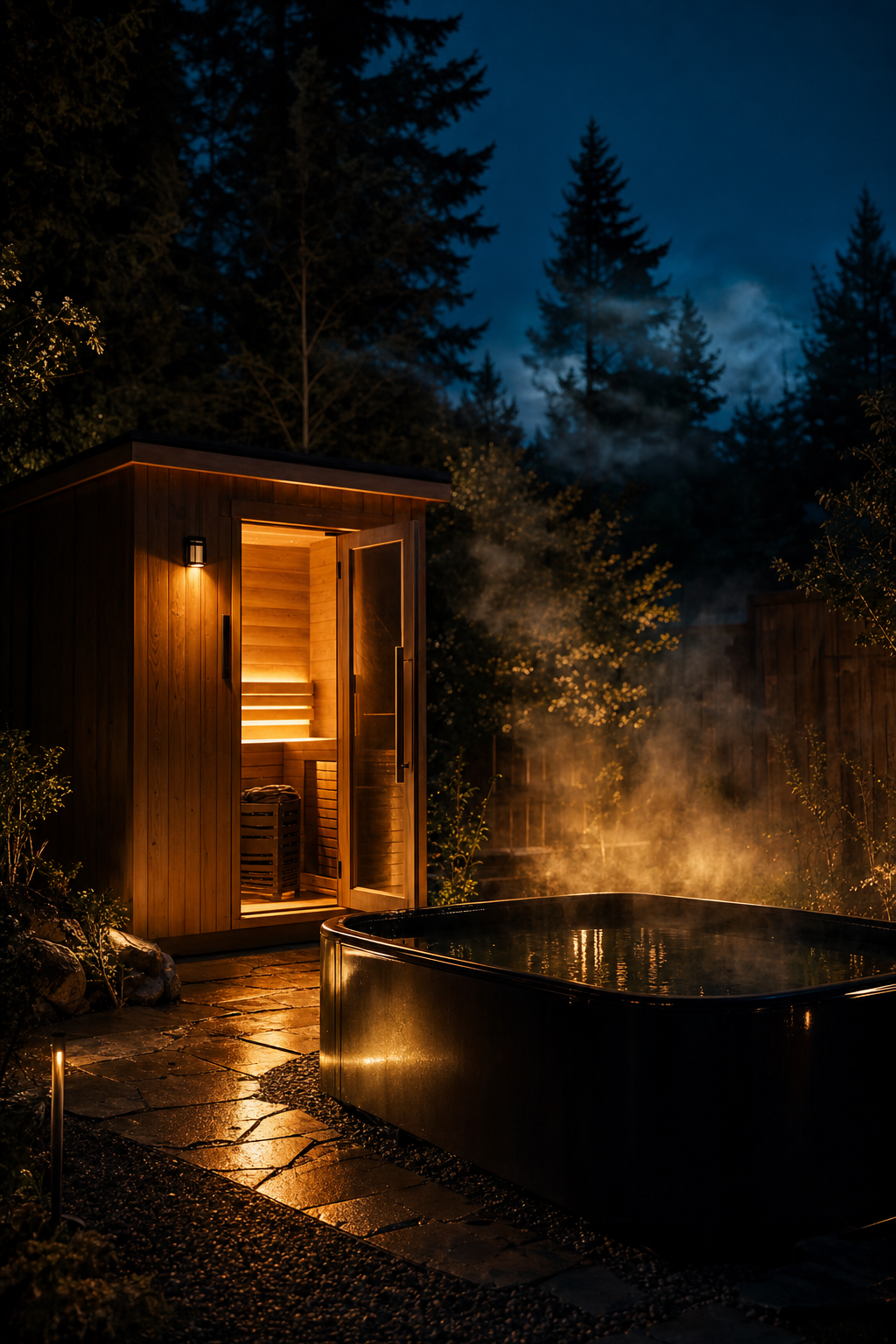
Addressing these physiological trouble zones effectively requires an environment that matches the intensity of the recovery protocol. While mountain resorts offer communal spa facilities, these public spaces often lack the tranquility and sanitation standards required for true rejuvenation after a grueling weekend. The logistics of navigating a crowded locker room or sharing a plunge pool with dozens of tourists can elevate stress levels, counteracting the nervous system down-regulation essential for muscle repair.
The Nordic Edge mobile service eliminates these friction points by delivering professional grade equipment directly to your residence. For professionals in Kitsilano, North Vancouver, or West Vancouver, this means your sauna cold plunge skiing snowboarding recovery Vancouver routine begins the moment you pull into your driveway. There is no need to extend your time away from home or navigate the post-ski crowds on the Sea to Sky Highway. Instead, a custom-built sauna and a precision-chilled cold plunge are prepared on-site, providing a private sanctuary for deep tissue restoration.
This shift from a public facility to a mobile, home-based setup transforms recovery from a chore into a seamless extension of your lifestyle. These premium recovery experiences are designed to offer the same caliber of treatment used by elite athletes, but with the exclusivity of your own property. By choosing mobile sauna rentals, you ensure that your recovery is uninterrupted, hygienic, and specifically timed to your body’s needs. Once you return to the city, you can simply book your recovery session and let the spa come to you, ensuring you are fully restored for the work week ahead.
Safety Considerations for Post Slope Recovery
Achieving a state of total restoration requires a measured approach to safety. While the temptation is to jump straight into the heat upon returning from the North Shore, your cardiovascular system needs a stabilization period. After hours of eccentric loading and cold exposure, your heart rate and core temperature are often in a state of flux. You should wait until your resting heart rate has returned to its baseline before beginning the sauna phase of your sauna cold plunge skiing snowboarding recovery Vancouver protocol.
Regarding the frequent question of how long you should wait to cold plunge after a workout, the primary indicator is your level of physical exhaustion. If you are showing signs of systemic fatigue or shivering, avoid immediate extreme cold immersion. Your body requires sufficient metabolic energy to manage the intense thermogenic response triggered by the water. Once your breathing is calm and your heart rate has settled, typically thirty to sixty minutes after your final run, you can safely engage in premium recovery experiences. Ensuring you are well hydrated and physically stable before utilizing mobile sauna rentals prevents dizziness and maximizes the vascular benefits. When you are ready to prioritize a safe, professional grade reset, you can book your recovery session to finish your weekend on a high note.
In summary, combining the sauna with a cold plunge offers a powerful recovery toolset for Vancouver and Whistler winter athletes. This contrast therapy reduces soreness and resets the nervous system after demanding mountain days. If you want expert help building a personalized routine that optimizes these benefits, you can read more about our team at Nordic Edge. We are dedicated to helping you achieve your physical goals through professional recovery methods.