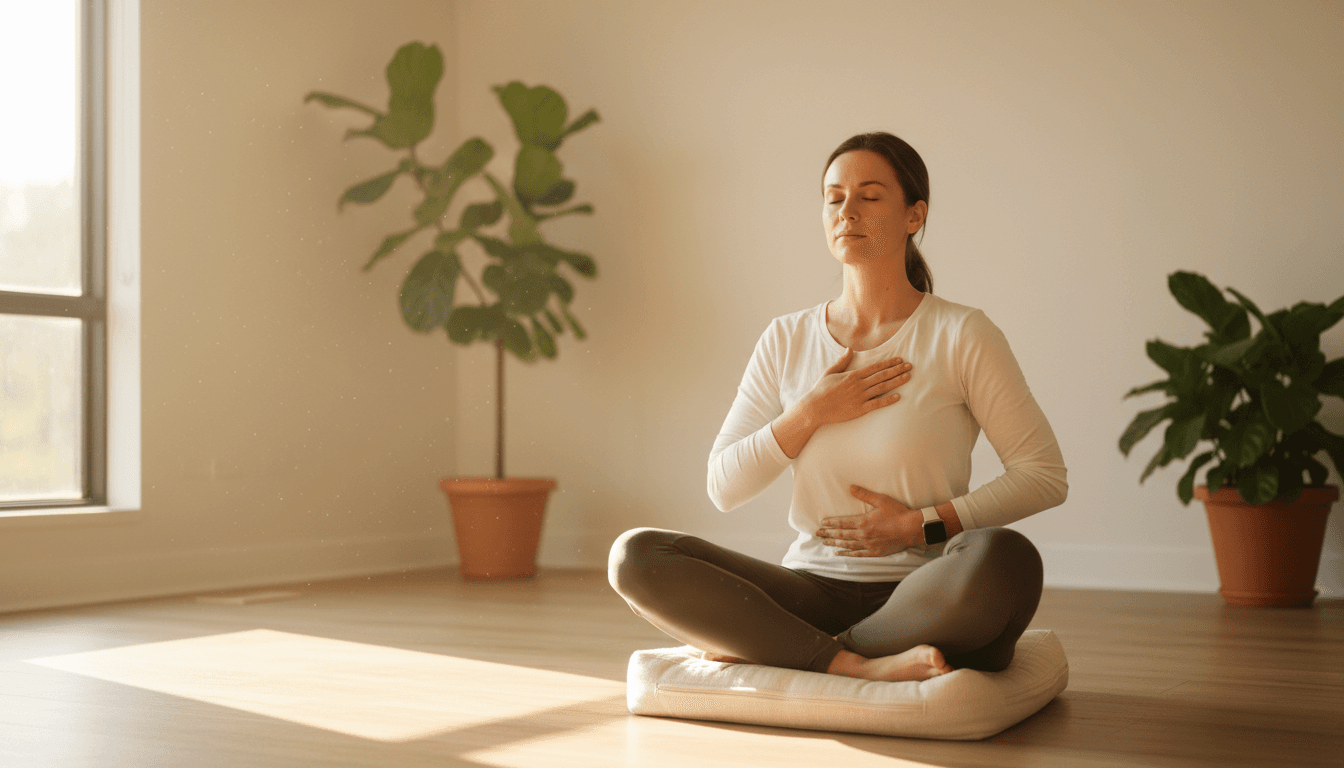
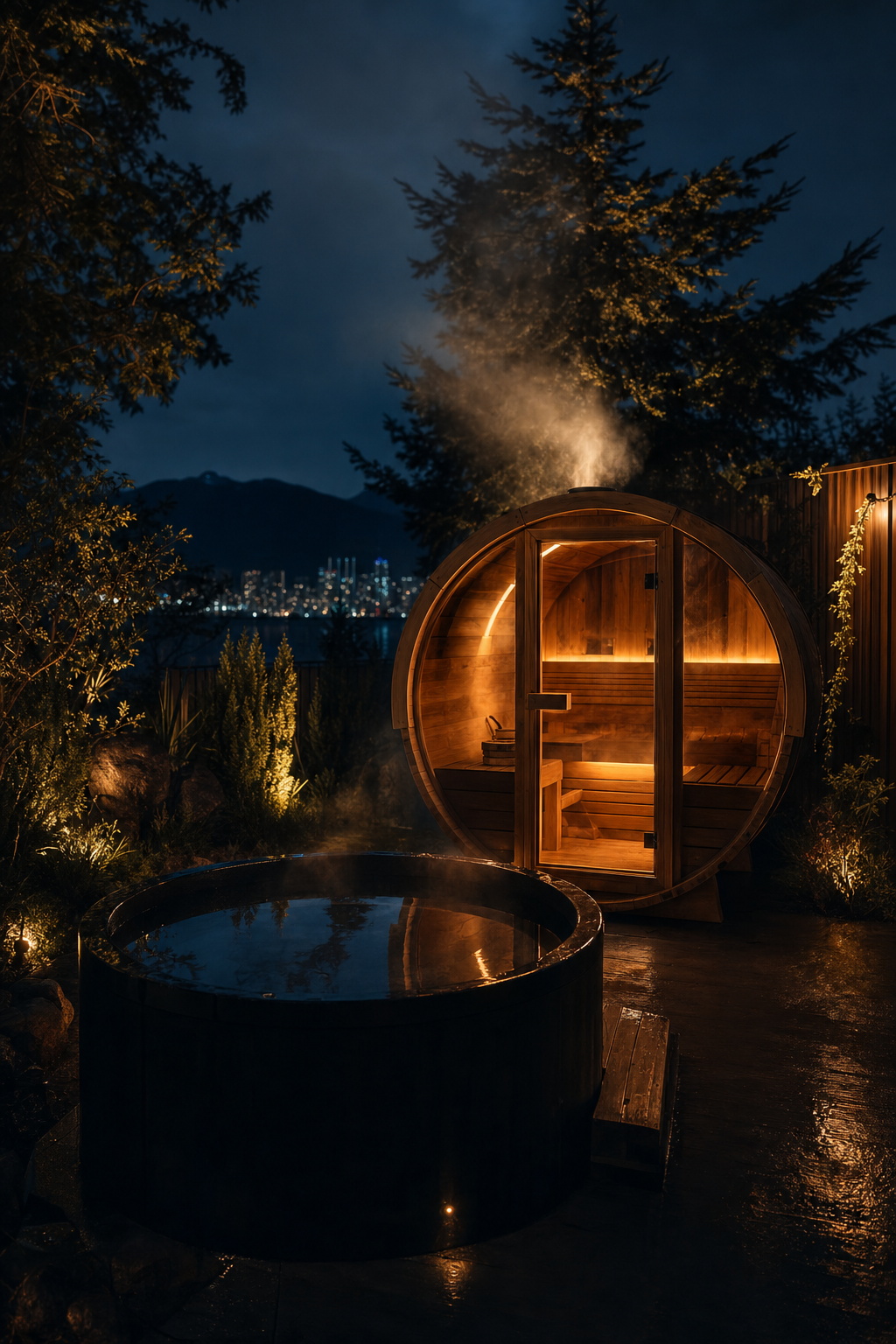
Combining a sauna cold plunge seasonal affective disorder Vancouver routine helps alleviate winter depression by boosting endorphins and lowering cortisol levels. This contrast therapy strengthens the nervous system and improves cold tolerance; as a result, it effectively counters the low energy and mood shifts common during the Pacific Northwest's dark winter months.
As the persistent grey of a Vancouver November settles over the city, the lack of natural sunlight often translates into more than just a gloomy commute; it triggers a profound physiological shift known as Seasonal Affective Disorder. For the high-performing professional, this seasonal dip manifests as persistent brain fog, diminished motivation, and a heavy sense of lethargy that caffeine alone cannot resolve. Understanding how to counteract these biological shifts is essential for maintaining peak cognitive performance during the darkest months of the year. This guide explores the sophisticated science of contrast therapy, detailing how the strategic alternating between extreme heat and cold can recalibrate your nervous system. You will learn how sauna sessions and cold plunges stimulate vital neurotransmitters like dopamine and serotonin, along with a practical winter wellness protocol designed to help you reclaim your mental clarity amidst the West Coast rain.
Understanding Seasonal Affective Disorder in Vancouver: The Rain City Reality
In Vancouver, the transition from the golden hours of September to the pervasive grey of November marks more than just a change in wardrobe. The Rain City phenomenon brings a distinct shift in mental well-being known as Seasonal Affective Disorder (SAD). While the winter blues might involve a temporary dip in mood or a desire to hibernate on a rainy Sunday, clinical SAD is a recurrent type of depression triggered by the drastic reduction in sunlight. In British Columbia, this is exacerbated by persistent cloud cover that often lingers until March; this effectively blocks the minimal UV rays available at our northern latitude.
For high performance professionals in downtown Vancouver or the tech hubs of Mt Pleasant, this lack of light translates into tangible productivity losses. The circadian rhythm, which relies on light cues to regulate sleep and energy, becomes disrupted. This leads to symptoms like persistent lethargy, brain fog, and a heavy, leaden feeling in the limbs. When the workday is spent under artificial office lights while the outside world remains a muted charcoal, the body loses its natural rhythm. Integrating a sauna cold plunge for seasonal affective disorder in Vancouver has become a vital strategy for those battling this persistent lack of sunlight.
Moving beyond basic coping mechanisms toward a proactive recovery protocol is essential for maintaining peak performance during the darker months. Utilizing specialized tools like those offered through Nordic Edge services can help bridge this seasonal gap. Acknowledging that these feelings are a biological response to our specific geographic climate is the first step toward implementing physiological interventions that reclaim mental clarity and physical vitality.
The Science of Contrast Therapy for Mental Health
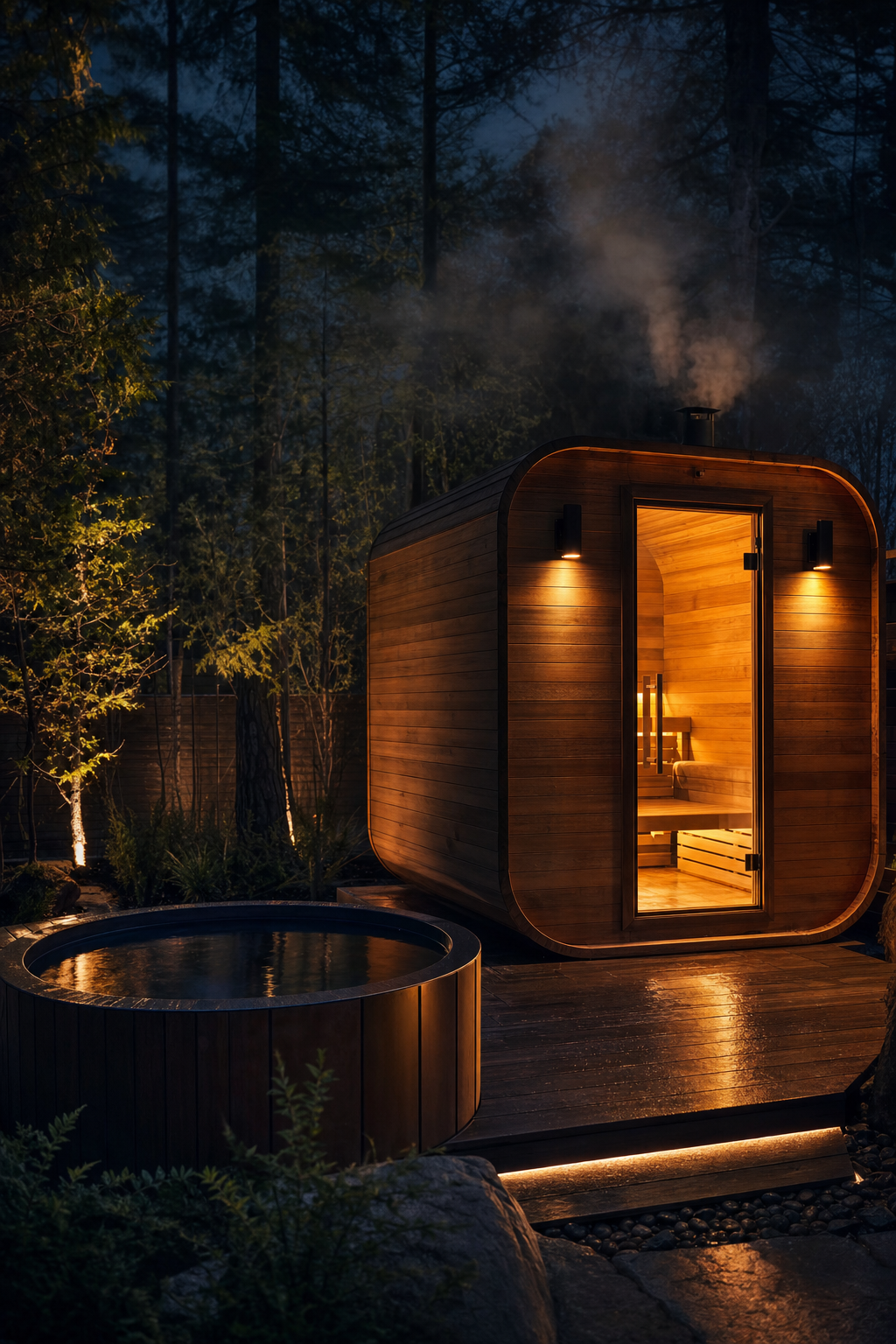
Reclaiming mental health in the depths of a coastal winter requires more than just a cozy environment. While a sauna provides immediate relief from the damp Vancouver chill, the true clinical value for mood regulation lies in contrast therapy: the deliberate alternation between extreme heat and cold. This process leverages a biological principle known as hormesis. Hormetic stress involves exposing the body to controlled, short term stressors that trigger a robust cascade of protective and restorative cellular responses.
The efficacy of this method surpasses heat-only treatments because of the unique neurochemical reset provided by the cold plunge. While the sauna helps lower systemic cortisol, the hormone primarily responsible for stress, the subsequent cold immersion acts as a powerful stimulus for the brain's reward system. Research indicates that immersion in water around 14°C can lead to a 250 percent increase in plasma dopamine levels. Unlike the fleeting spikes associated with caffeine or sugar, this dopamine increase is sustained, often providing an elevated baseline for several hours. This biological surge is a natural antidote to the lethargy and low motivation often targeted by those seeking a sauna cold plunge seasonal affective disorder Vancouver protocol.
Furthermore, the rapid transition between temperatures forces the vascular system to oscillate between dilation and constriction. This vascular gymnastics improves circulation and oxygenation to the brain while simultaneously triggering the release of beta-endorphins, the same chemicals responsible for the runner's high. For professionals utilizing Nordic Edge services, this shift moves the needle from passive winter survival to active cognitive optimization. By suppressing cortisol and flooding the system with norepinephrine and dopamine, contrast therapy provides a physiological foundation for mental resilience that light boxes alone cannot match. It transforms the body's internal environment, replacing the seasonal brain fog with a sharp, energized state of presence.
Neurotransmitter Boost: Dopamine, Serotonin, and Norepinephrine
The immediate mental clarity experienced after a cold plunge is driven by a massive surge in norepinephrine. Clinical data shows that immersion in cold water can trigger a 200 to 300 percent increase in this neurotransmitter. Norepinephrine functions as both a hormone and a chemical messenger that directly influences vigilance, focus, and mood. For professionals navigating the mid afternoon lethargy typical of a rainy November day, this spike clears the mental cobwebs associated with seasonal depression. It acts as a natural stimulant, sharpening cognitive function and providing the drive needed to maintain high performance when external light is scarce.
Complementing the cold shock, the sustained heat of the sauna targets serotonin, the neurotransmitter most sensitive to Vancouver’s seasonal light deficit. Serotonin regulates sleep cycles and emotional stability, yet its production often stalls during the dark months. Utilizing Nordic Edge services to elevate core body temperature helps stimulate the synthesis of this essential chemical. When these shifts occur, the "big three" cocktail of norepinephrine, serotonin, and dopamine creates a synergistic effect that dismantles the physiological roots of brain fog. Mastering a sauna cold plunge seasonal affective disorder Vancouver protocol provides a reliable, data backed method to override the biological slump caused by our northern latitude.
Sauna Benefits: Mimicking the Sun and Reducing Cortisol
The persistent dampness of a Vancouver winter often leads to a deep, skeletal chill that standard indoor heating fails to penetrate. While a sauna does not replace the UV exposure required for Vitamin D synthesis, the intense thermal stimulus effectively mimics the physiological warmth of a mid July afternoon. This heat acts as a powerful surrogate for the sun, addressing the specific body chill often reported by those suffering from SAD. By raising the core temperature, the body triggers a vasodilation response that mimics the relaxed, expansive feeling of summer, providing immediate sensory relief from the oppressive grey skies of British Columbia.
For high performance professionals navigating the Q4 year end rush, the primary benefit lies in the shift from sympathetic to parasympathetic dominance. Chronic stress keeps the body in a perpetual fight or flight state, which depletes energy and exacerbates depressive symptoms. The deep heat of the sauna facilitates a transition into rest and digest, significantly lowering systemic cortisol levels. Utilizing a sauna cold plunge seasonal affective disorder Vancouver strategy allows the nervous system to recalibrate. Through Nordic Edge services, this thermal intervention provides a controlled environment to down regulate the nervous system, offering a physiological sanctuary that helps mitigate the exhaustion common in Mt Pleasant’s tech sectors and downtown finance offices.
The Cold Plunge: Shifting the Nervous System and Beating Brain Fog
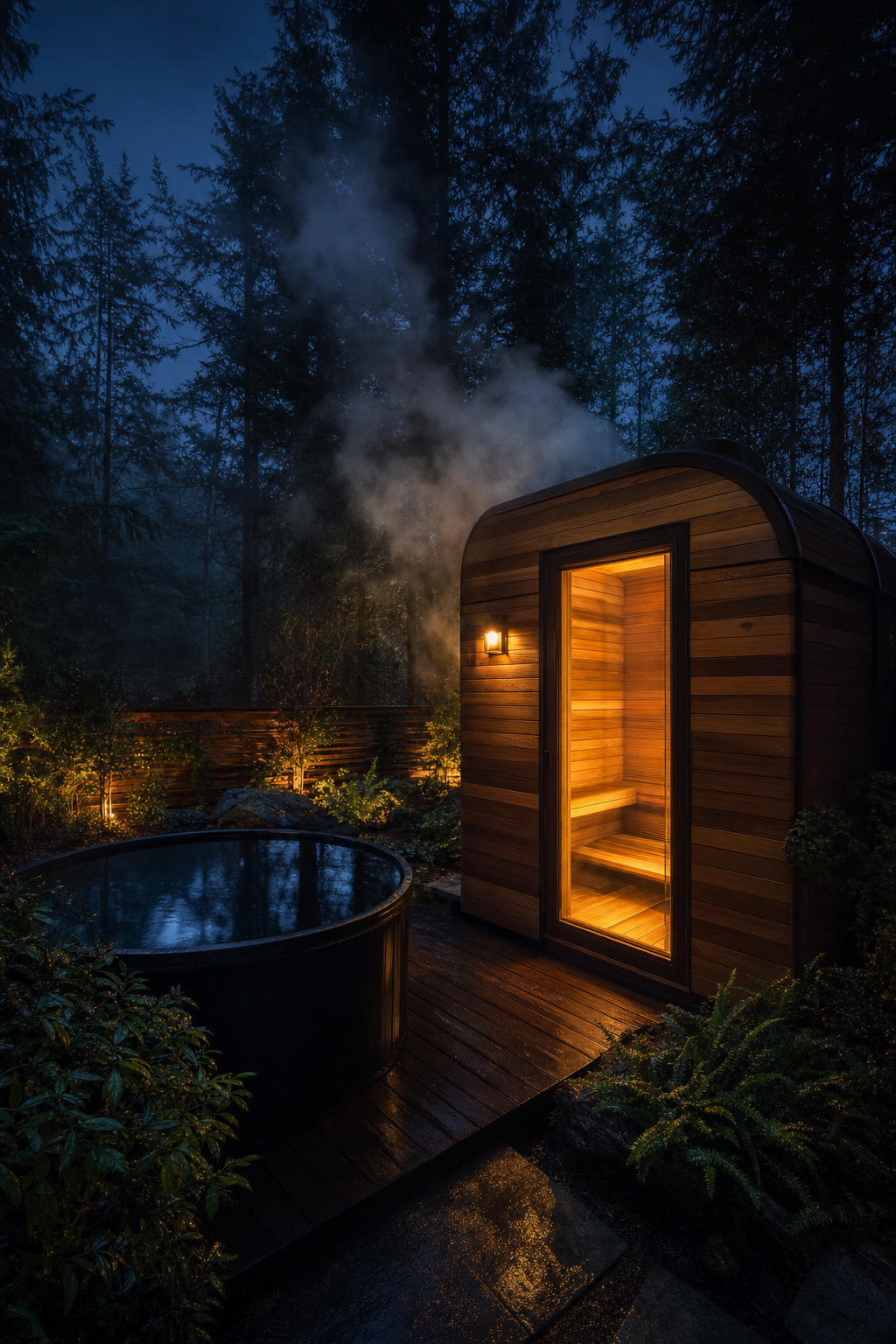
The sedentary reality of a Vancouver winter often involves long hours confined to climate controlled offices or dimly lit workspaces in Mt Pleasant. This lack of physical stimulation contributes to a cognitive sludge or brain fog that defines the seasonal experience for many. The cold plunge provides a necessary interruption to this stagnation. By exposing the body to water near 5°C, you trigger an immediate cold shock response that forces the brain into the present moment. This involuntary focus acts as a hard reset for the nervous system; it effectively snaps the circuit of negative rumination and circular thought patterns that often characterize the experience of SAD.
Individuals often research whether cold water swimming is addictive. The sensation is better described as a persistent neurochemical baseline shift rather than a typical dependency. The dopamine surge triggered by the cold is not a fleeting spike but a prolonged state of calm alertness that can last for four to six hours. This creates the post plunge glow that directly combats the heavy lethargy of the grey Vancouver months. Establishing a sauna cold plunge seasonal affective disorder Vancouver routine through Nordic Edge services ensures that this biological lever is used effectively to overwrite the seasonal slump. This mental clarity allows professionals to pivot from the unmotivated state of a rainy afternoon to a sharp, high output headspace.
A Winter Wellness Protocol for Vancouver Professionals
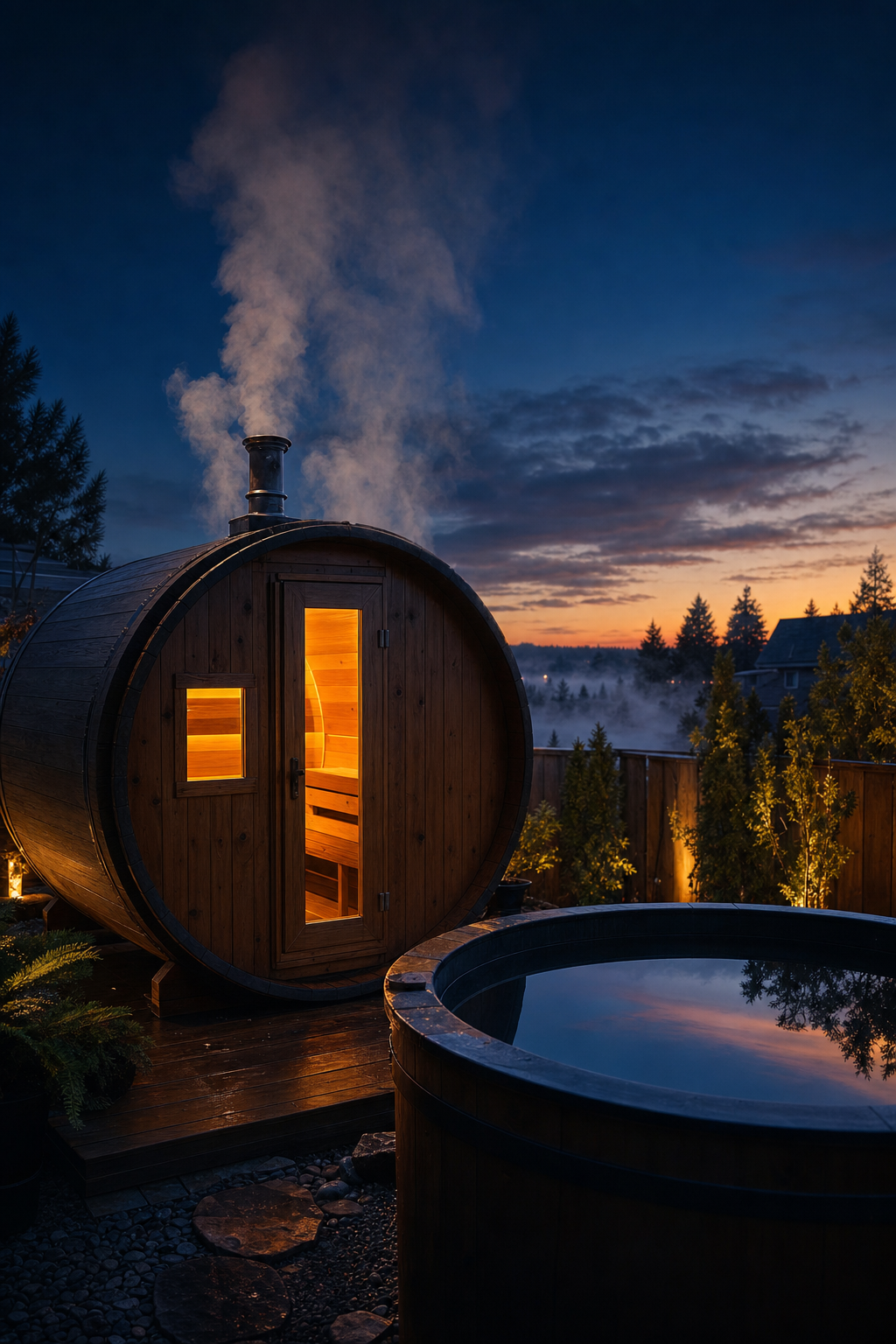
Effective management of a sauna cold plunge seasonal affective disorder Vancouver routine requires a structured approach to maximize neurochemical gains. For a standard session, begin with 15 to 20 minutes in the heat to elevate core temperature and stimulate blood flow. Follow this immediately with 2 to 3 minutes of cold immersion. This sharp transition triggers the surge in norepinephrine and dopamine required to reset the nervous system. Repeat this cycle three times, ensuring you take five to ten minutes of rest between rounds to allow your heart rate to stabilize and your body to integrate the thermal stress.
Timing your session dictates the physiological outcome. A morning protocol is ideal for professionals seeking to clear brain fog and build resilience for a demanding workday. Conversely, an evening session facilitates a heavy parasympathetic shift, which improves sleep quality that is often disrupted by the lack of winter sun. For weekend warriors, this routine serves as the ultimate recovery after a damp hike on the North Shore or a rainy training run along the Seawall. Integrating these Nordic Edge services into your weekly schedule transforms a passive winter experience into a high performance recovery strategy. To establish your own rhythm, you can book your session or explore mobile sauna rentals for a private group experience at your location.
Navigating Cold Water Shock and Safety for Beginners
Entering sub-10°C water triggers the mammalian dive reflex and an immediate gasp response known as cold water shock. For beginners, the primary goal is to manage this transition without panic. Start by focusing on slow, controlled nasal breathing before you enter the water. This helps suppress the sympathetic nervous system's fight or flight response. Once submerged to the neck, maintain a steady exhale to prevent hyperventilation and keep your heart rate under control.
First time users should limit their initial exposure to 30 or 60 seconds, gradually working up to the three minute mark as cold tolerance improves. Safety is paramount; while a mid winter dip in English Bay is a local tradition, the uncontrolled environment of the Pacific can be dangerous due to unpredictable wind chill and tidal currents. Utilizing Nordic Edge services ensures a supervised experience where water temperature is precisely managed. This controlled setting allows you to focus entirely on the physiological benefits of a sauna cold plunge seasonal affective disorder Vancouver protocol without the risks of open water. If you are ready to begin, you can book your session to experience this mental reset in a safe, professional environment.
Embracing the contrast of heat and cold offers a proven way to brighten the Vancouver winter. By integrating these practices, you can better manage seasonal stress and maintain a more balanced mood throughout the darker months. Consistency is the key to seeing lasting results. If you want expert help refining your thermal therapy practice or integrating these tools into your home, you can learn more About our philosophy and expertise. We are dedicated to helping you find your winter peak.