Scientific research has sparked a cold plunge ice bath backlash; evidence suggests that extreme cold-water immersion can hinder muscle growth and increase heart strain if not paired with a sauna. Wellness communities in Vancouver are now pivoting toward balanced contrast therapy to ensure recovery protocols are both safe and effective.
Many wellness enthusiasts in Vancouver have spent years enduring freezing temperatures, yet the initial excitement is beginning to fade as the 2026 wellness landscape shifts toward more nuanced science. If you have ever felt that your daily ice bath is more of a grueling chore than a restorative practice, you are not alone in noticing the growing backlash. This skepticism is not about dismissing cold therapy entirely; it is about addressing the lack of specific evidence regarding long term cardiovascular health and recovery. At Nordic Edge, we believe in a sophisticated approach that prioritizes physiological data over social media trends. In this guide, we examine the actual evidence behind cold water immersion, the potential risks to heart health, and why the most effective protocols now favor strategic contrast therapy. You will learn how to balance the heat of the sauna with the shock of the cold to achieve sustainable results.
The Cold Plunge Ice Bath Backlash: Why the 2026 Wellness Narrative is Shifting
The performative era of the sub-zero soak is facing a necessary reality check. While the early 2020s were defined by a "colder the better" mentality often fueled by bro-science, 2026 marks a decisive shift toward evidence-based moderation. Recent reports from National Geographic and the Global Wellness Institute indicate that the cold plunge ice bath backlash evidence sauna Vancouver enthusiasts are seeing is rooted in a growing skepticism of extreme, single-modality plunges. Scientists now emphasize that the sudden cold shock response can spike heart rates and stress hormones to counterproductive levels if not managed correctly.
In the Vancouver market, where wellness trends often peak and pivot early, high-end professionals and athletes are moving away from the DIY chest freezer culture. The narrative is maturing from grit-testing endurance to sophisticated, premium recovery experiences that prioritize physiological balance. Instead of chasing the lowest temperature possible, the current focus is on how cold exposure fits into a broader, safer routine. This shift reflects a broader maturation in the industry, where extreme measures are being replaced by strategic application. As the local community looks for more nuanced ways to manage stress and inflammation, the emphasis has moved toward professional-grade equipment and supervised protocols that ensure the body is supported, not just stressed.
Separating Hype from Evidence: What Cold Water Immersion Actually Does
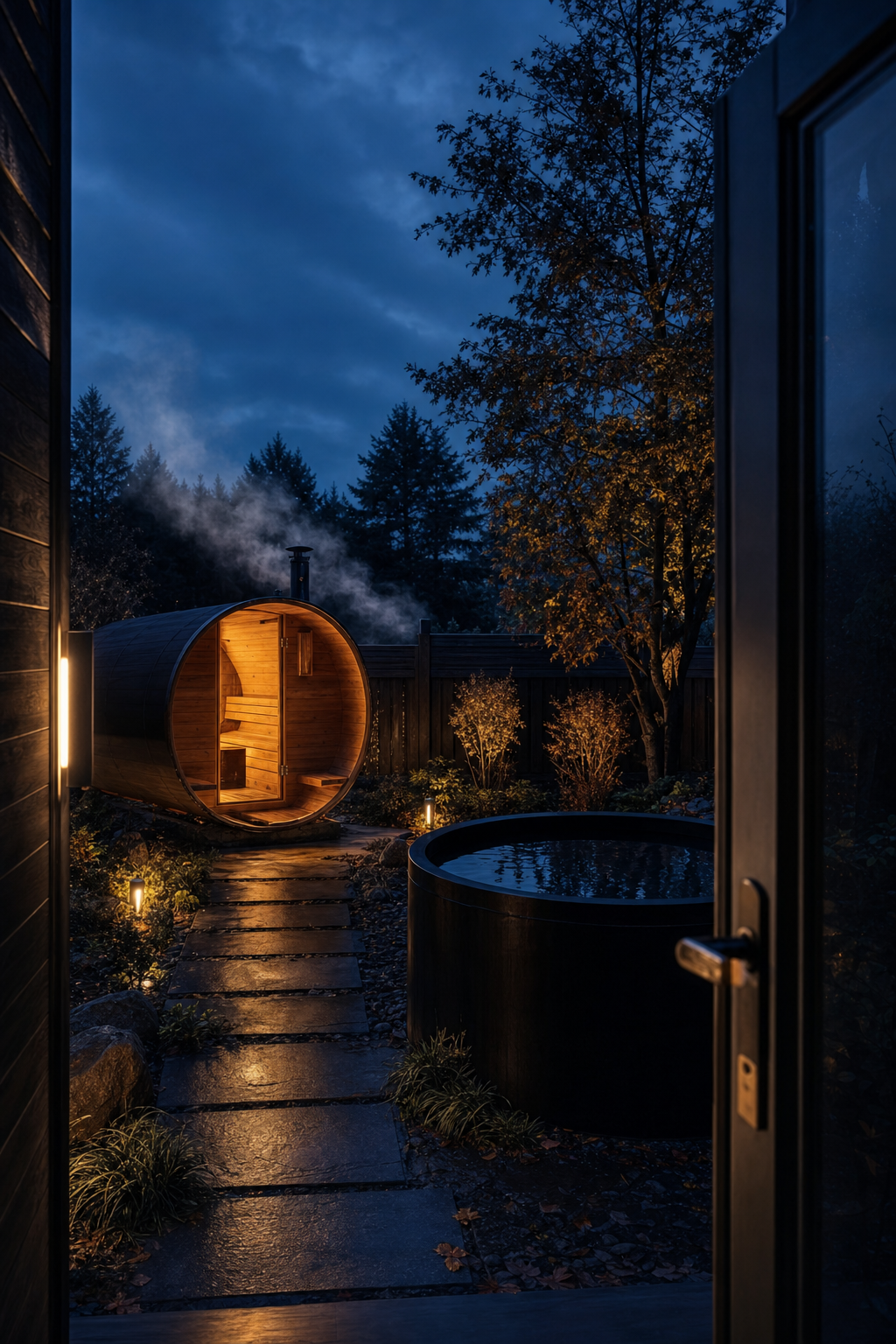
Navigating the current "Cold Plunge Debunked" narrative requires a surgical approach to data. Much of the noise stems from marketing claims that positioned sub-zero soaking as a panacea. For Vancouver athletes seeking premium recovery experiences, the value of cold water immersion (CWI) lies in its specific physiological applications, not in exaggerated weight loss or psychiatric miracles.
Muscle recovery remains the primary driver for many, yet the evidence suggests a double-edged sword. Research indicates that while CWI significantly reduces perceived muscle soreness and markers of inflammation, it can also blunt the anabolic signaling required for hypertrophy. If your goal is strictly building muscle mass, plunging immediately after a heavy lifting session may be counterproductive; however, for a weekend warrior managing high-volume fatigue, the reduction in DOMS (Delayed Onset Muscle Soreness) is a tangible benefit.
Mental health claims often focus on the well-documented 250 percent spike in dopamine levels. While this surge enhances focus and mood for several hours, it is a physiological state change rather than a cure for clinical depression. The most reliable data points toward improvements in heart rate variability (HRV). By stimulating the parasympathetic nervous system through a controlled cold shock, users can improve their overall stress resilience and autonomic balance.
Benefit Area | Scientific Evidence | Marketing Hype |
|---|---|---|
Metabolism | Increases brown fat activity | "Instant" weight loss |
Recovery | Reduces DOMS (soreness) | Accelerated muscle growth |
Mental Health | Significant dopamine spike | Cure for clinical disorders |
Heart Health | Acute HRV improvement | Permanent blood pressure drop |
Metabolic claims regarding brown fat activation are grounded in reality, but the scale is often misrepresented. The cold plunge ice bath backlash evidence sauna Vancouver professionals are following shows that while brown adipose tissue (BAT) burns calories to generate heat, the net caloric expenditure is insufficient for significant weight loss without caloric restriction. The focus should remain on hormonal balance and systemic inflammation rather than the scale.
The Cardiovascular Question: Does Cold Plunging Lower Blood Pressure or Risk Heart Attack?
This focus on systemic balance extends directly to the heart, where the most critical safety questions arise. The question of whether cold plunging lowers blood pressure is often met with oversimplified answers that ignore basic physiology. In reality, the immediate response to cold water immersion is a sharp, acute increase in blood pressure. This occurs due to peripheral vasoconstriction, a survival mechanism where the body constricts blood vessels in the limbs to shunt blood toward vital organs and maintain core temperature. For the high-stress Vancouver professional, this sudden spike in blood pressure and heart rate represents a significant, albeit temporary, cardiovascular load.
Understanding the cold plunge ice bath backlash evidence sauna Vancouver experts are highlighting requires distinguishing between acute stress and long-term adaptation. While regular, controlled exposure can eventually lead to improved vascular efficiency and higher heart rate variability (HRV) through hormetic stress, the initial cold shock response is a legitimate risk factor for those with underlying conditions.
Stage | Physiological Action | Impact on Heart |
|---|---|---|
Immediate (0-60s) | Peripheral Vasoconstriction | Sharp spike in blood pressure and heart rate |
Short-term (1-5 min) | Parasympathetic Activation | Gradual stabilization of heart rate |
Long-term (Regular Use) | Improved Vascular Tone | Enhanced heart rate variability and lower resting BP |
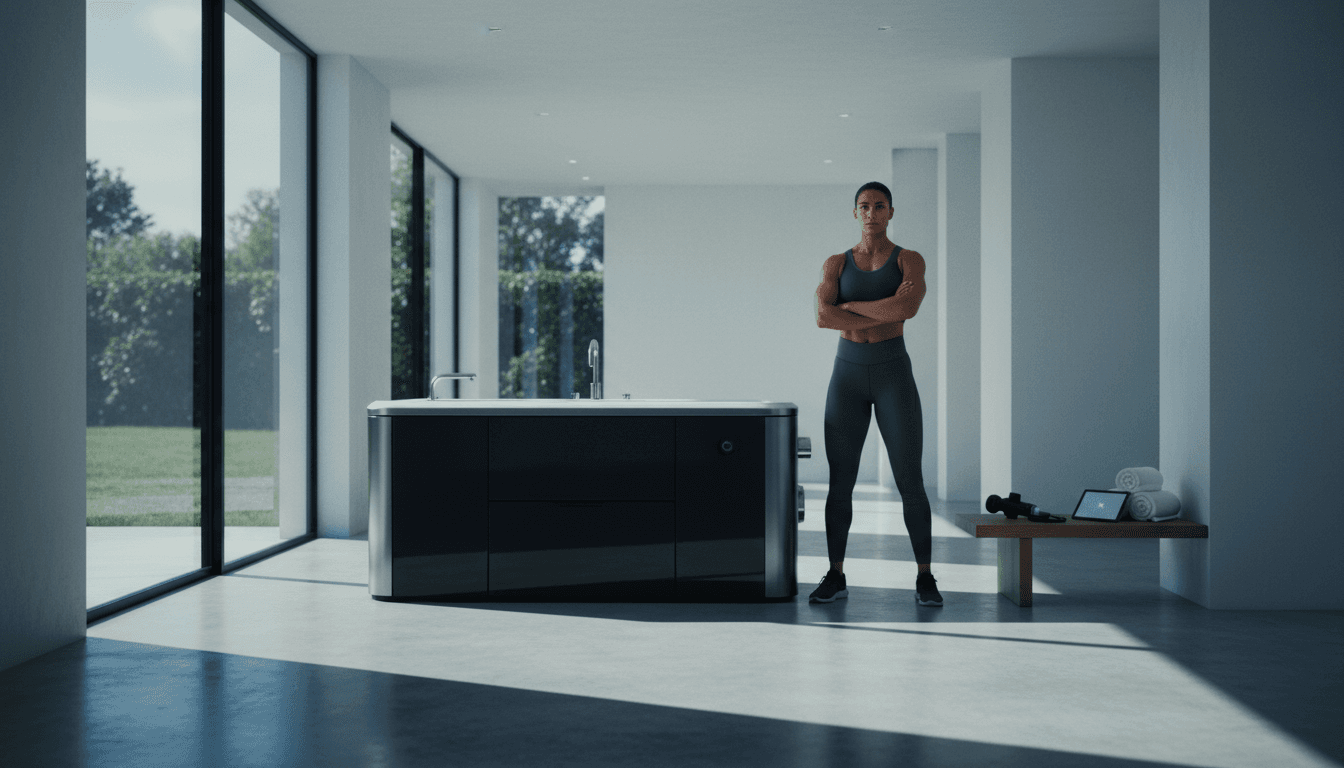
Safety is paramount when engaging in premium recovery experiences. High-performance individuals should view the cold plunge as a controlled stressor rather than a passive relaxation technique. If you have a history of cardiovascular issues, the sudden demand on the heart during immersion could trigger an adverse event. Prioritizing supervised environments and professional-grade equipment ensures that the body is challenged within safe parameters, moving the practice away from risky DIY methods toward a calculated health investment.
The 2026 Trend Shift: From Extreme Cold to Strategic Contrast Therapy
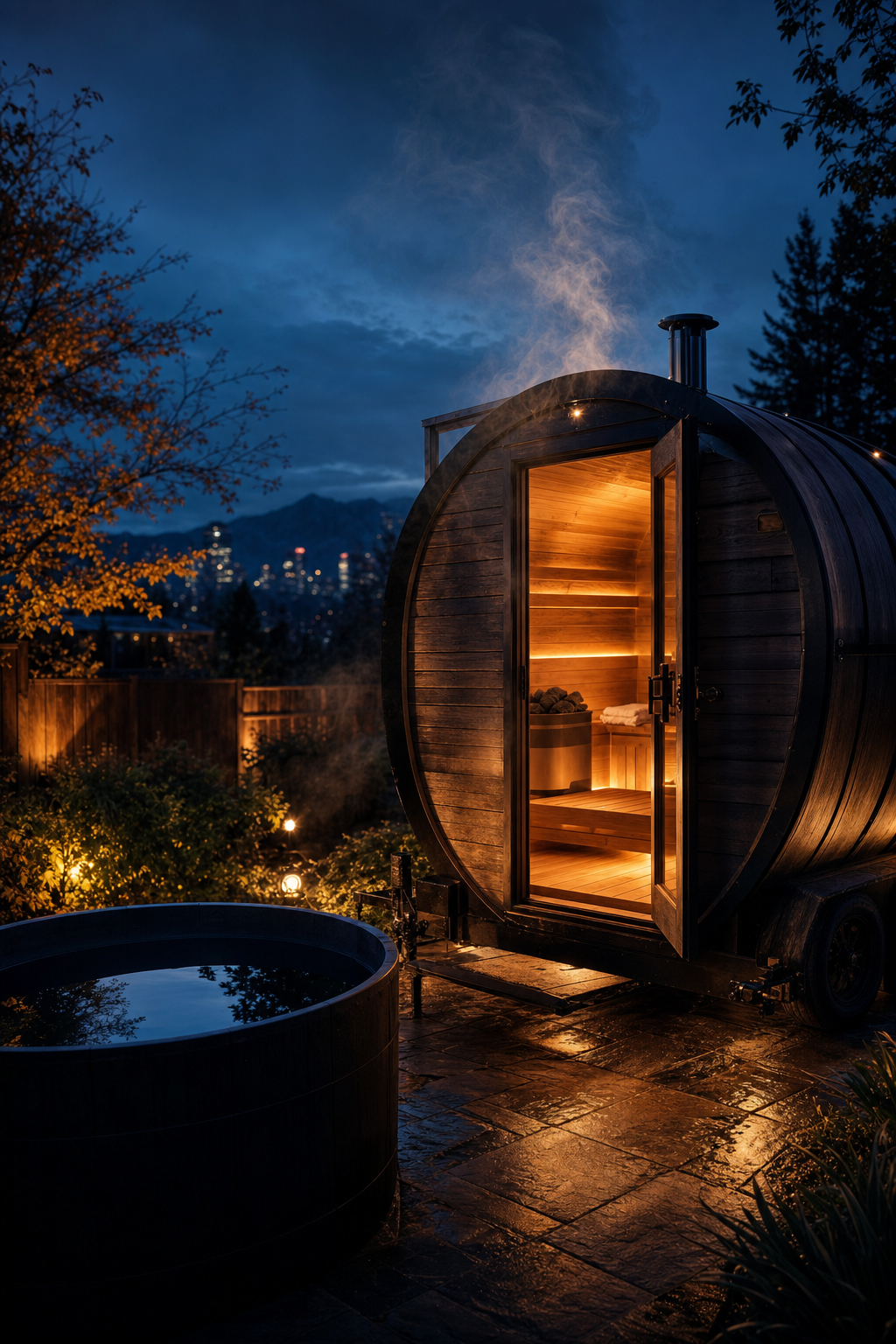
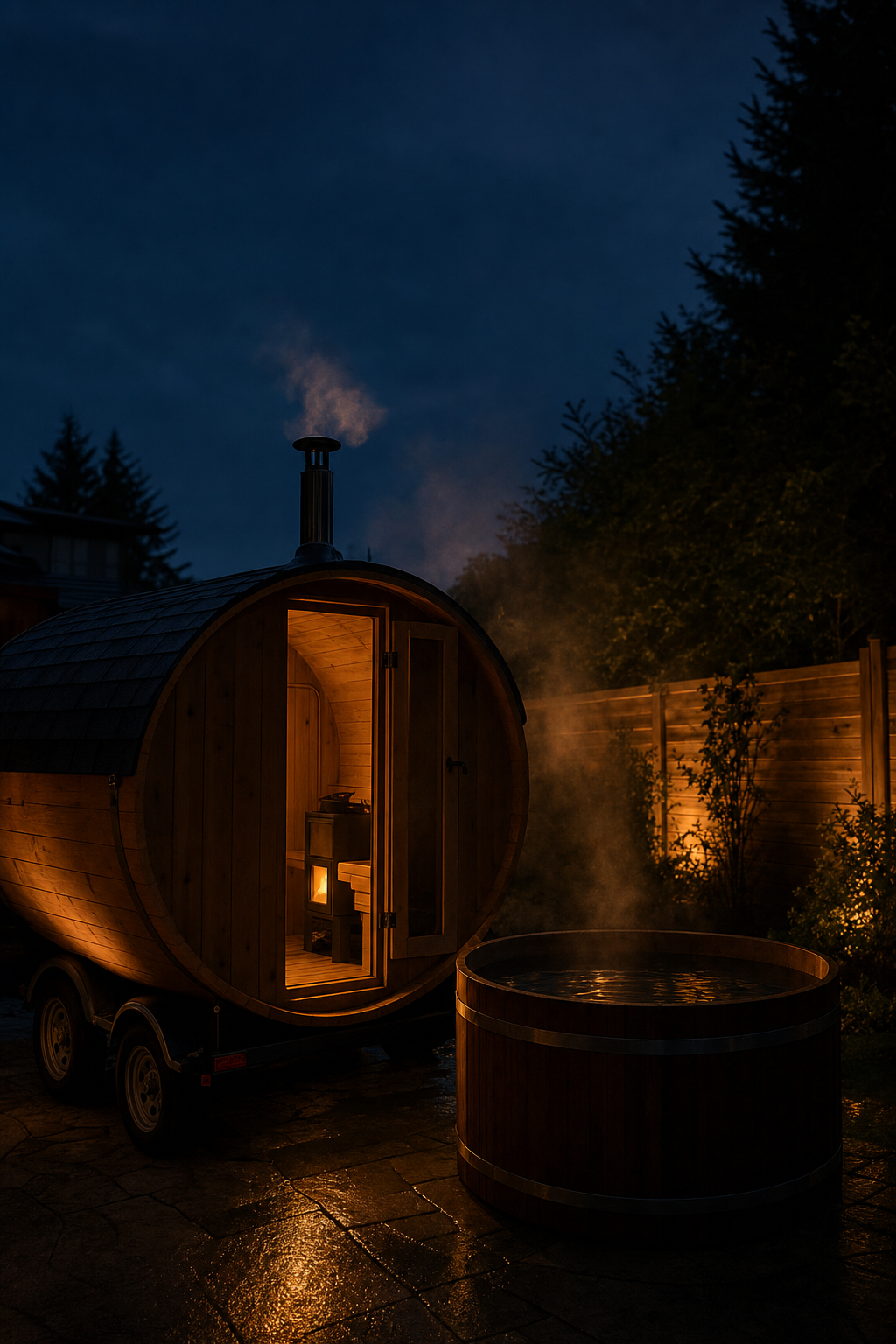
The move away from isolated cold exposure marks the rise of the hydrothermal suite. Vancouver weekend warriors are trading their stand-alone ice baths for integrated contrast therapy cycles. This is not just a change in equipment; it is a shift in physiological strategy. By combining high-heat Finnish saunas with controlled cold water immersion, users achieve a more balanced autonomic response than cold alone can provide. This evolution is central to the cold plunge ice bath backlash evidence sauna Vancouver researchers are now documenting, as professionals seek methods that manage the internal temperature gradient more effectively.
Current scientific protocols prioritize the sauna before cold plunge sequence. Starting with 15 to 20 minutes of heat at 80 to 90°C ensures that the core temperature is elevated and peripheral tissues are dilated. Retaining this internal heat before the cold dip allows for a more controlled vasoconstriction, which optimizes the lymphatic flush without the jagged, uncontrolled shock of a dry start. This hydrothermal approach supports better thermoregulation, making the recovery process feel less like a test of willpower and more like a calculated medical-grade intervention.
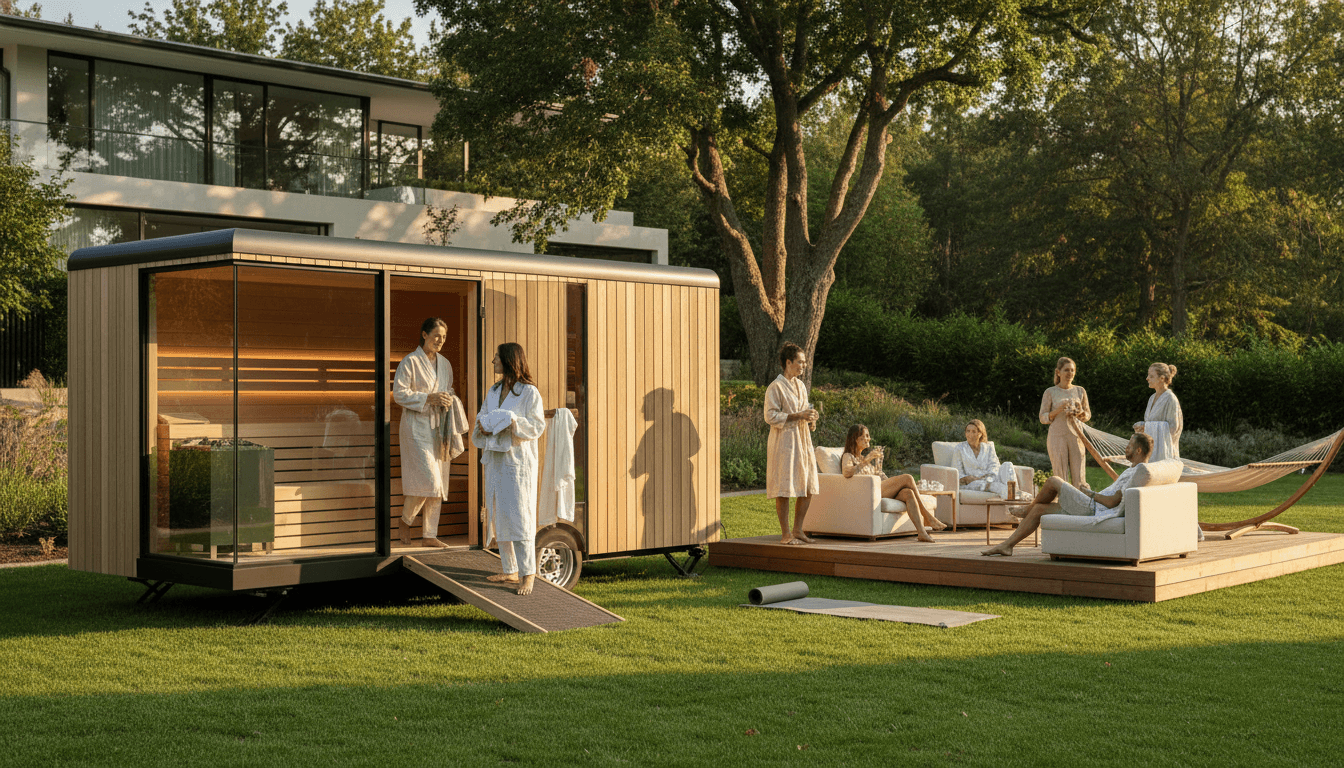
The industry's maturation involves moving toward premium recovery experiences that provide professional-grade environmental controls. High-performance individuals in British Columbia are increasingly opting for mobile sauna rentals that facilitate this specific heat-to-cold cycle under optimal conditions. The so-called backlash is ultimately a rejection of DIY risks in favor of sophisticated, supervised contrast therapy. It represents a pivot toward longevity and systemic health, ensuring that the body is primed by heat before it is challenged by the cold.
Optimizing the Sequence: Sauna Before or After Cold Plunge?
Determining whether to use the sauna before or after a cold plunge depends entirely on your physiological objective for the day. For most high-performance routines, the recommended sequence is to begin with heat. This initial phase promotes vasodilation and raises the core temperature, preparing the circulatory system for the subsequent cold shock. This structured approach is a cornerstone of the premium recovery experiences sought by Vancouver professionals who value efficiency over trend chasing.
According to the Soberg Principle, the most effective way to stimulate metabolic activity is to end your session on cold. By allowing the body to reheat naturally after the final dip rather than returning to the sauna, you force the activation of brown adipose tissue to generate internal heat. Conversely, if your session is scheduled in the evening, ending on heat is preferable. The post-sauna drop in core temperature mimics the body's natural circadian rhythm, signaling for melatonin production and deeper sleep.
Phase | Temperature | Duration | Round |
|---|---|---|---|
Heat (Sauna) | 80–90°C | 15 Minutes | 1–3 |
Cold (Plunge) | 5–10°C | 2–3 Minutes | 1–3 |
Reheat | Ambient | Natural | Final |
For a balanced 2026 protocol, we suggest three cycles of 15 minutes in the sauna followed by a 2 to 3 minute plunge. This specific timing addresses the cold plunge ice bath backlash evidence sauna Vancouver experts cite by ensuring the duration is long enough for adaptation but short enough to avoid excessive cortisol spikes. Using mobile sauna rentals allows for this precise environmental control, ensuring the temperature gradients remain consistent across every round.
How to Navigate the Wellness Backlash in Vancouver
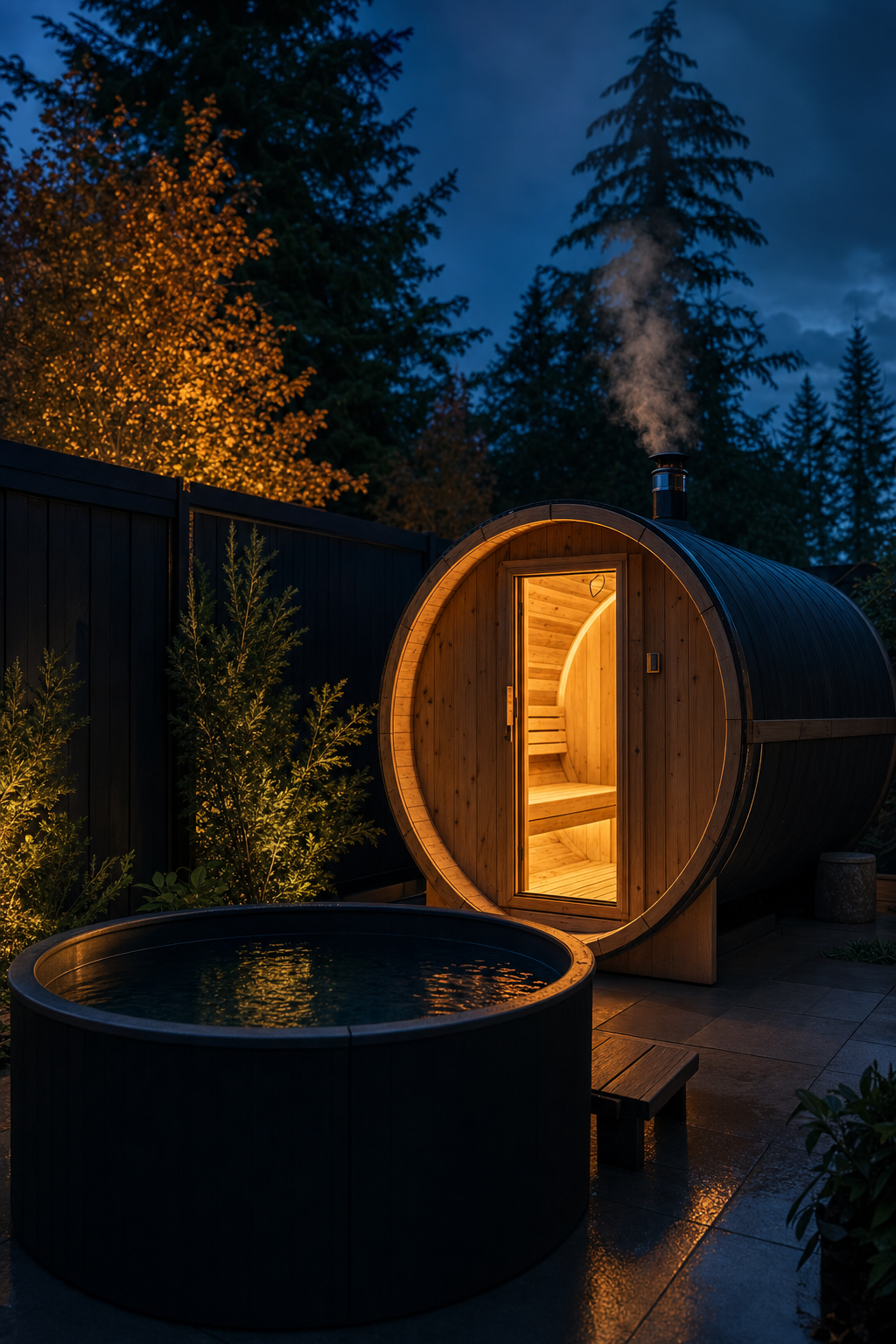
Navigating the current wellness noise in British Columbia requires a shift from social media endurance tests to physiological precision. Vancouver wellness culture is evolving beyond the era of the unmonitored chest freezer in a garage, where stagnant water and fluctuating temperatures pose more risks than benefits. Authentic recovery involves looking for evidence sauna Vancouver providers who treat contrast therapy as a clinical discipline rather than a performative spectacle.
Professional mobile sauna rentals offer a level of environmental control that DIY setups simply cannot match. High-performance individuals should prioritize equipment that features industrial-grade filtration and precise temperature calibration, ensuring the body enters a state of recovery rather than pure survival. This professional supervision is particularly vital for high-stress professionals who need to manage their cardiovascular load carefully.
Feature | Professional Mobile Setup | DIY Chest Freezer |
|---|---|---|
Temperature Control | Precision digital chillers | Unpredictable ice melting |
Sanitation | Continuous UV/Ozone filtration | Stagnant water risks |
Safety | Expert supervision | Unmonitored shock risk |
Space | Ergonomic hydrothermal design | Confined, unnatural posture |
By choosing premium recovery experiences that align with the cold plunge ice bath backlash evidence sauna Vancouver experts have identified, you transition from trend-chasing to evidence-based longevity. If you are ready to integrate a safer, more sophisticated protocol into your training, book your session today to experience the difference that professional-grade equipment makes in systemic health.