
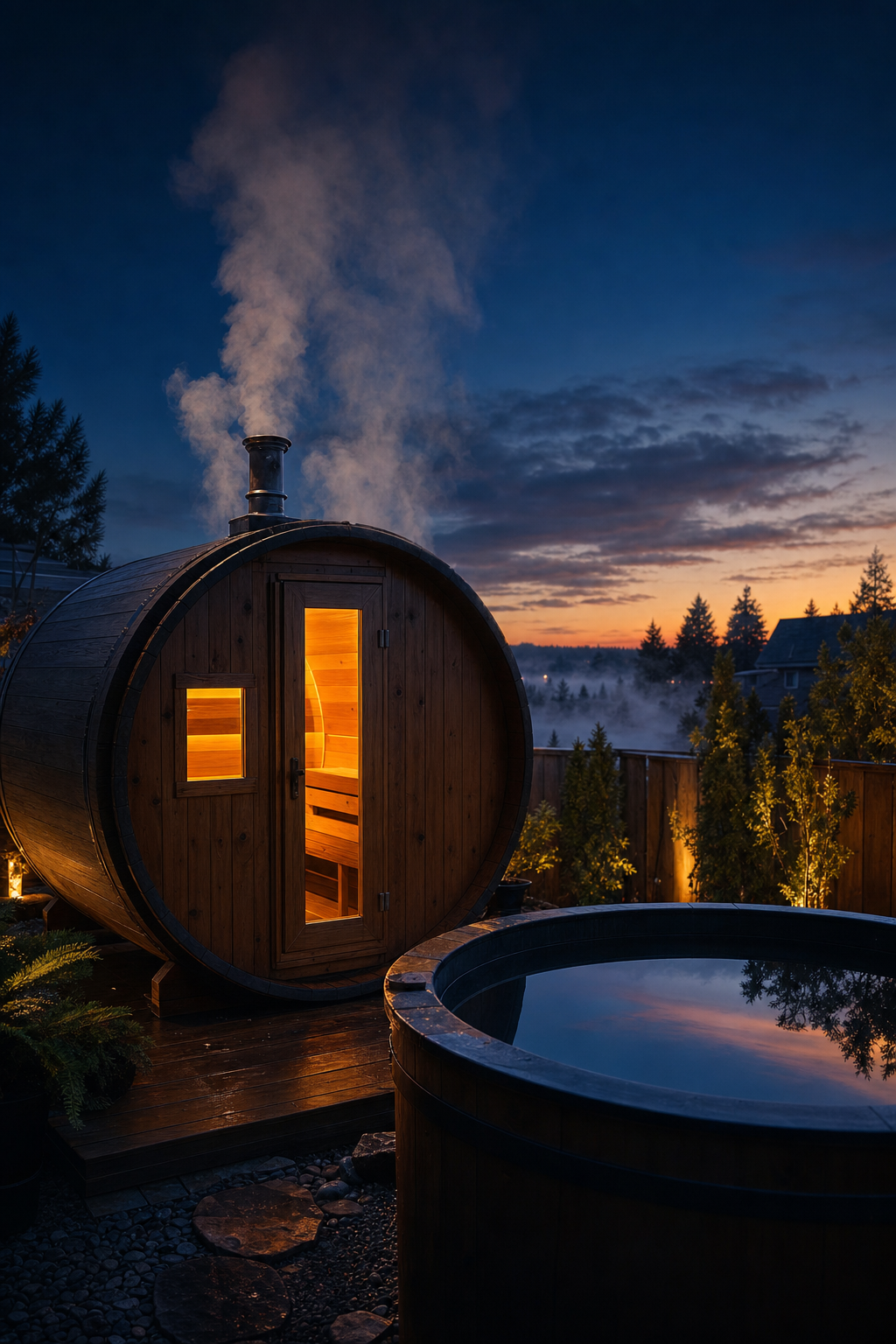
Understanding sauna cold plunge safety risks who should avoid Vancouver wellness practices is essential for individuals with heart conditions, respiratory issues, or pregnancy. These therapies can trigger a sudden cold shock response that spikes blood pressure; therefore, those with unstable angina or seizure disorders should consult a physician before attempting rapid temperature changes.
While the trend of contrast therapy is sweeping through Vancouver, the transition between extreme heat and freezing water is not without its complexities. Many enthusiasts jump into the cold without fully understanding how their cardiovascular system reacts to sudden shifts. Safety is the foundation of any high performance wellness routine; ignoring individual health markers can turn a restorative session into a significant medical risk. At Nordic Edge, we believe that informed practice leads to the best physiological results. In this guide, we examine the mechanics of heat stress and the cold shock response to ensure your experience is both effective and secure. You will learn about specific contraindications for heart health, essential safety protocols for first time users, and the vital warning signs that indicate when it is time to exit the water immediately.
Understanding the Cold Shock Response and Heat Stress
To properly assess sauna cold plunge safety risks who should avoid Vancouver sessions, it is essential to understand the physiological impact of rapid temperature shifts. Contrast therapy at Nordic Edge provides premium recovery experiences by leveraging hormesis, a biological process where controlled, acute stressors trigger positive cellular adaptations. However, this benefits the body only when the user understands the difference between healthy stress and dangerous physiological strain.
When you step into a sauna, your body undergoes heat stress. To maintain a safe core temperature, the cardiovascular system initiates vasodilation, widening the blood vessels to move heat toward the skin’s surface. This causes profuse sweating and a moderate increase in heart rate. For a professional coming off a high-stress workday or a weekend warrior finishing the Grouse Grind, this phase begins the metabolic shift necessary for physical and mental down-regulation.
The subsequent transition to cold water triggers the cold shock response. This is an intense, involuntary reaction characterized by the gasp reflex, a sudden intake of air that can be dangerous if the head is submerged. Simultaneously, the body undergoes rapid vasoconstriction. This forces blood back toward the internal organs, causing a sharp spike in blood pressure and heart rate within seconds.
While these shifts build long-term resilience, they place significant immediate demand on the heart. If you are uncertain about your cardiovascular tolerance, we recommend you contact our experts before beginning a regimen. Properly managed, mobile sauna rentals offer profound rejuvenation; however, the initial shock requires a baseline level of health to ensure the experience remains a benefit rather than a liability.
Cardiovascular Risks: Blood Pressure and Heart Health Warnings
Building on the physiological mechanics of vasoconstriction, it is vital to address the primary concern for many users: the risk of cardiac events. The American Heart Association notes that the sudden immersion in cold water significantly increases the workload on the heart. Within the first thirty seconds of a plunge, your heart rate and blood pressure surge concurrently. This creates a state of autonomic conflict where the cold triggers a sympathetic response (fight or flight) while the breath-holding or submerged face triggers a parasympathetic response (the diving reflex). For a healthy individual, this is a manageable stressor; for someone with underlying issues, it can trigger an arrhythmia or even a myocardial infarction.
While contrast therapy is frequently lauded for its ability to improve vascular elasticity over time, the immediate acute phase is not the moment for rehabilitation of existing heart disease. The sharp spike in blood pressure can be particularly dangerous for those with uncontrolled hypertension. High-pressure surges may cause plaque to rupture or strain weakened vessel walls. This distinction between chronic benefit and acute risk is central to understanding sauna cold plunge safety risks who should avoid Vancouver sessions without prior medical clearance. If you have been diagnosed with angina, have a history of heart failure, or have recently suffered a heart attack, the intense cardiovascular demand of a mobile sauna rentals and cold plunge cycle may outweigh the recovery benefits.
Furthermore, individuals with cardiac arrhythmias should proceed with extreme caution. The rapid shift from extreme heat to ice water can disrupt the electrical signals of the heart. For those managing these conditions, we recommend you contact our experts or your primary care physician before attempting a session. Our goal is to provide premium recovery experiences that support your health goals, which requires a baseline level of cardiovascular stability to ensure the body can safely navigate these powerful shifts in internal pressure.
Who Should Avoid Sauna and Cold Plunge: The Complete Contraindication List
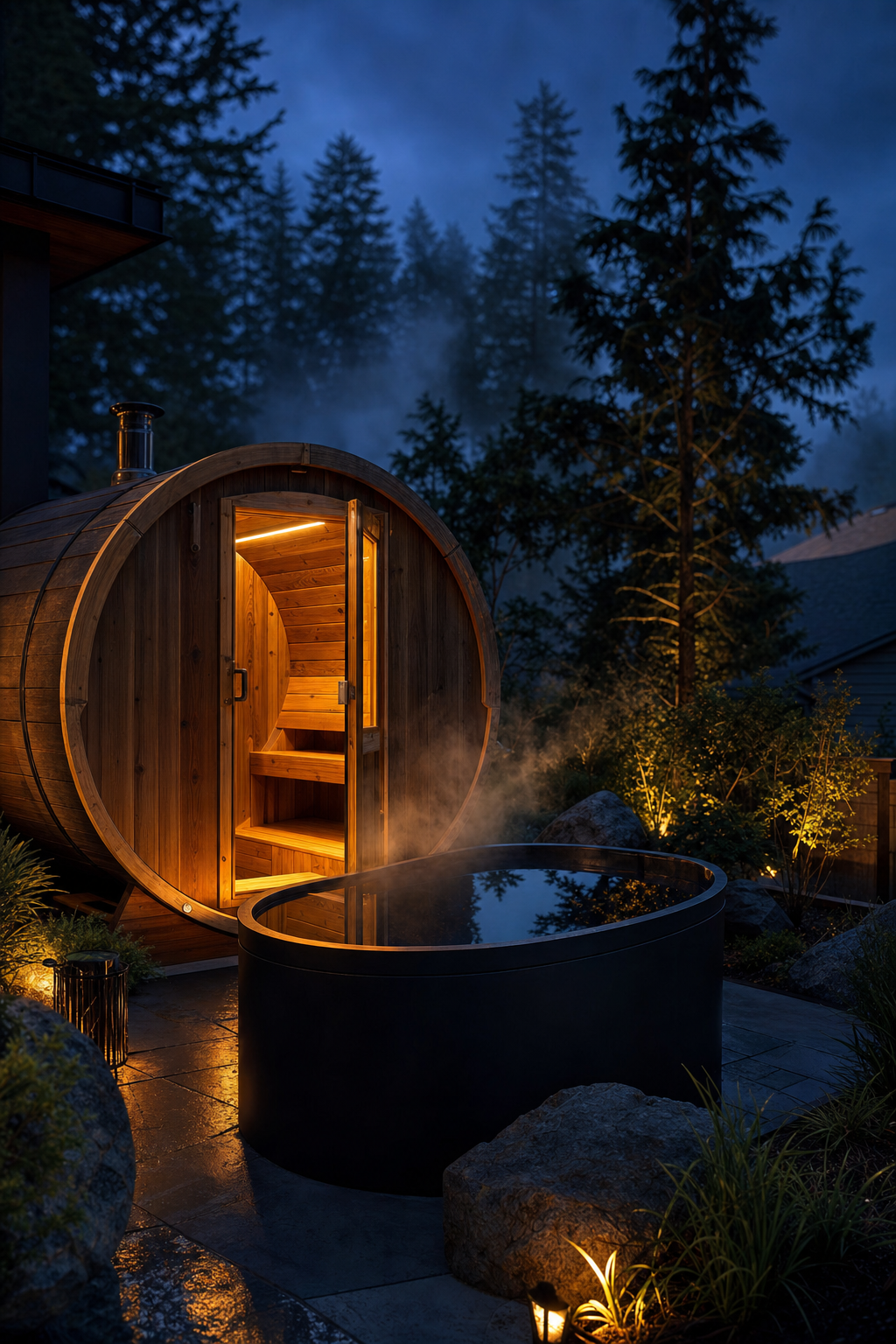
Identifying sauna cold plunge safety risks who should avoid Vancouver sessions requires a look at more than just the heart. While contrast therapy serves as a tool for premium recovery experiences, certain physiological conditions make the rapid shift between 90°C heat and 4°C water dangerous. The following table outlines the primary contraindications where individuals must seek medical clearance or avoid the practice entirely:
Category | Condition | Rationale |
|---|---|---|
Cardiovascular | Uncontrolled Hypertension, Angina, Heart Failure | Risk of sudden cardiac event due to extreme blood pressure surges. |
Respiratory | Moderate to Severe COPD, Uncontrolled Asthma | The cold shock gasp reflex can trigger immediate bronchospasm or respiratory distress. |
Neurological | Epilepsy, Seizure Disorders | Rapid temperature changes can disrupt neural electrical activity, potentially triggering a seizure. |
Circulatory | Raynaud’s Phenomenon, Cold Urticaria | Extreme vasoconstriction can cause severe pain or allergic hives and swelling. |
Sensory | Peripheral Neuropathy, Advanced Diabetes | Impaired temperature sensation prevents the user from detecting frostbite or thermal burns. |
Specific attention is required for pregnant individuals. The primary risk during the sauna phase is hyperthermia, which can be detrimental to fetal development, particularly in the first trimester. During the cold plunge, the intense sympathetic nervous system activation can affect uterine blood flow. Most medical professionals advise against starting a new, high intensity contrast routine during pregnancy because the body is already under significant cardiovascular demand.
Furthermore, those managing diabetes must be vigilant. Neuropathy often blunts the body's natural warning signals; you may not feel that your skin is reaching a dangerous temperature until tissue damage has occurred. Similarly, medications like beta-blockers interfere with how the heart responds to temperature stress, making it difficult for the body to regulate its internal climate safely. If you fall into these categories, we strongly suggest you contact our experts to discuss how to approach wellness safely or to coordinate with your physician before booking mobile sauna rentals. This definitive list ensures that high performance recovery does not come at the cost of clinical safety.
Cold Plunge Safety Rules for First Time Vancouver Users

Navigating the initial immersion requires more than just mental toughness; it requires a systematic approach to mitigate sauna cold plunge safety risks who should avoid Vancouver sessions without proper technique. For those ready to engage in premium recovery experiences, safety begins before you even touch the water. You must be fully sober. Alcohol significantly impairs judgment and, more critically, disrupts the body's ability to regulate its core temperature, increasing the risk of hypothermia or fainting during rapid cooling.
Never plunge alone. Even for seasoned athletes, having a spotter ensures that if a vasovagal response or sudden cramp occurs, assistance is immediate. When entering the water, always go in feet first. Never dive or submerge your head immediately. The cold shock response triggers an involuntary gasp reflex; if your face is underwater during this sharp intake of air, the risk of aspiration or drowning becomes a reality.
Once immersed to the chest, focus on mindful, controlled exhalations. Deep breathing helps counteract the autonomic conflict between the gasp reflex and the heart's urge to race. By keeping your head above the water line, you maintain better control over your respiratory rate and spatial orientation. If you have questions about specific entry techniques for mobile sauna rentals, we encourage you to contact our experts to ensure your first session is both safe and effective.
How to Do Contrast Therapy Safely: The Nordic Edge Protocol
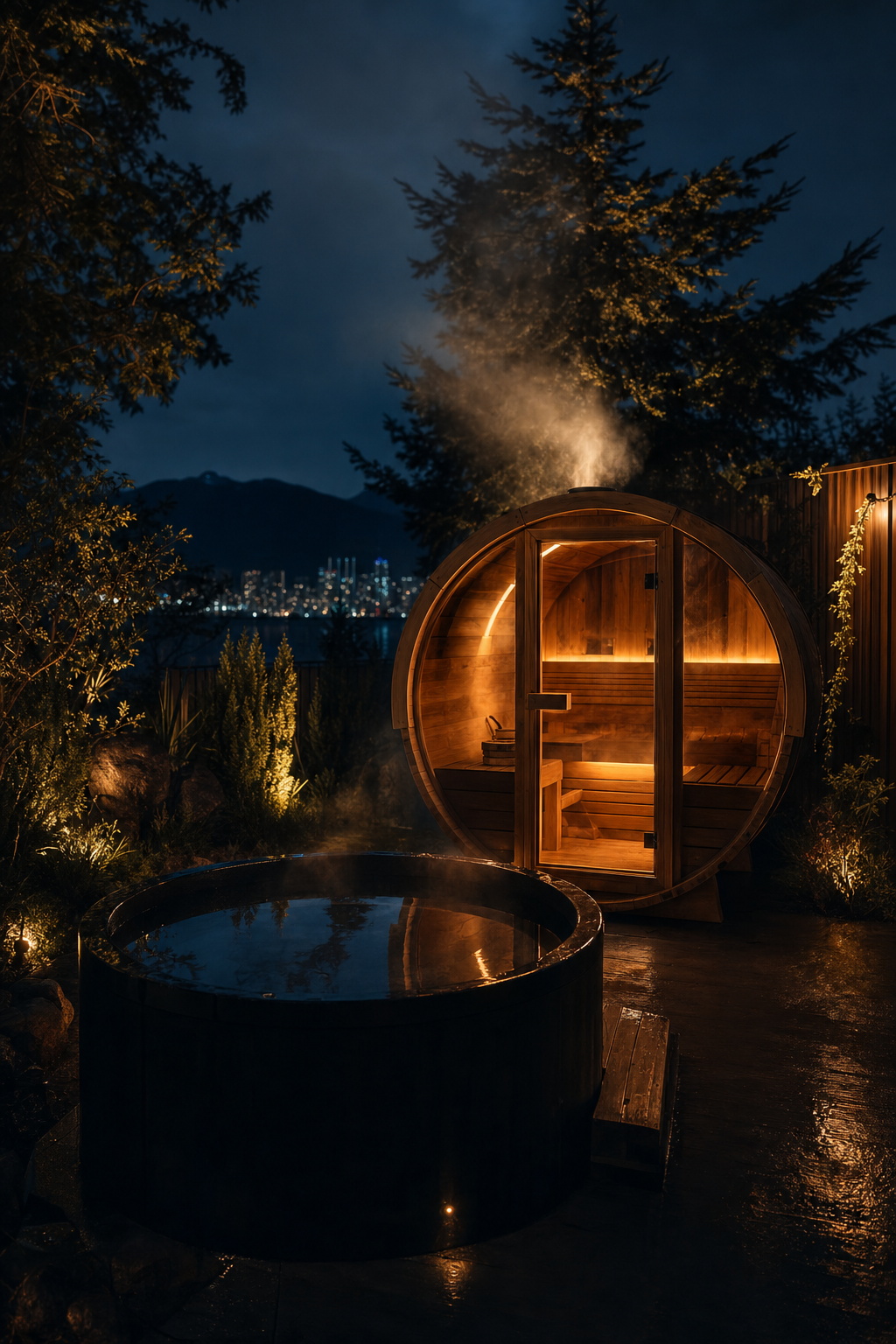
The efficacy of contrast therapy lies in the deliberate transition between extremes. While many wonder if it is safe to sauna and then cold plunge, the practice is highly beneficial for healthy individuals when executed with control. To mitigate the sauna cold plunge safety risks who should avoid Vancouver sessions without a plan, we recommend a specific sequence designed to maximize recovery while respecting the body’s limits.
Our standard protocol begins with 15 to 20 minutes of heat exposure in the sauna. This period facilitates maximal vasodilation and muscle relaxation. For those new to premium recovery experiences, we suggest a brief cool down period of two to three minutes in ambient air before entering the water. This buffer allows the heart rate to stabilize slightly, reducing the severity of the initial cold shock response and making the transition more manageable for the nervous system.
The cold immersion should last between one and three minutes. This duration is sufficient to trigger vasoconstriction and the release of norepinephrine without overtaxing the metabolic system. For a more structured approach, you can contact our experts to discuss how these cycles can be tailored to your specific fitness level or recovery needs. Transitioning slowly and focusing on breath control ensures that mobile sauna rentals provide a rejuvenating stimulus rather than an overwhelming physiological burden.
Warning Signs: When to Exit the Sauna or Cold Plunge Immediately
Recognizing the boundary between therapeutic discomfort and physiological distress is the final step in managing sauna cold plunge safety risks who should avoid Vancouver sessions without strict self-monitoring. While high-end professionals and athletes often value grit, toughing it out during extreme temperature exposure can lead to syncope or cardiac strain. You must exit the environment immediately if you experience lightheadedness, sudden nausea, or a pounding headache. These are not signs of progress; they are clear indicators of impending heat exhaustion or blood pressure volatility.
During the cold phase, pay close attention to your skin and respiratory control. If your breathing remains erratic after the initial thirty seconds, or if your skin takes on a pale, blue-ish, or mottled appearance, exit the water. Numbness that progresses beyond a surface tingle to a complete loss of sensation or motor control in the hands or feet is a signal of excessive vasoconstriction. If you experience chest pain or a fluttering sensation in the heart, terminate the session and seek medical advice. For those seeking premium recovery experiences, true performance is found in precision, not endurance. If you are unsure how to interpret your body's signals, contact our experts to refine your approach. Safely managed mobile sauna rentals should leave you feeling invigorated, not depleted or dangerously fatigued.
Contrast therapy offers incredible physical and mental benefits, but your safety should always come first. While most people in Vancouver can enjoy the shift from heat to cold safely, understanding your specific health profile is essential for preventing unnecessary risks. If you want expert help navigating your wellness journey, our team is here to support you. You can learn more about our commitment to safe and effective recovery practices. We prioritize your health so you can focus on feeling your absolute best.