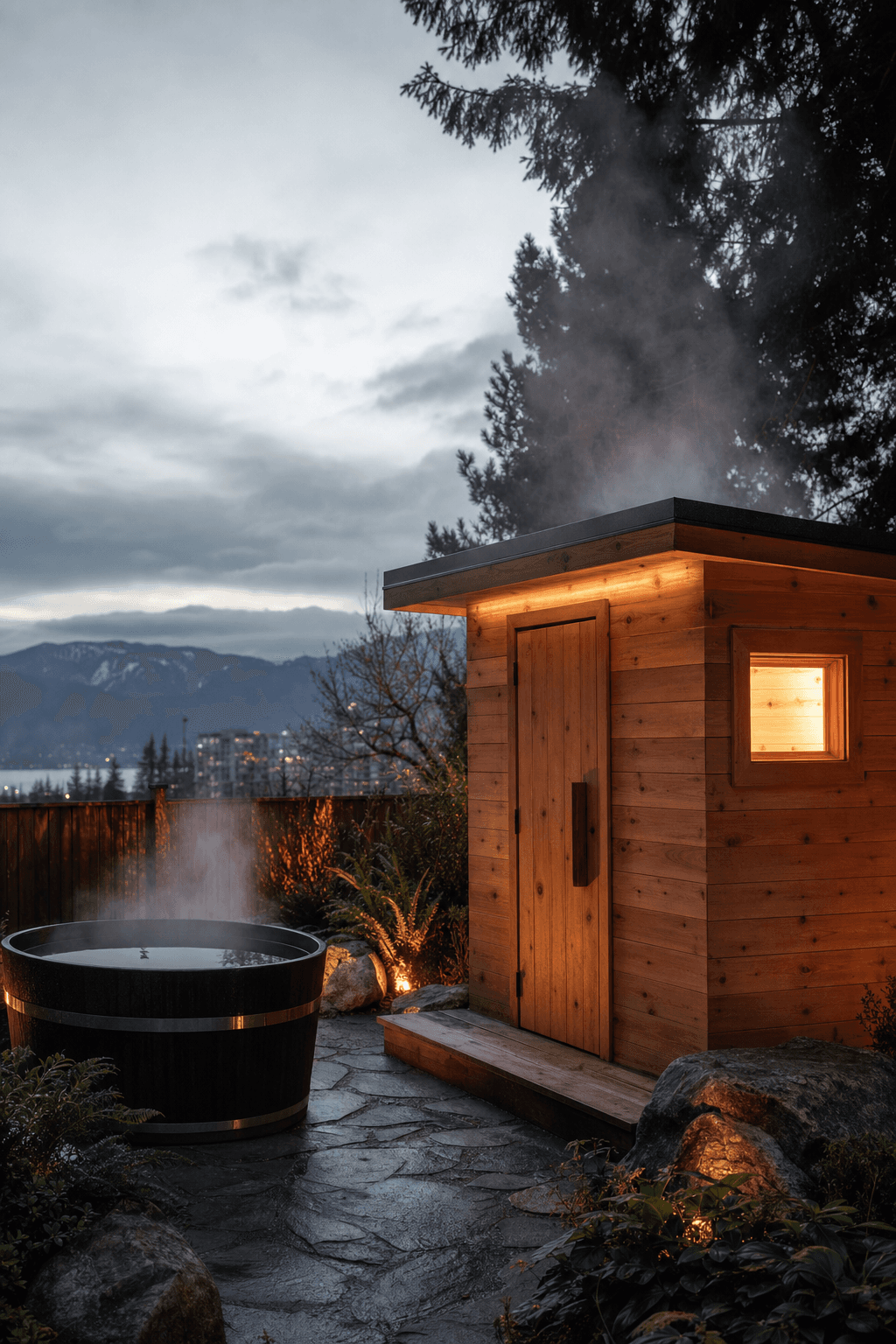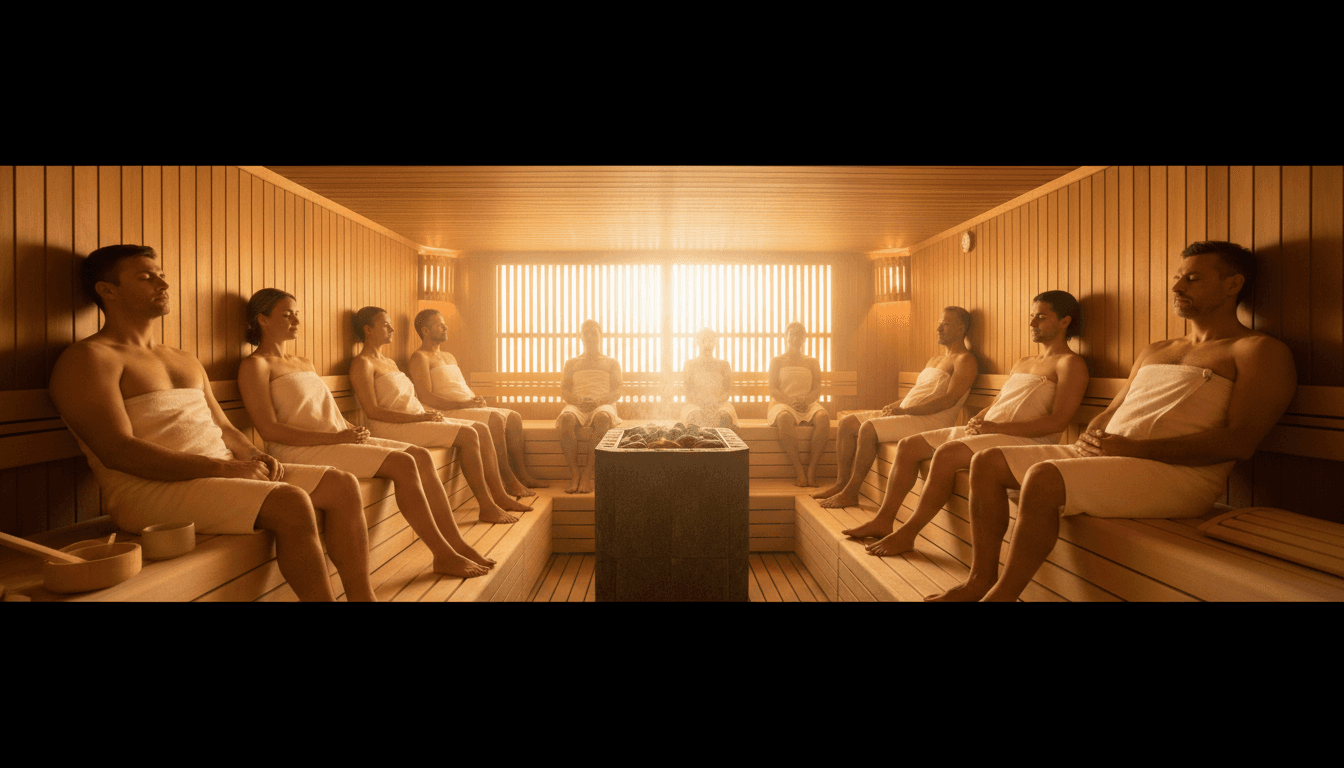
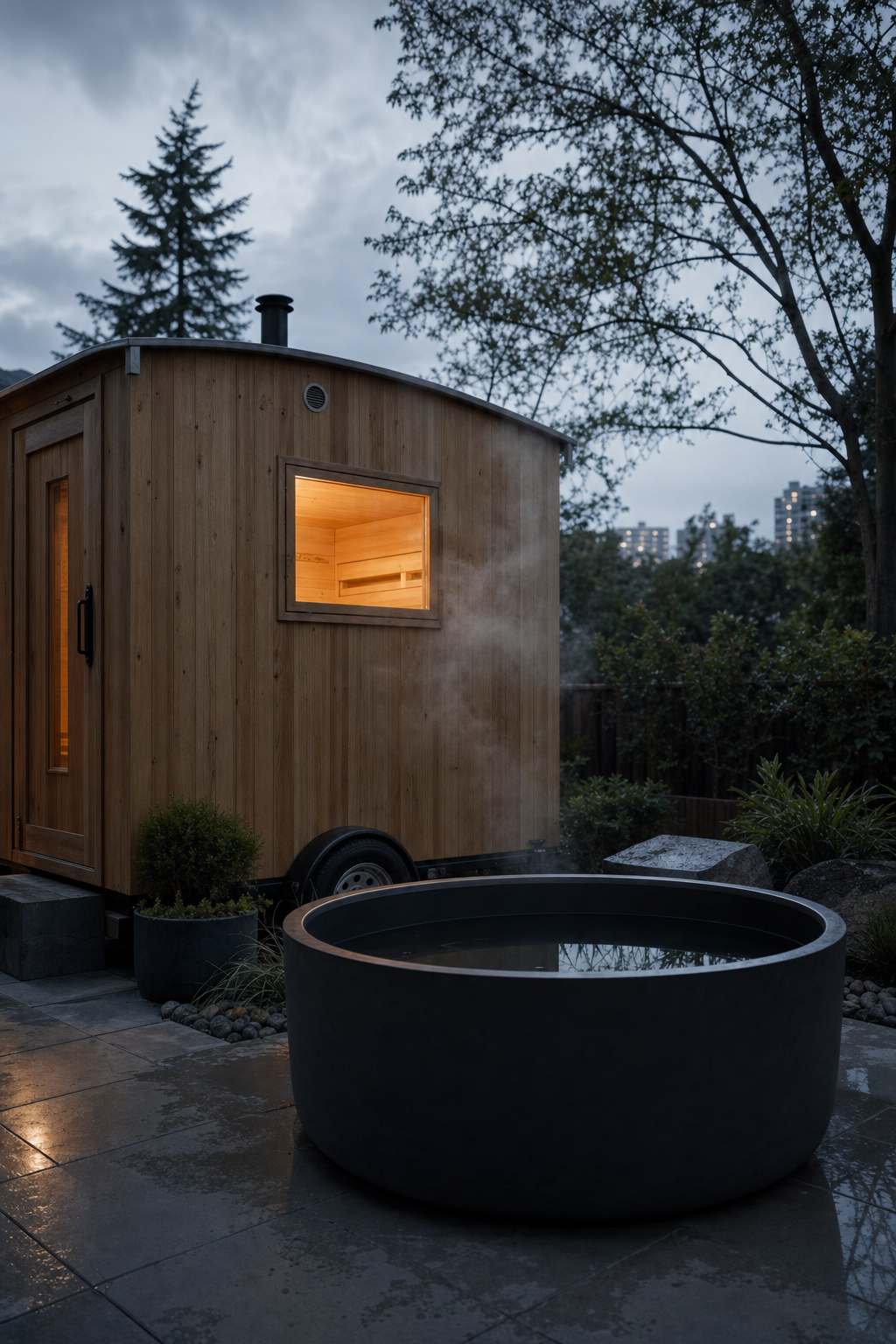
Cold plunges are most effective for immediate injury recovery by reducing inflammation and numbing pain during the acute phase. For comprehensive sauna cold plunge injury recovery Vancouver, heat therapy should be introduced after initial swelling subsides to improve circulation and muscle flexibility.
For the dedicated Vancouver athlete, a sudden injury on the Grouse Grind or a strained ligament from a weekend at Whistler can feel like a significant setback. The immediate instinct is to seek relief, yet choosing between the infrared sauna and the cold plunge often feels like a high stakes guessing game. Using the wrong temperature at the wrong stage of healing can inadvertently prolong inflammation or stall the cellular repair process. Understanding the physiological shift from acute trauma to long term tissue remodeling is essential for returning to your peak performance safely. In this guide, we break down the definitive timeline for thermal recovery. You will learn why the cold plunge is non negotiable in the first 48 hours, when to introduce contrast therapy, and how the sauna accelerates deep tissue repair. We will ensure your recovery is driven by science rather than habit.
The Vancouver Athlete Dilemma: When to Chill and When to Burn
You are halfway down the Grouse Grind when a misplaced step sends a sharp jolt through your ankle, or perhaps a sudden sprint on the Seawall ends with a concerning tug in your hamstring. For the city’s dedicated professionals and weekend warriors, the immediate response is a search for relief. However, a critical question remains: do you head for the ice or seek out the heat?
The choice between a sauna and a cold plunge is more than a matter of preference; it is a physiological decision that can either accelerate your healing or inadvertently stall it. Navigating the nuances of sauna cold plunge injury recovery in Vancouver requires more than just access to high end equipment; it requires a strategic approach to timing. While Nordic Edge offers premium recovery services in Vancouver, the honest truth is that knowing when not to use a specific modality is as vital as the treatment itself.
This article provides a science based timeline for using thermal therapy to return to sport faster. Before you book a recovery session or look into mobile sauna rentals, you must understand how vasoconstriction and vasodilation affect tissue repair. Using the wrong temperature at the wrong stage can increase swelling or blunt necessary inflammatory signals, making an expert protocol essential for high performers who cannot afford extended downtime.
The Acute Phase: Why Cold Plunge Dominates the First 48 Hours
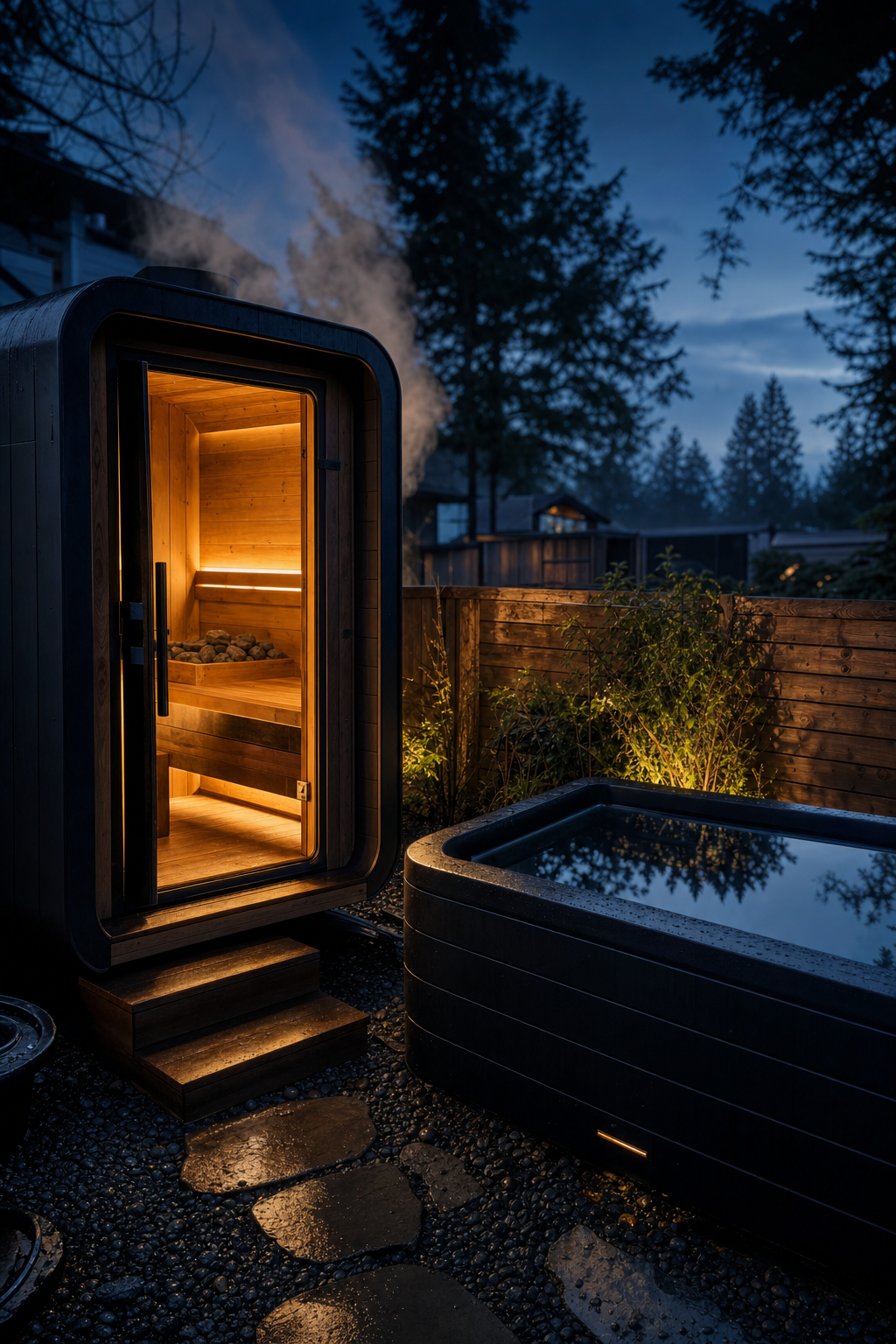
The first 48 hours following a sprain, strain, or impact are defined by an aggressive inflammatory cascade. In this acute window, your primary objective is not to heal the tissue yet, but to limit the collateral damage. When you suffer an injury, the body initiates a localized inflammatory response that can often overcompensate. This leads to what clinicians call secondary hypoxic injury, a process where healthy cells surrounding the initial trauma site perish because excessive swelling prevents adequate oxygen from reaching them.
Immersion in water between 10 and 15 degrees Celsius triggers immediate vasoconstriction. By narrowing the blood vessels, a cold plunge physically restricts the volume of fluid that can leak into the interstitial spaces, effectively capping the swelling before it becomes debilitating. This is the physiological foundation of cold plunge injury recovery. Beyond fluid management, the cold temperature slows the velocity at which nerves conduct signals. This provides a natural analgesic effect, numbing the area and reducing the perception of pain without the systemic side effects of oral anti-inflammatories.
It is vital for the high-performance athlete to distinguish between normal training inflammation and acute injury inflammation. If you have just completed a heavy lifting block, the inflammatory markers in your muscles are necessary signals for hypertrophy and strength adaptation. In that scenario, plunging too soon might blunt your gains. However, when a joint is unstable or a muscle is torn, the rules change. You are no longer chasing adaptation; you are prioritizing tissue preservation.
During this 0 to 48 hour period, localized cold is the gold standard. For those seeking professional-grade temperature control, utilizing specialized recovery services in Vancouver ensures you are hitting the precise thermal range required to trigger these physiological responses. Avoiding heat during this phase is mandatory, as vasodilation can increase internal bleeding and edema, prolonging the time you spend on the sidelines. To manage an immediate injury correctly, you can book a recovery session focused specifically on cold immersion to stabilize the area before transitioning to heat.
The Transition Window: Introducing Contrast Therapy at 72 Hours
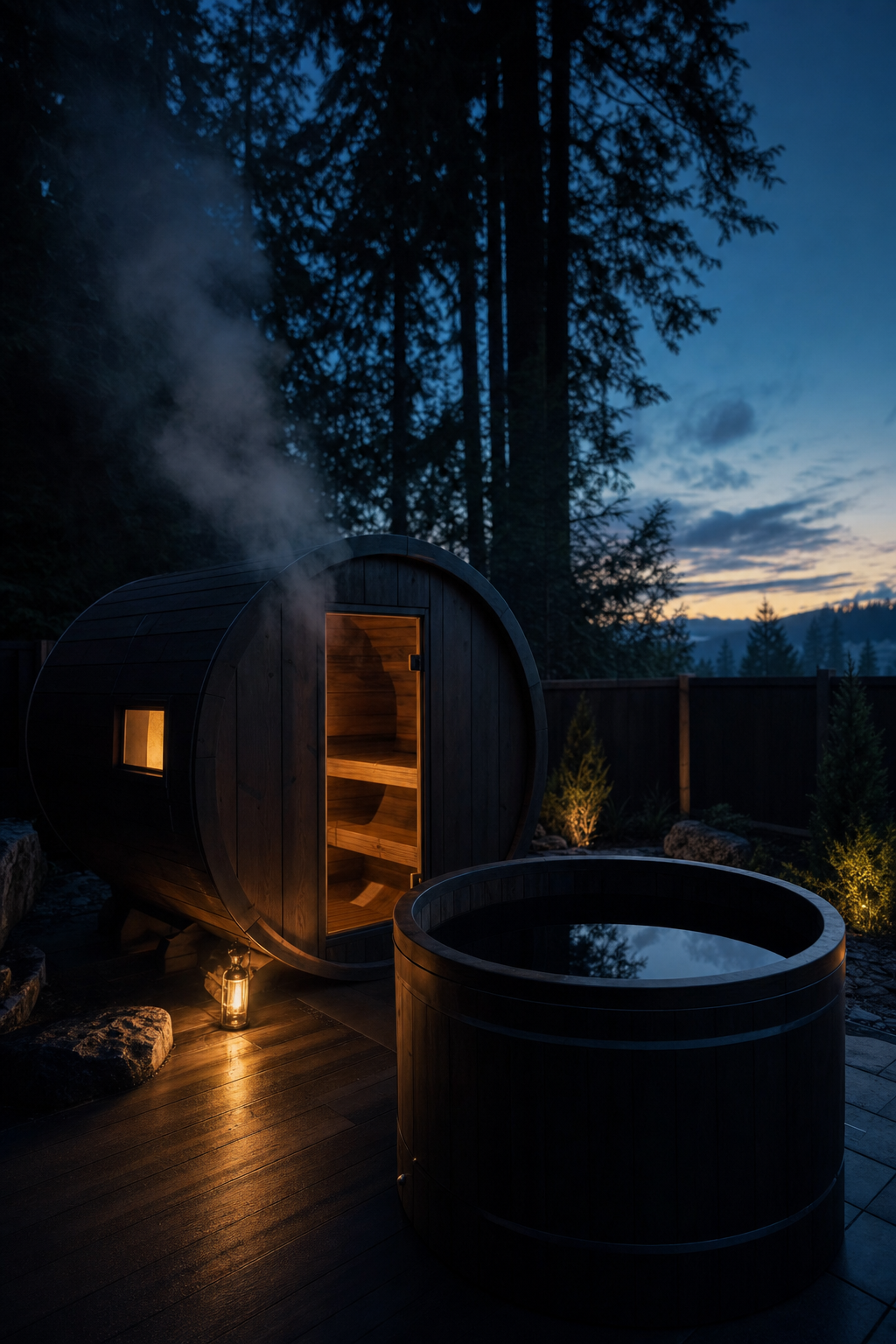
By the 72 hour mark, the initial aggressive swelling has typically peaked. You are likely moving into the sub acute phase, where the primary challenge shifts from containing damage to restoring circulation. At this stage, introducing contrast therapy becomes a sophisticated tool for sauna cold plunge injury recovery in Vancouver. This technique leverages the vascular pump effect, a mechanical process where the body alternates between vasodilation in the heat and vasoconstriction in the cold.
The protocol is specific. Begin with three minutes of heat followed by one minute of cold immersion. Repeat this cycle three to five times. When you enter the sauna, blood vessels expand, drawing oxygenated blood toward the injured tissue. Switching immediately to the cold plunge forces those vessels to constrict, effectively pushing deoxygenated blood and metabolic waste out of the area. This rhythmic cycling clears the stagnant fluid and cellular debris that cause post injury stiffness.
Phase | Modality | Duration | Physiological Goal |
|---|---|---|---|
Heat | Sauna | 3 Minutes | Vasodilation and Tissue Pliability |
Cold | Cold Plunge | 1 Minute | Vasoconstriction and Metabolic Flush |
Repeat | Cycle | 3 to 5 Times | Lymphatic Drainage |
This pumping is particularly effective for Vancouver professionals who need to manage lingering edema without re triggering the massive inflammatory response that prolonged, static heat might cause. By keeping the heat exposure short and immediately following it with cold, you maintain control over the tissue temperature while stimulating the repair process. If you are managing a sub acute injury, utilizing recovery services in Vancouver allows for the precise temperature control needed to execute this 3:1 ratio safely. For those who prefer a private setup at home or a local trailhead, mobile sauna rentals provide the necessary heat source to pair with a cold lake or plunge tank. You can book a recovery session to experience this transition under expert guidance.
The Repair Phase: When Sauna Becomes Your Best Recovery Tool
Once you pass the 72 hour threshold, the biological priority shifts from containing inflammation to actively rebuilding tissue. This is the stage where the sauna becomes the primary driver for sauna cold plunge injury recovery in Vancouver, moving from the protective cooling of the first two days into a phase of active thermal promotion. While the cold was essential for managing the initial trauma, the repair phase requires heat to drive the metabolic processes necessary for long term healing.
When you enter a high heat environment, your body undergoes systemic vasodilation. This expansion of blood vessels increases peripheral blood flow, delivering the oxygen and amino acids required for cellular repair directly to the injury site. Does sauna speed up injury recovery? The science points toward two primary drivers: heat shock proteins and growth hormone. Heat shock proteins act as molecular chaperones, protecting against protein degradation and facilitating the proper folding of new proteins. Concurrently, hyperthermic conditioning has been shown to significantly elevate growth hormone levels, which is a critical factor for repairing damaged muscle fibers and connective tissue.
For the Vancouver professional managing chronic lower back stiffness or an old shoulder injury, this phase is about restoring tissue pliability. Heat reduces the viscosity of synovial fluid in the joints and increases the elasticity of collagen fibers. This makes the sauna particularly effective for lingering injuries that feel locked or stiff during the work week. Utilizing recovery services in Vancouver at this stage allows for sustained thermal exposure that topical patches cannot replicate. For those integrating this into a long term wellness routine, mobile sauna rentals provide the consistency needed to stimulate collagen synthesis over several weeks. You can book a recovery session to transition your recovery protocol from reactive cooling to proactive repair.
Applying the Timeline to Common Vancouver Sports Injuries
Moving from theoretical timelines to practical application helps clarify how to handle specific mishaps on the North Shore trails or in the gym. The physiological requirements of a ligament tear differ significantly from a simple muscular strain. For those navigating sauna cold plunge injury recovery in Vancouver, mapping your thermal exposure to the specific tissue type involved is the most efficient way to reduce downtime.
Injury Scenario | Day 1-2 | Day 3 | Day 4-5 |
|---|---|---|---|
North Vancouver Trail Sprain (Ankle) | Pure Cold Plunge | 3:1 Contrast Therapy | Sauna with Cold Finish |
Kitsilano CrossFit Strain (Lower Back) | Cold Plunge | Contrast Therapy | Full Sauna (Repair Focus) |
Whistler Skier’s Knee / Fatigue | Cold Plunge | Contrast Therapy | Full Sauna (Pliability Focus) |
For a sprained ankle sustained in North Vancouver, the focus must remain on the ligaments. Because ligaments have a lower vascular supply than muscle, they are prone to lingering edema. In this case, cold stays relevant longer. Spend the first 48 hours utilizing recovery services in Vancouver to suppress the inflammatory cascade. By day three, transition to contrast therapy. By day five, the sauna becomes useful for collagen synthesis, but you should always finish with a brief cold soak if the joint still feels heavy or swollen.
When dealing with a lower back strain from a Kitsilano CrossFit session, the goal is to break the muscle spasm cycle. The first 24 hours require cold to numb nerve conduction. However, muscle tissue responds rapidly to heat. Use mobile sauna rentals starting on day three to increase blood flow to the large muscles of the posterior chain. By day five, the heat shock proteins triggered in the sauna will be your primary driver for repairing muscle fibers.
Whistler-related fatigue often manifests as a mix of joint effusion and deep muscular soreness. High performers should book a recovery session for cold immersion immediately following the trip to stabilize the joints. Following the 72 hour mark, prioritize the sauna to restore tissue pliability and reduce the viscosity of the synovial fluid in the knees or shoulders, ensuring you are ready for the next weekend on the slopes.
Safety First: Can a Sauna Make a Sprained Ankle Worse?
A sauna can absolutely exacerbate an acute injury like a sprained ankle if introduced too early. During the first 24 hours, your body is actively working to stop internal bleeding and manage localized trauma. Applying high heat induces systemic vasodilation, which effectively opens the floodgates to the injury site. This increases edema and can physically expand the damaged tissue, potentially setting your recovery timeline back by several days.
For those utilizing recovery services in Vancouver, safety depends on strict environmental control. We often reference the 200 rule, where the sum of the Fahrenheit temperature and the relative humidity percentage should not exceed 200 for those managing sensitive injuries. Beginners, in particular, should avoid extreme settings during the repair phase. High-performance recovery is about precision, not endurance. If you are utilizing mobile sauna rentals, keep the humidity low to prevent overwhelming the cardiovascular system while the body is already under the stress of inflammation.
The most reliable indicator is your own biofeedback. If you feel a rhythmic throbbing or a pulsing sensation in the injured joint while in the heat, your blood pressure is likely aggravating the local tissue. This is a clear signal to exit the heat and return to cold immersion. Before you book a recovery session, ensure you have cleared the initial 48 hour acute window. The goal of sauna cold plunge injury recovery in Vancouver is to work with your physiology, not against it.