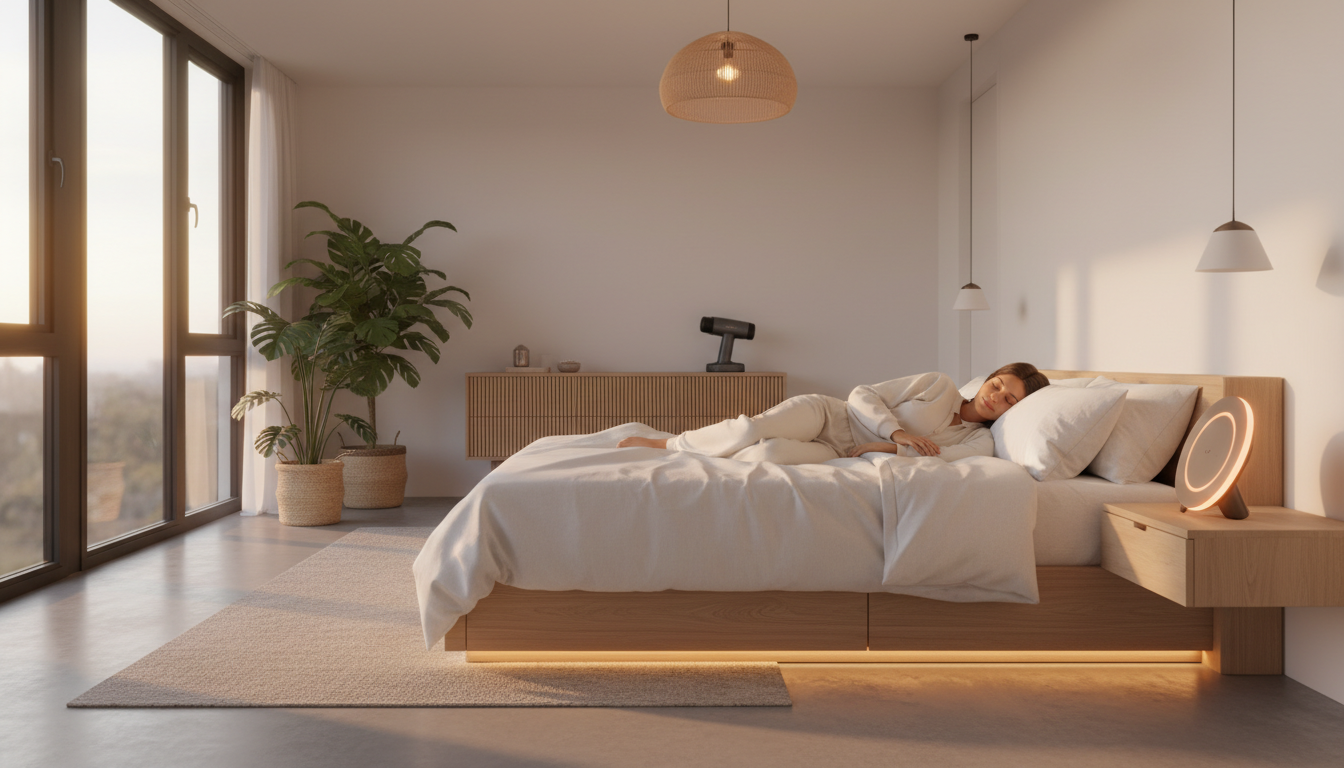
A sauna cold plunge improves sleep quality and reduces insomnia for Vancouver professionals by triggering a rapid drop in core body temperature that signals the brain to rest. This evening protocol supports melatonin production and deep relaxation, which is why a consistent sauna cold plunge sleep quality insomnia Vancouver routine is highly recommended for better nightly recovery.
Living in a fast-paced city like Vancouver means your mind is often still racing long after the workday ends. You might find yourself staring at the ceiling of your Kitsilano home, exhausted yet unable to drift into a deep sleep. This high-performance paradox occurs when your nervous system remains stuck in a sympathetic state, preventing the natural drop in core body temperature required for rest. At Nordic Edge, we believe that recovery is not passive; it is an active discipline. In this guide, we explore the science of thermoregulation and how strategic heat and cold exposure can resolve chronic insomnia. You will learn the exact evening protocol to transition from high-stakes stress to restorative sleep, ensuring you wake up ready for the demands of the West Coast lifestyle.
The High Performance Paradox: Why Vancouver Professionals Struggle to Sleep
Vancouver professionals in tech, finance, and the film industry operate at a relentless pace. You likely spend your days navigating high-stakes meetings or managing complex production schedules, then spend your weekends pushing physical limits on the North Shore trails or the Squamish backcountry. Despite this active, healthy lifestyle, a restful night often remains elusive. This is the Vancouver high performance paradox; the harder you work and play, the more your nervous system stays stuck in an elevated, sympathetic state, making traditional sleep hygiene feel insufficient.
Improving sauna cold plunge sleep quality insomnia Vancouver outcomes requires moving beyond generic advice like cutting caffeine or dimming lights. For a busy professional, sleep recovery must be treated as a biological necessity rather than a luxury. Contrast therapy, the strategic rotation between heat and cold, functions as a powerful tool to reset the circadian rhythm. By leveraging premium recovery experiences to manipulate core body temperature, you can force the physiological shift from high-alert survival mode into the deep, parasympathetic rest required for cognitive and physical repair.
Utilizing mobile sauna rentals allows you to integrate these protocols into your existing routine without the commute to a traditional spa. It is about precision timing and biological signaling. If you are ready to reclaim your nights after a grueling week, you can book your evening session to experience how deliberate thermal stress actually resolves the chronic fatigue cycle.
The Science of Thermoregulation: How Body Temperature Dictates Sleep Quality
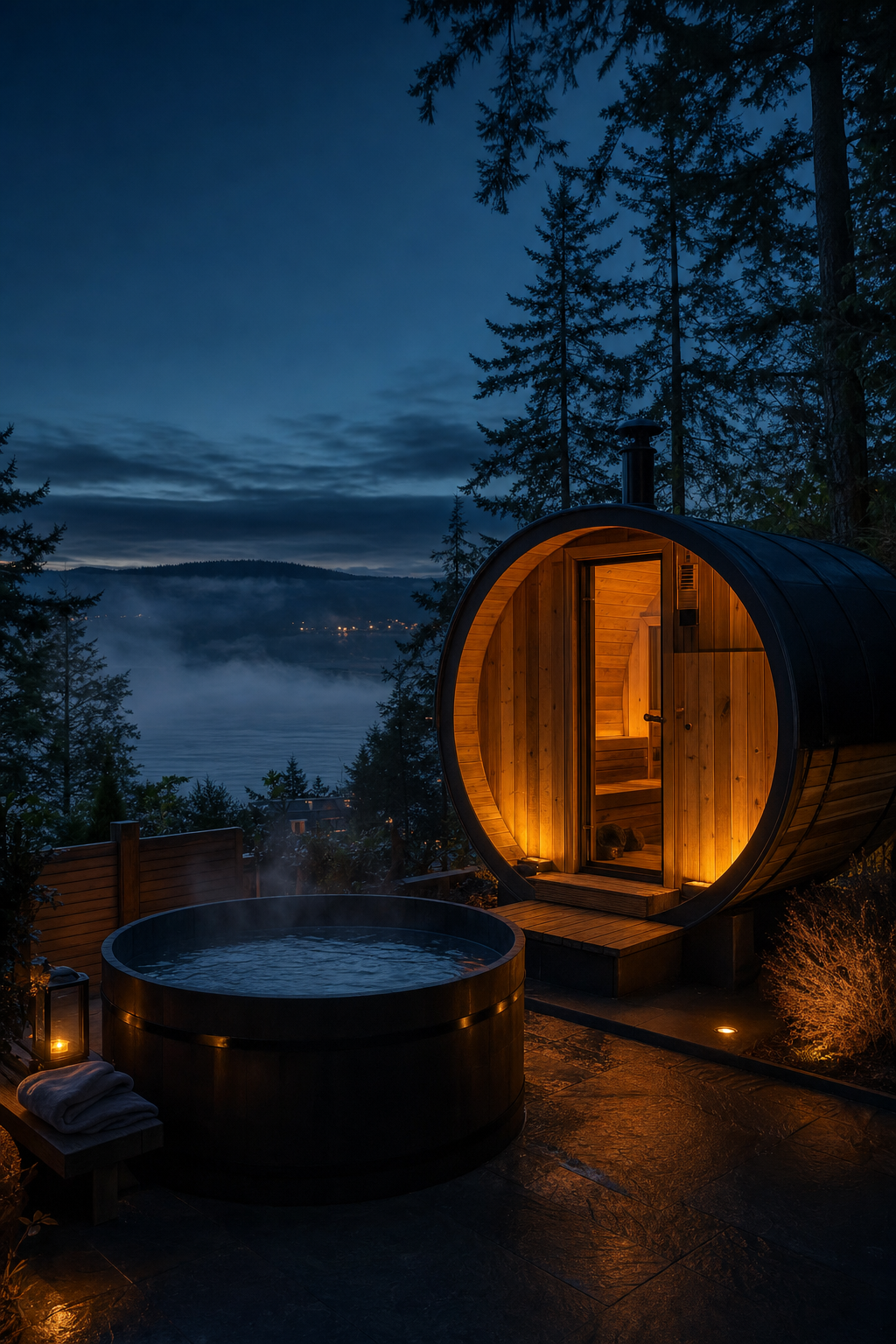
The transition from high-intensity work to deep rest relies on a biological process called thermoregulation. Your circadian rhythm is intrinsically linked to your core body temperature; to initiate sleep, the brain requires a physiological drop of approximately 1 to 2 degrees Fahrenheit. For many Vancouver professionals, the residual stress of a day in the downtown core or a high heart rate session on the North Shore trails keeps the body running too warm, delaying the onset of restorative rest.
Contrast therapy manipulates this temperature curve with surgical precision. When you enter a sauna, your core temperature rises, triggering a robust cooling response. Once you exit, your body begins to shed heat rapidly through vasodilation, the process where blood vessels near the skin surface expand. This creates a steep, artificial decline in temperature that signals the brain to begin the sleep cycle. Research by Laukkanen et al. (2018) supports this mechanism, demonstrating that regular sauna users report significant improvements in subjective sleep quality and a meaningful reduction in clinical insomnia symptoms.
Integrating a cold plunge can further accelerate this cooling process by stripping away residual surface heat, provided the exposure is brief. While heat facilitates muscle relaxation and parasympathetic activation, the cold component must be managed to avoid an adrenaline spike that overrides the cooling benefit. When performed correctly, the combination of a mobile sauna rental and cold exposure creates a more dramatic temperature delta than natural cooling could ever achieve. This physiological reset is why these premium recovery experiences are becoming essential for those seeking to optimize sauna cold plunge sleep quality insomnia Vancouver protocols. By bio-hacking the cooling phase, you are not just hoping for sleep; you are providing the biological trigger your nervous system needs to shut down.
Sauna Before Bed: The Reliable Engine for Insomnia Relief
The sauna serves as the primary engine for shifting the nervous system from a state of high-alert sympathetic dominance to restorative parasympathetic activation. For a professional who has spent ten hours navigating the complexities of a Vancouver film set or a financier managing market volatility, the physical tension held in the neck and shoulders acts as a barrier to rest. Similarly, the local weekend warrior returning from a high-output day in Squamish requires more than just a hot shower to mitigate muscle soreness; the systemic heat of a sauna penetrates deep into the musculature, facilitating a level of relaxation that passive stretching cannot match.
Addressing the common inquiry, "does sauna help with insomnia," the answer lies in the hormonal shift triggered by intense thermal exposure. Heat therapy facilitates a marked reduction in cortisol, the primary stress hormone that often spikes at night for those struggling with racing thoughts. Simultaneously, the subsequent cooling phase promotes the natural release of melatonin. The gold standard for maximizing sauna cold plunge sleep quality insomnia Vancouver protocols is a session performed 15 to 20 minutes in duration, occurring roughly one to two hours before your desired bedtime. This specific window allows the artificial rise in core temperature to peak and begin its rapid descent, perfectly syncing with the body's natural circadian dip.
By utilizing mobile sauna rentals, you can access these premium recovery experiences in the privacy of your own driveway, eliminating the stimulating commute that often follows a visit to a public spa. This ensures that the relaxation achieved is not undone by traffic on the Lions Gate or city noise. If you are struggling to quiet your mind after a demanding week, you should book your evening session to experience how systemic heat can function as a biological off-switch.
The Cold Plunge Conflict: Is It Bad to Cold Plunge Before Bed?
While the sauna is a straightforward sedative, the cold plunge introduces a layer of complexity that often divides the biohacking community. High-profile figures like Andrew Huberman emphasize cold immersion as a tool for morning alertness, citing the significant spike in noradrenaline and adrenaline it triggers. For a Vancouver professional, this catecholamine surge is ideal for a focused morning at a tech firm, but it can be disastrous if timed incorrectly in the evening. The conflict lies in the sympathetic nervous system activation; cold water forces a 'fight or flight' response that sharpens focus and raises metabolic rate, which is the exact opposite of what the brain requires for sleep onset.
To optimize sauna cold plunge sleep quality insomnia Vancouver protocols, you must respect the biological refractory period of these hormones. A cold plunge at 9:00 PM will likely leave you staring at the ceiling, as the adrenaline spike overrides your natural melatonin production. However, the honest nuance is that cold is not inherently 'bad' for sleep; it is a matter of timing and sequencing. A plunge taken at 6:00 PM can serve as a powerful reset, clearing the mental fog of a long commute from North Vancouver or a high-pressure day in the film industry. The key is allowing enough time for the initial sympathetic spike to subside.
Never plunge within 60 minutes of your intended sleep time. To mitigate the risk of alertness, always follow an evening cold session with heat, either through mobile sauna rentals or a warm shower. This transition ensures that the body does not get trapped in a state of thermal defense. By utilizing these premium recovery experiences strategically, you can harness the anti-inflammatory benefits of the cold without sacrificing your rest. If you are unsure how to balance these two extremes, you should book your evening session to experience a guided protocol that prioritizes long-term recovery over immediate stimulation.
The Honest Evening Protocol for Contrast Therapy in Vancouver
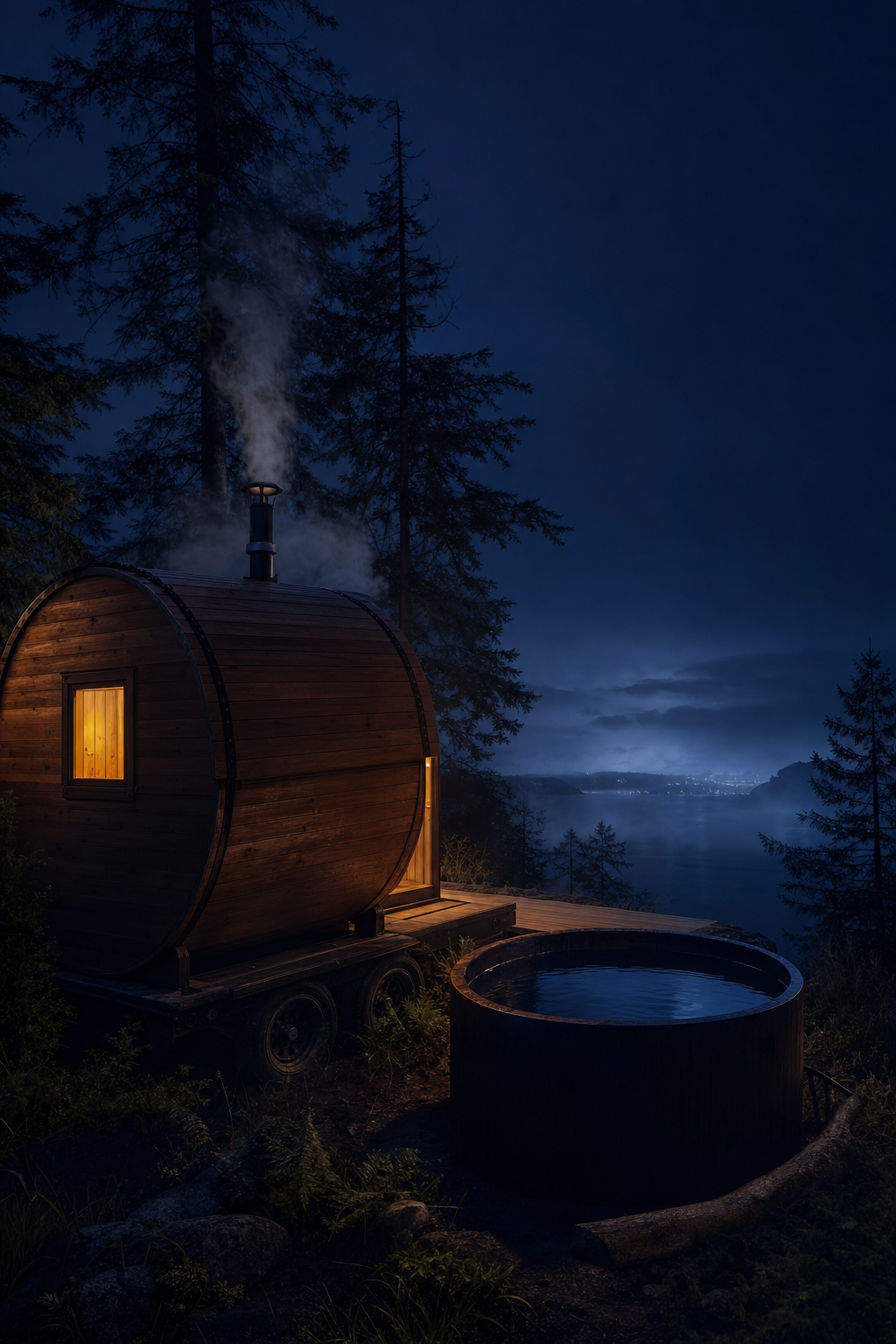
Integrating a recovery session into a busy Vancouver evening requires a logistical shift from the stimulating chaos of the city to the stillness of your home. Whether you are navigating the crawl back to North Vancouver or transitioning from a home office in Kitsilano, your nervous system needs a clear signal that the workday is over. To maximize sauna cold plunge sleep quality insomnia Vancouver outcomes, the protocol must focus on total systemic relaxation rather than the metabolic shock typically used for morning energy.
The following timeline is designed for a professional aiming for an 11:00 PM lights-out, allowing for a precise descent in core body temperature:
Time | Action | Purpose |
|---|---|---|
6:30 PM | Post-Work Transition | Disconnect from digital devices and finish dinner. |
7:30 PM | 15-20 Min Sauna | Initiate parasympathetic activation and raise core temperature. |
7:50 PM | 2-3 Min Cold Plunge | Brief thermal reset to facilitate rapid cooling later. |
8:00 PM | 10 Min Final Sauna | End on heat to maintain vasodilation and relax musculature. |
8:15 PM | Natural Cool Down | Towel off and allow the body to shed heat in a temperate room. |
Crucially, this protocol dictates that you end on heat. While ending on cold is the preferred method for morning alertness, it keeps the sympathetic nervous system active as the body fights to warm itself back up. By finishing with a final sauna round, you ensure your blood vessels remain dilated and your core temperature is artificially high. As you step out, the subsequent rapid drop in temperature mimics the body’s natural circadian cooling phase, triggering the brain to release melatonin. This sequence effectively bypasses the noradrenaline spike that might otherwise keep you awake.
Utilizing mobile sauna rentals makes this level of precision possible by bringing the infrastructure directly to your residence. Instead of driving through traffic while in a relaxed state, you can step straight from your driveway into your evening wind down routine. These premium recovery experiences are designed to bridge the gap between high performance activity and restorative rest. To begin optimizing your own evening routine, you should book your evening session and experience the physiological shift firsthand.
Common Pitfalls: What Not to Do for Sleep Recovery
Avoid the temptation to extend heat sessions beyond the recommended timeframe. While a 15 minute round is restorative, pushing past 30 minutes in the heat can lead to excessive thermal stress. This elevates your resting heart rate and stimulates cortisol production, which creates a physiological second wind that is detrimental to sleep. For those utilizing mobile sauna rentals, consistency over intensity is the primary metric for success.
The afterdrop effect is a critical consideration for the cold component of your routine. This phenomenon occurs when cold blood from your extremities returns to your core after you exit the water, causing your internal temperature to continue falling even after you are dry. Attempting to sleep immediately after a plunge can lead to shivering or intense discomfort as your body struggles to stabilize. Allow your system at least 45 minutes of natural rewarming or use a final heat cycle to buffer this effect before getting under the covers.
Finally, avoid combining these premium recovery experiences with alcohol. While a drink might feel like a sedative, it impairs the vasodilation process and disrupts the REM cycles necessary for cognitive repair. To ensure your investment in recovery yields actual results, you should book your evening session with the intention of staying hydrated and focused on the biological protocol rather than social indulgence.
Using contrast therapy is a powerful way for Vancouver professionals to recalibrate their sleep cycles and find deeper rest after a long workday. By balancing intense heat with refreshing cold exposure, you can signal to your nervous system that it is time to recover. If you want expert help integrating these recovery tools into your home or office, we invite you to explore our Services today. Our team can help you build the perfect environment for lasting health and better nights.