
Sauna and cold plunge therapy can accelerate concussion recovery by improving blood flow and stimulating protective heat shock proteins after the initial acute phase of the injury. Vancouver residents should avoid intense heat for at least three weeks following a head injury; however, they can eventually utilize a sauna cold plunge concussion recovery Vancouver protocol to alleviate muscle tension and support long-term brain health.
For Vancouver athletes and active professionals, a concussion is more than a lingering headache; it is a forced disconnection from the trails, the ice, and your daily productivity. The persistent brain fog and sensory overload can make your usual high performance feel like a distant memory. Navigating the delicate balance of recovery requires more than just rest; it demands a precise, evidence based approach to thermal therapy. At Nordic Edge, we prioritize physiological safety over quick fixes. This guide details the essential recovery timeline for integrating sauna and cold plunge therapy into your protocol. You will learn why the initial seventy-two hours require total heat avoidance, how cold immersion targets neuroinflammation, and the specific markers that indicate when your brain is ready for heat shock protein activation.
The High Stakes of Concussion Recovery for Vancouver Athletes
Vancouver is a city defined by high-impact pursuits. For the high-end professionals and weekend warriors who balance boardroom meetings with technical descents on the North Shore or physical adult-league hockey at Burnaby 8 Rinks, the physical stakes are high. While these activities build resilience, they also carry the risk of mild Traumatic Brain Injuries (mTBI). In our local athletic communities, mTBI is more prevalent than many realize, often sidelined as a minor bump until cognitive symptoms take hold.
When dealing with standard physical fatigue, our recovery services are a go-to solution. However, navigating a sauna cold plunge concussion recovery Vancouver protocol requires more than just a general wellness approach. Unlike a torn meniscus or a strained back, the brain requires a highly specialized, sequenced recovery process. The common question of whether heat or cold is safe does not have a simple yes or no answer; it depends entirely on the window of time since the injury occurred.
This guide moves beyond generic advice to provide a clear, timeline-based framework for safely reintroducing contrast therapy. Whether you are managing symptoms at home through mobile sauna rentals or working with a specialist, understanding the physiological shifts in the days following a head injury is critical for protecting long-term executive performance. If you have specific questions about your recovery phase, you can contact our team for guidance.
Why You Must Avoid the Sauna in the Acute Phase (First 72 Hours)
The primary question for many athletes immediately following an impact is: "Is heat bad for a concussion?" In the acute phase, which spans the first 24 to 72 hours, the answer is a definitive yes. The core issue lies in vasodilation. Under normal circumstances, the way a sauna opens blood vessels is a premium recovery asset. However, a brain recently subjected to trauma is in a state of metabolic crisis. It is managing intense neuroinflammation and delicate shifts in intracranial pressure.
Introducing intense heat during this critical window can be dangerous. Vasodilation increases the volume of blood entering the skull, which can exacerbate thumping headaches, light sensitivity, and dizziness. More critically, it can complicate the brain’s ability to regulate its own environment, potentially heightening the risks associated with second-impact syndrome. This is the physiological basis for the "What Not to Do" lists found in standard medical advice. While those lists often provide a blanket prohibition, the nuance lies in the specific timing of the inflammatory response.
During these first three days, the goal is stabilization, not stimulation. High-end professionals in the Lower Mainland often feel the urge to "sweat it out" to maintain their routine, but heat at this stage is counterproductive. For anyone navigating a sauna cold plunge concussion recovery Vancouver protocol, this initial 72-hour period must be dedicated to physical and cognitive rest. Pushing the system too early can extend the duration of symptoms and delay when you can safely return to using our recovery services for actual rehabilitation. If you are unsure if you have passed this acute window, we recommend you contact our team before scheduling any heat exposure.
The Transition Window: When Can You Start Contrast Therapy?
Transitioning from total rest to active rehabilitation marks the most critical phase of a sauna cold plunge concussion recovery Vancouver protocol. This middle ground is where athletes often feel restless, yet the brain remains sensitive to environmental stressors. To navigate this, apply a modified 20-20-20 rule. While usually reserved for screen time, this principle serves as a framework for managing sensory input; engage in a low-stimulus activity for 20 minutes, then rest for 20 minutes, ensuring your nervous system has time to recalibrate.
The move toward recovery services should only begin once you reach the 15 minute threshold. This means you can participate in light aerobic activity, such as a brisk walk along the Seawall, without an increase in symptoms that lasts longer than 15 minutes. If a headache or dizziness subsides quickly after exertion, your brain is likely ready for controlled physiological stress. This transition window is about testing tolerance; you are moving away from the dark room approach and toward rebuilding resilience. By respecting these specific markers, you ensure that the introduction of heat or cold helps the healing process rather than triggering a relapse in cognitive fatigue. This stage bridges the gap between total inactivity and the neuroprotective benefits of full contrast therapy.
Cold Plunge and Concussion: Reducing Neuroinflammation
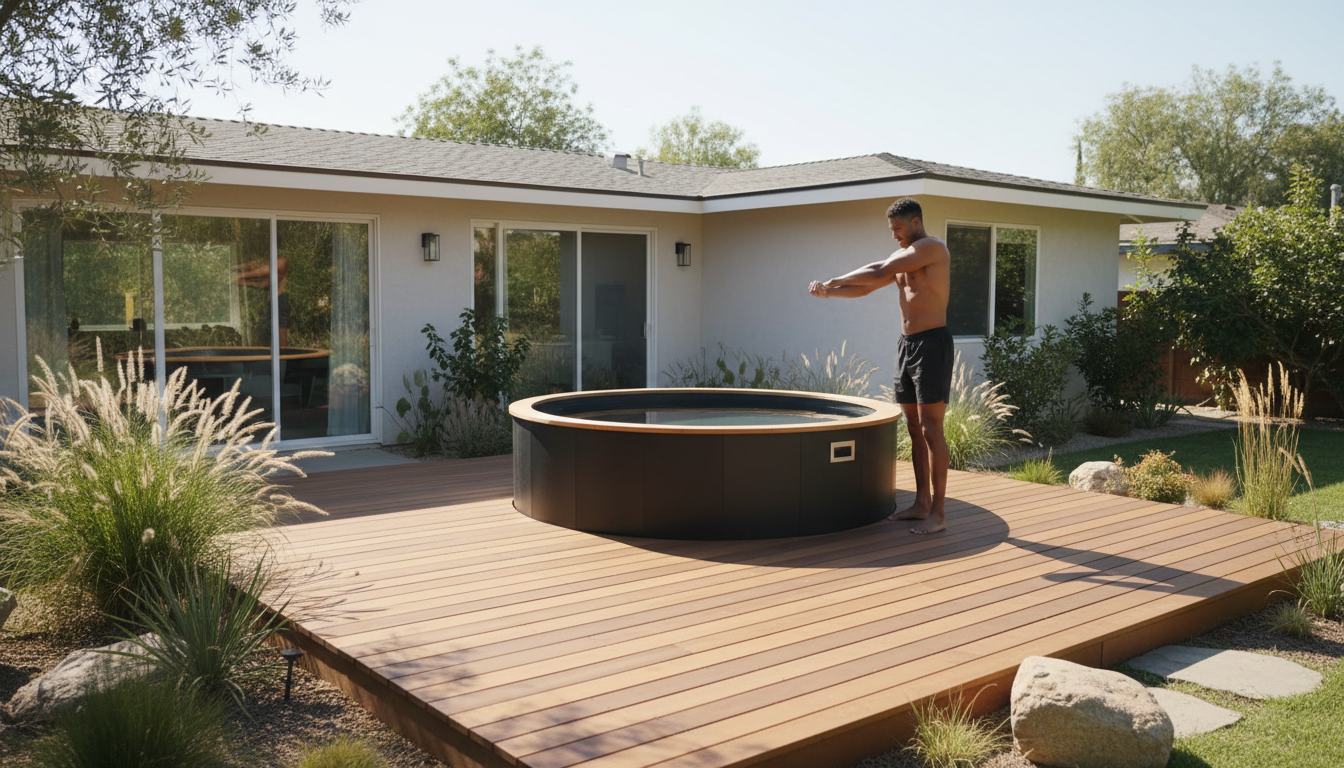
Once you have cleared the initial 72 hour inflammatory window, the cold plunge becomes a primary tool in a sauna cold plunge concussion recovery Vancouver protocol. The focus shifts from stabilization to the active reduction of neuroinflammation and the recalibration of the autonomic nervous system (ANS). Post Concussion Syndrome (PCS) frequently manifests as dysautonomia, where the body remains locked in a sympathetic, high stress state. This can lead to persistent anxiety, sleep disturbances, and an elevated resting heart rate. Cold water immersion triggers the vagus nerve, forcing the body into a parasympathetic state that promotes systemic calm and resets the communication between the brain and the heart.
The psychological toll of a concussion is often compounded by Vancouver’s rainy season, where forced rest in grey weather can lead to depression and brain fog. A common question athletes ask is, "Does taking a cold plunge increase dopamine levels?" Research indicates that cold exposure can trigger a sustained release of dopamine, increasing baseline levels by up to 250 percent. This neurochemical boost provides the mental clarity and mood elevation needed to navigate the cognitive fatigue associated with recovery. Unlike a caffeine spike, this increase is steady, helping athletes maintain executive function while they are away from their usual high performance environments.
Utilizing recovery services for cold exposure during this stage allows for a controlled, therapeutic environment. This exposure should be brief and monitored to ensure it does not overtax the nervous system. If you prefer to manage this process privately, mobile sauna rentals provide the flexibility to pair heat and cold in a low stimulus, familiar setting at home. For specific safety parameters regarding your current symptom score, we encourage you to contact our team.
The Sauna Benefit: Heat Shock Proteins and Brain Repair
Once the acute inflammatory period has passed and your autonomic nervous system has stabilized through cold exposure, the focus of a sauna cold plunge concussion recovery Vancouver protocol shifts toward long term neuroprotection and tissue repair. Controlled heat stress in a sauna environment triggers the production of Heat Shock Proteins (HSPs) and Brain-Derived Neurotrophic Factor (BDNF). While the cold addresses the immediate metabolic crisis, heat acts as a catalyst for the brain's internal repair mechanisms.
HSPs function as molecular chaperones, identifying and repairing damaged proteins that occur when brain cells are subjected to trauma. This cellular maintenance is critical for preventing the long term degradation of neurons that can lead to persistent cognitive deficits. Simultaneously, the elevation of BDNF acts as a growth factor for neuroplasticity. For a high end professional in Vancouver, this stage of recovery is not merely about returning to the gym; it is about restoring executive performance. BDNF facilitates the re-wiring of neural pathways, helping to resolve the cognitive sluggishness, verbal dysfluency, and decision fatigue that often linger after a concussion.
Incorporating our recovery services at this stage leverages these biological pathways to accelerate the return to baseline cognitive function. By improving endothelial function and increasing cerebral blood flow in a controlled, non impact setting, the sauna helps the brain rebuild its resilience. If you are seeking a quiet, controlled environment to begin this phase of healing, our mobile sauna rentals offer a private space to manage heat exposure without the sensory overload of a commercial facility. As always, if you notice any return of symptoms during your session, you should contact our team to adjust your protocol intensity.
Nordic Edge Recovery Timeline for Concussion Recovery
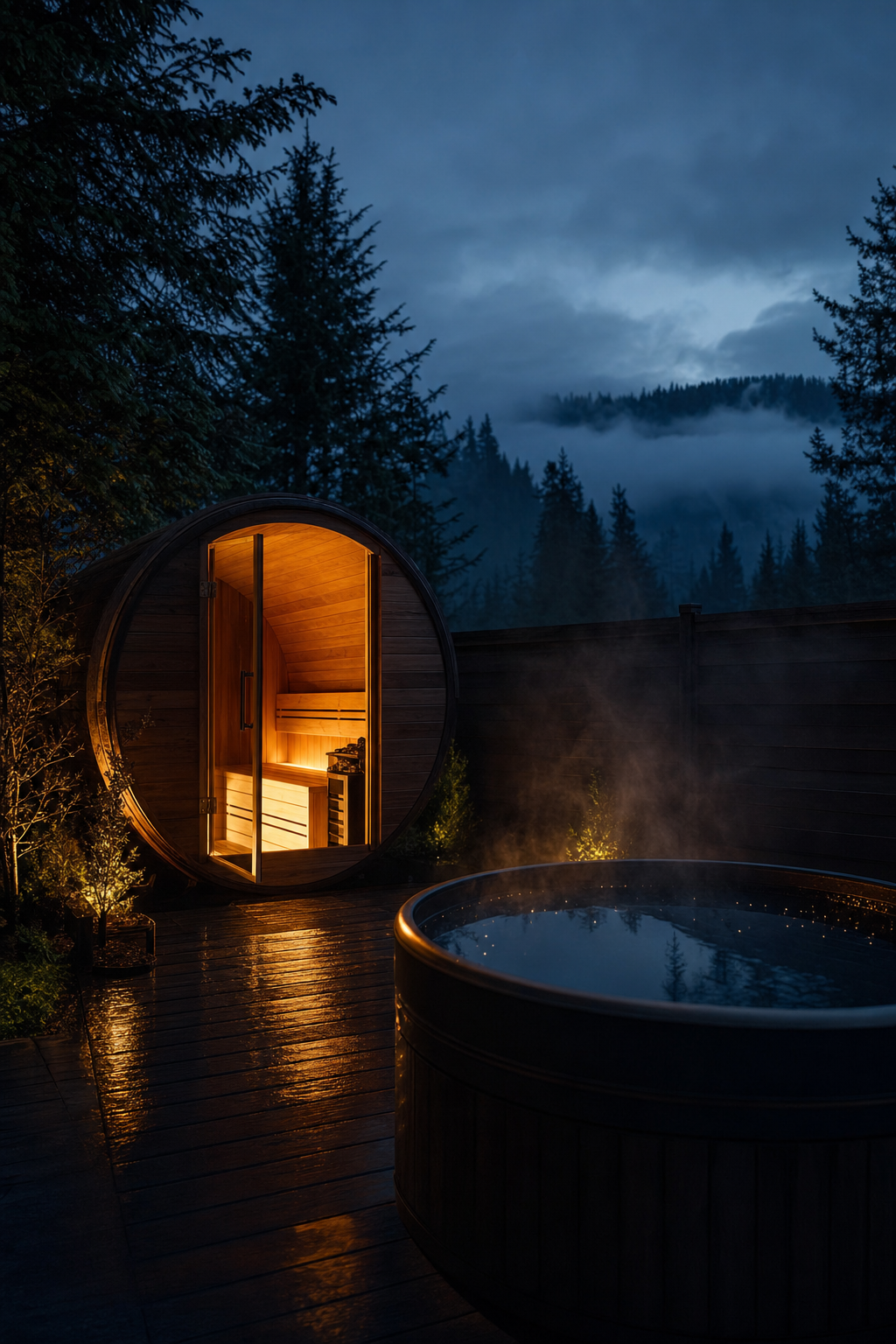
Successfully navigating this biological repair process requires a structured timeline rather than a guess-and-check method. A strategic sauna cold plunge concussion recovery Vancouver protocol must be incremental, ensuring the brain is never overwhelmed by sudden physiological shifts. This phased approach prioritizes the stabilization of the nervous system before introducing more intense stressors.
Phase | Timing | Protocol | Goal |
|---|---|---|---|
Phase 1: Cooling | Weeks 0 to 1 | No heat. Cold plunge only (60 to 90 seconds) if tolerated without symptom spikes. | Control neuroinflammation and calm the ANS. |
Phase 2: Introduction | Weeks 2 to 3 | Low-heat sauna (max 10 minutes). Follow with a lukewarm rinse rather than a cold plunge. | Test heat tolerance and trigger HSP production. |
Phase 3: Resilience | Weeks 4+ | Full contrast therapy. 15 to 20 minute sauna followed by a 3 to 5 minute cold plunge. | Rebuild systemic resilience and cognitive focus. |
Precise hydration is paramount throughout this process. Consult our 'Honest Fluid Loss Guide' to ensure you are replenishing electrolytes and fluids, as even mild dehydration can mimic and worsen post-concussion headaches. For many Vancouver athletes, the sensory environment is just as important as the temperature. The bright lights and high-decibel noise of a public gym can easily trigger a relapse. Utilizing mobile sauna rentals allows you to facilitate your recovery services in a controlled, low-stimulus environment at home. If you are unsure which phase aligns with your current symptoms, contact our team to discuss a personalized approach.
Red Flags: When to Exit the Sauna or Cold Plunge
Adhering to a structured timeline is essential, but internal physiological feedback remains your most reliable guide during a sauna cold plunge concussion recovery Vancouver protocol. Because the brain remains sensitive to shifts in blood flow and core temperature, you must maintain a high level of vigilance during every session. Immediate red flags include the sudden onset of a thumping headache, increased dizziness, or a sharp sensitivity to the interior sauna lighting. If you experience cognitive fog or a sense of disorientation while in the water or heat, terminate the session immediately.
High-performance athletes often default to a "pushing through" mentality; however, this approach is actively counterproductive for a healing brain. Forcing a session despite rising symptoms can trigger a metabolic setback that delays your return to work and sport. Before initiating any recovery services, we strongly advise consulting with a Vancouver-based concussion clinic or a qualified sports medicine specialist to establish your baseline. If you are managing your protocol through mobile sauna rentals at home, ensure you have a partner nearby to monitor your status. If your symptom baseline changes or plateaus, contact our team to adjust your schedule until you receive further medical clearance.
Navigating the intersection of sauna and cold therapy requires a careful understanding of how temperature affects concussion recovery. By following a structured timeline, you can safely leverage these tools to reduce inflammation and promote neurological healing. If you want expert help designing a protocol that fits your specific recovery goals, you can learn more about our approach at Nordic Edge. We focus on providing the right environment and guidance for your long term wellness journey.