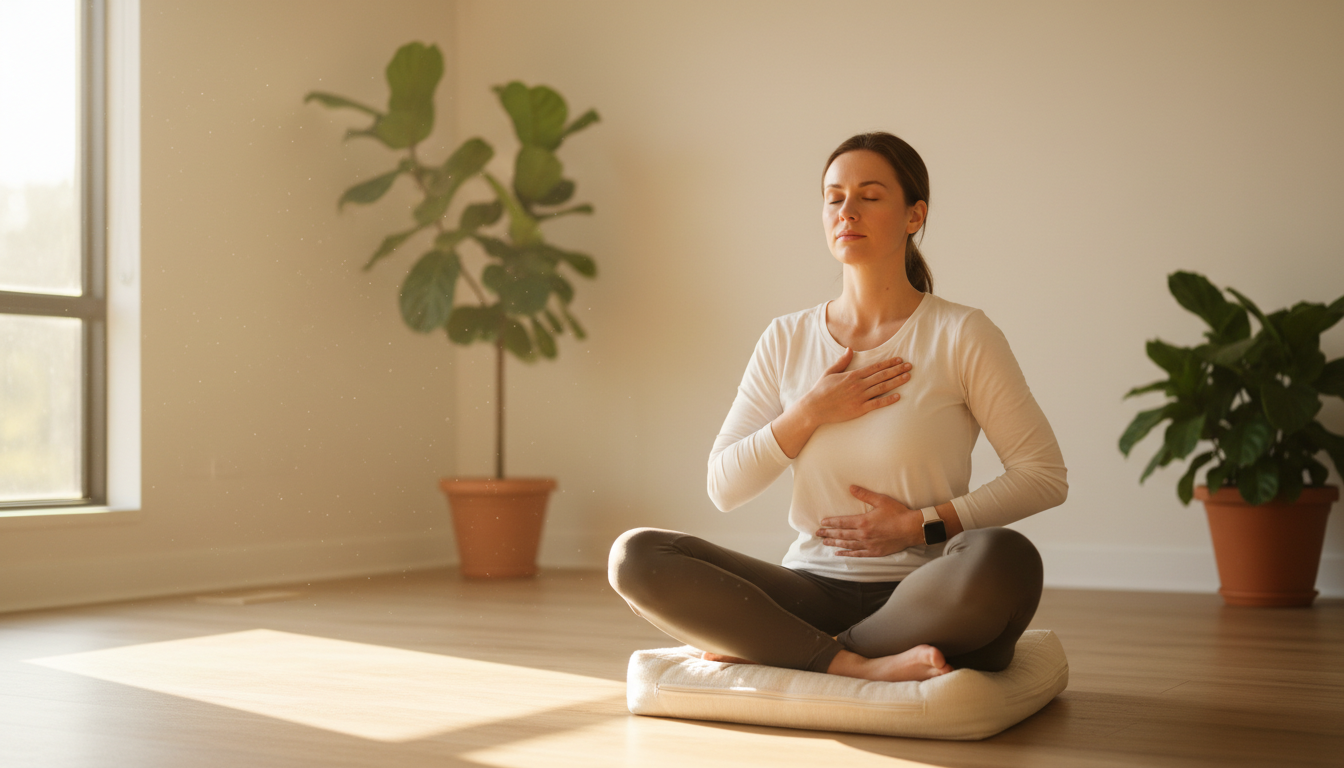
The most effective cold plunge breathing technique sauna Vancouver enthusiasts can use involves slow, deep nasal inhalations and extended exhalations to activate the parasympathetic nervous system. Practicing box breathing or cyclic sighing helps mitigate the initial cold shock response, ensuring a calm and controlled transition from the heat of the sauna. This method allows for better heart rate regulation and mental focus during the immersion process.
Stepping from the radiant heat of a sauna into a Vancouver cold plunge often triggers an immediate, reflexive gasp that signals a loss of nervous system control. For many local professionals seeking recovery, this panic response undermines the therapeutic benefits of the contrast cycle; it leaves the body feeling more stressed than rejuvenated. Mastering your breath is the only way to transition from surviving the water to actually thriving within it. In this guide, we explore the precise physiology of the cold shock response within our coastal climate. You will learn a structured sequence that begins with pre-plunge preparation in the sauna, followed by practical techniques for the critical first thirty seconds. From cyclic sighing to advanced methods, we provide the specific tools needed to maintain composure and unlock the true potential of your contrast therapy routine.
The Physiology of the Cold Shock Response in Vancouver Coastal Climates
Vancouverites are accustomed to the damp, temperate rainforest climate of British Columbia. While a morning fog or a brisk walk along the Seawall feels manageable, submerged entry into 5 to 10 degree Celsius water presents a radical physiological challenge. This immediate immersion triggers the 'gasp reflex,' a sudden, involuntary inhalation caused by the rapid cooling of skin receptors. In this moment, the sympathetic nervous system takes total control, flooding the body with cortisol and adrenaline as it interprets the cold as a survival threat.
The honest objective of a cold plunge breathing technique sauna Vancouver enthusiasts use is not to eliminate this shock. The shock is a biological certainty. Instead, the focus is on managing the transition from an alarm state to a controlled state. When you hit the water, your heart rate spikes and your breathing becomes shallow and erratic. This is the autonomic nervous system operating on autopilot.
To regain control, you must interface with the Vagus nerve, the primary component of the parasympathetic nervous system. Think of the Vagus nerve as the brake pedal for your internal stress response. Because breathing is the only autonomic function you can consciously influence, it acts as a remote control for your internal chemistry. By mastering specific respiratory patterns, Vancouver professionals can override the flight response, shifting the body from panic into the deep, premium recovery experiences that Nordic Edge facilitates. Understanding this physiological baseline is the first step toward high-level stress inoculation. If you are ready to test these limits, you can contact Nordic Edge to learn more about our mobile setups.
Phase 1: Pre-Plunge Breathing While Inside the Sauna
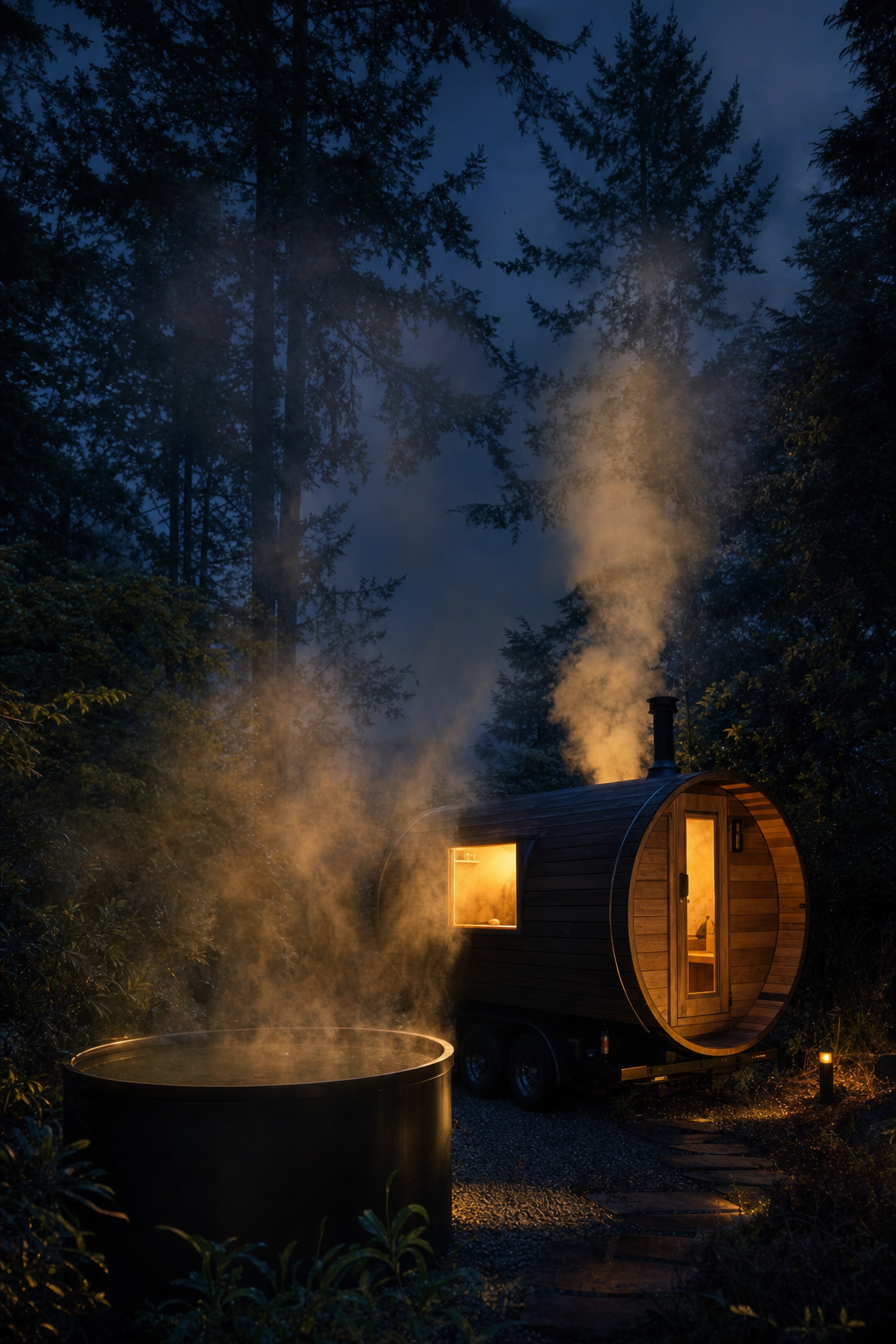
Effective preparation begins while you are still enveloped in the dry heat of the sauna. Unlike general guides that focus solely on the water, the Nordic Edge approach emphasizes the critical heat-to-cold transition. During the final three minutes of your session, shift your focus entirely to nasal breathing. Mouth breathing in a high-temperature environment can over-stimulate your heart rate and trigger a premature sympathetic response, making the subsequent plunge feel more chaotic than necessary.
To lower your baseline heart rate and prepare for the high-intensity shift, utilize the Box Breathing method. This structured cold plunge breathing technique sauna Vancouver professionals utilize involves a specific four-part cycle:
Inhale through the nose for 4 seconds.
Hold the breath at the top for 4 seconds.
Exhale slowly through the nose for 4 seconds.
Hold the empty state for 4 seconds.
This practice creates a 'buffer' for the nervous system. By entering the water from a state of controlled deceleration rather than heat-induced agitation, you ensure your premium recovery experiences are grounded in physiological mastery. This foundational calm is what allows a high-performing professional to maintain executive function when the thermal shock eventually hits. If you have questions about specific durations for your session, you can contact Nordic Edge for personalized guidance.
The Honest Entry Sequence: Surviving the First 30 Seconds
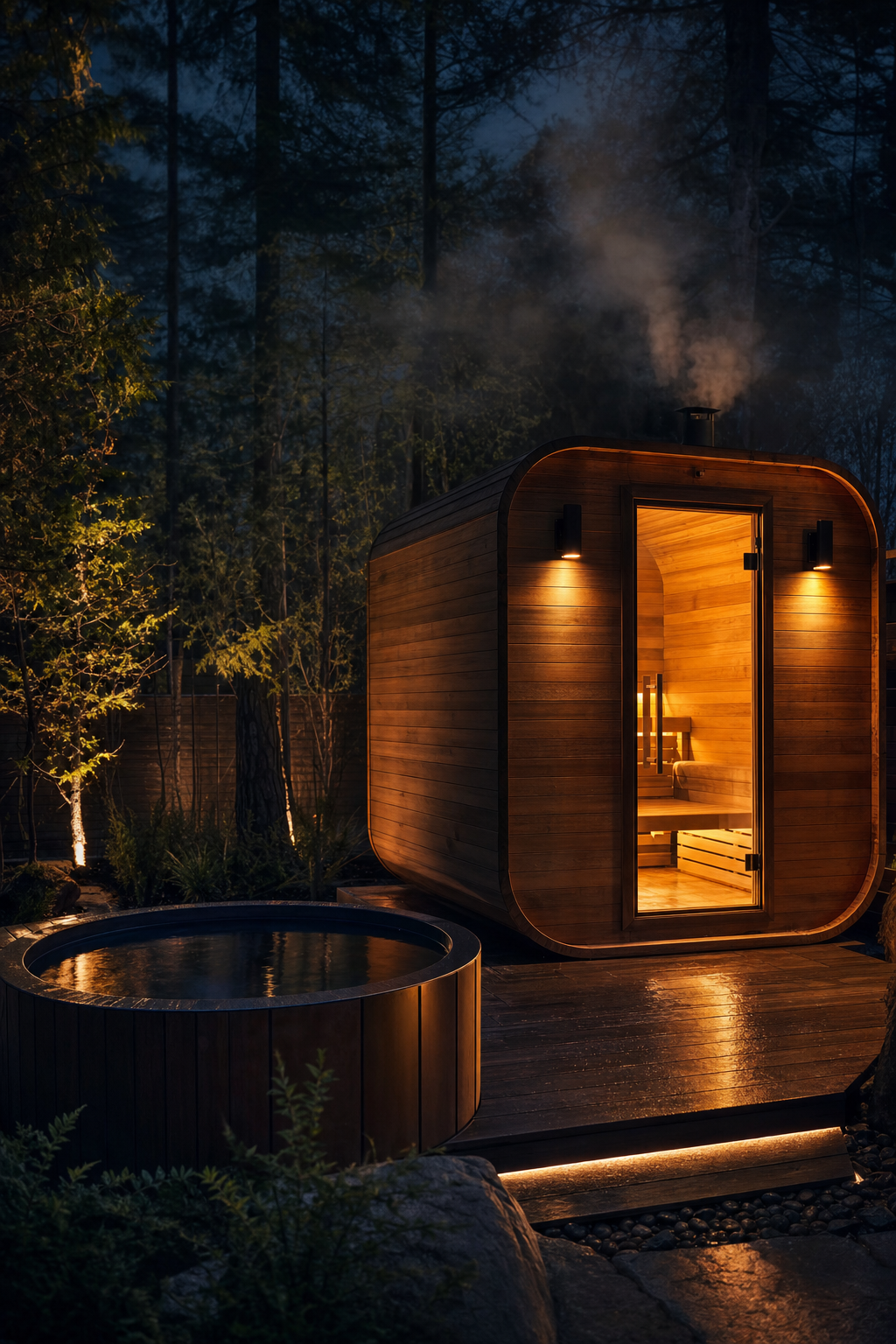
Transitioning from the dry heat of the sauna to the plunge basin requires more than just willpower; it requires a mechanical sequence that overrides your biology. The moment of impact is where most beginners fail, but by following a structured cold plunge breathing technique sauna Vancouver experts recommend, you can bypass the initial panic. This sequence is designed to move you through the three critical stages of the first thirty seconds.
### Step 1: The Full Exhale Entry (0–5 Seconds) As you step toward the water, resist the urge to take a large, preparatory gulp of air. Instead, perform the Full Exhale Entry. Empty your lungs as you lower your body into the basin. When your chest and shoulders hit the 5 degree water, your diaphragm will instinctively want to snap upward in a "panic gasp." If your lungs are already empty, this reflex is physically neutralized. By arriving at full immersion on an empty lung, you prevent the erratic hyperventilation that often forces a premature exit from premium recovery experiences.
### Step 2: The Humming Exhale (5–20 Seconds) Once submerged to the collarbone, the goal is to manage the remaining CO2 in your system. Use a long, audible hum or a sustained "shhhh" sound for the next fifteen seconds. This vocalization serves as a pacing mechanism, forcing your body to release air slowly rather than in short, jagged bursts. The vibration of a hum also provides a secondary benefit by stimulating the Vagus nerve, which signals the brain to begin the shift from sympathetic arousal to parasympathetic regulation. This technique is particularly effective for Vancouver professionals who need to regain executive control quickly after a high-stress stimulus.
### Step 3: The Transition to Stillness (20–30+ Seconds) At the thirty-second mark, your physiology reaches a tipping point. The skin’s thermoreceptors begin to stabilize, and the body moves from a "flight" response into a more focused state. This is the moment to transition to deep belly breathing. Shift your focus away from the mouth and begin inhaling slowly through the nose, expanding your abdomen rather than your chest. This diaphragmatic movement ensures you are accessing the lower lobes of the lungs, which are highly vascularized and optimize oxygen exchange. Maintaining this calm, rhythmic pattern is the hallmark of a successful plunge. If you are interested in incorporating these techniques into your routine, you can contact Nordic Edge to discuss our mobile setups and recovery protocols.
Advanced Techniques: Wim Hof vs Cyclic Sighing in the Cold
As you move beyond the initial thirty second survival phase, you can begin to utilize specific protocols to manipulate your internal state. The most common inquiry we receive regarding mobile sauna rentals involves the Wim Hof Method. While highly effective, it is often misunderstood in the context of cold immersion. Wim Hof breathing is a form of controlled hyperventilation designed to spike adrenaline and alkalize the blood. This provides a massive hit of energy and 'fire' before you enter the water. However, a critical safety rule applies: you must never perform Wim Hof breathing while actually submerged. The drop in CO2 can mask the body’s urge to breathe, leading to a shallow water blackout. This technique is strictly a preparatory tool to be used on dry land before the plunge begins.
For the duration of the immersion, we recommend Cyclic Sighing. Recent physiological research identifies this as a superior cold plunge breathing technique sauna Vancouver enthusiasts can use for immediate nervous system down-regulation. It is safer for the solo weekend warrior and more effective at lowering the heart rate than hyperventilation.
Technique | Primary Purpose | Timing | Execution |
|---|---|---|---|
Wim Hof | Adrenaline spike and metabolic 'fire' | Pre-plunge (Dry land only) | 30-40 deep power breaths followed by a retention hold. |
Cyclic Sighing | Immediate stress reduction and calm | During the plunge | Double inhale (one deep, one short 'sip') followed by a long exhale. |
To perform cyclic sighing, take a deep nasal inhalation, followed immediately by a second, shorter 'sip' of air to fully expand the alveoli in the lungs. Release this with a slow, controlled exhale through the mouth. This specific pattern is the fastest way to offload carbon dioxide and signal to the brain that the 'threat' of the cold is managed. If you are ready to test these advanced methods in a controlled environment, contact Nordic Edge to learn about our premium recovery experiences.
Common Breathing Mistakes That Increase Cold Stress
Navigating the sea of online forums often leads to a dangerous misconception: the idea that toughing it out by holding your breath is a viable strategy. In professional reality, the Valsalva maneuver, or bracing against the water with a closed airway, is a significant error. This mistake causes a rapid spike in blood pressure and traps carbon dioxide in the system; this intensifies the sensation of panic and forces a premature exit. For the high-performing professional, this counterproductive tension defeats the purpose of premium recovery experiences by preventing the nervous system from finding its baseline.
Another frequent error is thoracic or chest breathing. Even if you are an elite athlete accustomed to the thin air of the North Shore mountains or long treks on the West Coast Trail, your lungs will react differently to 5 degree water than they do to high-altitude exertion. Shallow, rapid inhalations high in the chest signal the brain that you are in a state of alarm, keeping the sympathetic nervous system locked in a high-alert phase. This prevents the physiological down-shift required for true cellular recovery. Avoiding these pitfalls is essential when mastering a cold plunge breathing technique sauna Vancouver professionals rely on within our mobile sauna rentals. If you find yourself struggling with these involuntary reflexes during your session, you can contact Nordic Edge for expert advice on refining your protocol.
Why Proper Technique Matters for Vancouver Professionals
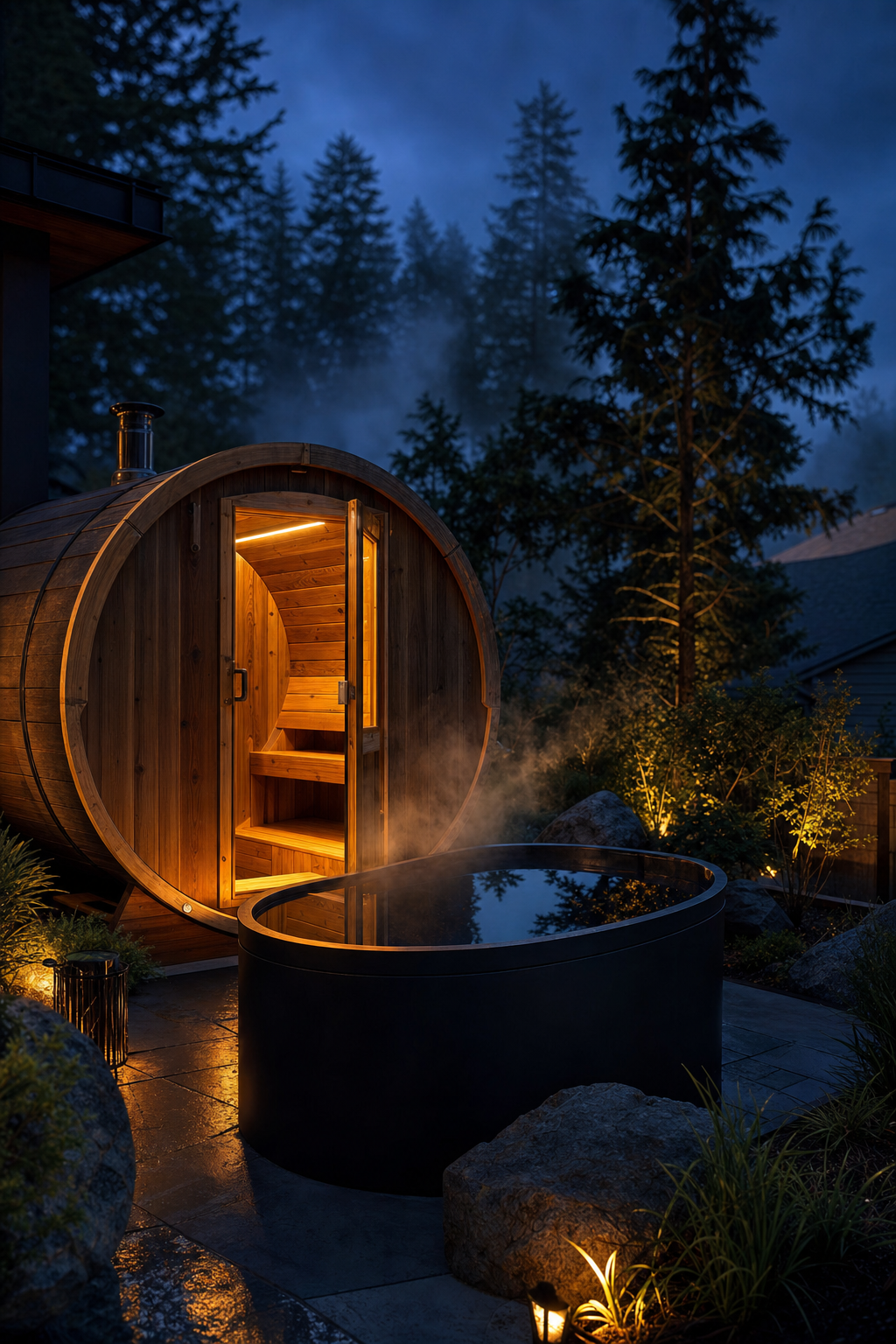
Mastering the cold plunge breathing technique sauna Vancouver professionals practice is more than a recovery ritual; it is high level training for cognitive resilience. For an executive, the ability to maintain composure when the sympathetic nervous system demands a flight response is a direct transferable skill. The boardroom presents its own version of thermal shock, including sudden market shifts or high stakes negotiations that trigger the same cortisol spikes as five degree water. By consciously overriding the gasp reflex, you are practicing the same neural inhibition required to stay analytical under extreme pressure.
Nordic Edge provides these premium recovery experiences directly to your location, offering a controlled, professional environment without the time-consuming commute to a downtown spa or fitness club. Utilizing our mobile sauna rentals allows you to integrate these nervous system resets into a demanding schedule. This proximity ensures that the mental clarity gained from the plunge transitions immediately into your professional output. To optimize your performance routine and schedule a session, you can contact Nordic Edge to discuss your specific requirements.
Mastering these breathing techniques is the ultimate way to maintain control over your nervous system when transitioning from the heat of the sauna to the cold plunge. By focusing on steady, rhythmic breaths, you can transform a shocking experience into a moment of deep recovery. If you want expert help refining your practice or building a personalized wellness routine, our team is here to guide you through every step. You can discover how we support our community by reading more about Nordic Edge and our mission in Vancouver.