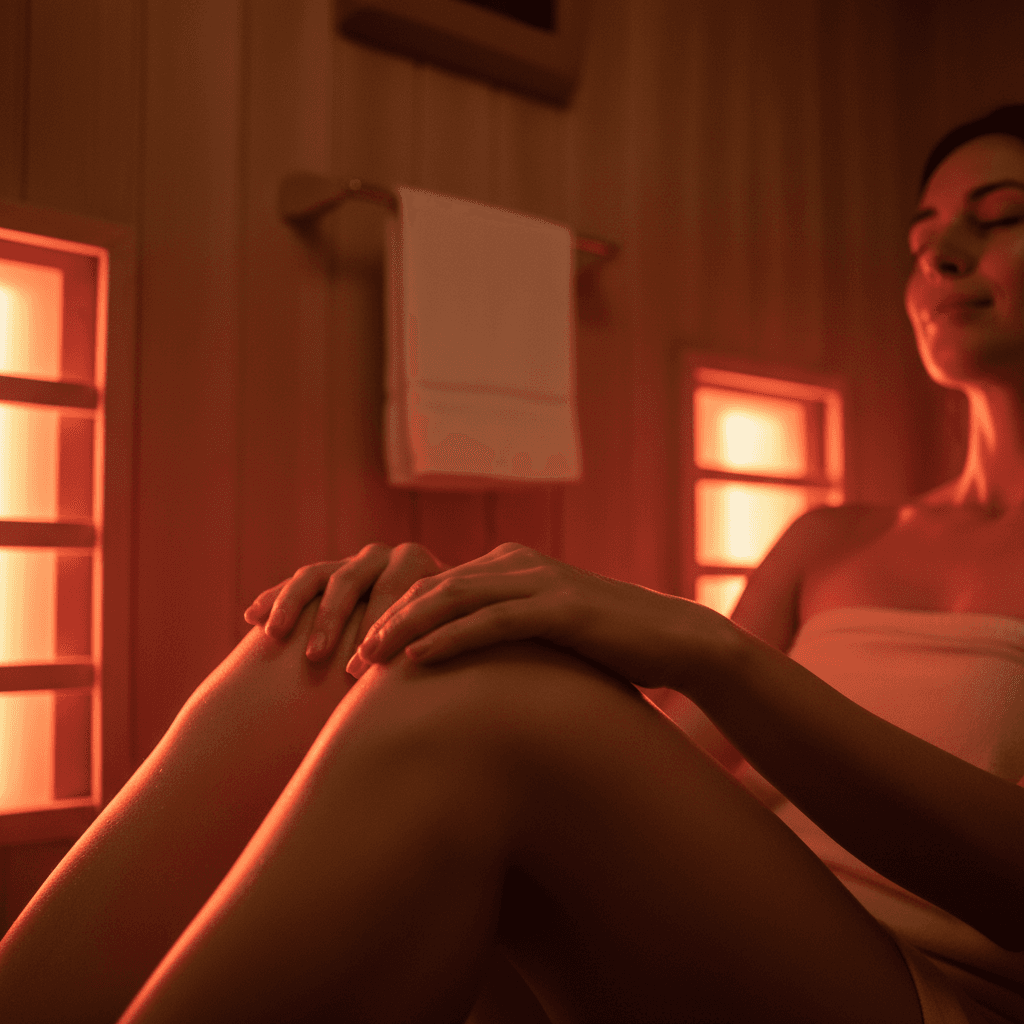
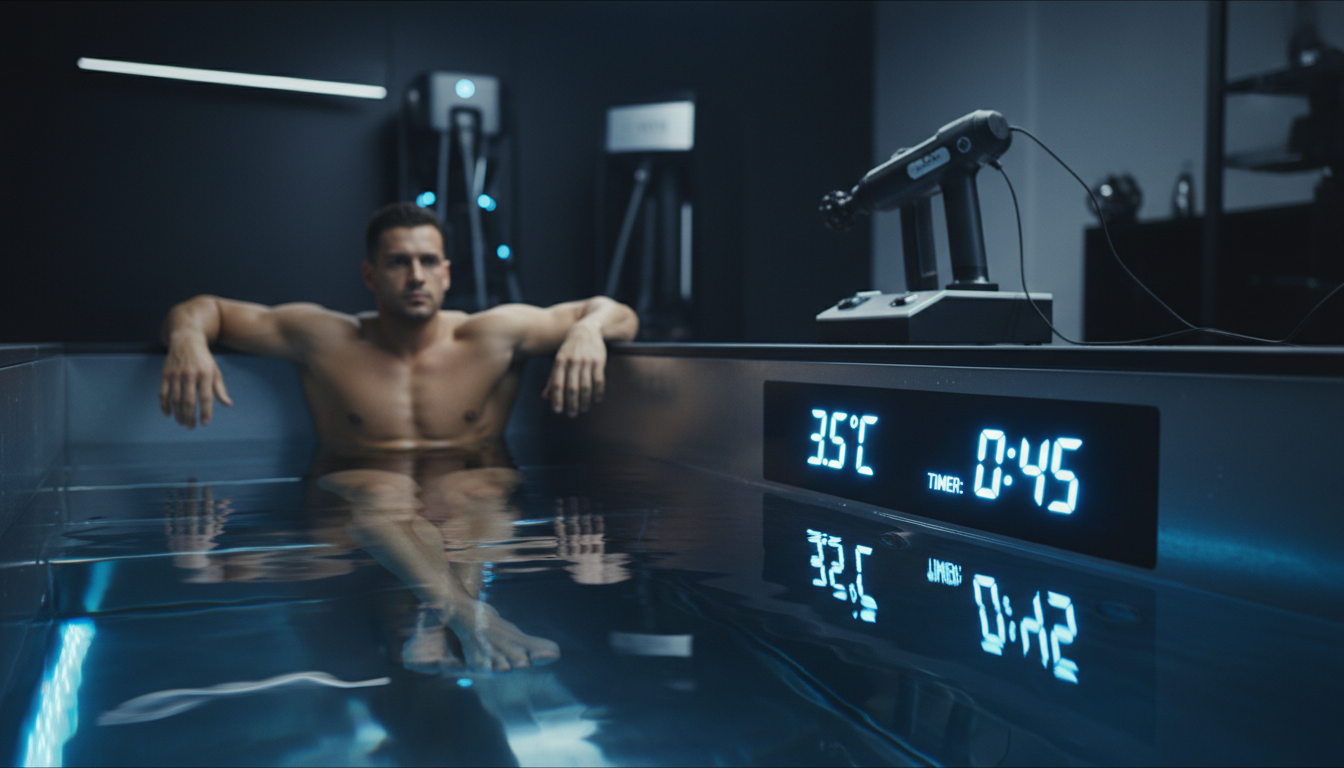
Post-exercise sauna sessions enhance performance by increasing plasma volume, while cold immersion reduces muscle inflammation and accelerates recovery between training sessions. Following a structured sauna cold plunge endurance athletes heat acclimation Vancouver routine helps competitors adapt to thermal stress and prepare for the demands of race day. This dual approach ensures that athletes improve their heat tolerance while maintaining the high training intensity required for elite competition.
Preparing for a race like the BMO Vancouver Marathon or a local triathlon often leaves athletes stuck in a cycle of diminishing returns, where intense mileage leads to lingering inflammation and sluggish recovery. For the elite Vancouver endurance athlete, simply working harder is rarely the answer. Instead, the secret to a new personal best often lies in the strategic application of thermal stress. This guide examines how targeted sauna sessions act as a natural ergogenic aid by driving heat acclimation and plasma volume expansion. We will navigate the nuanced debate regarding cold plunges, specifically addressing whether they blunt performance gains or accelerate tissue repair. You will learn the exact protocols for sequencing heat and cold during high volume blocks and throughout race week. By mastering these sophisticated recovery techniques, you ensure your body is not just rested, but physiologically primed for peak output.
The Endurance Athlete Paradox: Balancing Performance Gains with Recovery in Vancouver
Vancouver endurance athletes face a unique physiological challenge. Training for the BMO Marathon in the temperate rain of April or grinding up the switchbacks of Cypress Mountain requires immense grit, but the mild coastal environment rarely prepares the body for the thermal stress of a peak summer race. This creates a performance gap that high-end professionals and dedicated weekend warriors must bridge through specific premium recovery experiences.
The integration of a sauna cold plunge endurance athletes heat acclimation Vancouver protocol offers two distinct advantages. Structured sauna sessions induce plasma volume expansion, acting as a natural ergogenic aid, while cold water immersion targets systemic inflammation and delayed onset muscle soreness. However, a paradox exists. Using these tools at the wrong time can actually blunt the very training adaptations you are working to achieve. For the elite athlete, recovery is not just about feeling better; it is about the strategic timing of thermal stress to maximize mitochondrial biogenesis and hematological shifts.
Through mobile sauna rentals, athletes can now implement these sophisticated protocols at their own doorstep. The secret lies in distinguishing between a recovery day and a physiological adaptation day. Mismanagement of the sequence can negate the heat shock proteins or the hormonal spikes necessary for peak performance. Success requires an honest, data-driven approach to thermal therapy.
Sauna for Heat Acclimation: The Natural Ergogenic Aid for Vancouver Runners
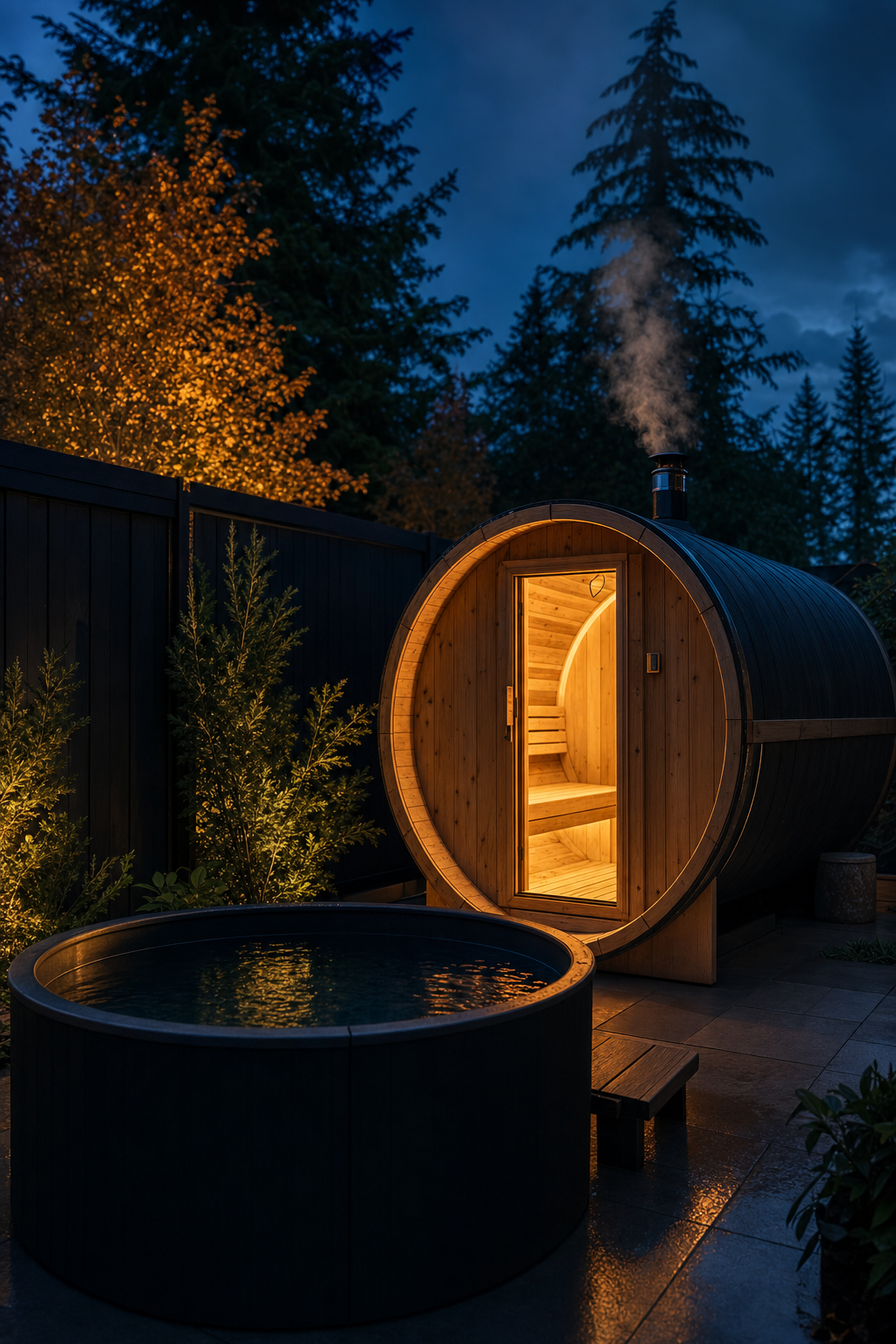
The physiological adaptation triggered by post-exercise sauna bathing is often referred to as natural blood doping because of its profound impact on plasma volume. For a runner logging miles along the Seawall or the forest trails of North Vancouver, the body becomes highly efficient at operating in cool, damp conditions. However, when the goal is a peak performance in a warmer climate or simply a higher ceiling for power output, the sauna acts as a powerful ergogenic aid. Research, including the Kirby et al. study, indicates that consistent heat exposure leads to significant plasma volume expansion. This increase in blood volume allows the heart to pump more blood per beat, effectively lowering the submaximal heart rate and reducing the core temperature during sustained effort.
The specific protocol for achieving these gains involves 30 minutes of sauna exposure at temperatures between 80 and 100 degrees Celsius, performed three to four times per week immediately following a training session. This passive heat training forces the body to adapt to thermal stress without the added orthopedic load of extra miles. Over a two to three week period, athletes often observe improvements in VO2 max and a measurable increase in running speed at the four mmol lactate threshold. A 2007 study demonstrated that 20 to 30 minutes of post-exercise sauna use, repeated three to six times per week, significantly enhanced endurance in trained distance runners by improving thermoregulation and inducing earlier, more profuse sweating.
For those training in British Columbia's mild weather for international events like the Ironman or the Boston Marathon, this sauna cold plunge endurance athletes heat acclimation Vancouver strategy is essential. It mitigates the shock of racing in heat and humidity that the local climate cannot simulate. By integrating these premium recovery experiences into a periodized plan, high-performance professionals can ensure their thermoregulatory systems are as well trained as their aerobic systems. The convenience of mobile sauna rentals allows for these 30 minute sessions to be completed immediately after a long ride or run, which is the optimal window for triggering these hematological shifts and cellular repairs.
The Cold Plunge Debate: Does It Blunt Endurance Gains?
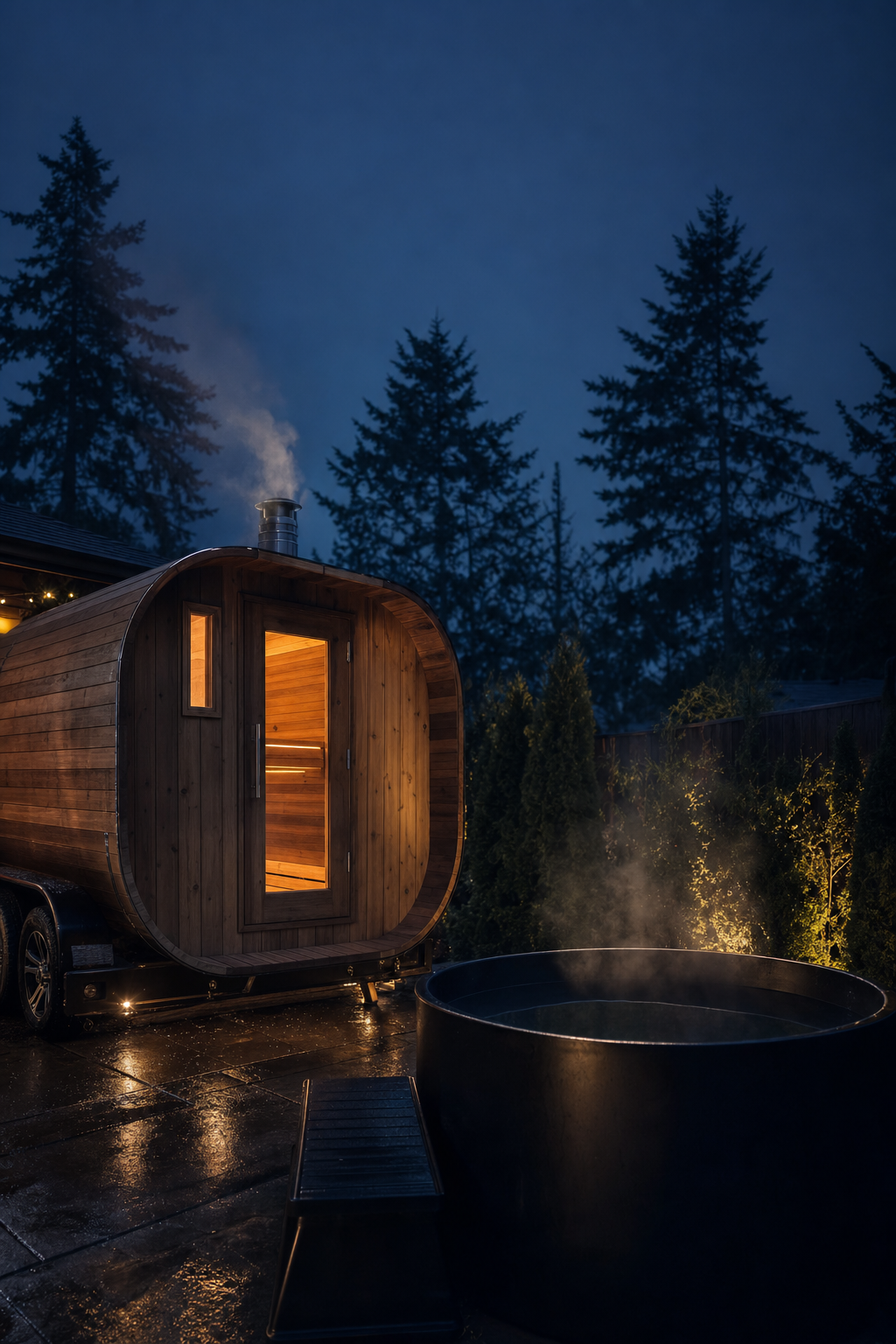
The debate surrounding cold water immersion (CWI) often centers on its potential to blunt training adaptations. Scientific literature indicates that immediate cold exposure can suppress the signaling pathways responsible for muscle hypertrophy and strength gains. For a powerlifter or a bodybuilder, plunging immediately after a heavy lifting session may indeed limit the inflammatory response necessary for muscle fiber growth. However, for endurance athletes focusing on the BMO Marathon or Ironman distances, the physiological objectives are fundamentally different.
Endurance training prioritizes mitochondrial biogenesis, capillary density, and aerobic efficiency over pure muscular size. In this context, the primary hurdle is managing exercise-induced muscle damage (EIMD) and systemic inflammation that can sideline a runner or cyclist for days. Cold immersion at temperatures between 10 and 15 degrees Celsius has been shown to significantly reduce delayed onset muscle soreness (DOMS) and lower creatine kinase levels. These premium recovery experiences allow high-mileage athletes to return to their next high-intensity session with greater power output and less perceived fatigue.
Are cold plunges good for athletes? The answer is a nuanced yes, but timing is the critical variable. Research, including a 2025 crossover study, highlights that ice baths can increase norepinephrine by up to 144 percent and dopamine by 250 percent. This neurological reset is invaluable for the high-end professional balancing a demanding career with rigorous training. While the cold might slightly attenuate the acute inflammatory signal, the ability to maintain a consistent, high-volume training block often outweighs the marginal risk of blunted hypertrophy.
Integrating a sauna cold plunge endurance athletes heat acclimation Vancouver protocol requires recognizing when to prioritize adaptation and when to prioritize recovery. When the goal is sheer volume and clearing metabolic waste, the plunge is an essential tool. For athletes looking to optimize these windows, they can book your recovery session to ensure their physiological systems are primed for the next day's demands rather than being bogged down by residual inflammation.
Sequencing Heat and Cold: When to Sauna vs When to Plunge
Effective sequencing requires a shift from viewing thermal therapy as a generic comfort to treating it as a periodized training stimulus. For athletes utilizing a sauna cold plunge endurance athletes heat acclimation Vancouver strategy, the most critical rule is that these two modalities serve opposing physiological signals. When your training block focuses on heat acclimation and plasma volume expansion, the goal is to keep core temperature elevated for a sustained period. In this phase, a cold plunge immediately following the sauna is counterproductive, as the rapid cooling can negate the thermoregulatory adaptations and heat shock protein production initiated by the 80 to 100 degree Celsius environment.
Reserve intensive sauna sessions for high-volume base building and specific passive heat training blocks. During these weeks, mobile sauna rentals allow for consistent heat exposure immediately after moderate-intensity rides or runs, which is when the body is most receptive to hematological shifts. Conversely, cold water immersion is your primary tool during peak intensity phases or when managing the high inflammatory load of "A" workouts. During a taper week, the cold plunge helps clear residual metabolic waste without adding the cardiovascular strain that intense heat exposure demands.
Training Priority | Recommended Modality | Rationale |
|---|---|---|
Heat Acclimation Phase | Post-Exercise Sauna (30 min) | Expands plasma volume; lowers core temp for future efforts. |
Peak Recovery ("A" Days) | Cold Plunge (10-15°C) | Reduces EIMD and DOMS after max efforts or long sessions. |
Race Taper / Maintenance | Selective Cold Plunge | Prioritizes neurological reset and reduces perceived fatigue. |
By separating these premium recovery experiences into distinct days or phases, you ensure the body receives a clear signal for adaptation. Mixing them haphazardly, especially during a strict heat acclimation phase, creates physiological noise that can dilute the very performance gains you are working to achieve.
Race Week Protocol: Using Sauna and Cold Plunge Before a Big Event
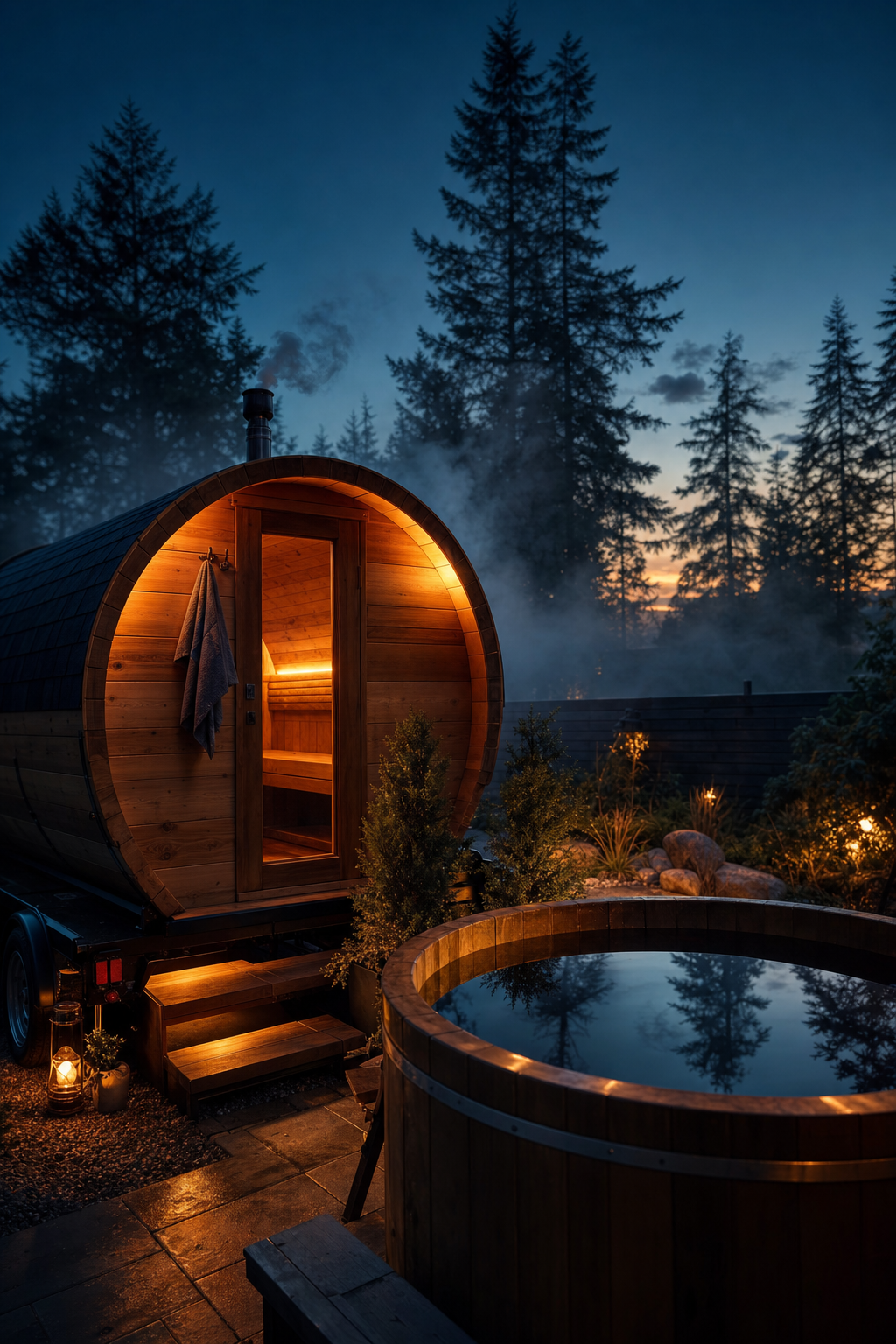
The week leading up to a competition requires a strategic shift from physiological adaptation to total stabilization. A common concern among competitors is the PAA question: "Should I cold plunge the day before a race?" For the majority of athletes, the answer is a firm no. Introducing a significant thermal shock 24 hours before the start line can disrupt the nervous system and trigger an unpredictable metabolic or hormonal response. The goal of the taper is to minimize variables, not introduce new stressors that the body must work to resolve.
For those who have been strictly following a sauna cold plunge endurance athletes heat acclimation Vancouver protocol, the intensive heat exposure must cease 48 to 72 hours prior to the event. This window is vital for restoring plasma volume and ensuring systemic rehydration. Continuing high-heat sessions too close to the gun risks starting the race in a fluid deficit, which can negate the performance gains achieved during the training block. Regarding the "sauna day before marathon" trend, any session performed within 24 hours of the race should be limited to 15 minutes at a moderate temperature. The focus must be on light, familiar recovery and mental relaxation rather than inducing further heat stress.
Timeline | Goal | Protocol |
|---|---|---|
72 Hours Out | Final Acclimation | Last full-duration sauna session; begin aggressive hydration. |
48 Hours Out | Stabilization | Cessation of all intense thermal therapy; focus on electrolytes. |
24 Hours Out | Relaxation | Optional 15-minute mild sauna; avoid cold immersion. |
Because the taper week is often characterized by high cortisol and logistical stress, mobile sauna rentals provide a distinct advantage. Bringing these premium recovery experiences to your own home in Vancouver allows you to maintain your routine in a controlled environment. By eliminating the need to travel to a public facility, you can book your recovery session to ensure you remain off your feet and focused on the race ahead.
Hydration and Electrolytes: The Critical Foundation of Thermal Recovery
Thermal therapy is a physiological tax that requires a rigorous liquidity plan. When layering a 30-minute sauna session onto a high-intensity ride or run, the primary goal is plasma volume expansion. However, this hematological shift cannot occur in a fluid deficit. If the body is dehydrated, it lacks the raw materials to expand blood volume, which effectively nullifies the core benefits of the sauna cold plunge endurance athletes heat acclimation Vancouver protocol.
In Vancouver’s humid coastal environment, athletes often underestimate sweat rates because damp air can mask fluid loss compared to arid climates. A professional-grade recovery strategy requires monitoring specific markers rather than relying on thirst. Athletes should measure body mass pre and post-session; for every kilogram lost, replace it with 1.2 to 1.5 liters of fluid enriched with a high-quality electrolyte blend containing sodium, potassium, and magnesium.
Marker | Indicator of Dehydration | Action Required |
|---|---|---|
Body Mass Loss | >2% of total weight | Immediate electrolyte replenishment |
Urine Color | Dark amber tint | Increase fluid intake before next session |
Heart Rate | Elevated resting HR | Postpone heat exposure; rehydrate |
Nordic Edge prioritizes these premium recovery experiences by focusing on data-driven safety. Utilizing mobile sauna rentals allows athletes to manage immediate post-session nutrition in a controlled setting. Before you book your recovery session, ensure your hydration strategy accounts for both the training load and the thermal stress to ensure every session drives adaptation rather than systemic exhaustion.