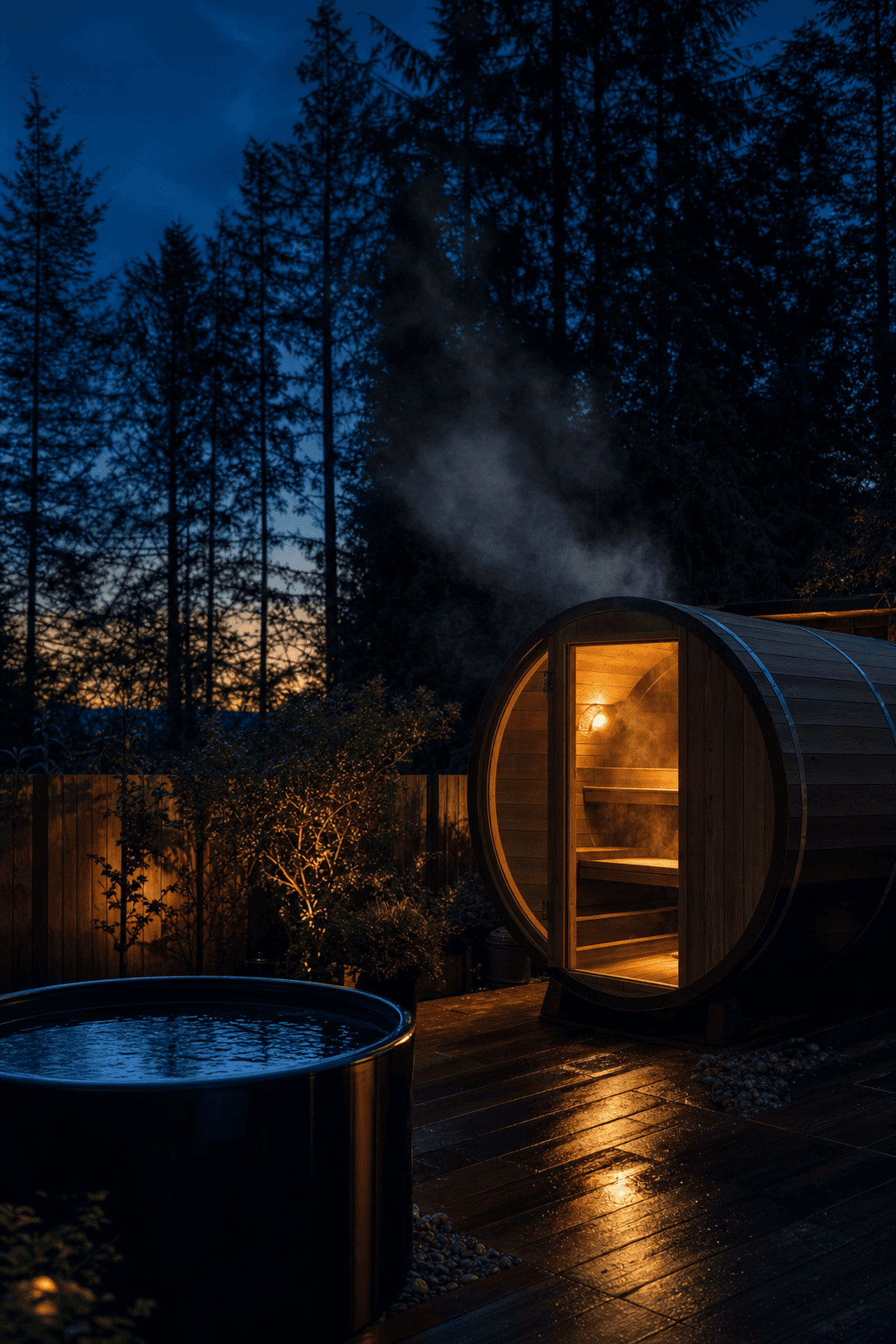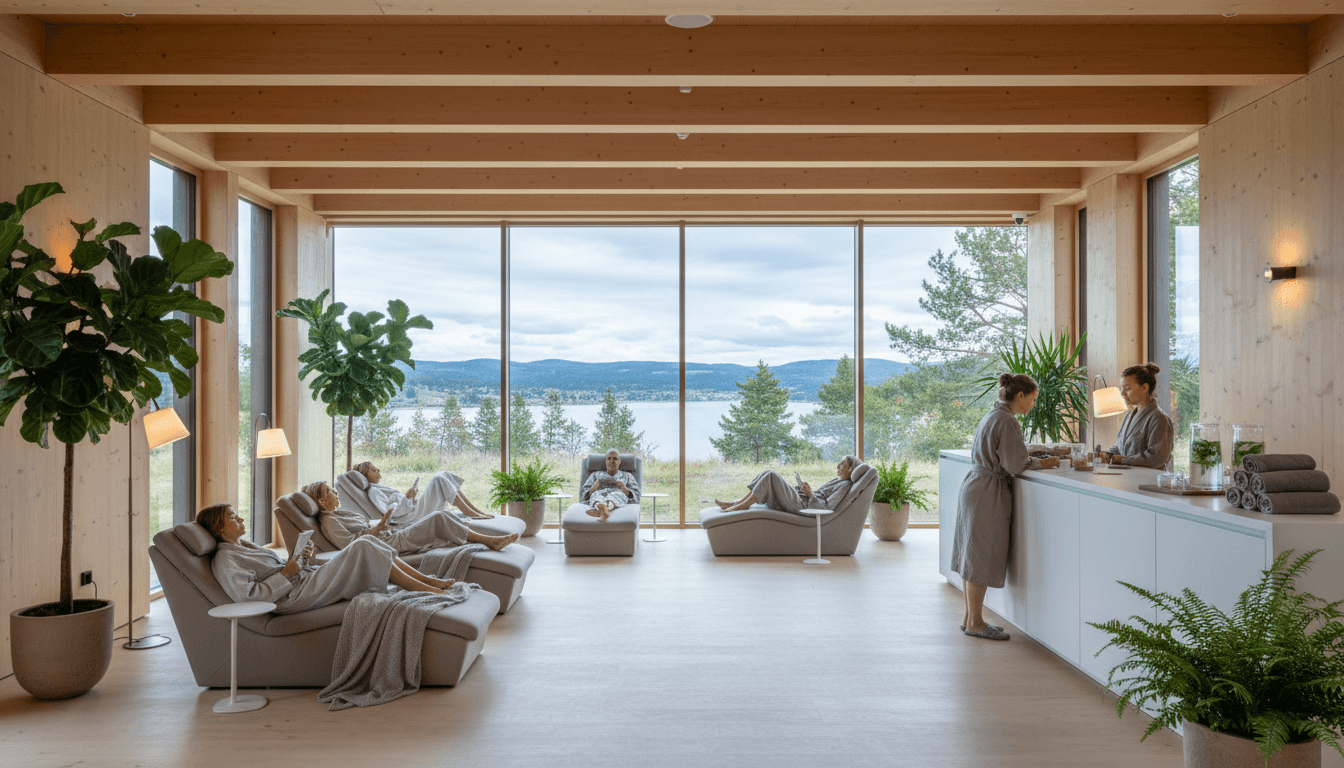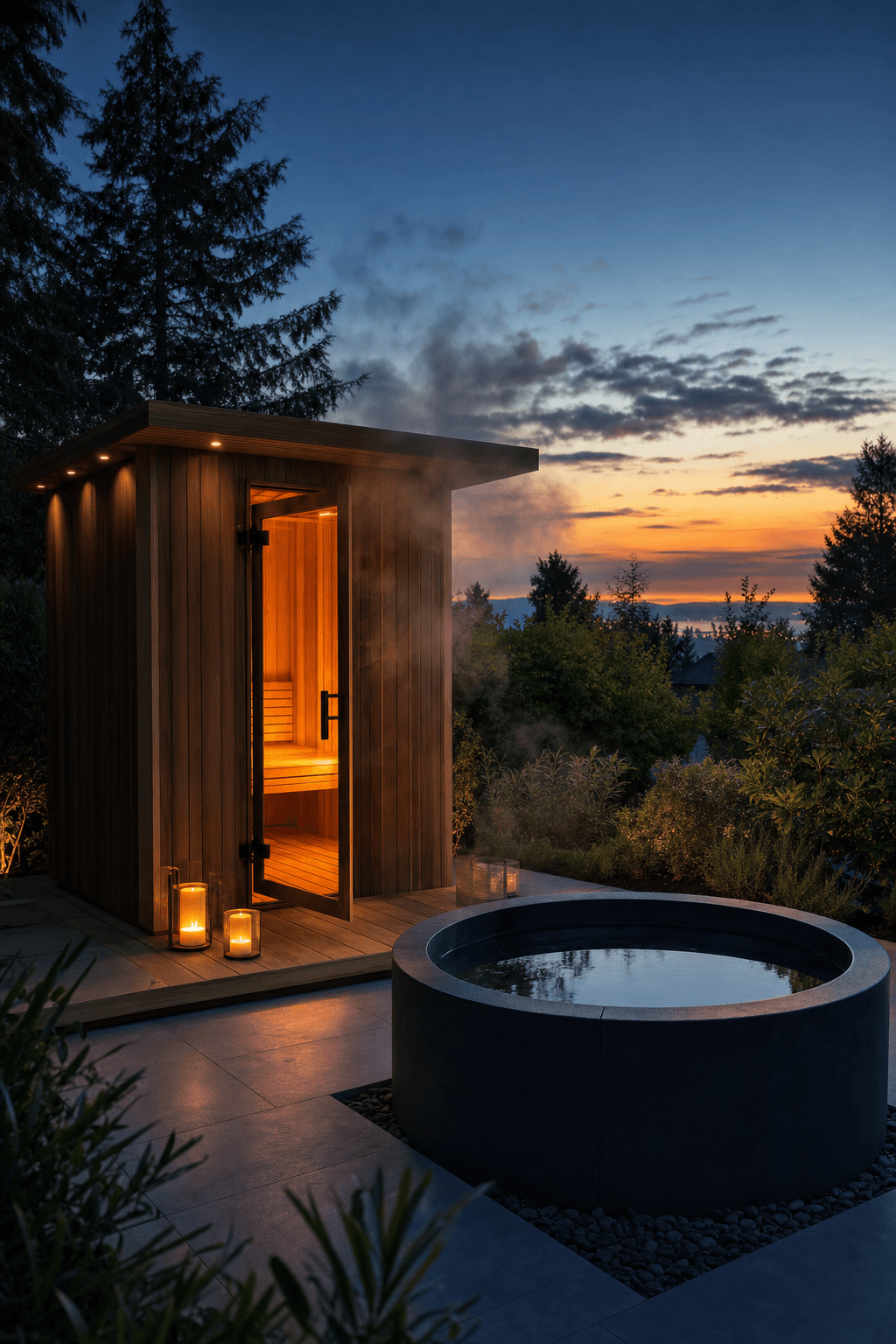

Whole body hyperthermia and cold water immersion significantly reduce symptoms of mood disorders by stabilizing body temperature and lowering cortisol levels. Practicing a regular routine of sauna cold plunge depression anxiety Vancouver professionals can utilize helps alleviate feelings of distress while increasing mental alertness and emotional resilience. This evidence-based contrast therapy offers a powerful natural tool for managing chronic stress and improving long-term mental health outcomes.
Living in Vancouver often means balancing high stakes careers against the weight of persistent rain and seasonal fatigue. This pressure creates a chronic state of fight or flight that many professionals simply accept as the cost of success. However, your physiology is not a static liability; it is a tool that can be recalibrated through deliberate thermal stress. At Nordic Edge, we believe that understanding the biological levers of heat and cold is essential for those seeking a sustainable edge over depression and anxiety. This guide examines the specific science of whole body hyperthermia and the norepinephrine spikes triggered by cold immersion. You will learn how to integrate contrast therapy into a demanding schedule to stabilize your mood, enhance your autonomic resilience, and reclaim your mental clarity amidst the Vancouver hustle.
The Mental Health Crisis in High Pressure Vancouver Environments
Vancouver is a city defined by its contradictions. In the downtown core and growing tech sectors, the pace of work is relentless, often compounded by the long, monochromatic grey months of the Pacific Northwest. This seasonal shift does more than just dampen the mood; it creates a physiological strain that many professionals attempt to outrun through sheer willpower.
British Columbia’s unique Weekend Warrior culture often complicates this issue. While spending Saturdays on the Grouse Grind or Sundays on the trails of the North Shore feels like a reset, high-intensity physical exertion can mask a deeper, underlying mental fatigue. For many, the focus remains strictly on muscle repair, overlooking the chronic toll high-pressure environments take on the brain. When addressing burnout recovery, it is essential to look beyond the surface level, focusing instead on comprehensive recovery services that target the mind.
Integrating a sauna cold plunge for depression and anxiety in Vancouver is not a matter of luxury; it is a targeted intervention for the autonomic nervous system. By utilizing strategic thermal therapy, we can shift the body out of a chronic fight or flight state. This approach treats the nervous system as a trainable asset, using temperature extremes to restore balance when the combination of professional pressure and environmental factors becomes overwhelming.
Sauna for Depression: The Science of Whole Body Hyperthermia
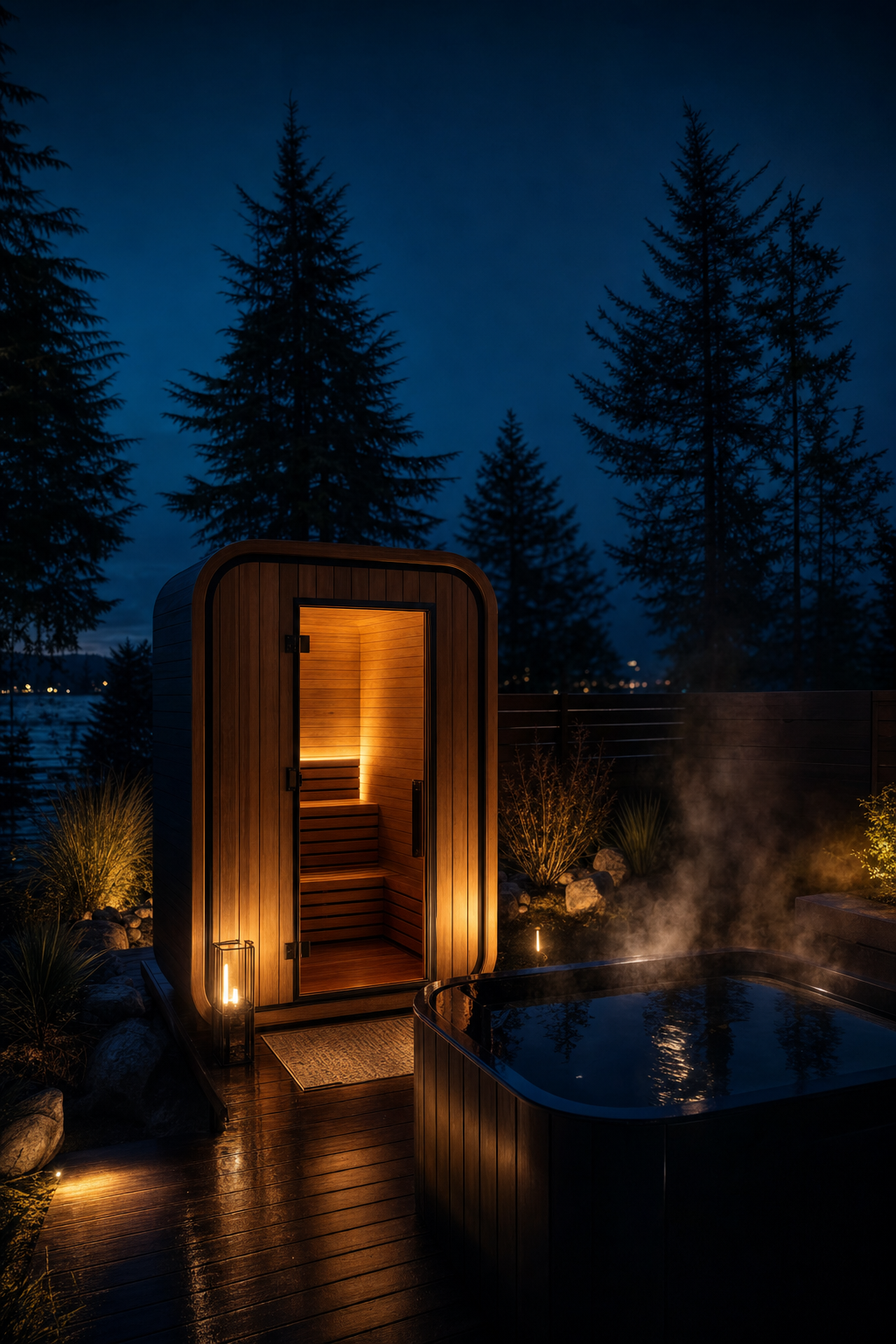
The efficacy of heat in treating mood disorders centers on Whole Body Hyperthermia (WBH). Recent clinical research, including landmark studies on thermal therapy, has demonstrated that a single session of elevating core body temperature can result in a significant reduction in symptoms of major depressive disorder. Crucially, these antidepressant effects were observed to last for up to six weeks. This suggests that the physiological shift triggered by intense heat is not merely temporary relief; it is a durable reset of the body's internal systems.
The biological rationale for using a sauna cold plunge for depression and anxiety in Vancouver involves a sophisticated understanding of thermoregulation. Research indicates that individuals experiencing clinical depression frequently exhibit higher core body temperatures and an impaired ability to dissipate heat. This thermal dysregulation acts as a chronic, low-level stressor on the brain. By exposing the body to controlled heat stress, the sauna acts as a thermal reset, forcing the brain's thermoregulatory center to recalibrate. This process stimulates the dorsal raphe nucleus, a region of the brain responsible for serotonin release, directly influencing mood and emotional stability.
Unlike generic claims about detoxing through sweat, the clinical value of professional recovery services lies in their impact on the HPA (hypothalamic-pituitary-adrenal) axis. Intense heat exposure downregulates the body's cortisol response over time, effectively lowering the baseline level of stress hormones circulating in the system. This shift is particularly vital for professionals seeking burnout recovery, as it moves the intervention from the realm of simple relaxation into targeted physiological maintenance. By intentionally stressing the HPA axis with heat, we can dampen the chronic activation that characterizes long-term depressive states, providing a robust, science-backed tool for mental health management.
Cold Plunge for Anxiety: Dopamine, Norepinephrine, and the Diving Response
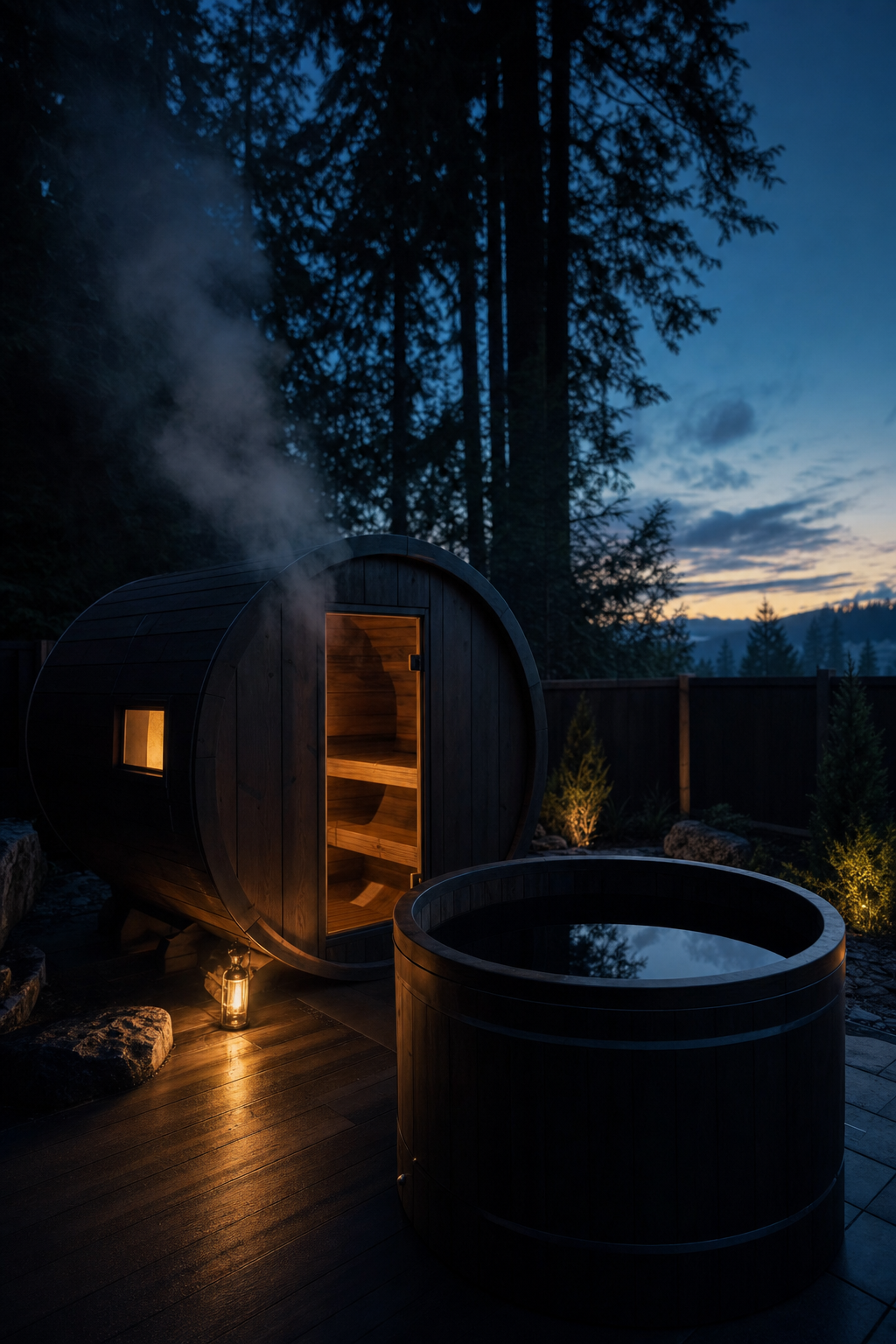
While the sauna provides a sustained mood lift, cold water immersion (CWI) offers a more immediate, acute shift in brain chemistry. For the Vancouver professional managing chronic anxiety, the appeal of the cold plunge lies in its ability to force a total neurochemical reset. Research from Stanford University highlights that deliberate cold exposure can trigger a 250 percent increase in dopamine levels and a significant surge in norepinephrine. Unlike the fleeting spike from caffeine or sugar, this dopamine elevation is sustained, often lasting for several hours after the session, providing a steady baseline of focus and calm.
The mechanism behind this shift involves the Mammalian Diving Response. When the body, particularly the face, hits cold water, the autonomic nervous system triggers a series of physiological changes, including a reduction in heart rate and a shift toward parasympathetic dominance after the initial shock. This response can theoretically break an intrusive anxiety loop by forcing the brain to prioritize immediate survival signals over abstract professional stressors. It is a biological override that demands presence, effectively clearing the mental clutter that accumulates during a high pressure workday.
However, an honest assessment of using a sauna cold plunge for depression and anxiety in Vancouver requires acknowledging the cold shock response. For individuals with existing panic disorders, the sudden gasp and rapid heart rate triggered by sub five degree water can mimic the onset of a panic attack. This is where professional recovery services become essential. Instead of an unguided approach, we advocate for a coached entry that emphasizes controlled, rhythmic exhalations to bypass the panic reflex. By learning to navigate the initial cold shock, the individual effectively trains their nervous system to remain calm under pressure, turning what could be a physiological trigger into a powerful tool for emotional regulation.
Heat vs Cold: Which Therapy Wins for Mood Disorders?
Deciding whether heat or ice is better for anxiety and mood management requires an assessment of your current nervous system state. While both modalities offer profound benefits, their applications differ based on how stress manifests. Heat therapy, particularly through a sauna, is often the superior choice for deep, long-term depressive symptoms. By inducing whole body hyperthermia, the sauna mimics a fever response, which clinical evidence suggests can reset the thermoregulatory systems that frequently malfunction in those experiencing a "flat and heavy" depressive state.
For the professional who feels "tired and wired," the cold plunge serves as a more effective tool for acute stress inoculation. The immediate 250 percent dopamine increase and norepinephrine surge provide a neurochemical jolt that can break a high-anxiety loop faster than the slow, sedative build of heat. In the context of professional recovery services, the cold is used to sharpen focus and build immediate resilience, while the sauna is utilized for its long-lasting antidepressant effects.
State | Symptom Profile | Preferred Stimulus | Primary Goal |
|---|---|---|---|
Depressive | Flat, heavy, low energy | Sauna (Heat) | Serotonin release and HPA axis recalibration |
Anxious | Wired, racing thoughts, panic | Cold Plunge (Ice) | Norepinephrine surge and dopamine baseline reset |
For those seeking burnout recovery, integrating both through mobile sauna rentals ensures the therapy can be adapted to the day's specific mental load. When applying a sauna cold plunge for depression and anxiety in Vancouver, the winner is simply the temperature that brings your autonomic nervous system back to center.
Contrast Therapy for Mental Resilience: Training the Autonomic Nervous System
While choosing one temperature over the other offers specific neurochemical shifts, the most profound mental health benefits often come from the Nordic Cycle. This practice involves alternating between the extreme stimulus of the cold and the restorative warmth of the sauna, acting as a targeted exercise for the nervous system. In a professional landscape as competitive as Vancouver's, the ability to switch gears is not just a soft skill; it is a physiological requirement. By utilizing a sauna cold plunge for depression and anxiety in Vancouver, you are essentially training your brain to navigate stress more efficiently.
The mechanics of this resilience training rely on the intentional shift between two branches of the autonomic nervous system. The cold plunge triggers a controlled sympathetic activation, a brief but intense state of high arousal. Transitioning immediately into the heat then signals the body to enter a parasympathetic state, facilitating deep relaxation and digestion. This toggling improves vagal tone, which is the ability of the body to return to a state of calm after a stressor.
For those seeking burnout recovery, this training is invaluable. It helps prevent the "always on" state that leads to chronic exhaustion and mental fog. Our recovery services are designed to facilitate this specific rhythm, allowing the brain to practice the transition from high-performance stress to restorative quiet. Through mobile sauna rentals, this resilience training becomes a private, accessible ritual that mirrors the demands of a high-pressure career, teaching the body that it can handle the shock of a cold environment and return to center with ease.
Practical Implementation for the Busy Vancouver Professional
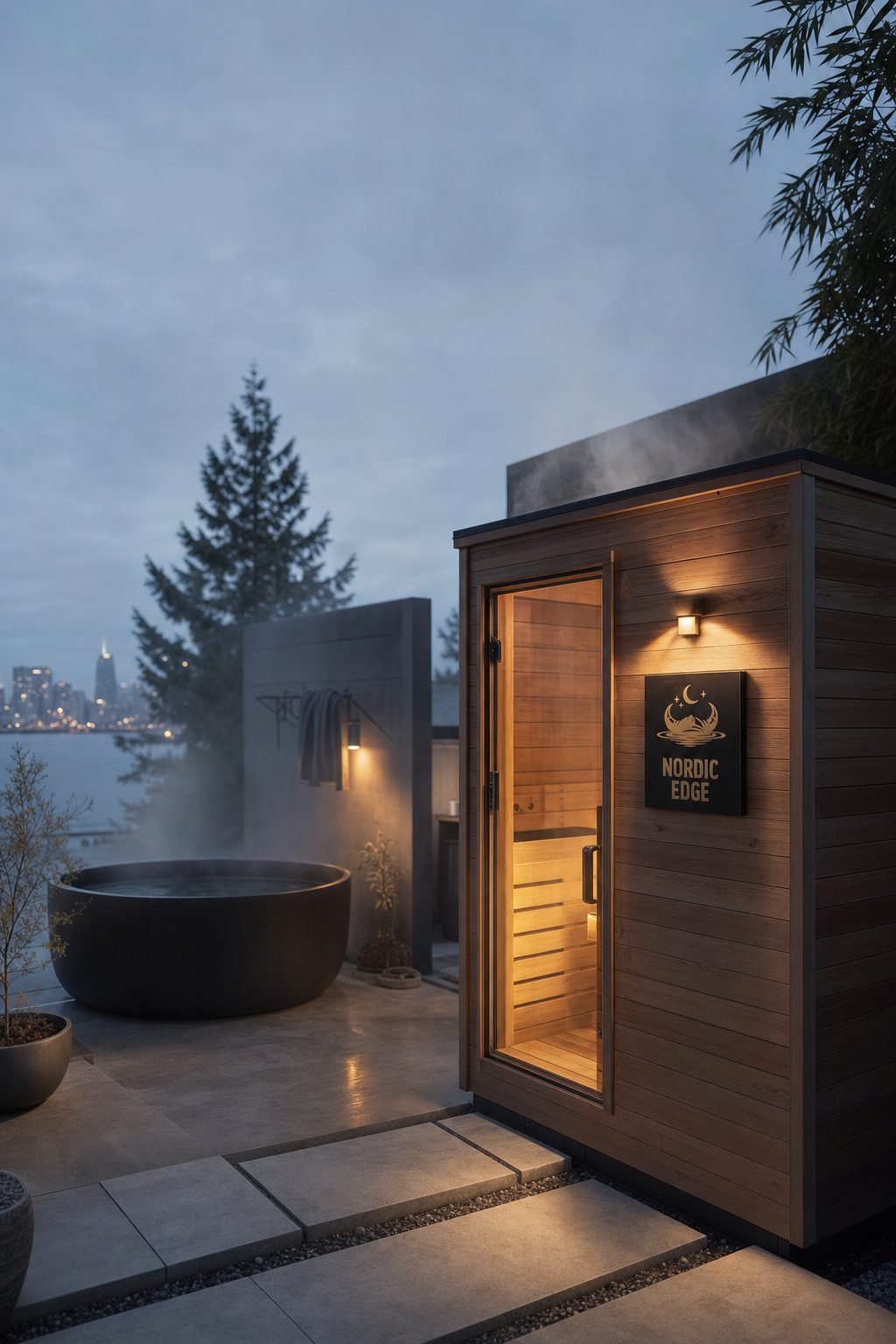
For the executive in downtown Vancouver or the tech lead in Mount Pleasant, integrating these protocols requires precision rather than high time commitment. A morning cold plunge, ideally lasting two to three minutes at roughly five degrees Celsius, provides a non-pharmacological dopamine surge that sharpens cognitive focus for back to back meetings. Conversely, evening heat sessions serve to blunt the day's accumulated cortisol. By spending 20 minutes in a sauna before bed, you signal the nervous system to transition into deep sleep, a critical component of burnout recovery.
Access remains the primary hurdle for the busy professional. Utilizing mobile sauna rentals removes the commute to a traditional spa, allowing for a high end setup in a residential driveway in Kitsilano, Point Grey, or North Vancouver. This proximity transforms a sauna cold plunge for depression and anxiety in Vancouver from a weekend luxury into a daily performance tool. These recovery services can also be deployed for corporate wellness days, providing teams with a shared environment to reset their autonomic nervous systems without leaving the office campus.