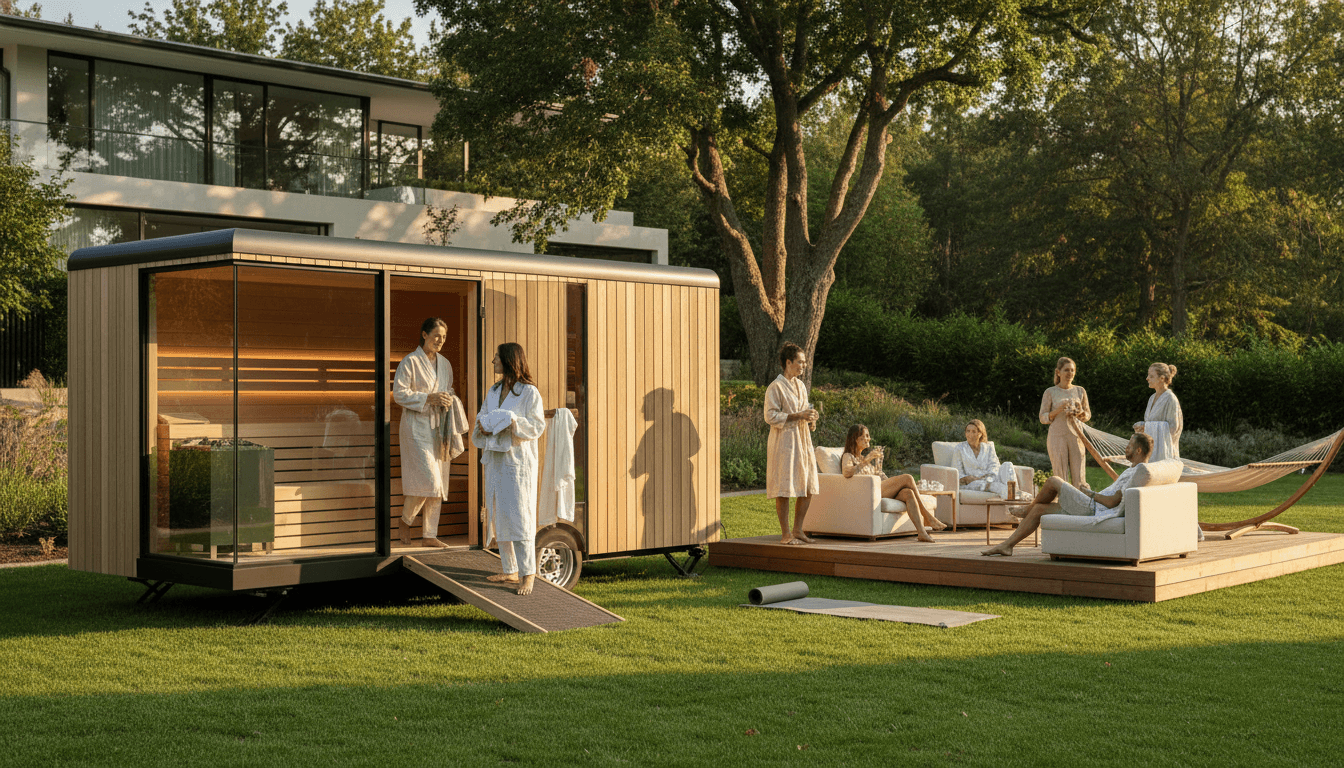
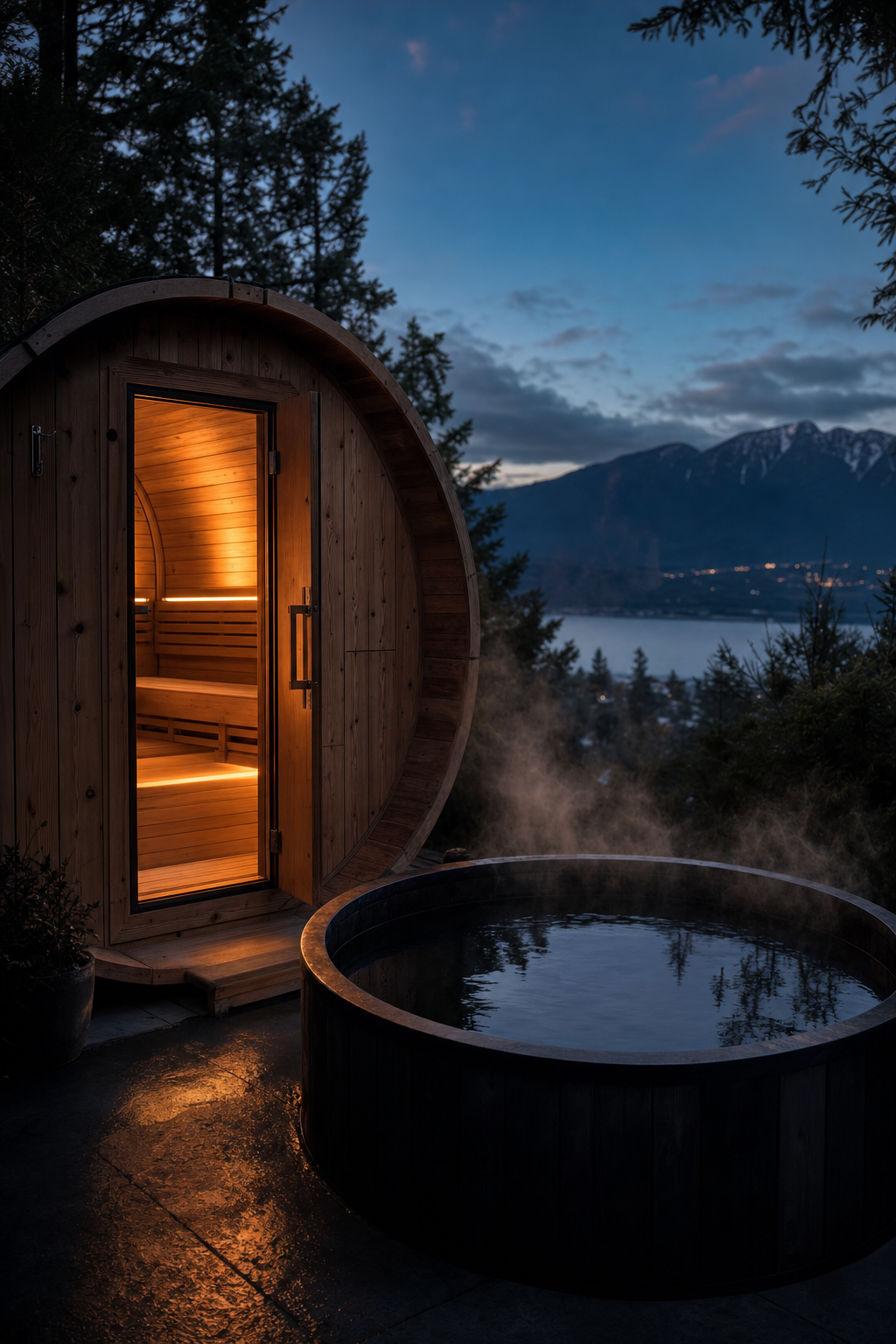
Utilizing a sauna cold plunge concussion recovery Vancouver protocol can aid healing by reducing neuroinflammation through cold exposure and promoting blood flow with controlled heat therapy. While cold plunges stimulate the vagus nerve to lower systemic inflammation, saunas should be introduced gradually to avoid adverse effects from elevated body temperature during early recovery stages. This combination helps balance the autonomic nervous system and supports long-term brain health after a mild traumatic brain injury.
Living in Vancouver means your weekends are spent on the North Shore or Whistler, but a sudden impact can leave you sidelined with a lingering concussion. The frustration of brain fog and light sensitivity is often compounded by conflicting advice regarding recovery protocols. While you might be eager to jump back into your wellness routine, the relationship between thermal therapy and traumatic brain injury is complex. This guide examines the critical safety windows for heat exposure, the physiological distinction between ice baths and clinical head cooling, and how to safely reintroduce contrast therapy. You will learn the exact recovery timeline needed to avoid exacerbating symptoms, ensuring your path back to the mountains is supported by science rather than guesswork.
Understanding the Vancouver Weekend Warrior Concussion Dilemma
Vancouver’s high-performance culture thrives on pushing boundaries at Whistler, navigating technical descents on the North Shore, or staying competitive in late-night rec league hockey. In these high-consequence environments, a mild traumatic brain injury (mTBI) is an occupational hazard that many high-achievers overlook. An mTBI occurs when a physical blow or sudden deceleration jars the brain within the skull, triggering a complex sequence of symptoms like persistent headaches, cognitive fog, and impaired coordination.
The typical mentality that defines a Vancouver high-performer is often a liability during brain recovery. While the standard sauna cold plunge concussion recovery Vancouver athletes utilize for physical maintenance is highly effective for muscular repair, the rules change when the central nervous system is compromised. Unlike metabolic waste in a muscle, an injured brain is hypersensitive to external stressors.
Our premium recovery experiences are built on intentional physiological challenge, but in the immediate aftermath of a head injury, the brain requires metabolic stability rather than stress. Engaging in intense thermal fluctuations too early can exacerbate secondary injury mechanisms, making it critical to transition from a performance mindset to a clinically informed protection strategy. Understanding this distinction is the first step in ensuring your return to the mountains or the boardroom is both safe and sustainable.
The Dangerous Side of Heat: Why to Avoid the Sauna in the Acute Phase
The first 7 to 10 days following a head injury are known as the acute phase, a period defined by a metabolic crisis within the brain. During this window, the primary objective is to minimize secondary injury mechanisms. While many clients inquire if heat can worsen a concussion, the clinical answer is a firm yes during this initial stage.
Physiologically, exposure to high temperatures triggers systemic vasodilation. As blood vessels expand to dissipate heat, there is a corresponding increase in blood volume directed toward the head. In a healthy individual, this is a standard thermoregulatory response; however, in a concussed brain already struggling with neuroinflammation and altered blood-brain barrier integrity, this surge can increase intracranial pressure. This often manifests as a rapid escalation in throbbing headaches, light sensitivity, and physical discomfort.
Beyond vascular pressure, elevated body temperature poses a chemical threat. Clinical research suggests that hyperthermia, even mild increases in core temperature, can exacerbate the release of excitatory neurotransmitters like glutamate. In the early stages of an mTBI, the brain is already dealing with an excitotoxic environment. Introducing external heat can amplify this detrimental process, potentially slowing the cellular repair timeline or worsening the initial damage.
Factor | Response to Heat in Acute Phase | Potential Consequence |
|---|---|---|
Blood Vessels | Vasodilation | Increased intracranial pressure and headaches |
Brain Chemistry | Increased excitatory neurotransmitters | Exacerbated secondary brain injury |
Core Temperature | Hyperthermia | Prolonged metabolic crisis |
At Nordic Edge, we prioritize the long term health of the Vancouver athletic community over immediate bookings. Even if you are accustomed to daily sessions, we advise avoiding our mobile sauna rentals until this acute metabolic window has closed. Protecting the brain from thermal stress during these first ten days is a non negotiable step in a responsible sauna cold plunge concussion recovery Vancouver strategy. Transitioning from high intensity performance to clinical protection ensures that when you do return to contrast therapy, your body is actually prepared to receive the benefits.
Cold Plunge vs Clinical Head Cooling: What the Research Actually Says
While avoiding heat is clear, the role of cold exposure is often misunderstood due to misinterpretations of recent clinical data. A 2021 study involving Swedish professional ice hockey players demonstrated that selective head and neck cooling significantly accelerated recovery. Players who received targeted cooling within 12 minutes of the injury returned to the ice in a median of 7 days, compared to 12.5 days for the control group. However, it is vital to distinguish this clinical intervention from a recreational cold plunge.
The Swedish protocol used a specialized cap to provide localized cooling for at least 30 minutes immediately following the impact. This is a fundamentally different physiological event than submerging your body in a 5 degree Celsius tub three days after a crash at Whistler. Currently, there is a lack of peer reviewed evidence supporting full body recreational plunging during the acute 7 to 10 day phase. The systemic shock of intense cold causes a spike in blood pressure and heart rate, which may be counterproductive while the brain is in a state of metabolic crisis.
For those navigating a sauna cold plunge concussion recovery Vancouver strategy, the value of cold shifts as you move into the sub acute phase. Once the initial metabolic crisis stabilizes, cold water becomes a powerful tool for vagus nerve stimulation rather than brain temperature management. Concussions frequently disrupt the autonomic nervous system, often leaving athletes in a persistent state of sympathetic dominance. By engaging the vagus nerve through controlled cold, you can help reset this internal regulation to improve sleep and mood. When you are ready to reintegrate premium recovery experiences into your routine, focusing on this systemic regulation is the most evidence based approach to long term brain health.
When Is It Safe to Sauna After a Concussion? The Recovery Timeline
Determining the precise moment to return to thermal therapy requires moving past the standard 7 day rest protocol often used in competitive sports. While that initial week is strictly for cognitive rest and metabolic stabilization, a safe return to heat typically requires waiting at least 2 to 3 weeks. You should be entirely free of acute symptoms, specifically lingering light sensitivity and active, throbbing headaches, before considering a session.
Once you have moved beyond the acute danger zone, the physiological mechanisms of heat can shift from a risk to a recovery asset. Controlled sauna use stimulates the production of heat shock proteins. These specialized proteins act as molecular chaperones, assisting in the repair of damaged cellular structures and protecting the brain from further oxidative stress. Furthermore, the improved systemic blood flow helps deliver the oxygen and nutrients necessary for long term neurological repair.
For those managing a sauna cold plunge concussion recovery Vancouver strategy, the transition must be gradual. The goal is to avoid symptom spikes; any return of brain fog or temple pressure during heat exposure is a clear sign to exit. By respecting this extended timeline, you ensure that premium recovery experiences serve as a tool for rejuvenation rather than a setback. If you have questions about your specific recovery stage, contact our team to discuss a conservative approach to reintegration.
Contrast Therapy for Post Concussion Syndrome and Autonomic Regulation
After the initial four weeks, many Vancouver athletes reach a plateau where they are no longer in acute crisis but still feel fundamentally off. This lingering state is often a sign of autonomic dysregulation, where the brain’s ability to toggle between the sympathetic and parasympathetic nervous systems is compromised. For those navigating a sauna cold plunge concussion recovery Vancouver strategy, contrast therapy serves as a controlled exercise for the nervous system, helping to re-establish this essential balance.
The honest reality of contrast therapy in post-concussion syndrome is that it is an environmental intervention. While it may not directly repair the injured neurons, it significantly optimizes the physiological milieu in which the brain resides. By alternating our premium recovery experiences between heat and cold, you induce a series of systemic responses that support long term healing.
Autonomic Reset: The rapid transition from vasodilation in the sauna to vasoconstriction in the cold helps recalibrate the vagus nerve, potentially reducing the persistent fight or flight state common after mTBI.
Inflammatory Control: Systematic contrast therapy can help lower markers of systemic inflammation that often contribute to cognitive fog and lingering fatigue.
Sleep Optimization: Temperature regulation is a primary driver of sleep architecture. Improving the body's thermoregulatory efficiency can lead to deeper, more restorative rest, which is the only time the brain’s glymphatic system can effectively clear metabolic waste.
This approach turns a passive recovery period into an active optimization of your internal environment. If your progress has stalled, you can contact our team to discuss how to safely integrate contrast cycles into your routine.
A Step by Step Guide to Your First Session After Medical Clearance
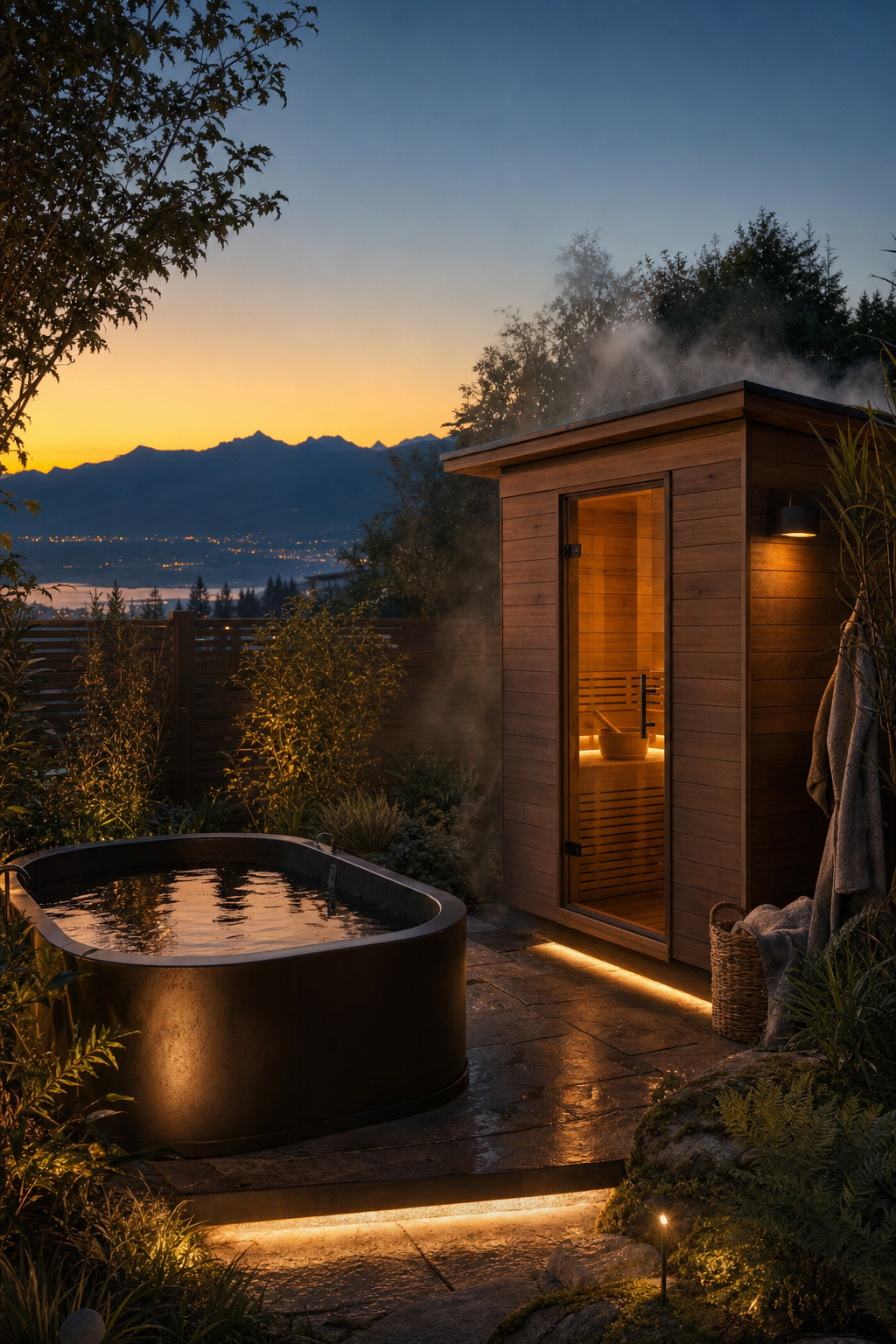
Securing medical clearance from your physician or concussion specialist is a mandatory prerequisite before returning to our premium recovery experiences. Once cleared, your first session should prioritize caution over intensity. Start with a rigorous hydration protocol; dehydration significantly exacerbates concussion related headaches by reducing cerebrospinal fluid volume and increasing vascular strain. Drink at least 500ml of electrolyte rich water before entering the sauna.
When utilizing our mobile sauna rentals, request a lower temperature setting, ideally between 60°C and 70°C. Limit your first exposure to 10 minutes on the lower bench where the air is cooler. For the cold component of your sauna cold plunge concussion recovery Vancouver routine, avoid a high impact plunge. Instead of a full submerged shock, opt for a temperate shower or a brief, waist deep dip in water around 15°C. This gradual approach prevents the sudden blood pressure spikes that can trigger symptom relapse.
Monitor your internal state throughout the session. If you experience dizziness, a return of cognitive fog, or a rhythmic throbbing at the temples, exit the thermal environment immediately. These are not signs to push through, but physiological warnings that your brain is not yet ready for that level of stress. If you need assistance structuring a conservative re-entry plan, contact our team for guidance.
Local Vancouver Recovery Resources and Support
Integrating these protocols into a broader sauna cold plunge concussion recovery Vancouver plan requires professional oversight beyond the sauna bench. For individuals injured in professional environments or on the job, WorkSafeBC provides specific Return to Work guidelines that prioritize cognitive load management and symptom tracking. Vancouver athletes often find success by consulting with multidisciplinary sports medicine clinics in Kitsilano or North Vancouver, where neurologists and physiotherapists specialize in mTBI rehabilitation.
These premium recovery experiences are designed to serve as a wellness adjunct to support systemic health and autonomic balance. They are not a replacement for clinical diagnosis or medical intervention. Before booking, ensure your recovery trajectory aligns with the standards set by the BC Concussion Advisory Network. If you are coordinating with a specialist and have specific thermal requirements, contact our team to discuss how we can best support your medically supervised plan.
Navigating concussion recovery requires a delicate balance of rest and active rehabilitation. While sauna and cold plunge therapy offer powerful benefits for inflammation and blood flow, the key is listening to your body and progressing slowly. If you want expert help designing a protocol that fits your specific recovery needs, our team is ready to support you. You can learn more about our approach to wellness in Vancouver. We want to ensure your path to healing is both safe and effective through professional, personalized guidance.