
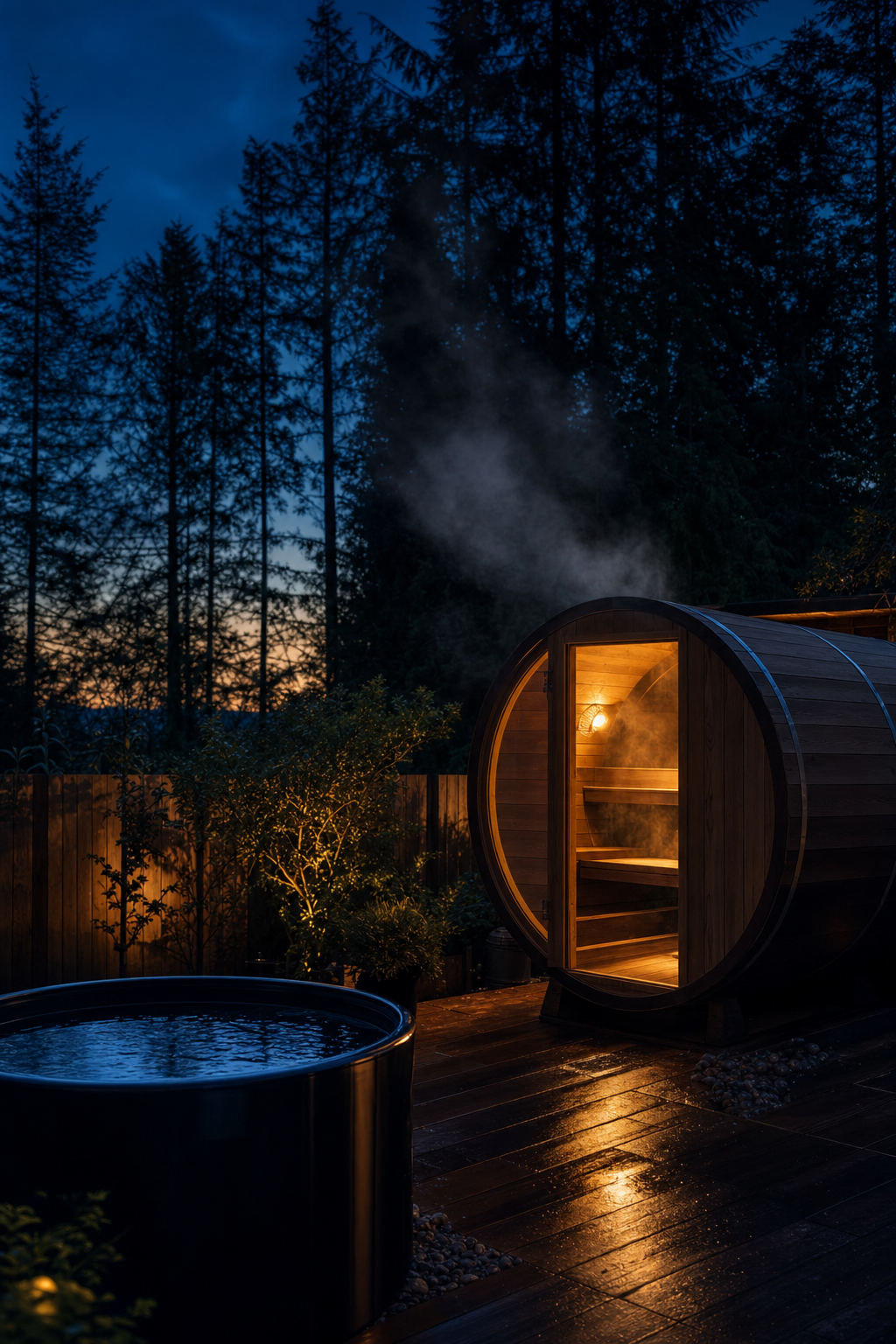
Beginners can overcome initial shock by using a controlled cold plunge fear breathing technique Vancouver beginners often use to calm the nervous system, such as a long, steady exhale during entry. Starting with short sessions of thirty seconds and having a partner present ensures safety while building the mental resilience necessary to manage anxiety and physical stress. This gradual process transforms the daunting experience into a manageable, health-focused routine.
Standing at the edge of a cold plunge tub often feels like facing a physical wall of resistance; your breath catches, your heart races, and every instinct screams to walk away. This mental barrier is the primary hurdle for Vancouver beginners who want to unlock the profound anti-inflammatory and neurological benefits of cold exposure. Understanding how to regulate your nervous system is the essential difference between a panicked exit and a controlled, transformative experience. In this guide, we will explore the precise breathing techniques required to override your fight or flight response. You will learn the nuances between traditional and Wim Hof methods, the strategic use of sauna contrast to ease your transition, and how supervised sessions in Vancouver can turn a daunting challenge into a mastered skill.
Understanding the Cold Plunge Mental Barrier: Why We Feel Fear
The hesitation felt at the edge of the water is not a sign of weakness; it is a sophisticated biological safeguard. For Vancouver beginners exploring these premium recovery experiences, that initial resistance is the brain’s primal cold shock response. When the skin touches icy water, the sympathetic nervous system triggers an immediate fight or flight reaction. The amygdala perceives the temperature drop as a direct threat to survival, causing the sharp gasp and rapid heart rate many experience.
High-performing professionals in Vancouver often encounter a similar psychological friction in the boardroom during high-stakes negotiations or complex leadership transitions. The instinct to retreat from a difficult conversation is the same mechanism that makes one pause before a cold plunge. However, there is a vital distinction between bad fear, which signals actual danger, and useful discomfort, which signals growth. By leaning into the latter, you engage in a process known as stress inoculation.
Overcoming this barrier is about more than just physical endurance. It is about teaching the brain that it can remain calm under extreme pressure. This mental shift is why mastering a specific cold plunge fear breathing technique Vancouver beginners can use is so transformative. By voluntarily entering the water, you are training your nervous system to regulate itself, building a level of resilience that translates directly to your professional and athletic life. Many find that pairing this challenge with mobile sauna rentals makes the transition more manageable, allowing the body to prime itself before the intentional stress of the cold.
The Essential Cold Plunge Breathing Technique for Beginners
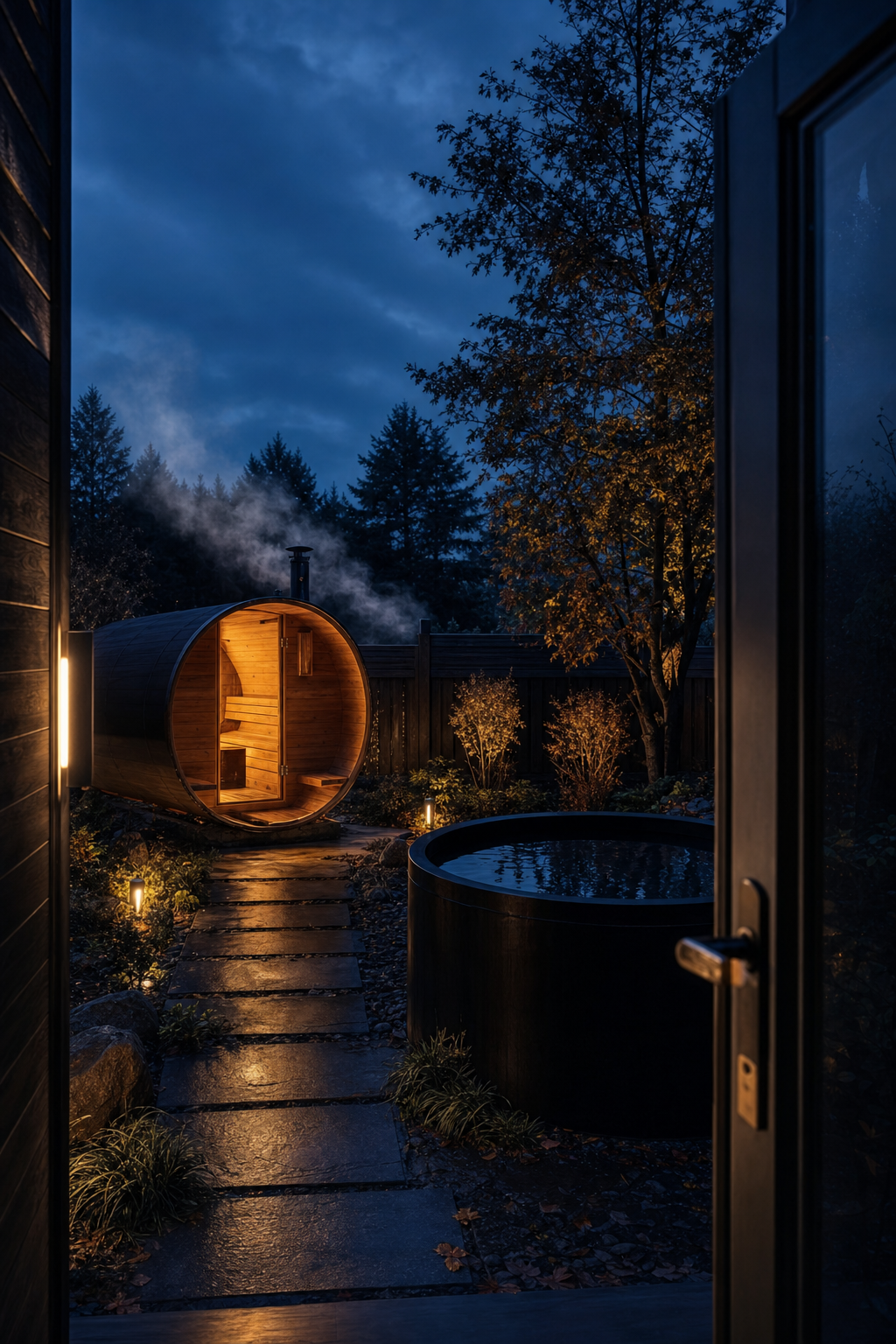
Stabilizing the nervous system starts long before the first drop of water hits your skin. To manage the physiological spike that follows cold exposure, you must first prime the parasympathetic nervous system through deliberate, rhythmic breathing. For Vancouver professionals transitioning from a high-stakes workday, box breathing is the most effective pre-plunge tool. Inhale deeply through the nose for four seconds, hold the breath for four, exhale slowly for four, and hold the lungs empty for four. This cycle lowers the baseline heart rate and creates a mental state of focused composure, preparing you to meet the cold from a position of strength rather than reactivity.
The most critical moment occurs during the entry. This is where the specific cold plunge fear breathing technique Vancouver beginners should master becomes vital. As you step into the water, take a full, controlled inhale. As you lower your shoulders below the surface, begin a long, steady exhale through pursed lips. Beginners often ask, "Can anxiety make me feel like I can't breathe?" The answer lies in the cold shock response. The sudden temperature drop triggers an involuntary diaphragmatic gasp, which the brain can misinterpret as an inability to catch one's breath. By consciously initiating a slow exhale, you manually override this gasping reflex, signaling to the brain that the environment is safe.
Breathing Phase | Action | Purpose |
|---|---|---|
Pre-Plunge | Box Breathing (4-4-4-4) | Downregulates the nervous system |
Entry | Deep Inhale, then Long Exhale | Overrides the involuntary gasp reflex |
Submergence | Humming on Exhale | Stimulates the vagus nerve for calm |
Maintenance | Slow Nasal Breathing | Maintains core temperature and focus |
Once submerged, incorporate a low, steady hum during your exhales. This technique creates a physical vibration that stimulates the vagus nerve, the primary highway of the body's relaxation response. This simple mechanical action helps move the body out of a state of panic and into the restorative phase of these premium recovery experiences. By focusing on the sound and sensation of the hum, you move your attention away from the initial sting of the cold and toward the internal rhythm of your own resilience.
Wim Hof vs Traditional Breathing: What Works Best for Your First Time
While the Wim Hof Method has popularized cold exposure globally, his specific protocol of rapid, rhythmic inhalations is often too stimulating for a first session. This technique intentionally triggers a controlled adrenaline release, which can amplify the panic response in someone already battling the initial cold shock. For Vancouver weekend warriors transitioning from a high-pressure work week, the goal is typically down-regulation rather than further stimulation.
Instead of hyperventilating, beginners should prioritize a parasympathetic-focused approach. This involves actively slowing the heart rate through the extended exhales and humming mentioned previously. By focusing on calmness, you move the body out of a high-adrenaline state and into a genuine recovery phase. This distinction is vital for a successful cold plunge fear breathing technique Vancouver beginners can rely on to stay composed. While more intense breathing styles are powerful tools for advanced practitioners, a gentle, breath-control approach ensures your first experience feels like a controlled victory rather than a chaotic struggle.
Breathing Style | Physiological Effect | Best Use Case |
|---|---|---|
Wim Hof Method | Adrenaline spike; alkalizes blood | Advanced cold tolerance and energy |
Parasympathetic Breathing | Lowers heart rate; activates vagus nerve | First-time plunges and stress recovery |
Box Breathing | Stabilizes nervous system | Pre-plunge mental preparation |
Choosing a calming rhythm allows you to fully engage with premium recovery experiences without overwhelming your system. This steady control turns the plunge into a meditative bridge between professional intensity and weekend rejuvenation, especially when paired with the deep heat of mobile sauna rentals.
Safe Temperatures and Timing: How Long Should a Beginner Cold Plunge?
Establishing control through breath is only half the battle; the other half is setting the right physical parameters. A common mistake among high-achievers is the drive to maximize intensity too quickly. In the context of cold exposure, plunging into near-freezing water immediately often triggers an overwhelming stress response that negates the recovery benefits. For those starting their journey in Vancouver, the most effective entry point is maintaining a temperature between 10 and 15 degrees Celsius (50 to 59 degrees Fahrenheit). This range provides sufficient thermal stress to activate metabolic benefits while remaining manageable enough to practice the cold plunge fear breathing technique Vancouver beginners need to maintain composure.
Duration should follow a similar conservative progression. Your first session is not a test of willpower, but a baseline for physiological adaptation. Begin with just 30 to 60 seconds. As your nervous system becomes habituated, gradually extend your time across subsequent sessions, eventually aiming for the three-minute mark.
Experience Level | Water Temperature | Target Duration |
|---|---|---|
Beginner | 10°C - 15°C | 30 - 90 Seconds |
Intermediate | 5°C - 10°C | 2 - 3 Minutes |
Advanced | Below 5°C | 3 - 5 Minutes |
For Vancouver professionals managing demanding schedules, consistency beats intensity every time. Achieving a three-minute plunge at a moderate temperature yields far greater long-term resilience than a single, traumatic thirty-second dip in near-freezing water. This steady approach ensures you can integrate these premium recovery experiences into your weekly routine without burnout. Pairing this measured progression with mobile sauna rentals allows you to heat the core before entry, making the recommended 10°C water feel like a crisp, restorative transition rather than an aggressive shock to the system.
The Power of Contrast: Why Sauna Makes the Cold Plunge Less Intimidating
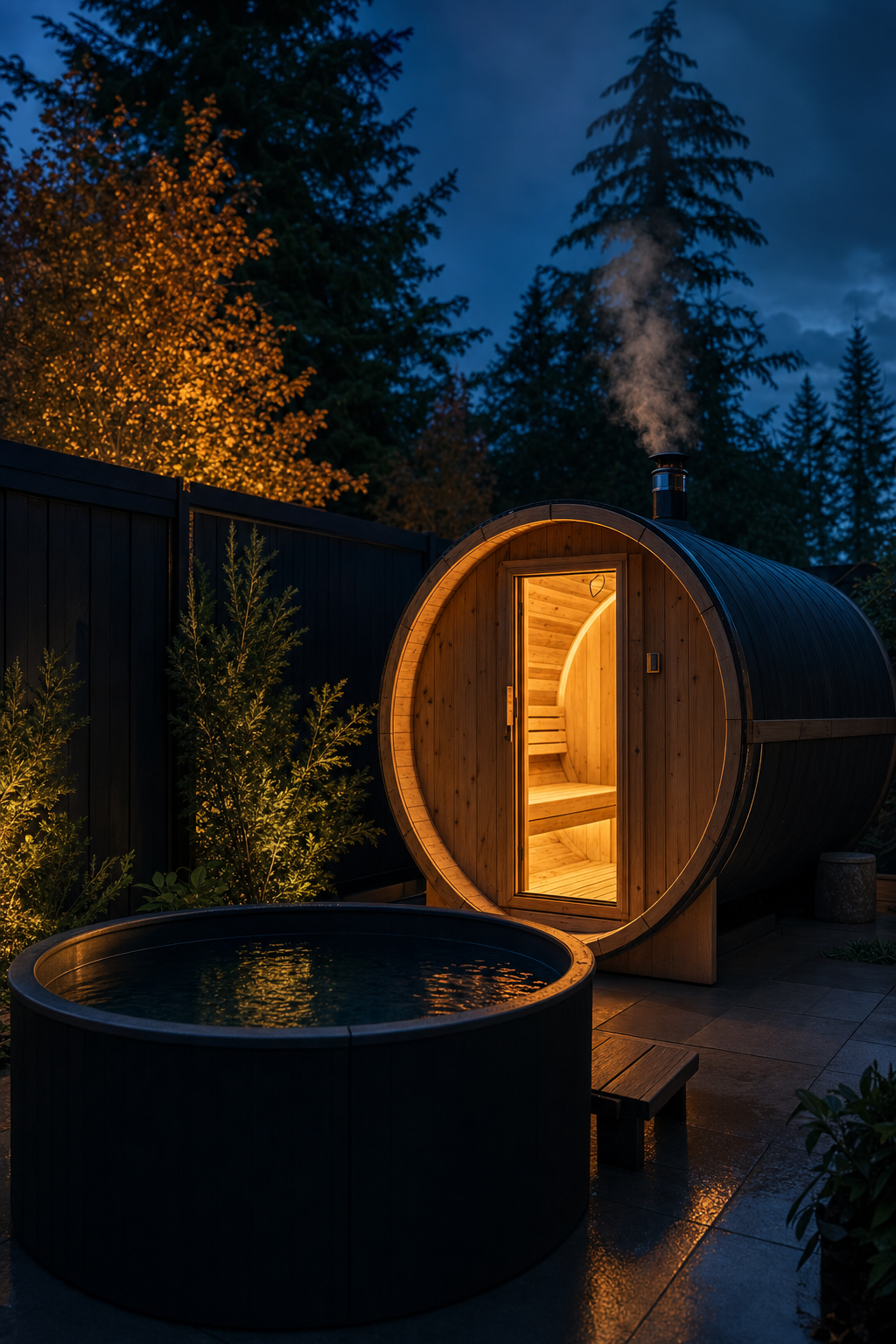
The Nordic Edge approach focuses on the thermal transition known as contrast therapy. By utilizing mobile sauna rentals to pre-heat the body, you shift the psychological context of the experience. Instead of the cold feeling like a harsh intrusion on a neutral body, the high heat of the sauna makes the water feel like a welcome cooling relief. This thermal priming significantly reduces the mental barrier for those new to the practice, turning a perceived threat into a functional tool for recovery.
Physiologically, the sauna induces vasodilation, where blood vessels expand to dissipate heat and increase circulation to the skin. Moving immediately into the cold triggers vasoconstriction, where vessels tighten to protect core organs. This rapid cycle acts as a vascular pump, flushing metabolic waste and reducing systemic inflammation.
Phase | Physiological Action | Mental Benefit |
|---|---|---|
Sauna (Heat) | Vasodilation | Relaxation and muscle softening |
Cold Plunge | Vasoconstriction | Alertness and endorphin release |
Contrast | Vascular Pumping | Reduced anxiety and systemic flush |
This physical readiness helps stabilize the mind. When the body is sufficiently pre-heated, the intensity of the cold shock is dampened. This makes it much easier to execute the cold plunge fear breathing technique Vancouver beginners rely on to stay calm. The transition from intense heat to cold creates a powerful endorphin release that replaces anxiety with deep clarity, rounding out these premium recovery experiences for the local professional community.
Supervised Mobile Cold Plunge in Vancouver: Safety and Mental Ease
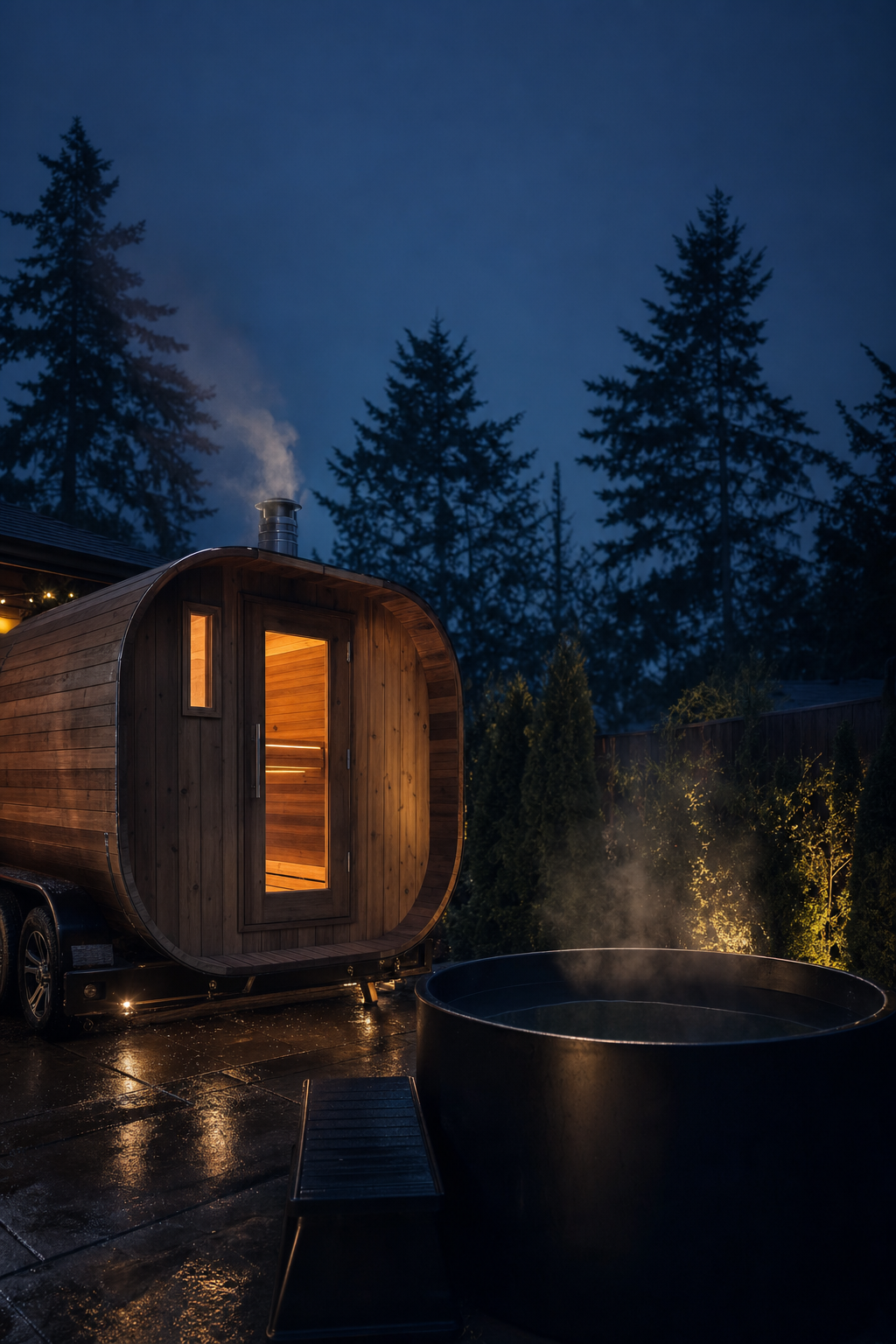
While contrast therapy provides the physical foundation for success, the environment in which you plunge dictates your mental state. One of the most frequent errors for newcomers is attempting to plunge alone. Without an external set of eyes, the brain’s survival instinct often wins, causing the practitioner to either cut the session too short or, conversely, ignore dangerous warning signals like excessive shivering or loss of motor control. Having a professional guide present at your home or office transforms the session from a high-stakes test of endurance into a structured recovery protocol.
During a supervised session, a coach monitors your physiological responses in real time. If they notice your breath becoming shallow or rapid, they provide immediate verbal cues to help you regain the specific cold plunge fear breathing technique Vancouver beginners require to reach the three-minute mark safely. This external regulation is vital; when you are in the thick of a cold shock response, it is easy to forget your training. A guide keeps you anchored, ensuring you stay in a state of controlled stress rather than spiraling into panic.
Aspect | Solo Plunge | Supervised Nordic Edge Session |
|---|---|---|
Safety | High risk of ignoring warning signs | Professional monitoring of physiological cues |
Breath Control | Easy to lose rhythm during shock | External coaching to maintain slow exhales |
Environment | Public crowds or travel stress | Private delivery to Kitsilano or North Vancouver |
Results | Inconsistent duration | Optimized 3-minute goal attainment |
Logistics often act as a secondary mental barrier for Vancouver professionals. Navigating traffic to reach a public spa in Kitsilano or finding parking near a facility in North Vancouver can re-trigger the very sympathetic nervous system activity you are trying to soothe. Bringing premium recovery experiences directly to your driveway removes this friction. By eliminating travel and the distractions of a public crowd, you can remain in a meditative state immediately following your mobile sauna rentals session. This private, guided environment allows you to focus entirely on your internal physiology, turning a challenging ritual into a seamless part of your high-performance lifestyle. When you are ready to experience this level of support, you can book your guided session to ensure your first plunge is safe, effective, and mentally manageable.
Embracing the cold is a journey of mental resilience that starts with your very first breath. While the initial shock can feel overwhelming, focusing on controlled breathing and seeking community support makes the process both safe and rewarding. If you want expert help to navigate your first steps into cold therapy, our team at Nordic Edge is ready to guide you. Feel free to learn more about our team to see how we help beginners build confidence in the water.