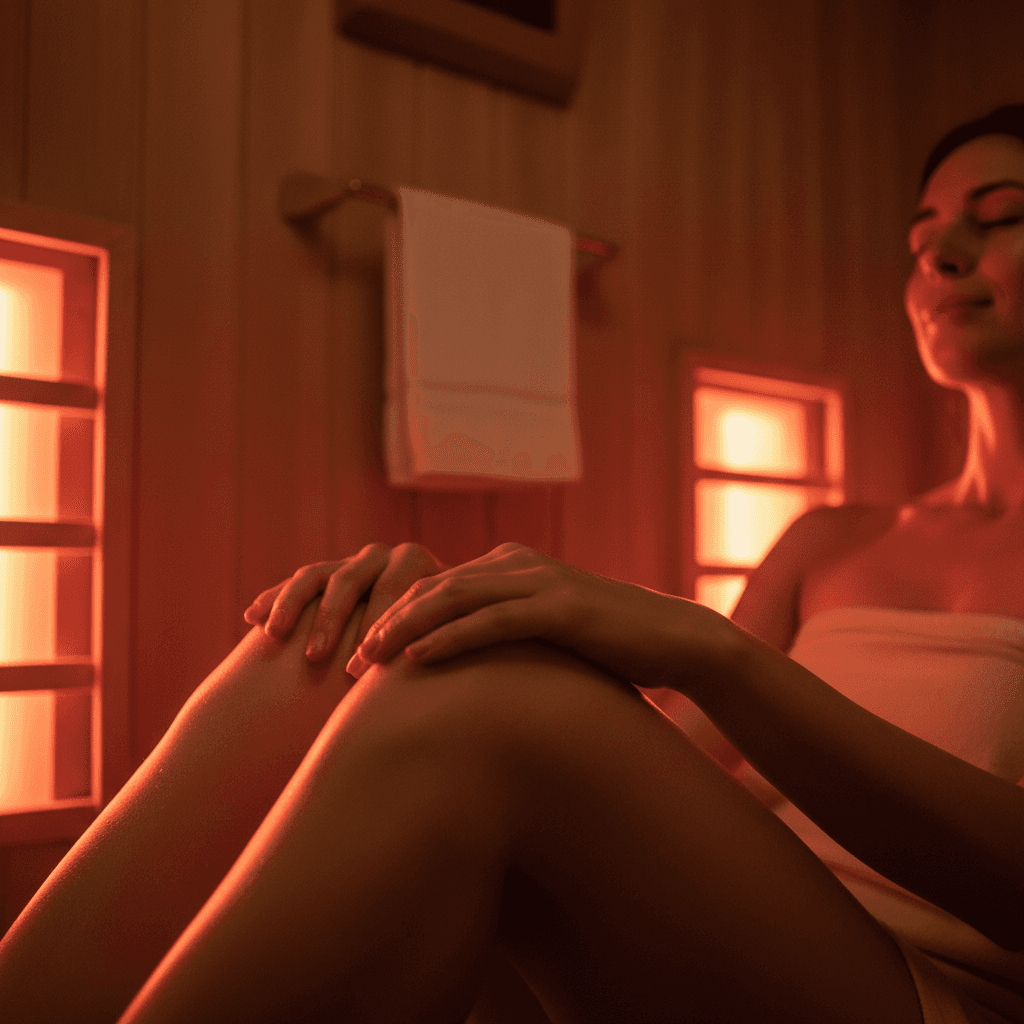

Individuals with heart conditions, high blood pressure, or respiratory issues should avoid alternating between extreme temperatures to prevent sudden cardiovascular stress or shock. Prioritizing contrast therapy safety who should avoid sauna cold plunge risks Vancouver ensures that those with underlying health concerns or sensitive skin conditions seek medical advice before starting this intense wellness practice.
The sudden transition from a blistering sauna to a near freezing basin offers an unparalleled dopamine rush, yet many Vancouverites dive into this ritual without assessing their body’s unique readiness. While the benefits of thermal stress are profound, the physiological demands on the cardiovascular and nervous systems are significant. As the Nordic wellness movement expands across British Columbia, distinguishing between a healthy challenge and a dangerous risk becomes a prerequisite for true recovery. At Nordic Edge, we prioritize precision over trends; ensuring that every session enhances your health rather than compromising it. This guide explores essential contraindications, identifies the yellow flags that necessitate caution, and provides a framework for safe practice. You will learn how to sequence your sessions effectively and discover why a professional, safety first approach is the cornerstone of sustainable cold and heat exposure.
The Rise of Nordic Wellness: Why Safety Must Come Before the Trend
Vancouver’s wellness landscape is currently dominated by the rapid expansion of thermal contrast therapy. From executives seeking a mental reset to weekend warriors recovering from the Sea to Sky trail, the demand for mobile sauna rentals has never been higher. However, the local enthusiasm for these recovery services often outpaces the necessary understanding of contrast therapy safety who should avoid sauna cold plunge risks Vancouver residents must consider.
The primary mechanism behind this practice is the extreme physiological demand placed on the cardiovascular system. When you move from a sauna to a cold plunge, your body undergoes rapid vasodilation followed by intense vasoconstriction. In the heat, blood vessels expand to facilitate cooling; upon hitting the water, the cold shock response triggers an immediate narrowing of those same vessels. This process forces the heart to work significantly harder to maintain internal pressure, which can lead to an acute spike in blood pressure.
While this deliberate stress can build resilience and temporary soreness relief, it requires a professional, safety first approach. Understanding the impact on your heart and lungs is essential before you book your session. Moving between these extremes is a potent biological tool, not a passive leisure activity, and it demands respect for the physiological limits of the human body.
Who Should Avoid Sauna and Cold Plunge: Essential Contraindications
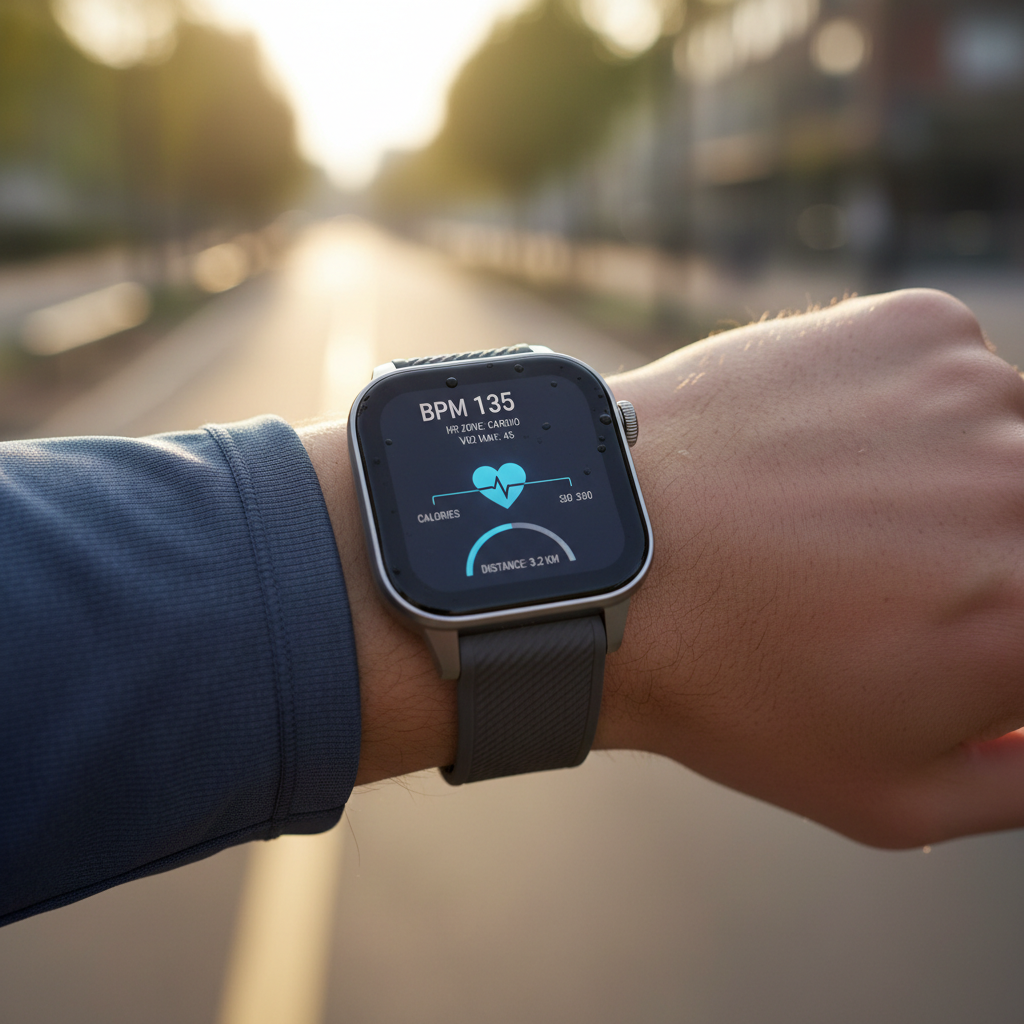
Identifying specific health profiles that are incompatible with extreme temperature transitions is the first step in maintaining high standards for contrast therapy safety who should avoid sauna cold plunge risks Vancouver residents need to understand. While the benefits are significant for the healthy individual, certain medical conditions represent absolute contraindications. According to research from the American Medical Association (AMA) and the American Heart Association (AHA), the primary concern lies in the cardiovascular system’s ability to handle sudden, intense stress.
Non-negotiable contraindications include: - Uncontrolled high blood pressure (hypertension) - History of heart disease or congestive heart failure - Heart arrhythmias or the use of a pacemaker - History of recent stroke or transient ischemic attack (TIA)
The medical reasoning for these exclusions is grounded in the "cold shock response." When a body hits water below 15 degrees Celsius, the sympathetic nervous system triggers an immediate, involuntary gasp and a massive spike in blood pressure. For those with underlying cardiovascular fragility, this sudden workload on the heart can trigger adverse cardiac events. It is not a matter of mental toughness; it is a matter of the mechanical limits within the arteries and heart muscle.
Beyond heart health, individuals with Raynaud’s disease should avoid these recovery services without strict medical supervision, as extreme cold can cause severe vasospasms and restricted blood flow to extremities. Additionally, specific skin conditions, such as cold urticaria (a literal allergy to cold) or severe eczema that may be exacerbated by intense heat, require clearance from a dermatologist. Even if you are an elite athlete, these physiological triggers bypass physical conditioning. If you fall into these categories, consult a specialist before considering mobile sauna rentals or cold immersion. Prioritizing health history ensures that when you do book your session, you are doing so from a foundation of professional safety.
Is Contrast Therapy Dangerous? Understanding the Yellow Flags
Is contrast therapy dangerous? For most healthy individuals, the answer is no, provided the practice is approached with discipline and professional oversight. However, there is a distinct category between absolute contraindications and perfect health known as yellow flags. These are conditions where the body’s physiological response to thermal stress might interfere with existing health management, requiring a consultation with a physician before you book your session.
Diabetes represents a significant yellow flag due to potential peripheral neuropathy. When nerve damage reduces the ability to feel temperature accurately, a guest might unknowingly suffer skin damage in a sauna or cold plunge. Furthermore, the metabolic demands of rapid temperature shifts can cause fluctuations in blood glucose levels. Similarly, pregnancy requires caution; research cited by the American Lung Association suggests that extreme heat can elevate core body temperature to levels that may be unsuitable for fetal development.
Medications that affect heart rate or thermoregulation also require scrutiny. Beta-blockers, for instance, can prevent the heart from responding naturally to the cold shock response, while certain diuretics may impact hydration levels necessary for safe sauna use. To manage these contrast therapy safety who should avoid sauna cold plunge risks Vancouver residents should focus on mitigation through gradual exposure.
The American Lung Association notes that the primary risk of "shock" occurs during sudden, deep immersion in water near 4 degrees Celsius, which can trigger an involuntary gasp response. We recommend local professionals and athletes transition slowly, starting with moderate temperatures rather than diving straight into extreme cold. Utilizing structured recovery services or mobile sauna rentals ensures that these transitions are monitored, turning a potential shock into a controlled and beneficial stressor.
Safe Practices for Vancouver Weekend Warriors: Sequencing and Timing
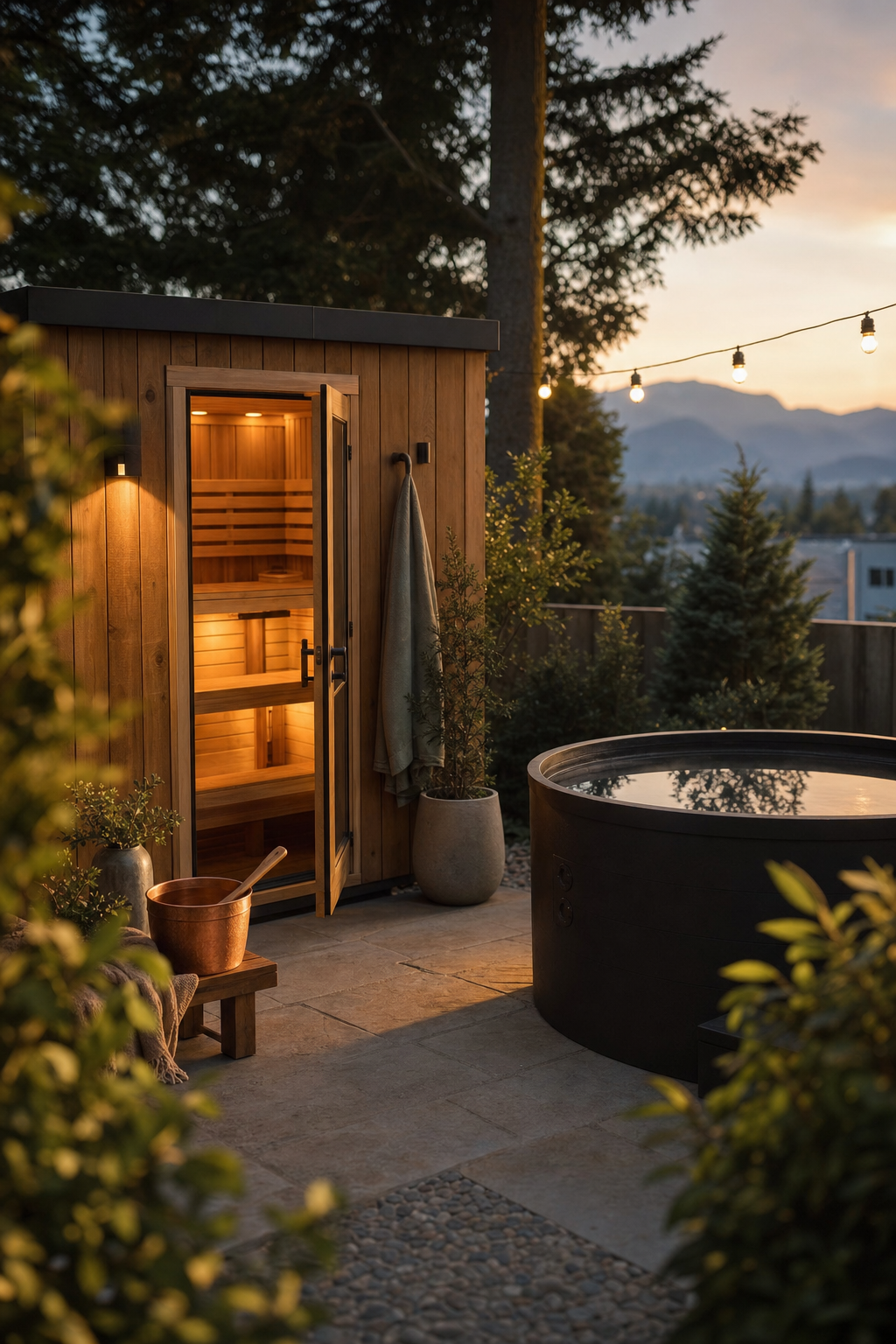
For high performers tackling the Grouse Grind or a technical Sea to Sky trail run, timing is as critical as the therapy itself. While the urge to immediately shock sore muscles is strong, you must ensure your heart rate has returned to a near baseline level before beginning. Entering a cold plunge while in a state of extreme physical exhaustion can amplify the cold shock response, placing unnecessary strain on an already taxed cardiovascular system. Wait until your breathing has stabilized and your internal temperature has begun to normalize after peak exertion.
The gold standard sequence for maximizing recovery services involves starting with the heat. Begin with 15 to 20 minutes in the sauna to induce vasodilation and promote blood flow. Follow this with a brief cold plunge of one to three minutes to trigger vasoconstriction. This vascular shunting acts as a natural pump for the lymphatic system, assisting in the removal of metabolic waste accumulated during a heavy training session.
A common question among those exploring mobile sauna rentals is whether it is safe to move directly from the cold plunge back into the sauna. While many practitioners do multiple rounds, you should always allow for a period of rest in between. Ideally, you should return to a neutral body temperature before re-entering the heat. Sudden, repeated swings without a transition period can lead to dizziness or syncope as your blood pressure fluctuates rapidly. Adhering to these protocols is essential for contrast therapy safety who should avoid sauna cold plunge risks Vancouver locals often overlook during intense training cycles. Always prioritize gradual acclimation before you book your session to ensure the experience supports your long term performance.
Managing the Chill: 6 Tips for Safer Recreational Cold Plunge Use
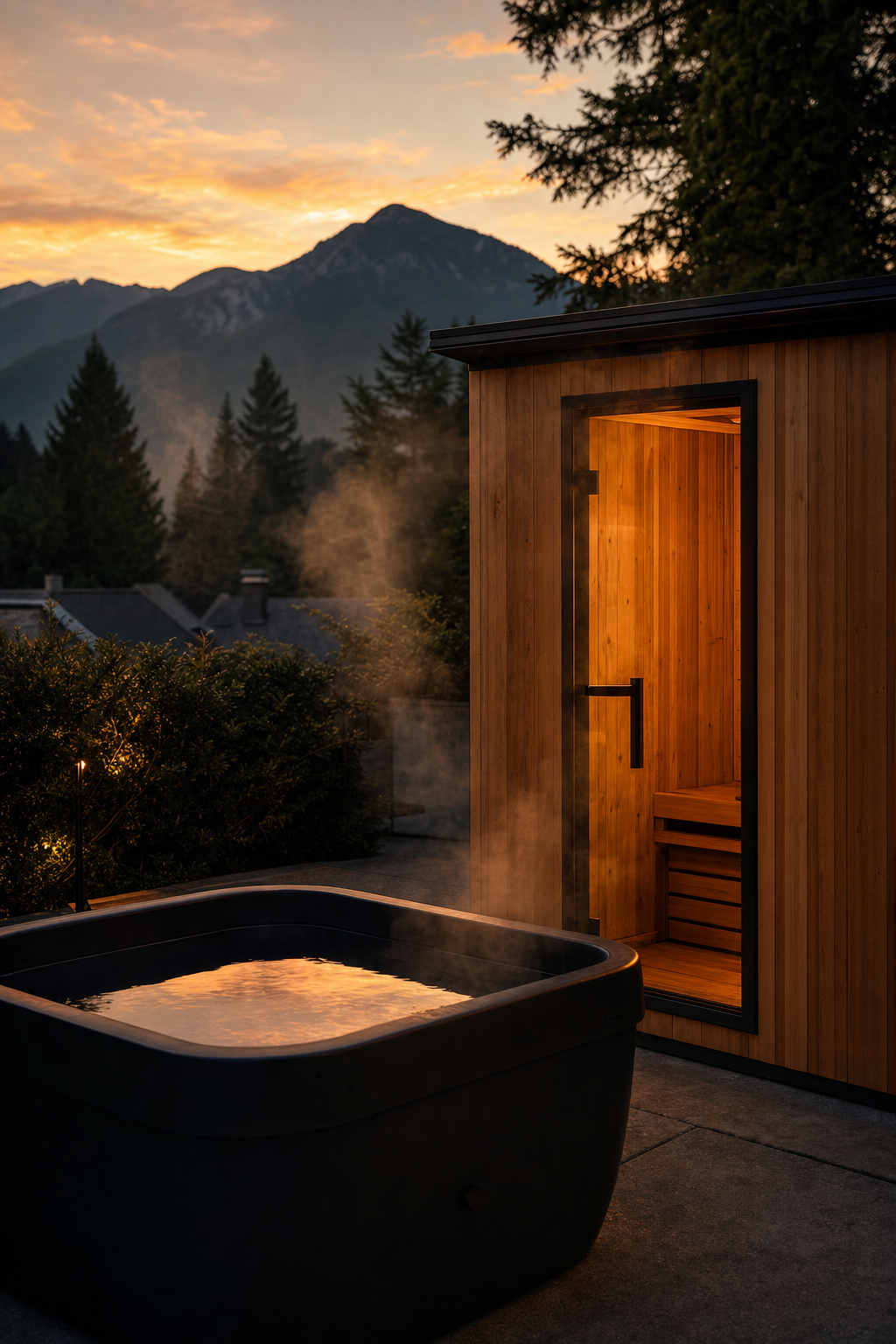
Implementing a rigorous protocol is what transforms a recreational trend into a legitimate health practice. For those integrating recovery services into their routine, safety relies on disciplined execution rather than raw endurance. Adhering to specific guidelines ensures that the physiological stress remains beneficial rather than hazardous.
Never plunge alone: Sudden changes in blood pressure can occasionally lead to lightheadedness. Having a professional or a partner present is essential for monitoring your physical state.
Master the exhalation: The cold shock response often triggers an involuntary gasp reflex. Focus on long, controlled exhalations to calm the nervous system and prevent the hyperventilation mentioned in American Lung Association research.
Limit initial duration: For your first several sessions, keep immersion between 1 to 2 minutes. This is sufficient time to trigger the desired hormonal and vascular responses without overtaxing the heart.
Prioritize electrolytes: The thermal shift is metabolically demanding. Hydrate with water and essential minerals both before and after you book your session to maintain cardiovascular stability.
Avoid alcohol: Alcohol significantly impairs thermoregulation and can mask symptoms of hypothermia or cardiovascular distress. It should be avoided entirely before and during your session.
Listen to bio-feedback: If you experience nausea, dizziness, or sharp shivering, exit the water immediately. Numbness is expected, but pain or disorientation is a signal to stop.
Nordic Edge facilitates these safety standards by providing a professionally supervised environment for all mobile sauna rentals. By maintaining strict temperature controls and providing onsite guidance, we manage the contrast therapy safety who should avoid sauna cold plunge risks Vancouver professionals must navigate. This oversight ensures that the experience remains a controlled, high performance recovery tool rather than an unmonitored risk.
Addressing the Science: Managing Expectations for 2026 Wellness Trends
As the wellness industry moves toward 2026, a more grounded, evidence-based perspective is replacing the initial biohacking hype. Recent commentary from the American Medical Association suggests that while the physiological experience is intense, contrast therapy should not be viewed as a panacea for long-term cardiovascular health or metabolic shifts. Scientific skepticism often centers on the lack of longitudinal data proving these practices replace traditional aerobic exercise or professional medical interventions.
For the discerning Vancouver professional, it is essential to view these recovery services as a specialized tool for acute benefits. Research indicates that the primary advantages are found in modest reductions in muscle soreness and the development of stress inoculation. By deliberately entering extreme temperatures, you train your autonomic nervous system to remain calm under pressure; this is a skill that translates directly to high-stakes environments.
In evaluating contrast therapy safety who should avoid sauna cold plunge risks Vancouver residents must distinguish between valid recovery protocols and magic pill marketing. This practice is a powerful supplement to a disciplined lifestyle, not a substitute for it. Recognizing these boundaries ensures that when you book your session or arrange mobile sauna rentals, you are investing in a proven method for mental resilience and physical restoration rather than a fleeting trend.
Safety First at Nordic Edge: How We Protect Our Clients
Nordic Edge operationalizes safety by maintaining a strictly controlled environment for every deployment. Our protocol begins with a mandatory intake process to identify the medical contraindications and yellow flags outlined in this guide. This screening ensures that all individuals accessing our recovery services are prepared for the physiological demands of thermal contrast.
During the experience, we utilize active temperature monitoring to prevent the risks of overheating or extreme cold shock. We maintain a professional, clean environment with non slip surfaces to minimize physical injury. By supervising each encounter, we directly manage the contrast therapy safety who should avoid sauna cold plunge risks Vancouver professionals encounter during intense training cycles. When you book your session for mobile sauna rentals, you are choosing a service grounded in clinical awareness and risk mitigation.
Contrast therapy offers powerful recovery benefits, yet prioritizing your safety remains the most important factor. By understanding potential risks and listening to your body, you can enjoy the sauna and cold plunge experience with total confidence. If you want expert help designing a safe wellness routine, our team is ready to guide you. You can read more about our approach and our commitment to client safety here. We look forward to supporting your health journey in Vancouver.