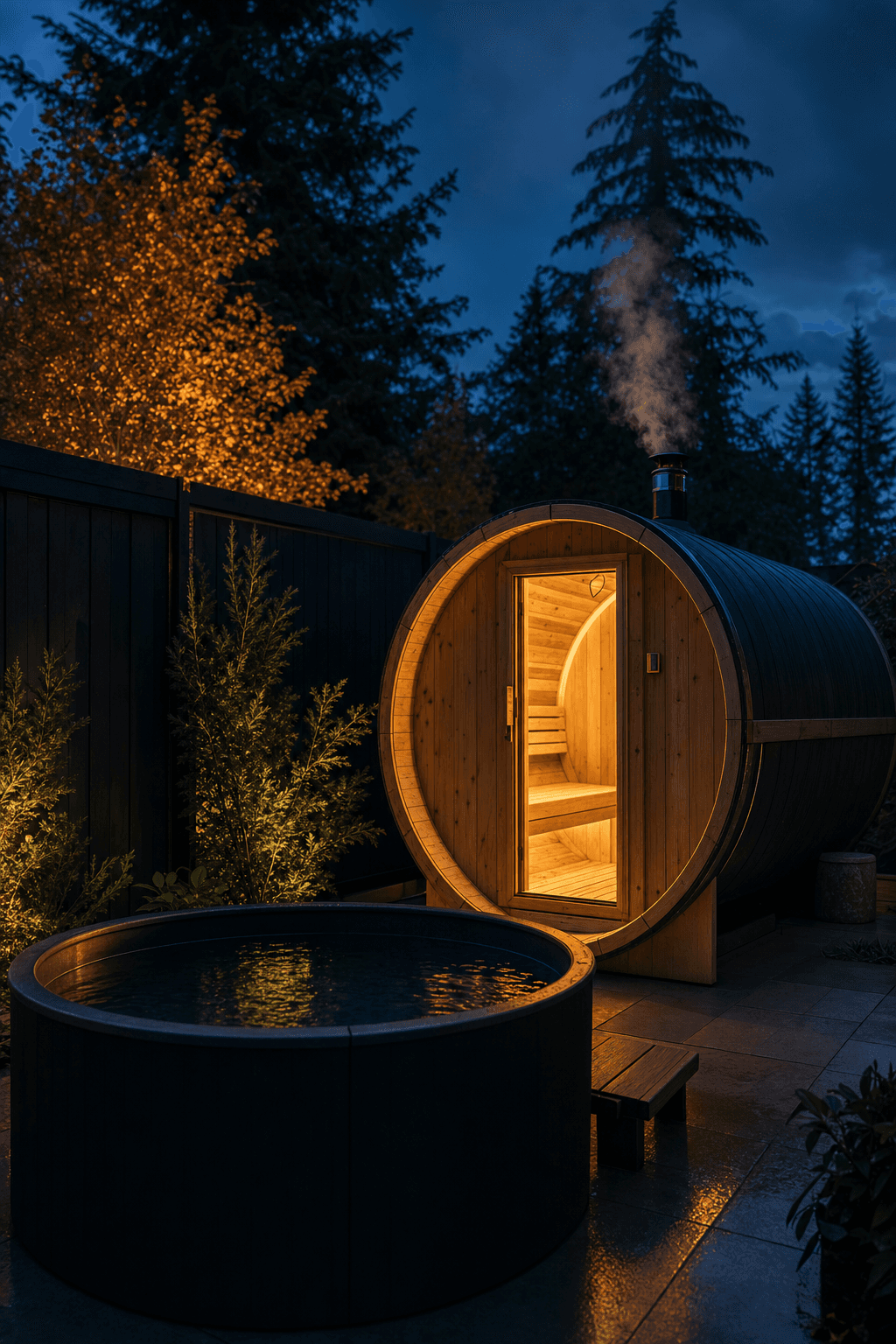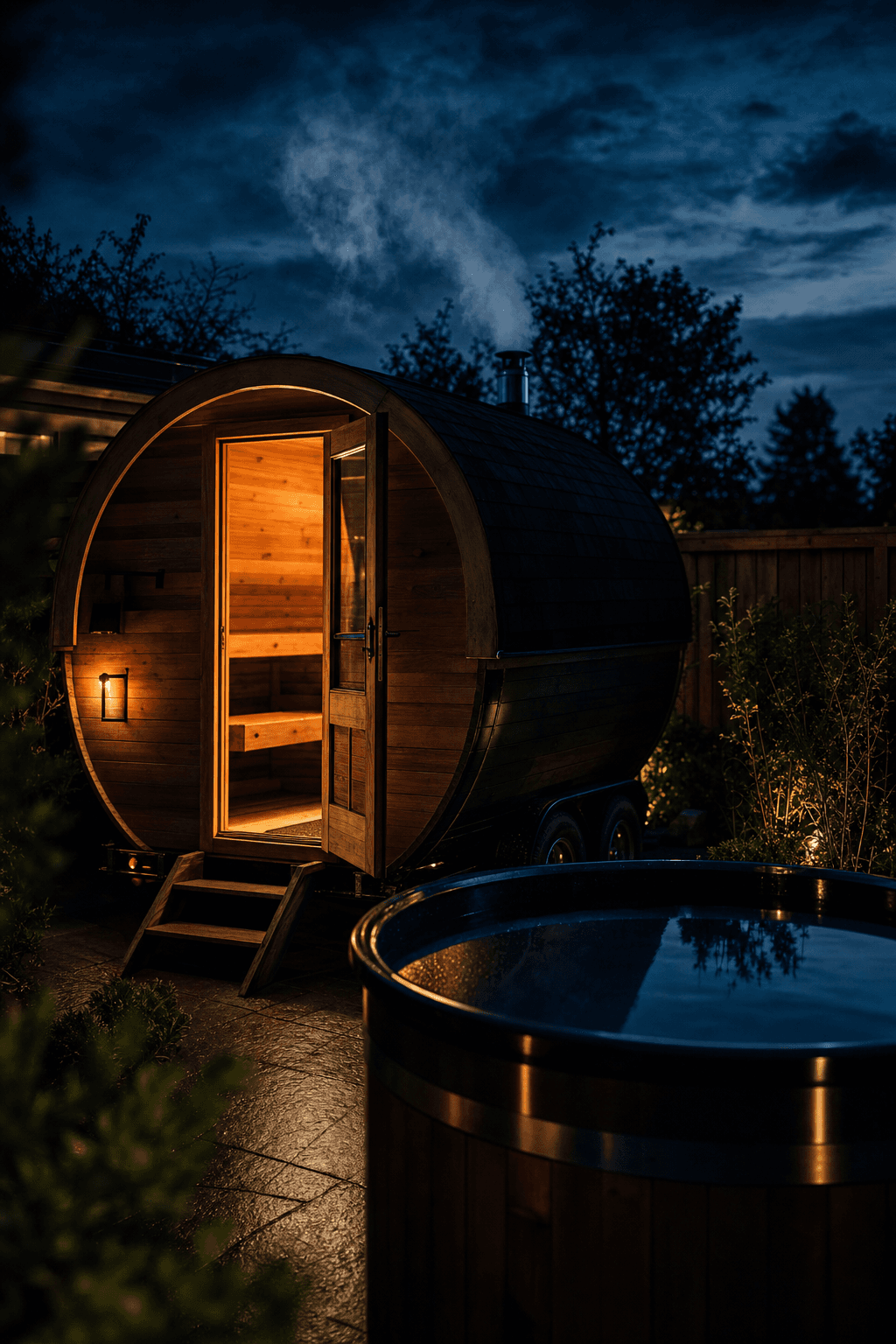
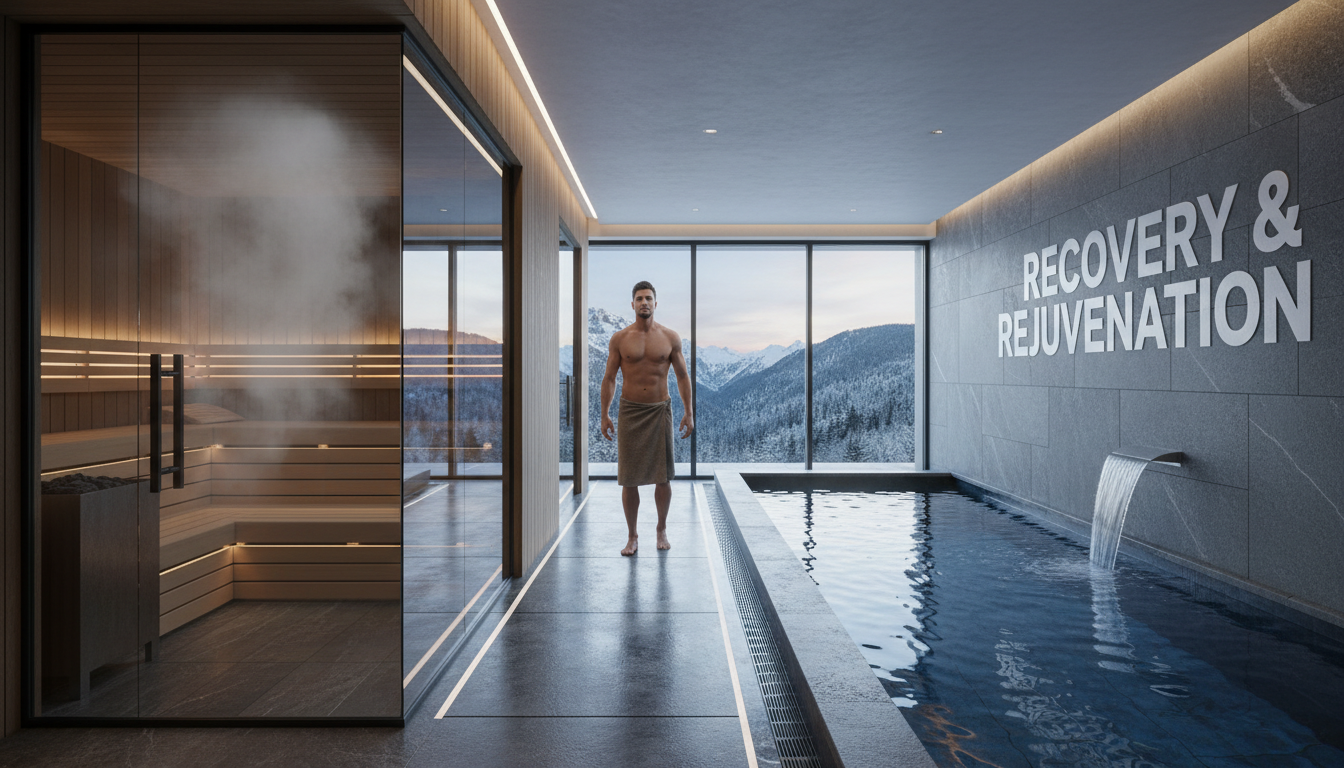
Cold water therapy lowers cortisol levels and resets the nervous system to help individuals achieve lasting calm and mental clarity. Vancouver professionals utilize this practice for cold plunge stress relief Vancouver residents need to manage workplace pressure and improve overall mood through endorphin release. By building physical resilience to the cold, the body becomes better equipped to handle emotional and psychological stressors.
You are waking up at 3am, mind racing, heart already anticipating the pressure of tomorrow, and no amount of deep breathing is pulling you back to sleep. For Vancouver professionals navigating demanding careers, rising costs, and the relentless pace of a competitive city, chronic stress has stopped feeling like a temporary problem and started feeling like a permanent operating mode. Cortisol, the hormone at the center of that cycle, is doing real damage to your sleep, your focus, and your long-term health. Cold water therapy is emerging as one of the most evidence-backed tools available for interrupting that cycle at a physiological level. In this article, you will learn exactly how cold plunge therapy affects your stress hormones, why Vancouver professionals are turning to it, and how to build a consistent practice that delivers lasting results.
TL;DR: What Cold Plunging Actually Does to Your Stress Hormones
Cold plunging initially spikes cortisol as an acute stress response, but with repeated sessions, the body adapts and resting cortisol levels decrease over weeks. Dopamine rises 2-3x baseline after a plunge and stays elevated for hours, producing a sustained mood lift that caffeine simply cannot replicate. Consistent cold exposure builds stress inoculation, training your nervous system to recover from stressors faster and return to calm more efficiently. This is not a magic cortisol cure; it is a proven, research-backed tool for stress resilience that compounds with practice.
Why Vancouver Professionals Are Burning Out Faster Than Ever
Vancouver is an expensive city to build a life in, and the pressure of that reality does not clock out at 5pm. A product manager in Yaletown closes their laptop after back-to-back video calls, checks Slack one more time before dinner, and wakes up at 2am mentally rehearsing tomorrow's stakeholder presentation. A mortgage broker in Burnaby is driving the Highway 1 corridor twice a day, fielding client calls between lanes, and working weekends because the real estate market never really pauses. A finance analyst in Surrey is grinding through earnings season on four hours of sleep, propped up by a third coffee before noon.
This is not occasional pressure. This is the baseline. Tech, finance, and real estate in the Lower Mainland reward relentless availability, and the cost of living means most people cannot afford to step back. The result is a nervous system that stays in high gear, never fully downshifting between demands. Cortisol compounds quietly over months until sleep quality deteriorates, focus fragments, and recovery between efforts gets shorter. That chronic stress state is exactly what cold plunge stress relief in Vancouver is positioned to address at a physiological level.
What Cortisol Actually Does to Your Body and Mind
That chronic high-gear state the Vancouver professional lives in does real damage, and cortisol is the primary mechanism behind it.
Cortisol itself is not the problem. It is a necessary hormone that sharpens focus, mobilizes energy, and gets you through a demanding presentation or a tight deadline. An acute cortisol spike is your body doing exactly what it should. The problem is when cortisol never comes back down, because the demands never stop.
Chronic elevation, the kind that builds quietly over months of unrelenting workplace pressure, produces a specific set of consequences. Sleep is often the first casualty. Can too much cortisol cause insomnia? Yes, directly. Cortisol follows a natural daily rhythm, rising gradually in the early morning hours to prepare the body to wake. In chronically stressed individuals, that rise comes too early and too sharply, producing the familiar 3am wide-awake problem where the mind starts racing through tomorrow's task list before the alarm has any chance to go off. Beyond sleep disruption, sustained high cortisol contributes to abdominal weight gain, persistent low-grade anxiety, fragmented focus, and a suppressed immune response that leaves you catching every cold circulating through the office.
The distinction that matters is this: a spike that resolves quickly is useful. Cortisol that stays elevated because the stressors never clear is what erodes performance and health over time. That is the pattern unmanaged workplace stress creates across months and years.
The Science Behind Cold Plunge and Cortisol Reduction
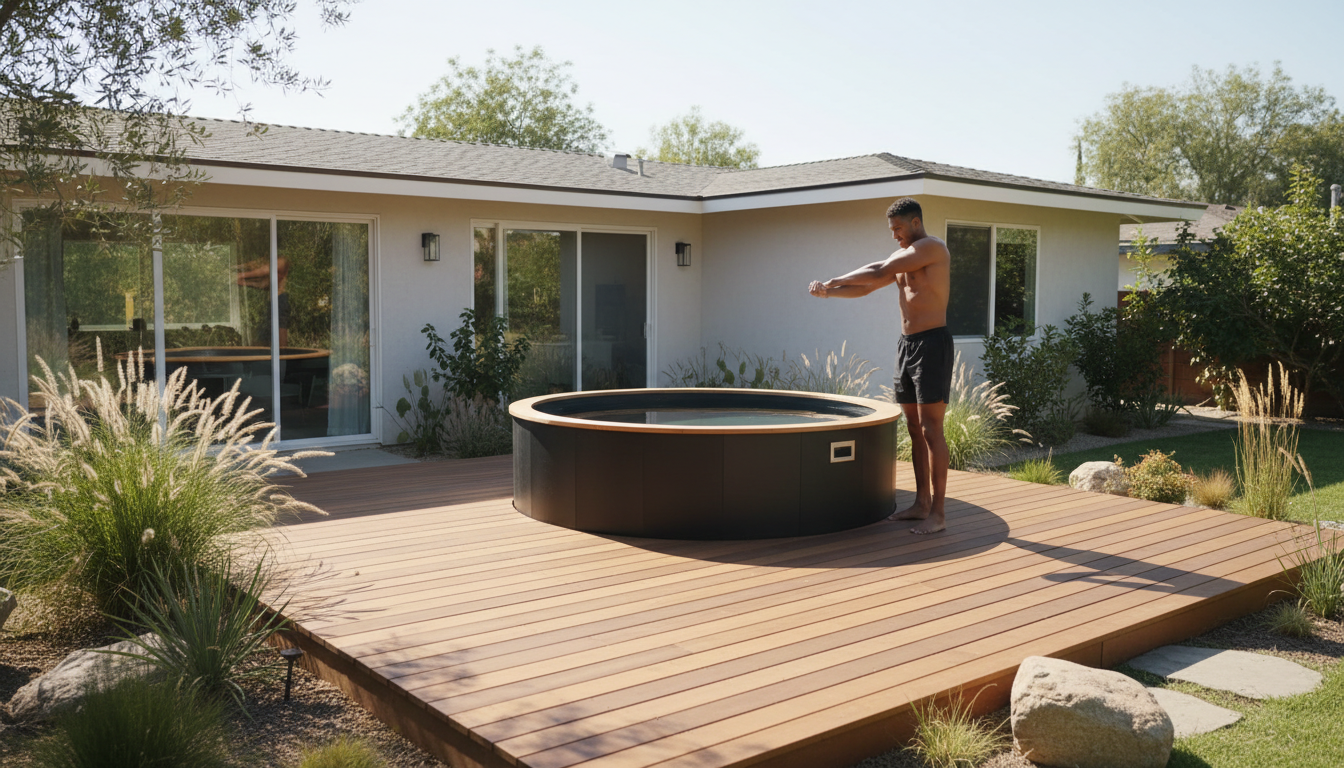
So does cold plunge help lower cortisol? The honest answer is: yes, but not in the way most people expect.
The first thing that happens when you enter cold water is a cortisol spike. The body reads immersion as an acute stressor and responds accordingly, flooding the system with cortisol and adrenaline. This is not a problem; it is actually the mechanism that makes the practice work. The spike is short-lived, and for a nervous system already habituated to chronic low-grade cortisol elevation, that sharp acute response followed by a rapid return to baseline is itself a form of recalibration.
The deeper adaptation happens over weeks of consistent exposure. Research on long-term cold water immersion, including studies indexed on PubMed examining HPA axis response to repeated cold exposure, shows that the hypothalamic-pituitary-adrenal axis gradually recalibrates. The body becomes more efficient at terminating the cortisol response, and resting baseline levels decrease. The HPA axis, which is the same system that stays chronically activated in a burned-out Vancouver professional, essentially learns that not every stressor requires a maximum output.
Parallel to the cortisol shift, dopamine rises 2-3x above baseline after a plunge and remains elevated for hours. This is meaningfully different from the dopamine hit of caffeine or a stimulant, which spikes fast and drops. Cold-induced dopamine rises gradually and holds, producing sustained mood improvement rather than a peak-and-crash cycle.
Following the initial shock, the body also activates the parasympathetic nervous system. Over time, this repeated activation builds vagal tone, which is a measurable marker of emotional regulation and stress resilience.
One session moves the needle acutely. A consistent protocol actually rewires the response.
Building Stress Resilience: Why Consistency Is the Real Goal
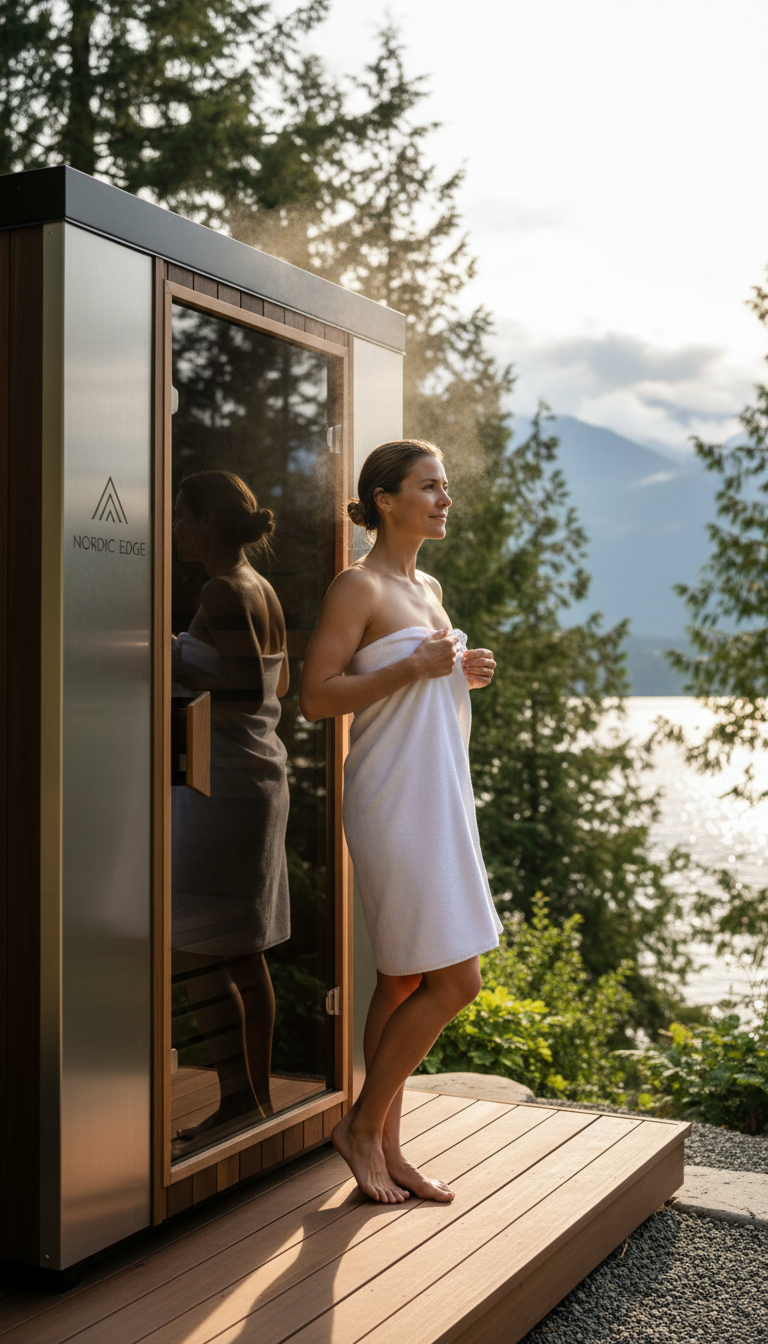
One session recalibrates the acute response. A consistent protocol builds something more durable.
The mechanism researchers call stress inoculation works exactly the way progressive overload does in strength training. You are not simply tolerating cold water; you are giving your nervous system a controlled, repeatable stressor and training it to respond more efficiently each time. The adaptation is cumulative. Skip the gym for a month and you lose the gains. Skip the plunge for a month and the nervous system reverts. Consistency is not a lifestyle recommendation here; it is the actual intervention.
The research-backed range for meaningful HPA axis adaptation is 2 to 4 sessions per week. For beginners, the target temperature is 10 to 15 degrees Celsius, and duration sits between 2 and 5 minutes. There is no performance reward for going colder or staying longer than necessary, especially early on. The goal is a controlled dose, not a feat of endurance.
What separates this practice from a generic wellness habit is what you are actually doing inside those 2 to 5 minutes. The objective is not to white-knuckle through the discomfort. It is to practice deliberate breathing and mental calm while your body is under real physiological stress. That is a skill, and it transfers. The same composure you build in cold water, slowing your breath while every instinct tells you to exit, is the composure you draw on in a difficult board meeting, a tense client call, or a high-stakes decision under deadline. Cold plunge stress relief in Vancouver that is practiced with intention is training for the moments that actually matter.
Cold Plunge for Sleep: Addressing the 3am Cortisol Problem
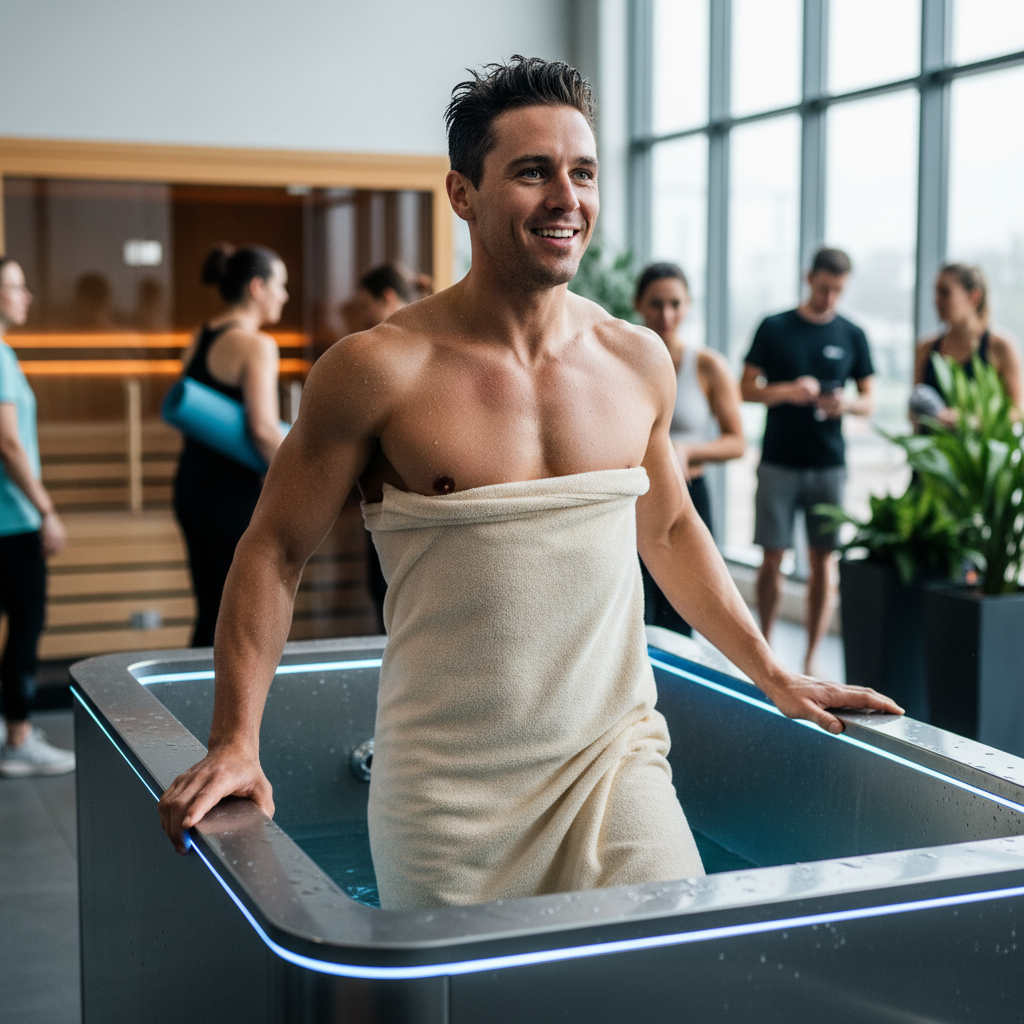
That composure built in cold water has a direct payoff beyond the boardroom. It carries into the night, specifically into the hours when chronically stressed Vancouver professionals tend to lose the most ground.
The 3am wake-up is not random. Cortisol follows a natural rhythm, rising gradually through the early morning hours to prepare the body to wake around 6 or 7am. In a nervous system that has been running at high output for months, that rise comes too early and too sharply. The result is a hard wake at 3 or 4am with a mind that immediately goes to tomorrow's deliverables, a deal that isn't closing, or a conversation that didn't land. The cortisol spike that was meant to ease you into waking instead jolts you out of deep sleep at the worst possible time.
Cold plunging in the late afternoon or early evening, roughly 3 to 6 hours before bed, addresses this pattern at the source. Post-plunge parasympathetic activation calms the nervous system and reduces inflammatory markers that interfere with sleep onset and depth. The body temperature drop that follows immersion also mirrors the natural cooling the body undergoes when preparing for sleep.
One timing note worth respecting: avoid plunging within an hour of bedtime. The initial adrenaline response is real, and for some people it is stimulating enough to delay sleep onset rather than support it.
How to Get Started with Cold Plunge Therapy in Vancouver
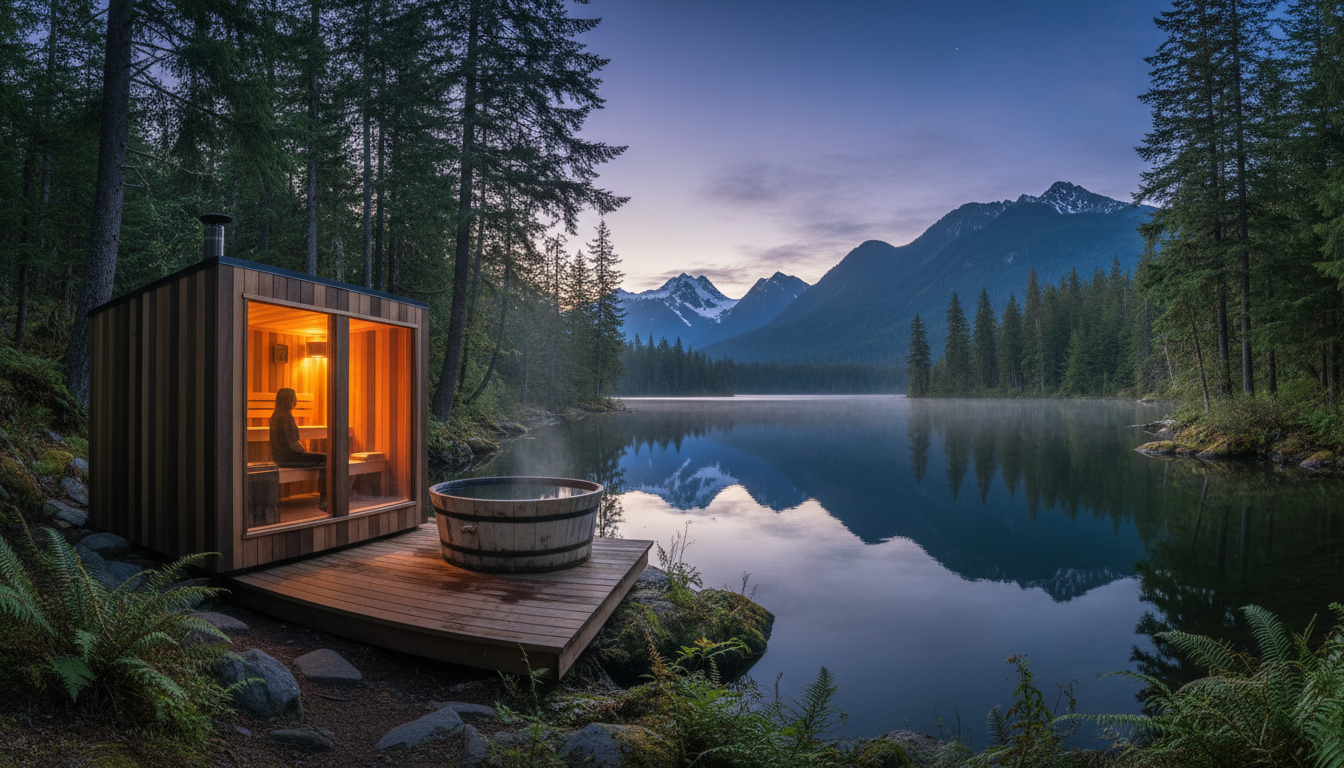
Knowing the sleep and stress benefits is one thing. Actually starting is another, and the first session is the part most people overthink.
If you have never done full immersion before, a practical on-ramp is ending your shower cold for 60 to 90 seconds each morning for a week or two. It is not the same physiological stimulus as a full plunge, but it introduces the gasp reflex in a controlled environment and gives you a chance to practice breathing through the initial shock before you are sitting in a tub at 12 degrees Celsius.
For your first full session, expect three things in quick succession: an involuntary gasp as the cold hits, a strong urge to exit within the first 30 seconds, and then a gradual settling as the body adjusts. The tool for getting through that first minute is box breathing: inhale for four counts, hold for four, exhale for four, hold for four. It pulls your attention onto the breath and off the discomfort, and it works.
For Vancouver professionals who are already stretched thin on time, mobile cold plunge services in Vancouver remove the most common barrier entirely. Nordic Edge brings a fully set-up cold plunge directly to your home or office, serving Vancouver, Burnaby, West Vancouver, and Surrey. No commute, no scheduling around a facility's hours, no shared equipment.
Practical Tips to Lower Cortisol Beyond the Cold Plunge
The cold plunge does the heavy lifting, but the cortisol environment you build around it determines how far your results actually go. A few targeted habits compound the adaptation rather than working against it.
Get outside within 30 minutes of waking. Morning sunlight anchors your cortisol awakening response, helping it peak earlier and drop off cleanly by evening. A 10-minute walk along the seawall or even your building's block is sufficient. This one costs nothing and directly sets up better sleep that night.
Hold off on caffeine until after 9:30am. Cortisol peaks naturally in the first 60 to 90 minutes after waking. Adding caffeine on top of that peak amplifies the spike and extends it. If your first Teams call is at 8am, this adjustment alone reduces the amount of cortisol you are managing by midday.
Use breathwork between meetings, not just in the plunge. Box breathing takes 90 seconds and can be done before you open the next Zoom. The vagal tone you build in cold water makes this more effective over time.
Add heat. Sauna use has its own body of cortisol-lowering research, and pairing it with cold plunge as contrast therapy produces a more complete parasympathetic reset than either practice alone. This is why contrast therapy is considered the gold standard in recovery protocols.
Keep a fixed wake time, including weekends. The 3am cortisol problem worsens with irregular sleep schedules. Consistency in wake time stabilizes the HPA rhythm more reliably than any supplement.
Book a Mobile Cold Plunge Session in Vancouver
You have already done the hard part by building the habits. The last thing that should stand between you and cold plunge stress relief in Vancouver is a commute across town after a full day of work.
Nordic Edge brings a fully equipped cold plunge setup directly to you, whether that is a condo in Yaletown, a home in West Vancouver, or a property anywhere across the Lower Mainland. No waiting rooms, no shared equipment, no scheduling your recovery around a facility's hours. After your first session, most clients notice a clear shift: sharper focus, a calmer baseline, and the kind of sleep that has been missing for months.
Book a session with Nordic Edge and we will take care of the rest.
Managing stress through cold water therapy offers a sustainable way for busy Vancouver professionals to lower cortisol and improve mental clarity. While the physical benefits are clear, the process of establishing a safe and effective routine often benefits from a structured approach. If you find yourself wanting expert help to optimize your recovery journey, our team provides tailored support. You can explore our Services to find a solution that fits your specific wellness goals and lifestyle needs today.