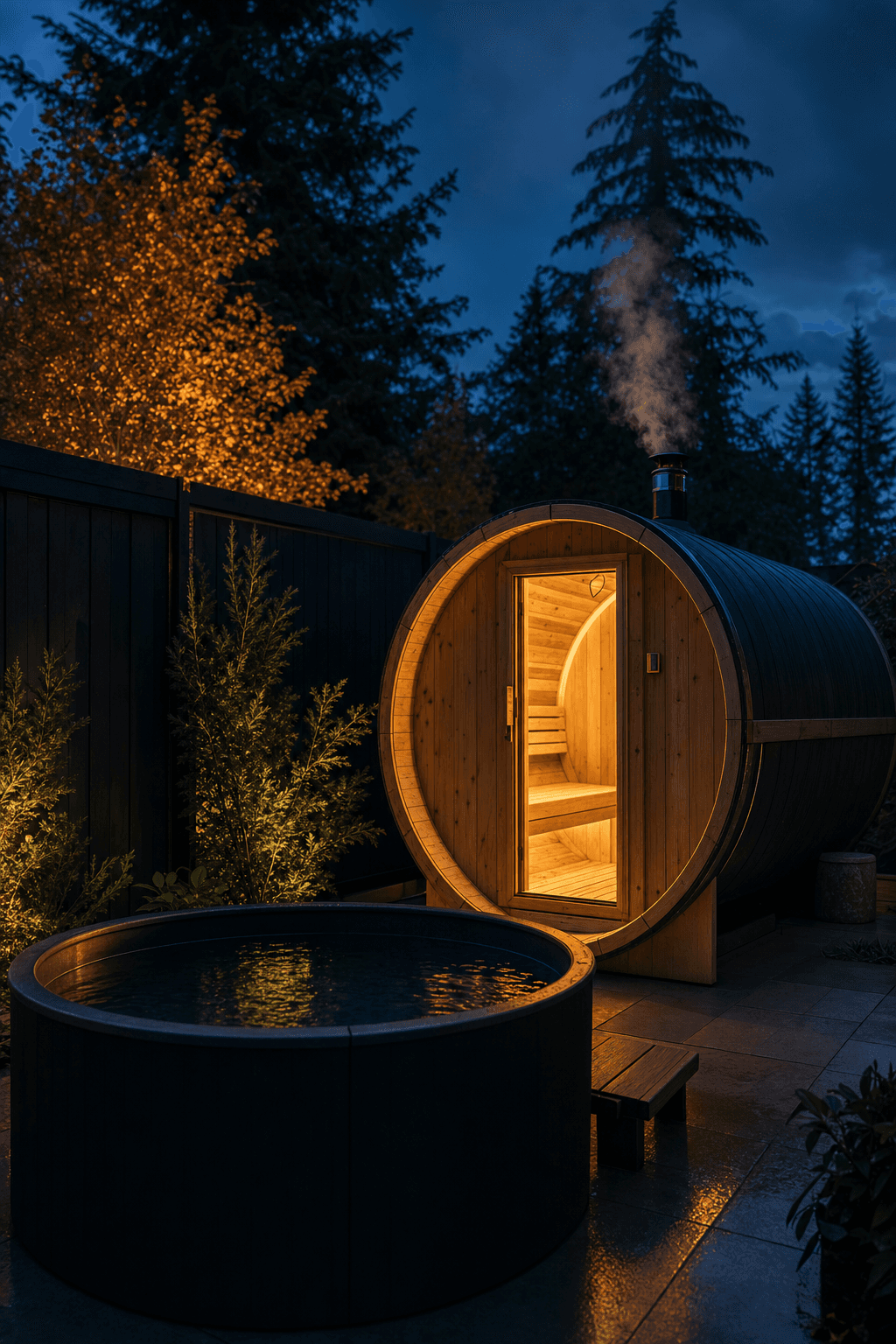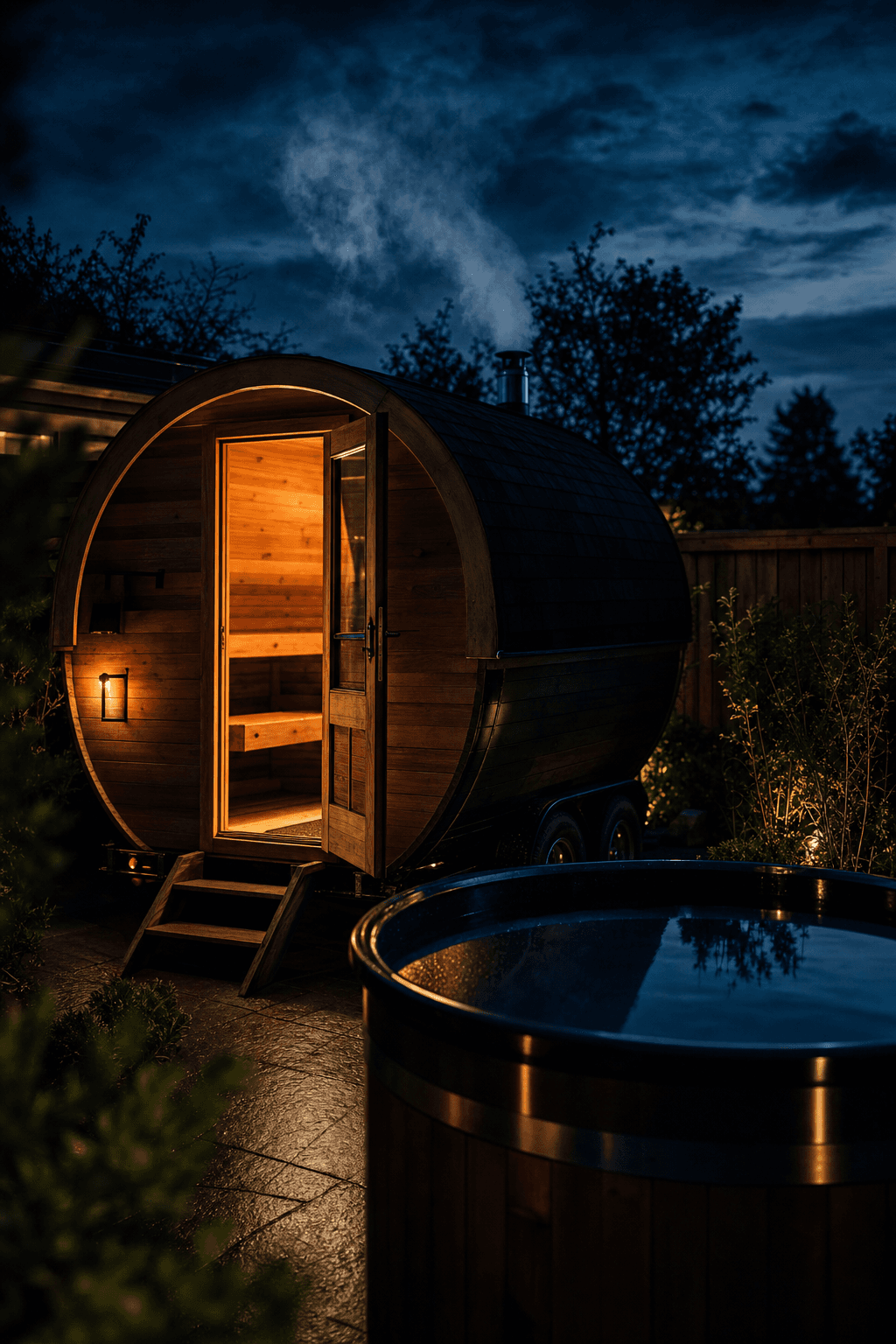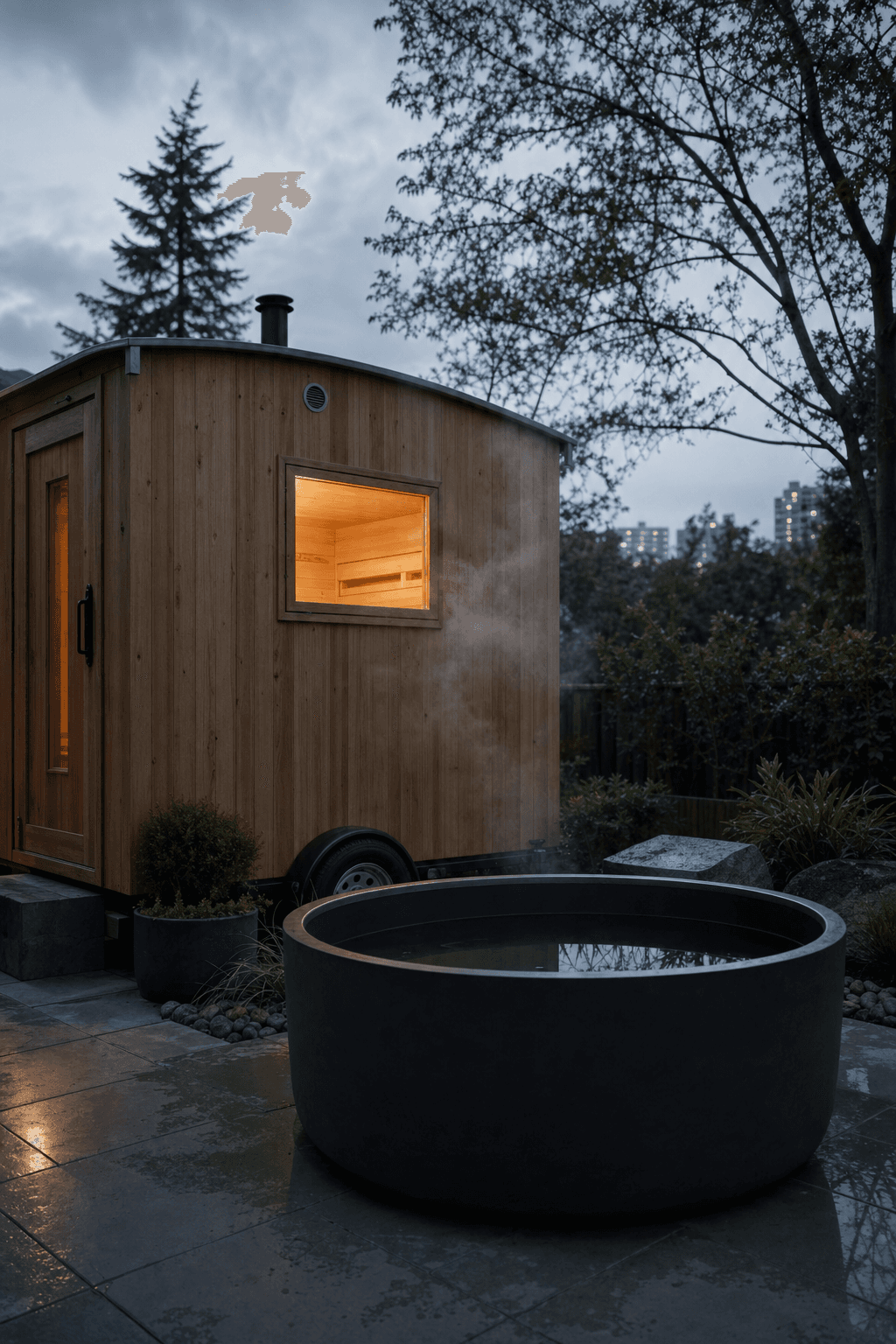
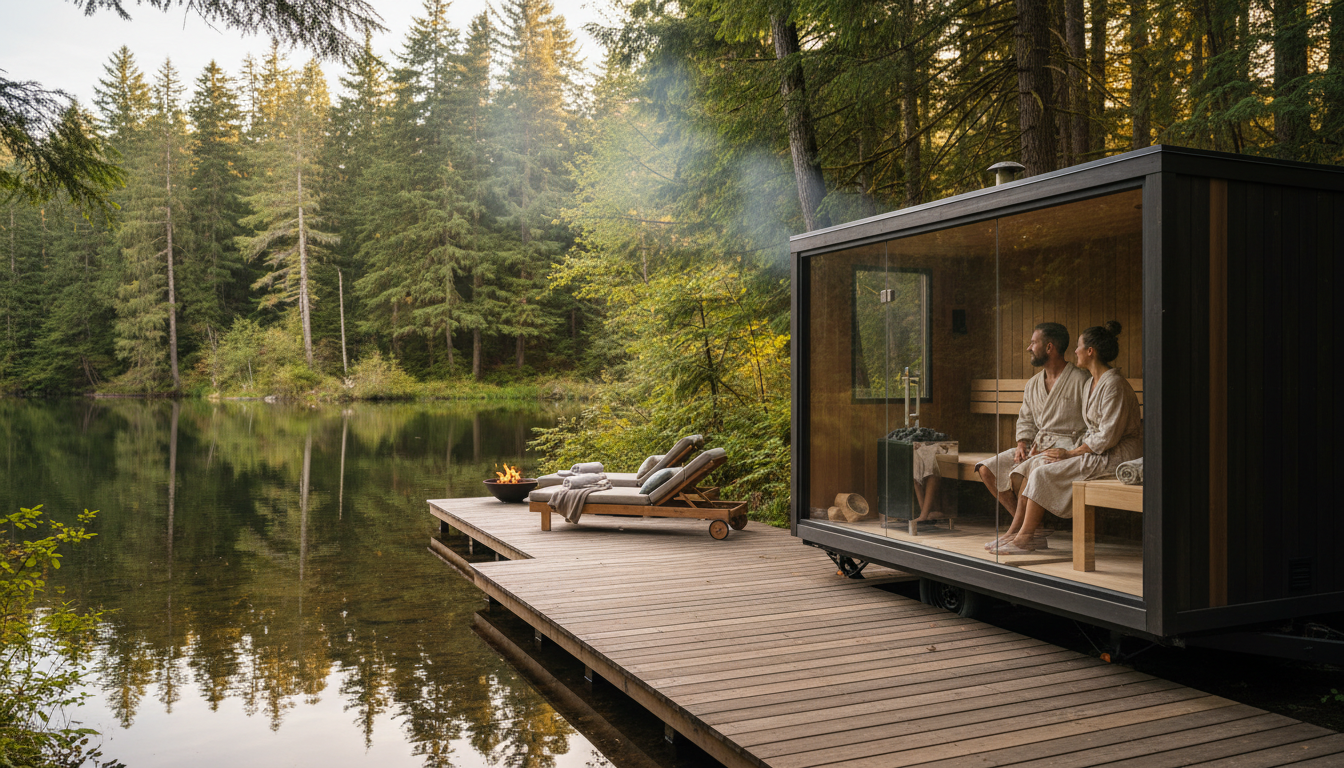
Muscle recovery heat and cold therapy Vancouver athletes use involves cold treatments to reduce inflammation and heat therapy to enhance circulation and relax tight tissues. These contrasting methods help minimize post-workout soreness and accelerate the repair process for faster return to activity.
You trained hard, and now your muscles are paying the price. The soreness, the stiffness, the sluggish feeling that follows a serious workout can sideline your momentum and stretch your recovery window far longer than it needs to be. For Vancouver athletes and active locals, the difference between a two-day recovery and a four-day one often comes down to what you do in the hours immediately after training. Heat and cold therapy have each earned their place in sports recovery science, but the real breakthrough happens when you combine them strategically. In this article, you will learn exactly what is happening inside your muscles post-workout, how sauna and cold plunge work at a physiological level, and how to structure a contrast therapy session that genuinely accelerates repair.
TL;DR: Why Heat and Cold Together Beat Either Alone
Neither heat nor cold alone delivers the full recovery picture. Contrast therapy, which alternates between sauna heat and cold plunge immersion, produces a vascular pumping effect by cycling between vasodilation and vasoconstriction, flushing metabolic waste from fatigued muscle tissue while simultaneously accelerating cellular repair. Research supports that this combination reduces delayed-onset muscle soreness more effectively than passive rest or single-modality treatment. For Vancouver athletes and professionals compressing hard training around demanding schedules, muscle recovery heat and cold therapy offers a faster, more efficient path back to peak performance.
What Actually Happens Inside Your Muscles After a Hard Workout
Understanding why muscles get sore in the first place is the foundation for understanding why thermotherapy works.
When you push hard, whether on a technical descent on Fromme, a threshold interval on the seawall, or a heavy squat session, you create microscopic tears in the sarcomeres, the contractile units inside muscle fibers. This structural damage triggers an immediate inflammatory cascade: immune cells flood the area, cytokines signal tissue repair, and fluid accumulates around the damaged site. That localized swelling and cellular activity is what drives soreness. Crucially, DOMS does not peak at the moment of exertion. It typically peaks 24 to 48 hours post-exercise as the inflammatory response intensifies and metabolic byproducts, including prostaglandins and interleukin-6, accumulate in the tissue.
Lactic acid clears from the bloodstream relatively quickly, within an hour or two post-workout. The slower culprits are the inflammatory mediators and the mechanical process of tissue remodeling itself. This is why muscle recovery time for a genuinely hard session can stretch 48 to 72 hours under standard conditions, and longer for athletes over 40, whose inflammatory resolution tends to be slower.
Sleep and nutrition are non-negotiable for repair, but they are passive inputs. They do not actively accelerate the clearance of metabolic waste or increase nutrient delivery to damaged tissue. For Vancouver athletes stacking training sessions across a compressed week, that passive timeline creates a real performance problem. This is exactly where targeted thermotherapy enters the picture.
The Science of Heat Therapy: How Sauna Accelerates Muscle Repair
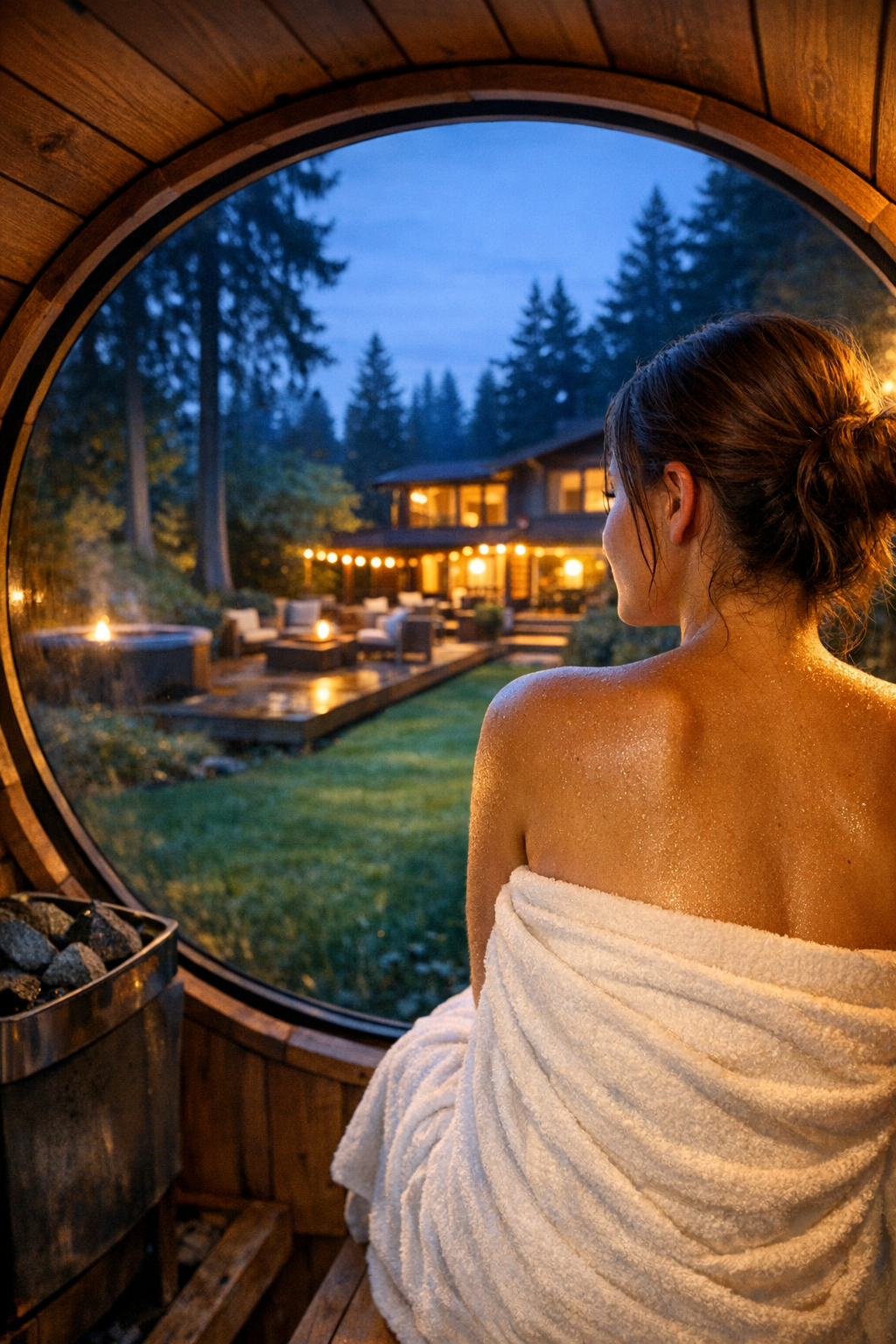
Targeted thermotherapy is not passive warmth. At the cellular level, heat exposure triggers a specific sequence of physiological responses that directly address the damage described above.
The most immediate effect is vasodilation. As core temperature rises inside a sauna running at 80 to 90C, blood vessels serving skeletal muscle dilate significantly, increasing local circulation and flooding damaged tissue with oxygen and the amino acid substrates needed for structural repair. Critically, sauna heat produces a more systemic vasodilatory response than a hot bath. Full-body radiant heat at those temperatures drives cardiovascular output increases of 50 to 70 percent, according to findings published by the American Physiological Society, a magnitude a hot bath simply cannot replicate given its lower ambient temperature and the body's partial immersion.
Beyond circulation, heat activates heat shock proteins, particularly HSP70 and HSP90. These molecular chaperones play a direct role in muscle protein synthesis by stabilizing damaged proteins, assisting in the refolding of denatured cellular structures, and reducing oxidative stress within muscle fibers. Research indexed on ScienceDirect examining thermal modalities confirms that repeated heat exposure upregulates HSP expression, which correlates with faster structural repair of the sarcomere damage covered in the previous section.
A common question surfaces here: does heat loosen or tighten muscles? The answer depends entirely on timing. Applied during the acute inflammatory phase immediately post-workout, heat can amplify swelling. Applied after that initial phase, typically one to two hours post-exercise, heat reduces the firing sensitivity of muscle spindles, the sensory receptors that regulate muscle tone, and decreases connective tissue stiffness by increasing collagen extensibility. The result is measurable reduction in perceived tightness and mechanical restriction.
For practical application, a session of 15 to 20 minutes at 80 to 90C delivers sufficient thermal stimulus to drive these mechanisms without the cardiovascular strain of higher temperatures. This is the heat protocol that sets up contrast therapy to perform at its best.
The Science of Cold Therapy: How Cold Plunge Reduces Inflammation and Soreness
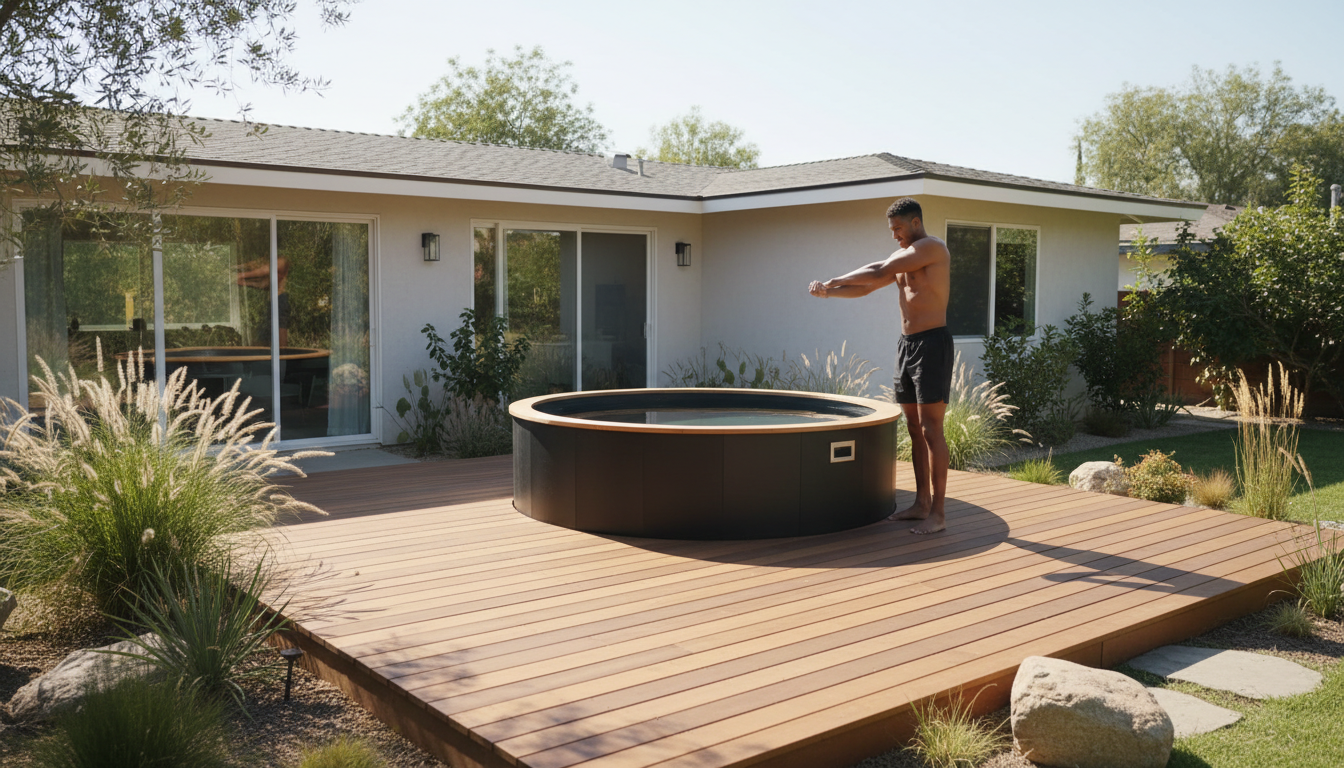
Where heat opens the floodgates, cold closes them with precision. The mechanisms are distinct, and understanding both is what separates a smart recovery protocol from guesswork.
Immersion in water at 10 to 15C triggers immediate vasoconstriction throughout the peripheral vasculature. Blood is redirected away from the extremities and damaged muscle tissue, which directly limits the accumulation of edema and slows the activity of pro-inflammatory mediators including prostaglandins and cytokines. This is not simply numbing discomfort at the surface. Vasoconstriction at this temperature reduces metabolic activity within the tissue itself, slowing the inflammatory cascade that drives the 24 to 48 hour DOMS peak described earlier. Research indexed on ScienceDirect confirms that cold water immersion produces measurable decreases in DOMS intensity and duration compared to passive rest.
Cold also acts as a fast-acting analgesic by slowing nerve conduction velocity in the afferent pain pathways. The result is a reduction in perceived soreness that kicks in during immersion and persists afterward. On exit, the body responds to the thermal stress with a significant norepinephrine and endorphin surge, which is why most people report sharp mental clarity and elevated mood following a cold plunge rather than fatigue.
One practical distinction worth noting: a cold plunge at 10 to 15C produces more complete and consistent full-body thermal stress than an ice bath. Ice baths are difficult to maintain at a precise temperature, tend to be uneven in coverage, and are considerably harder to tolerate for the duration needed to drive the physiological response.
Timing matters significantly here. Cold plunge is most effective in the one to four hour window post-training. There is also an honest caveat for strength athletes: cold exposure immediately after a heavy resistance session may attenuate anabolic signaling, specifically mTOR pathway activity linked to muscle protein synthesis. If hypertrophy is the primary goal, cold plunge is better reserved for endurance sessions, HIIT, or shifted to several hours after a strength session rather than directly following it.
Contrast Therapy: The Pumping Effect That Supercharges Recovery
The mechanisms of heat and cold described in the previous two sections are meaningful in isolation. Combined in sequence, they produce something neither can achieve alone: an active, rhythmic flushing of the muscle tissue itself.
When you move from sauna heat into cold plunge immersion, the vascular system responds immediately and dramatically. Heat has already driven peripheral vasodilation, expanding blood vessels and increasing circulation to damaged muscle. Cold then triggers rapid vasoconstriction, compressing those same vessels and driving blood and the metabolic waste it carries back toward the core. Repeat this cycle across three to four rounds and you create what is functionally a mechanical pump, one that clears prostaglandins, cytokines, and other inflammatory mediators from muscle tissue at a rate that passive rest simply cannot match. This is the contrast effect, and it is the central reason why combining both modalities outperforms either used alone.
This protocol is not new. Elite Nordic athletes have used alternating sauna and cold immersion as a structured recovery method for generations, and professional sports teams across endurance and contact sports have adopted formalized contrast therapy programs for exactly this reason.
The specific protocol matters. A productive round consists of 15 minutes in the sauna at 80 to 90C, followed by 2 to 3 minutes of full cold plunge immersion at 10 to 15C, with a 1 to 2 minute rest between transitions. Three to four rounds of this sequence produce the repeated vasodilation-vasoconstriction cycling needed to drive the flushing effect.
This also answers a common question directly: what does hot and cold therapy do for muscles? It accelerates the removal of waste, delivers repair substrates, reduces edema, and down-regulates inflammatory activity, simultaneously and systemically.
The systemic dimension is critical. A topical ice pack or heating pad applied to one area affects only the local tissue beneath it. Full-body sauna exposure combined with full cold plunge immersion engages the entire peripheral vasculature, making the recovery stimulus whole-body rather than localized. For athletes managing multiple muscle groups after a demanding session, that difference is not marginal.
Heat vs. Cold: Choosing the Right Protocol for Your Training Type
The contrast therapy mechanism established above is the foundation. How you apply it depends on what you did to your body in the first place.
Training Type | Recommended Protocol | Timing |
|---|---|---|
Endurance (trail runs, cycling, triathlon) | Contrast therapy or cold plunge | Within 1-2 hours post-workout |
Strength and hypertrophy | Sauna-led; cold plunge optional | 2-4 hours post-workout |
HIIT and team sports | Contrast therapy | Within 1 hour post-workout |
Desk-bound professionals (tension, stress) | Sauna-led contrast therapy | Flexible; evening sessions work well |
Endurance athletes generate the highest volumes of inflammatory mediators per session. A long North Shore trail run or a hard seawall century ride leaves systemic inflammation that benefits most from the cold-first or contrast approach, prioritizing vasoconstriction and edema control before tissue repair begins in earnest.
Strength athletes face a different calculus. As noted in the previous section, cold exposure too close to a heavy resistance session may blunt anabolic signaling. A sauna session two to four hours post-workout captures the HSP-driven repair benefits without that tradeoff. Cold plunge can follow later or be skipped entirely on pure hypertrophy days.
For Vancouver professionals managing chronic desk tension rather than acute training load, sauna-led contrast therapy addresses elevated cortisol and postural muscle stiffness through a different pathway. The parasympathetic shift that follows repeated heat-cold cycling is measurable and distinct from the recovery response in trained athletes.
Age compounds everything. Athletes over 40 experience slower inflammatory resolution, meaning standard 48-hour recovery windows frequently stretch to 72 hours or beyond. Regular muscle recovery heat and cold therapy Vancouver sessions reduce that gap meaningfully, making frequency of contrast therapy more important with each decade.
Why Mobile Sauna and Cold Plunge is the Optimal Delivery Format for Vancouverites
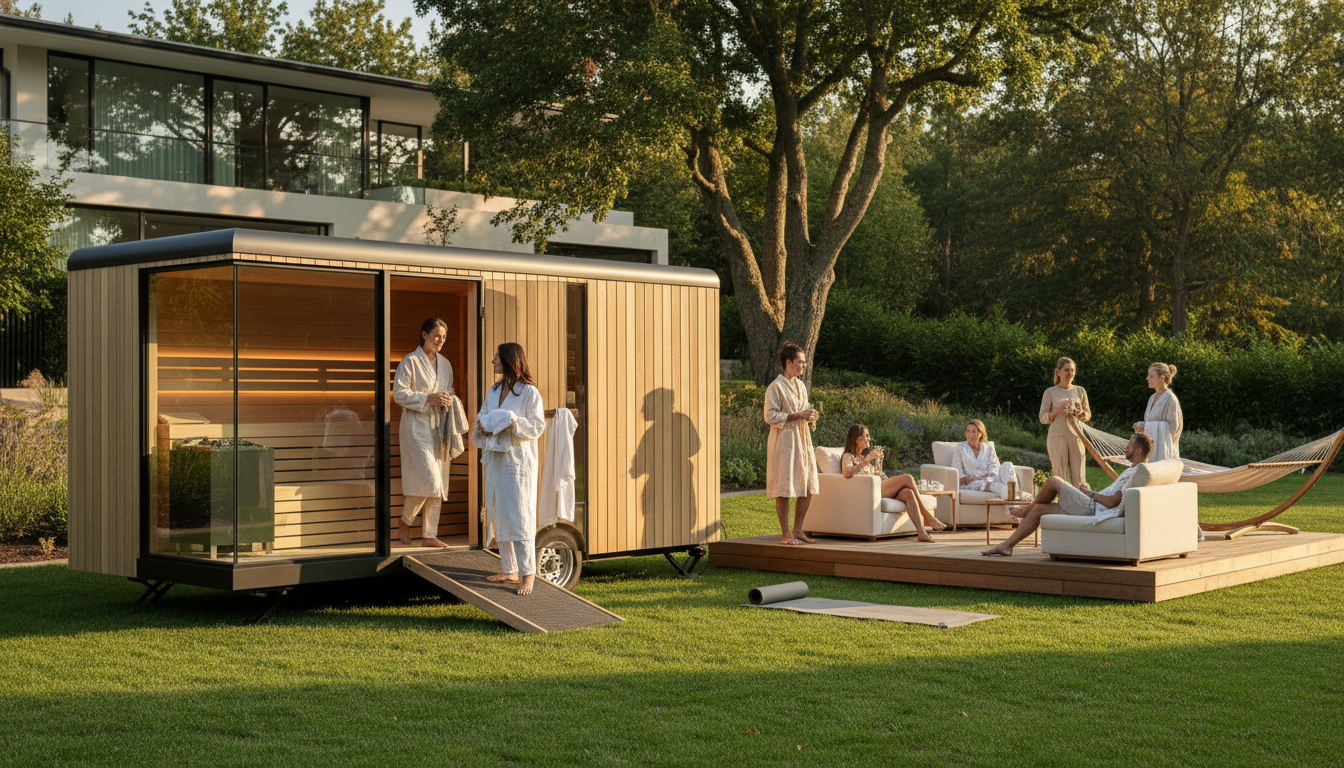
The science covered above only pays off if you can actually access contrast therapy within the relevant recovery window. This is where Vancouver's infrastructure creates a real problem.
Gym recovery facilities across the city range from a single cold-water plunge pool to nothing beyond a standard locker room shower. Dedicated wellness centers with proper contrast therapy setups exist, but they book out days or weeks in advance and require navigating traffic across the city after a session that has already left your legs empty. That combination, limited availability and added travel time, makes hitting the one to four hour post-workout window genuinely difficult for most people on a regular basis.
Nordic Edge solves this by bringing a full contrast therapy setup to your location. That means a properly calibrated sauna running at 80 to 90C and a cold plunge maintained at 10 to 15C, set up at your home in West Vancouver, a rooftop in Yaletown, or a backyard in Kitsilano. The mobile sauna and cold plunge services format removes the logistical gap between the end of a hard session and the start of recovery.
This is particularly relevant for specific training contexts that are uniquely Vancouver. A post-ski day returning from Whistler, a long effort on the North Shore trails, or a race-day finish in the Vancouver marathon or Gran Fondo all create high recovery demand at moments when getting to a facility is the last thing most people want to do. Mobile delivery makes structured muscle recovery heat and cold therapy Vancouver-accessible in a practical, not theoretical, sense.
How to Structure a Contrast Therapy Session for Maximum Muscle Recovery
Knowing the mechanism is one thing. Executing the protocol correctly is where the recovery actually happens.
Wait 30 to 60 minutes post-workout. Let the acute inflammatory phase stabilize before introducing thermal stress. Starting too early amplifies swelling rather than clearing it.
Enter the sauna at 80 to 90C for 15 minutes. This drives the vasodilation and heat shock protein activation covered earlier. Below 80C, the systemic cardiovascular response is insufficient to produce meaningful HSP upregulation.
Cold plunge at 10 to 15C for 2 to 3 minutes. Full-body immersion to trigger vasoconstriction and flush the metabolic waste mobilized by the heat phase.
Rest 1 to 2 minutes between rounds. Allow heart rate to partially normalize before the next sauna entry.
Repeat for 3 to 4 rounds total. This is the minimum cycle count to produce the repeated vascular pumping effect that distinguishes contrast therapy from a single-modality session.
Choose your finish deliberately. End on cold to sustain the anti-inflammatory effect after endurance or HIIT sessions. End on heat for deeper muscle relaxation when tension and stress are the primary targets.
A few practical details that affect outcomes: drink 500ml of water before starting and between rounds, as the cardiovascular demand of repeated heat exposure is significant. Avoid alcohol in the hours before a session as it blunts thermoregulatory response and increases dehydration risk. First-time users should complete two rounds and assess tolerance before progressing to the full protocol.
Nordic Edge sessions are structured around this exact sequence, so clients arrive and recover rather than arrive and figure it out. The guesswork is already removed.
Book a Recovery Session in Vancouver
The protocol outlined above is available to you without a spa membership, a facility booking, or a commute after a hard session. Nordic Edge brings a properly calibrated sauna and cold plunge directly to your location across Metro Vancouver, so the recovery window gets used for recovery rather than logistics. Sessions can be scheduled at your home, backyard, or preferred outdoor location. Review the mobile sauna and cold plunge services or book a session with Nordic Edge to get started.
Understanding the science behind temperature therapy allows you to recover more effectively and stay at the top of your game. By alternating between heat and cold, you can manage inflammation while boosting circulation to tired muscles. If you want expert help integrating these advanced protocols into your training routine, we invite you to learn more about our approach. Having a structured recovery plan can make a significant difference in your long-term performance and overall physical well-being.