
Effective sauna cold plunge hydration electrolytes Vancouver experts recommend involves drinking at least 500 to 1,000 ml of water supplemented with minerals like sodium and magnesium to replace heavy sweat losses. Contrast therapy increases cardiovascular stress; therefore, you should pre-hydrate with 300 ml of water and consume a full serving of electrolytes afterward to ensure complete recovery. Plain water is often insufficient for restoring the mineral balance necessary to avoid post-session fatigue and dehydration.
Many Vancouver professionals leave an intense contrast therapy session feeling depleted rather than revitalized; they often mistake a lingering headache or lightheadedness for the physical toll of a successful detox. While the ritual of alternating between the sauna and cold plunge offers profound cardiovascular benefits, it also places significant demands on your body's fluid and mineral reserves. Navigating these physiological shifts requires more than just drinking a glass of water after your final round. Without a precise approach to electrolyte replenishment, you risk undermining your recovery and cognitive performance for the rest of the day. This guide explores the science of fluid loss during thermal exposure, explaining why plain water is rarely sufficient for active urbanites. You will learn the exact protocol for pre and post-plunge hydration, strategies tailored to our local climate, and the specific warning signs that indicate your body needs a break.
The Real Cost of a Sweat: Understanding Fluid Loss in Contrast Therapy
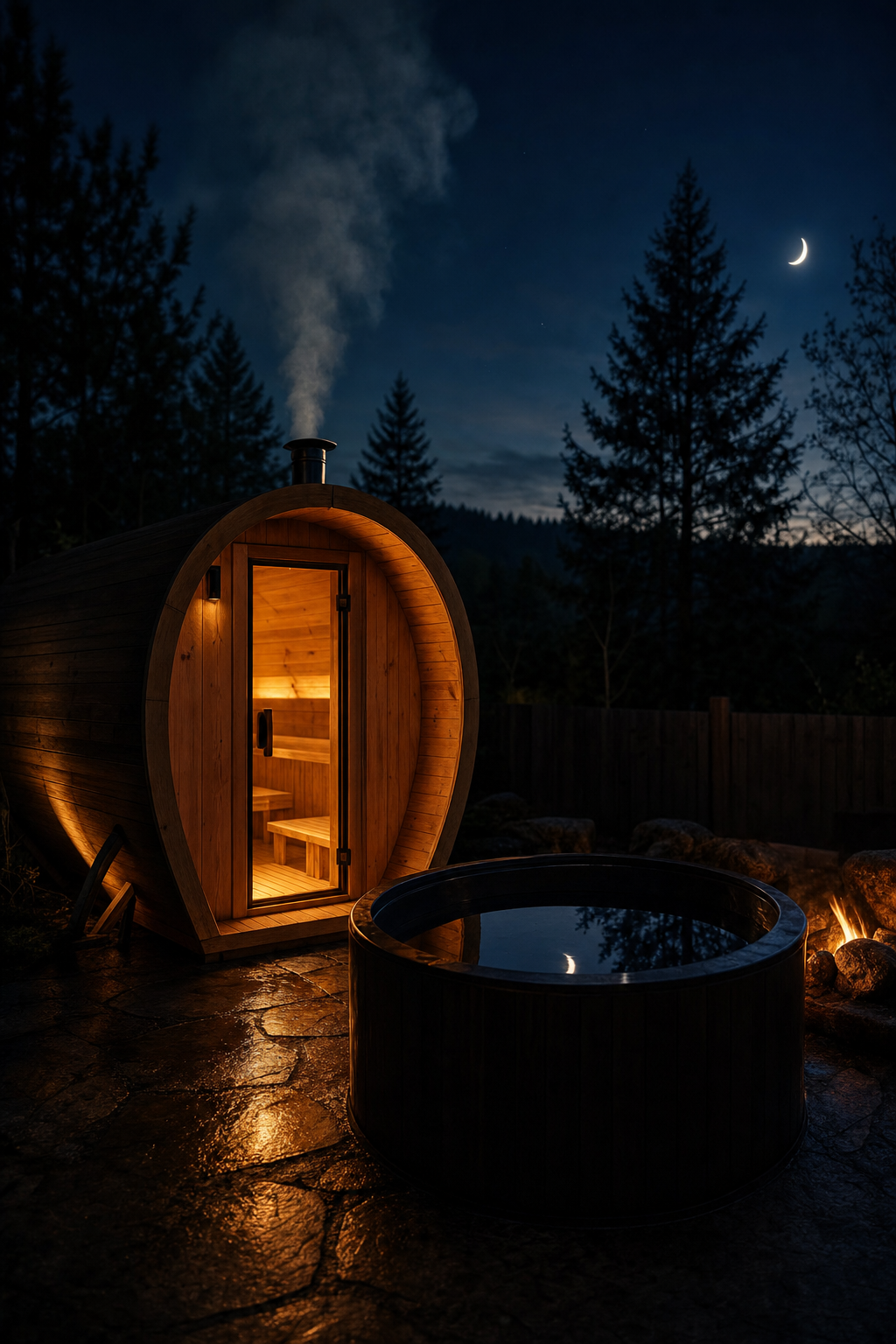
Quantifying the impact of heat exposure is essential for maintaining peak performance. A single 15 to 20 minute session in a sauna can trigger sweat loss between 500 ml and 1 liter. For Vancouver weekend warriors who layer these sessions onto an afternoon run along the Seawall or a morning ascent up the Grouse Grind, these losses are cumulative and often underestimated. You are not just losing water; you are depleting the circulating blood volume required for optimal cardiovascular function.
Contrast therapy introduces a specific physiological demand. The intense heat of the sauna triggers vasodilation and profuse sweating, while the subsequent cold plunge causes rapid vasoconstriction and a significant shift in blood volume toward the core. This vascular pump is a hallmark of premium recovery services, yet it places a unique stress on the body. As blood vessels constrict and dilate, the heart works harder to manage the shifting pressure and fluid distribution.
Data from BioMed Research International indicates that fluid depletion at high temperatures can significantly reduce body mass in a single hour. When you factor in the electrolytes lost through sweat, specifically 460 to 1,840 mg of sodium per liter, the limitations of plain water become clear. Relying solely on tap water to fuel a sauna cold plunge hydration electrolytes Vancouver ritual fails to address the pump stress. Without proper mineral replacement, the cardiovascular system struggles to stabilize, potentially turning a recovery session into a source of unnecessary physical fatigue rather than rejuvenation.
Why Plain Water is Often Not Enough for Vancouver Professionals
Drinking liters of filtered water following a session might seem like the responsible choice, but for a high-performance professional, it can be counterproductive. The cardiovascular pump mentioned earlier requires more than just volume; it requires electrical conductivity. If you consume large quantities of plain water after losing significant salt through sweat, you risk diluting the remaining minerals in your bloodstream. This physiological state, known as hyponatremia, is often the hidden culprit behind the afternoon brain fog or midday slump that Vancouver professionals frequently mistake for standard work fatigue or caffeine withdrawal.
When you engage in premium recovery services, your sweat is a complex chemical solution rather than just water. The primary mineral lost is sodium, which can range from 460 to 1,840 mg per liter. This is followed by chloride, potassium (156 to 390 mg/L), and magnesium (10 to 40 mg/L). While sodium governs the fluid balance within your cells, potassium and magnesium are essential for cognitive clarity and muscle relaxation. If these are not replaced alongside water, your brain and muscles lack the electrochemical signals needed to function at peak capacity.
Mineral Lost | Typical Concentration per Liter of Sweat |
|---|---|
Sodium | 460 to 1,840 mg |
Potassium | 156 to 390 mg |
Magnesium | 10 to 40 mg |
Chloride | Varies based on sodium loss |
You do not need to rely on expensive, neon-colored marketing powders to address these deficits. Many commercial products are loaded with synthetic sweeteners and fillers that can cause insulin spikes, potentially detracting from the metabolic benefits of your session. A sophisticated approach to sauna cold plunge hydration electrolytes Vancouver needs can be achieved with simple, high-quality ingredients. A pinch of grey Celtic sea salt or Himalayan pink salt combined with a squeeze of fresh lemon in your water provides a bioavailable spectrum of trace minerals without the unnecessary additives found in retail sports drinks.
The Contrast Therapy Hydration Protocol: Pre, During, and Post Plunge
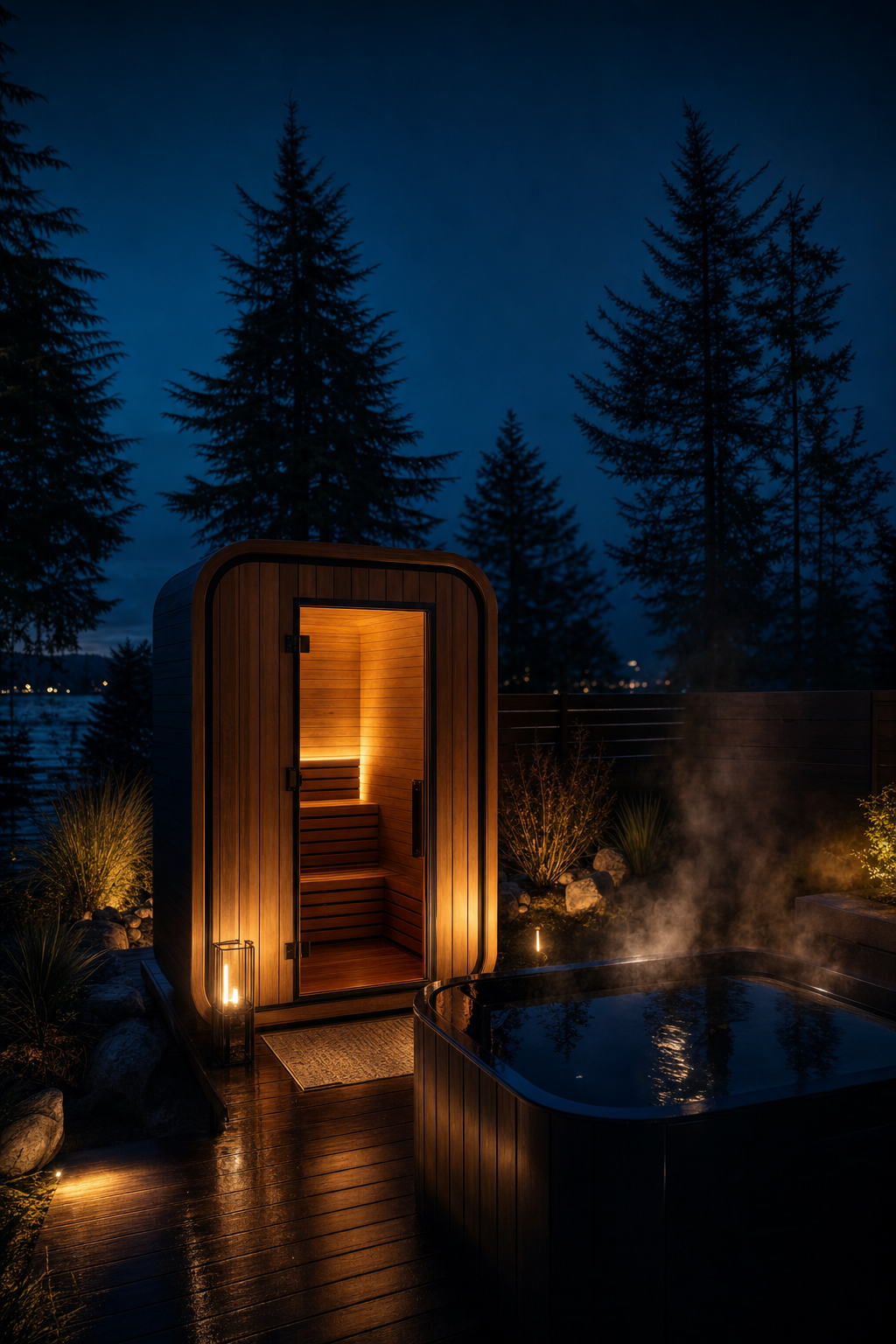
Building on the mineral requirements for cellular function, a structured protocol ensures that your sauna cold plunge hydration electrolytes Vancouver routine facilitates recovery instead of causing strain. This begins before you step into the heat.
Pre-Session: The Foundation Aim for 500ml of water approximately 30 minutes before your session begins. This window allows for gastric emptying and ensures that your circulating blood volume is sufficient to handle the vasodilation caused by the sauna. Rushing from a high-pressure meeting to mobile sauna rentals without this buffer often results in the premature fatigue mentioned earlier.
During the Session: The Maintenance Limit yourself to small sips during the contrast cycles. Because the body is actively shunting blood to the skin for cooling and then to the core during the plunge, heavy fluid intake can lead to digestive discomfort or gastrointestinal cramping. The goal during the session is maintenance, not replacement.
Post-Session: The Golden Hour The sixty minutes following your final plunge is the "Golden Hour" for rehydration. To answer a common professional concern regarding how much water to rehydrate after a sauna, the most precise method is drinking 1.5 times the volume of weight lost during the session. For a standard 20 minute high-heat session, this typically translates to 750ml to 1L of fluid. To ensure busy professionals actually meet this target, employ the "10 gulp rule." Rather than just wetting your whistle, take 10 large, deliberate gulps every time you reach for your bottle. This ensures you are aggressively replacing fluid rather than just sipping away at a deficit.
Why Do I Get Dizzy When I Leave the Sauna?
Experiencing a sudden head rush or lightheadedness when exiting the heat is a direct result of rapid blood pressure shifts combined with underlying fluid depletion. Intense heat triggers profound vasodilation, a process where your blood vessels widen significantly to help the body cool down. When your circulating fluid volume is already low from sweat loss, this vascular expansion causes your blood pressure to drop sharply. Standing up or moving too quickly forces the heart to work harder to pump blood to the brain against gravity, resulting in transient dizziness.
If you experience this sensation, consider it an immediate physiological cue that your baseline mineral levels are inadequate. To prevent this head rush during subsequent premium recovery services, you must increase your sodium intake prior to heating. Sodium acts as a cellular anchor, holding water within your bloodstream to maintain stable blood pressure despite the heat induced vasodilation.
Furthermore, the coastal climate in British Columbia plays a deceptive role. Vancouver's damp atmosphere can frequently mask actual sweat loss. Because ambient humidity prevents sweat from evaporating instantly, it is easy to misjudge your fluid output and enter a session under hydrated without noticing the typical dry sensation. Refining your sauna cold plunge hydration electrolytes Vancouver strategy means preemptively accounting for these invisible losses before you even begin the cycle.
Hydration Strategies for the Vancouver Climate and Lifestyle

Vancouver's temperate rainforest climate creates a physiological paradox. During the damp, grey winter months, the body's thirst mechanism often lags behind its actual needs. This suppressed thirst response means many local professionals arrive for their mobile sauna rentals in Kitsilano or North Shore trailheads already in a state of sub-clinical dehydration. When the ambient temperature is low, you lack the obvious thermal cues that usually prompt fluid intake, yet the dry heat of a 90°C sauna will still extract significant moisture from your tissues regardless of the rain outside.
Combine this climate factor with the city's pervasive caffeine culture. High-performance professionals often fuel their mornings with multiple espressos or pour-overs. Caffeine acts as a mild diuretic, increasing fluid excretion and potentially flushing out minerals before you even begin a recovery session. If you transition directly from a back-to-back meeting schedule fueled by caffeine into a high-heat environment, you are essentially compounding a fluid deficit that plain water cannot easily fix mid-session.
To optimize your sauna cold plunge hydration electrolytes Vancouver experience, integrate a pre-loading phase into your morning routine. Start your day with 500ml of water containing trace minerals or a pinch of sea salt as soon as you wake up. This counteracts the overnight fast and the diuretic effect of your morning coffee. For those booking premium recovery services in North Vancouver after a day on the mountains, consider this morning protocol as essential as checking your gear. Establishing a high baseline of hydration hours before your session allows your body to focus on thermoregulation and vascular health rather than scrambling to manage a sudden drop in blood volume.
When to Skip the Sauna: Dehydration Warning Signs
While proactive hydration sets the stage for a successful session, there are distinct physiological thresholds where thermal exposure becomes hazardous. When the body is already depleted, forcing it into a 90 degree Celsius environment does not accelerate recovery; it actively impairs it. Instead of triggering a therapeutic response, severe heat exposure during a fluid deficit spikes cortisol levels, driving the nervous system into a state of acute sympathetic stress that counteracts the intended rejuvenation benefits.
Before utilizing premium recovery services, perform a brief physiological self-audit. You should bypass the hot cycle and opt exclusively for a brief cold plunge, or postpone the session entirely, if you present any of the following dehydration warning signs:
A resting heart rate that is elevated by 10 to 15 beats per minute above your typical baseline.
Dark amber or highly concentrated urine, indicating a severe drop in circulating fluid volume.
A lingering headache or persistent muscle throbbing carried over from a strenuous morning workout.
A noticeable absence of sweat during initial mild exertion.
Recognizing these internal markers is a critical component of a sophisticated sauna cold plunge hydration electrolytes Vancouver strategy. If your system exhibits these signs of distress, prioritize immediate oral rehydration over heat. For guidance on modifying your scheduled routine safely, you can contact Nordic Edge to consult on the best recovery path for your current physical state.
Common Hydration Mistakes to Avoid
Refining your recovery ritual involves eliminating habits that compromise your physiological gains. To maximize the results of premium recovery services, avoid these four prevalent errors:
Relying on thirst as a primary cue. Biological thirst is a lagging indicator that often triggers only after you have already reached a state of dehydration. For those utilizing mobile sauna rentals along the coast, proactive intake is required to stay ahead of the thermal demand.
Consuming high-sugar sports drinks. The refined sugars in commercial beverages can trigger insulin spikes. This may interfere with the metabolic benefits and cellular autophagy responses associated with heat exposure. Stick to clean, mineral-heavy formulations instead.
Neglecting magnesium intake. While sodium is the primary focus of a sauna cold plunge hydration electrolytes Vancouver strategy, magnesium is essential for preventing muscle cramps. Since sweat carries away up to 40 mg of magnesium per liter, targeted replacement is vital for neuromuscular health.
Mixing alcohol with contrast therapy. Alcohol consumption before or immediately following a session exacerbates fluid loss and impairs thermoregulation. This significantly increases the risk of dizziness and diminishes the overall quality of your physical and mental rejuvenation.
Maintaining a proper balance of fluids and electrolytes is essential for any professional navigating the physical demands of sauna and cold plunge cycles. While drinking enough water is a great start, optimizing your recovery requires a more strategic approach to minerals. If you want expert help refining your wellness routine, the team at Nordic Edge provides personalized guidance to ensure your recovery sessions are both safe and effective. You can learn more about our approach to health optimization and how we support our local community.