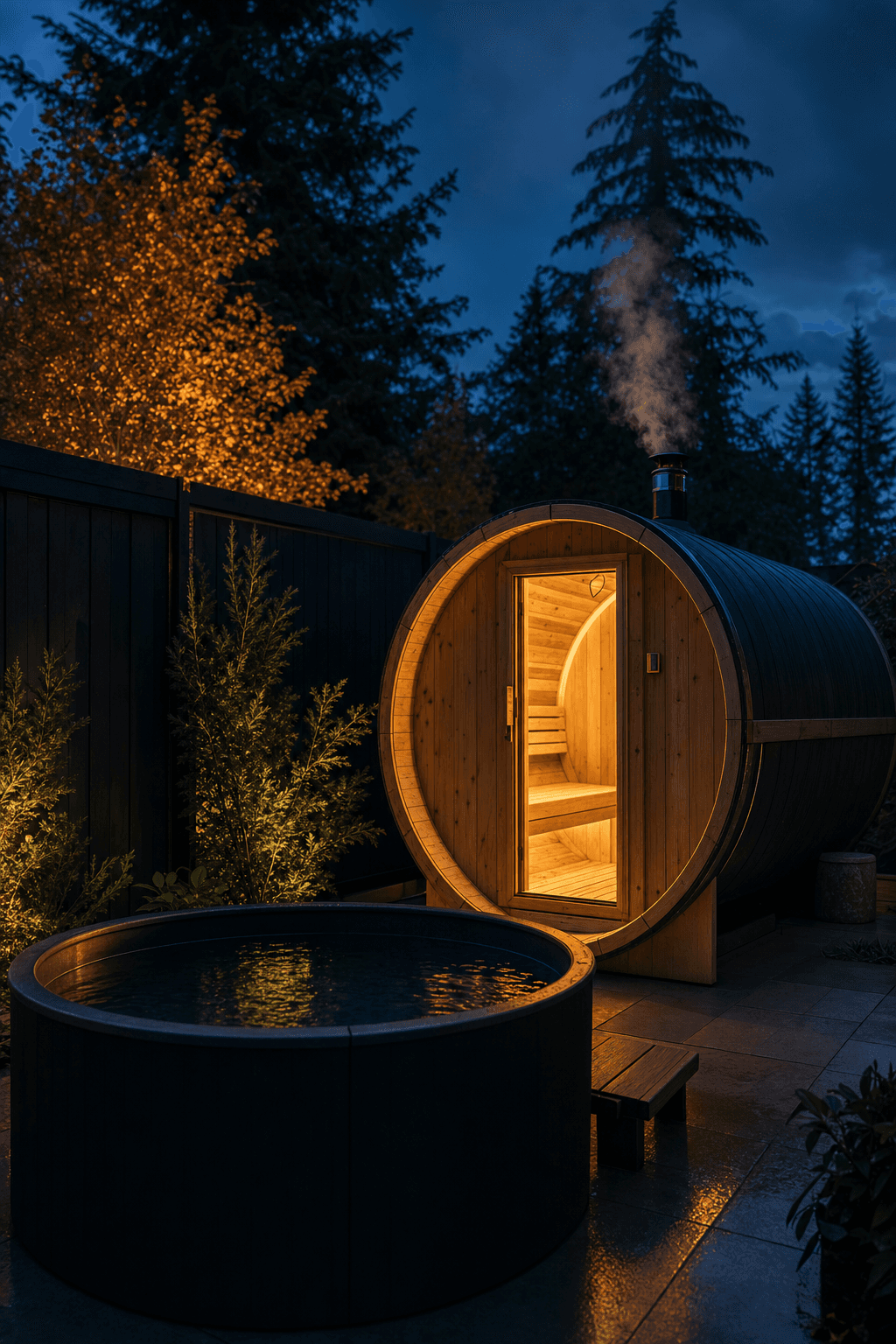
Alternating between a sauna and cold plunge respiratory health Vancouver session helps soothe inflamed bronchial tubes and thin respiratory mucus, providing relief for conditions like asthma and COPD. This contrast therapy naturally boosts pulmonary function by reducing systemic inflammation; consequently, it strengthens the body's defenses against respiratory infections.
For the modern Vancouver professional, the Pacific Northwest’s damp, cool climate often brings more than just grey skies. It frequently results in persistent sinus congestion, shallow breathing, and a general sense of respiratory heaviness that limits daily performance. In a city where peak physical and mental output is expected, compromised lung health is a significant bottleneck. Nordic thermal cycling offers a sophisticated solution by leveraging extreme temperatures to reset the body’s internal systems. This guide examines the physiological impact of contrast therapy on the lungs, specifically how sauna heat functions as a natural bronchodilator and how cold plunges mitigate chronic sinus inflammation. You will learn expert protocols for managing respiratory conditions and practical techniques to master your breath during cold shock, ensuring you can maintain peak vitality throughout the Vancouver winter.
Breathing in the Pacific Northwest: Why Vancouver Professionals Need Respiratory Recovery
Vancouver’s atmospheric conditions present a unique challenge to the respiratory system. The persistent dampness and rain that define the Pacific Northwest often lead to chronic sinus congestion and a sense of respiratory sluggishness. While local professionals and weekend warriors are increasingly adept at managing muscle soreness through mobile sauna rentals, the lungs are frequently the most overlooked component of the recovery equation.
Maintaining peak performance requires more than just clear muscle tissue; it requires efficient gas exchange and clear airways. Despite the rigorous focus on physical output, environmental stressors like stagnant indoor office air and urban pollutants can compromise pulmonary function over time. This guide examines the intersection of sauna cold plunge respiratory health Vancouver professionals should consider for long-term vitality.
We will explore how contrast therapy influences respiratory mechanics, providing a physiological breakdown of how intense heat and cold impact lung function. Beyond general wellness, we will provide an honest look at how these modalities assist with chronic conditions such as asthma and COPD. By integrating contrast therapy services into a weekly routine, individuals can address the specific wet congestion common to the British Columbia climate, ensuring their respiratory system is as resilient as their cardiovascular one.
How Sauna Heat Acts as a Natural Bronchodilator
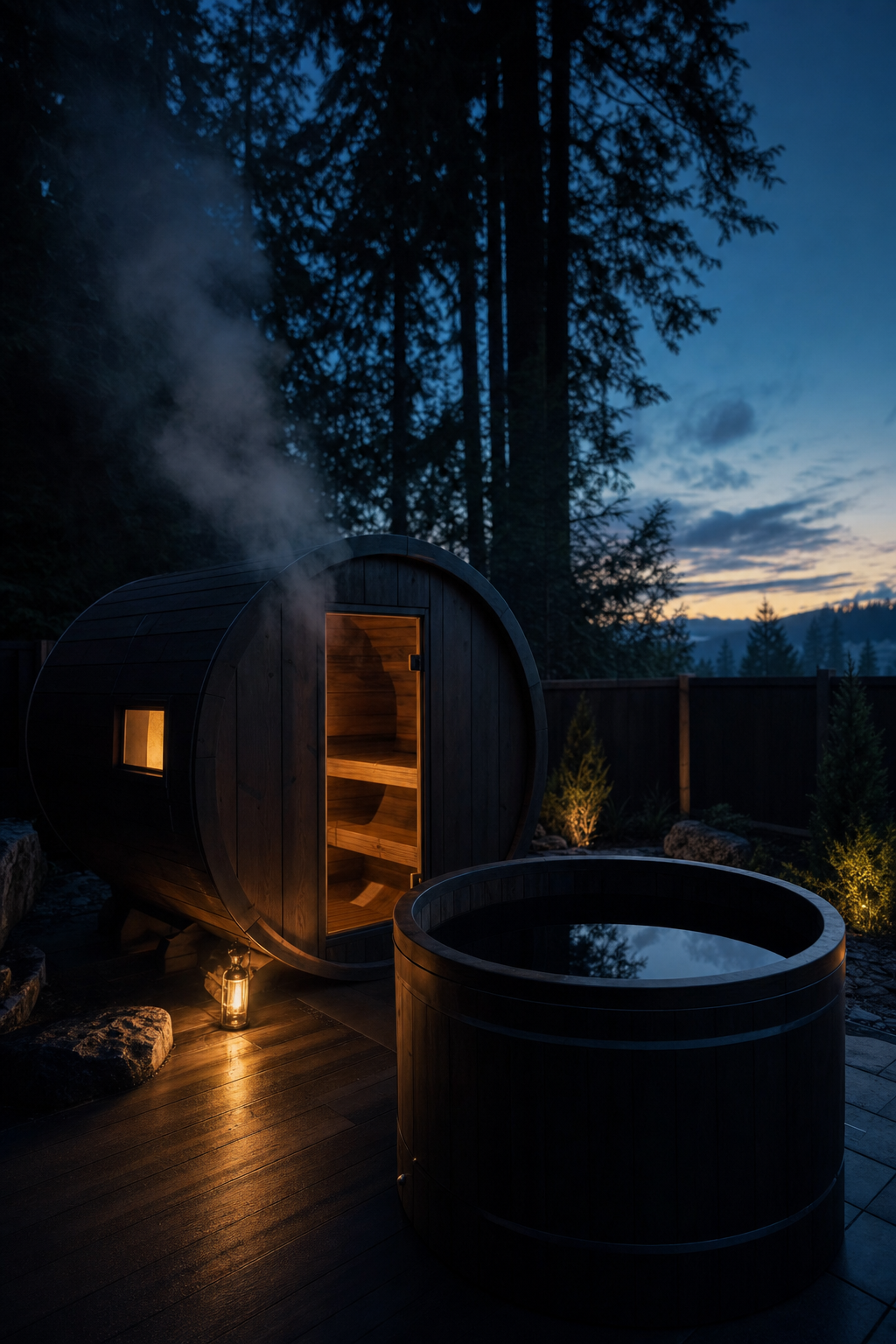
The immediate physiological response to sauna heat is the relaxation of the smooth muscles lining the bronchial tubes. This process, known as bronchodilation, significantly reduces airway resistance. Clinical data indexed on PubMed suggests that patients with obstructive pulmonary disease often experience transient improvements in forced expiratory volume after sauna use. For the high-performing professional, this means a temporary but measurable increase in the ease of breathing and a reduction in the tightness often felt after a long day in a climate controlled office or during a damp morning run.
In the context of the Pacific Northwest, the distinction between dry and humid heat is vital. Vancouver’s ambient environment is frequently saturated, leading to a heavy, wet congestion in the lungs. While a steam room adds more moisture to the system, the dry heat of a Nordic sauna serves to hydrate the mucus membranes while facilitating a drying effect on excess secretions. This makes the mucus less viscous, allowing the respiratory system’s natural clearance mechanisms to function more effectively.
As the bronchial tubes calm and expand, the lungs can finally expectorate the pollutants and particulate matter trapped in the lower respiratory tract. This clearing out phase is essential for maintaining optimal air exchange. Integrating these sessions through mobile sauna rentals ensures that this recovery happens in a controlled, high heat environment specifically designed to maximize these pulmonary benefits.
When evaluating contrast therapy services for sauna cold plunge respiratory health Vancouver professionals should prioritize these dry heat sessions to address the specific atmospheric challenges of British Columbia. This thermal baseline is what makes the subsequent cold exposure so effective for systemic inflammation. If you are ready to clear your airways before your next mountain excursion, you can book a recovery session to experience this natural bronchodilation firsthand.
The Science of Cold Plunging for Sinus Congestion and Inflammation
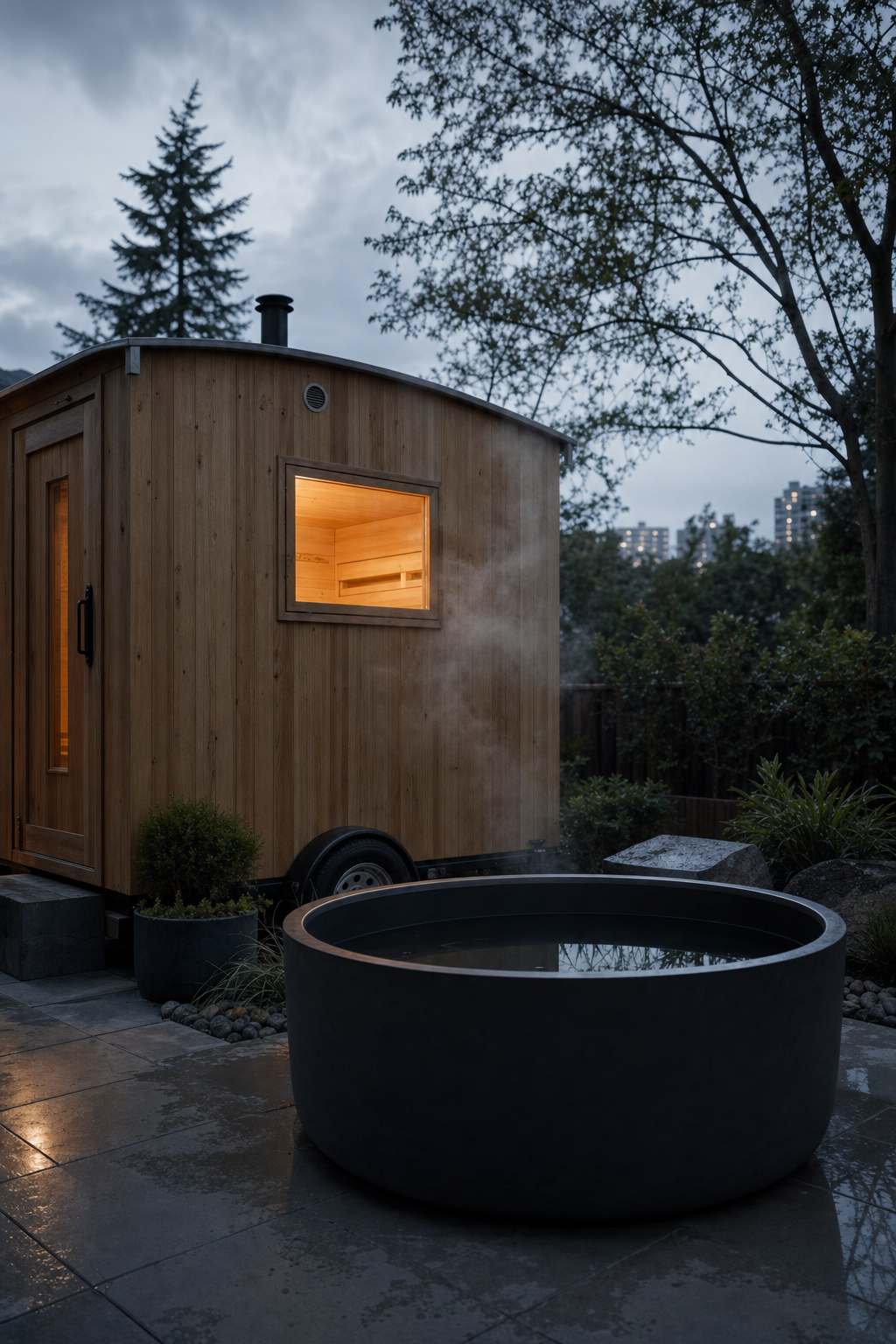
Following the heat, the cold plunge serves as a physiological reset for inflamed tissues. When you submerge in cold water, your body undergoes immediate peripheral vasoconstriction. This narrowing of the blood vessels is particularly effective for those dealing with the chronic sinus pressure common in the Lower Mainland; as blood vessels in the nasal passages constrict, swelling decreases and airflow improves.
Beyond physical vessel contraction, immersion stimulates the vagus nerve, the primary component of the parasympathetic nervous system. While this eventually helps regulate a calm breathing rate, the initial entry triggers the cold shock response. Unlike generic marketing that ignores the risks, an honest look at contrast therapy services acknowledges that this shock causes an involuntary gasp reflex. The American Lung Association notes that while cold exposure can reduce systemic inflammation, the resulting hyperventilation can be problematic for those with sensitive airways or asthma.
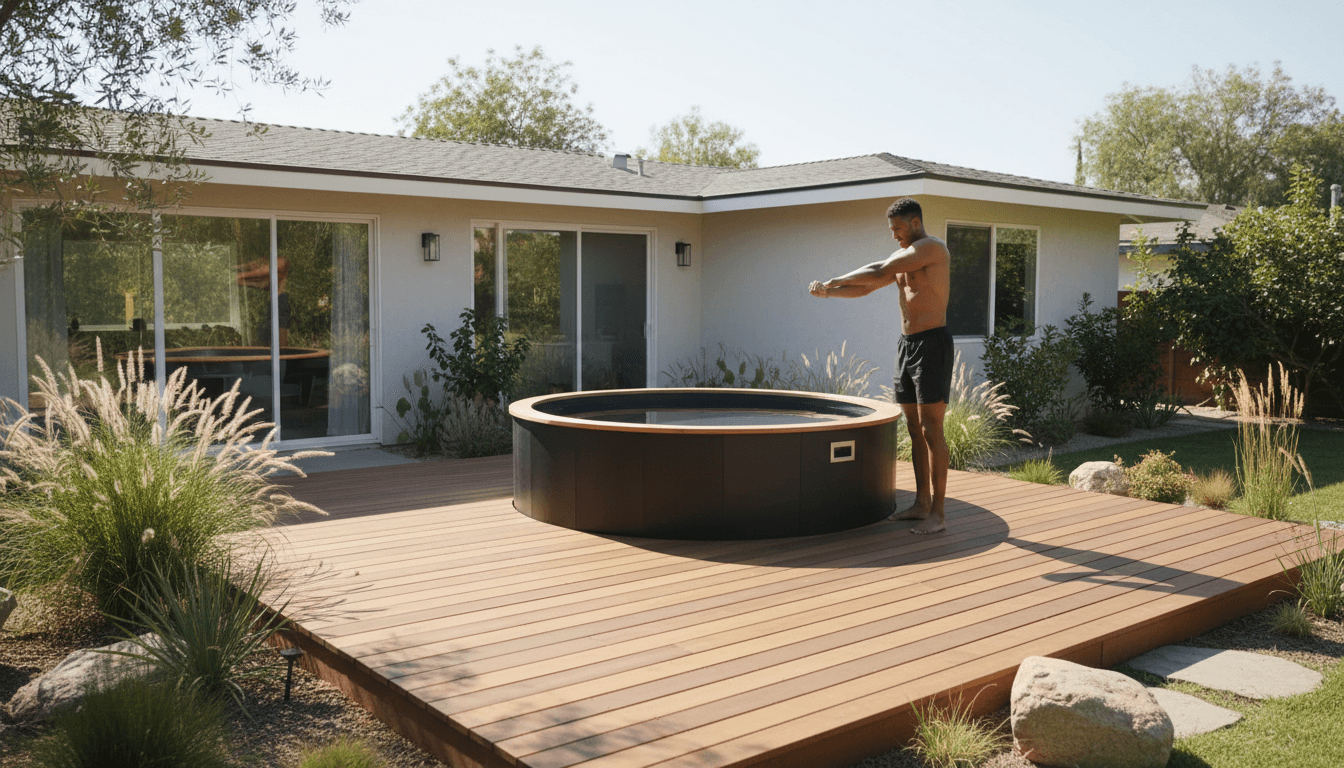
To safely integrate this into a routine for sauna cold plunge respiratory health Vancouver residents should focus on a controlled descent. Rapid submersion can lead to a sharp, uncontrolled intake of air that may trigger bronchial spasms in asthmatic individuals. We recommend entering the water slowly, focusing on a long, audible exhale to counteract the gasp reflex. This managed transition allows you to reap the anti-inflammatory benefits without overstressing the pulmonary system. For professionals looking to test this controlled environment, mobile sauna rentals provide the privacy needed to practice these breathing techniques without distraction. Once the initial shock subsides, the vagal tone increases, leading to deeper, more stabilized respiration that complements the bronchodilation achieved in the sauna.
Contrast Therapy Protocols for Asthma and COPD Management
Managing chronic respiratory conditions requires a nuanced approach to thermal stress. For individuals asking if saunas are good for COPD, the answer lies in the balance of temperature and duration. Clinical data suggests that controlled heat exposure can improve lung mechanics by reducing the viscosity of phlegm and relaxing smooth muscle. When integrating contrast therapy services into a management plan, the sequence of exposure determines the efficacy of the session.
A standard protocol begins with a 15 to 20 minute session in the sauna. This period allows the lungs to reach a state of maximal bronchodilation, creating a window where expectoration is easier and air exchange is more efficient. Following this, the transition to the cold plunge should be brief, lasting only 30 to 60 seconds. This short duration triggers the systemic anti-inflammatory response without placing excessive stress on the cardiovascular or pulmonary systems. For those with asthma, this micro-plunge provides the benefits of vasoconstriction while minimizing the risk of a cold-induced bronchospasm.
Adopting a structured routine through mobile sauna rentals allows for this level of precision in a private setting. However, safety must remain the priority. If you are currently recovering from active pneumonia or experiencing severe acute bronchitis, wait for the infection to clear before reintroducing thermal stress. Always consult with a physician to ensure your pulmonary system is stable enough for high-contrast environments. If cleared, you can book a recovery session to start building a baseline for improved sauna cold plunge respiratory health Vancouver residents need during the damp winter months.
Sauna for Smokers and Former Smokers in Vancouver
For those who have smoked or continue to do so, the primary concern is often the accumulation of particulate matter and the resulting loss of elasticity in the lungs. It is important to be realistic: thermal therapy cannot reverse structural lung damage or alveolar scarring. However, regular use of contrast therapy services acts as a powerful harm reduction tool by optimizing the efficiency of healthy lung tissue. The intense heat of a sauna increases peripheral blood flow and stimulates the lymphatic system, which aids in the transport and eventual expulsion of environmental pollutants and stagnant mucus trapped deep within the airways.
For Vancouverites training for the Grouse Grind or trekking through the North Shore mountains, improving aerobic capacity is essential. A sauna session helps clear the city smog and residual buildup, allowing the remaining functional lung tissue to work at a higher capacity. By integrating this into a recovery protocol, former smokers can better manage the shortness of breath that often limits their outdoor performance. Using mobile sauna rentals provides a private space to focus on these deep, clearing breaths. To start refining your pulmonary efficiency, you can book a recovery session and prioritize your sauna cold plunge respiratory health Vancouver goals before your next high altitude excursion.
Mastering the Breath: How to Avoid Cold Shock During Your Plunge
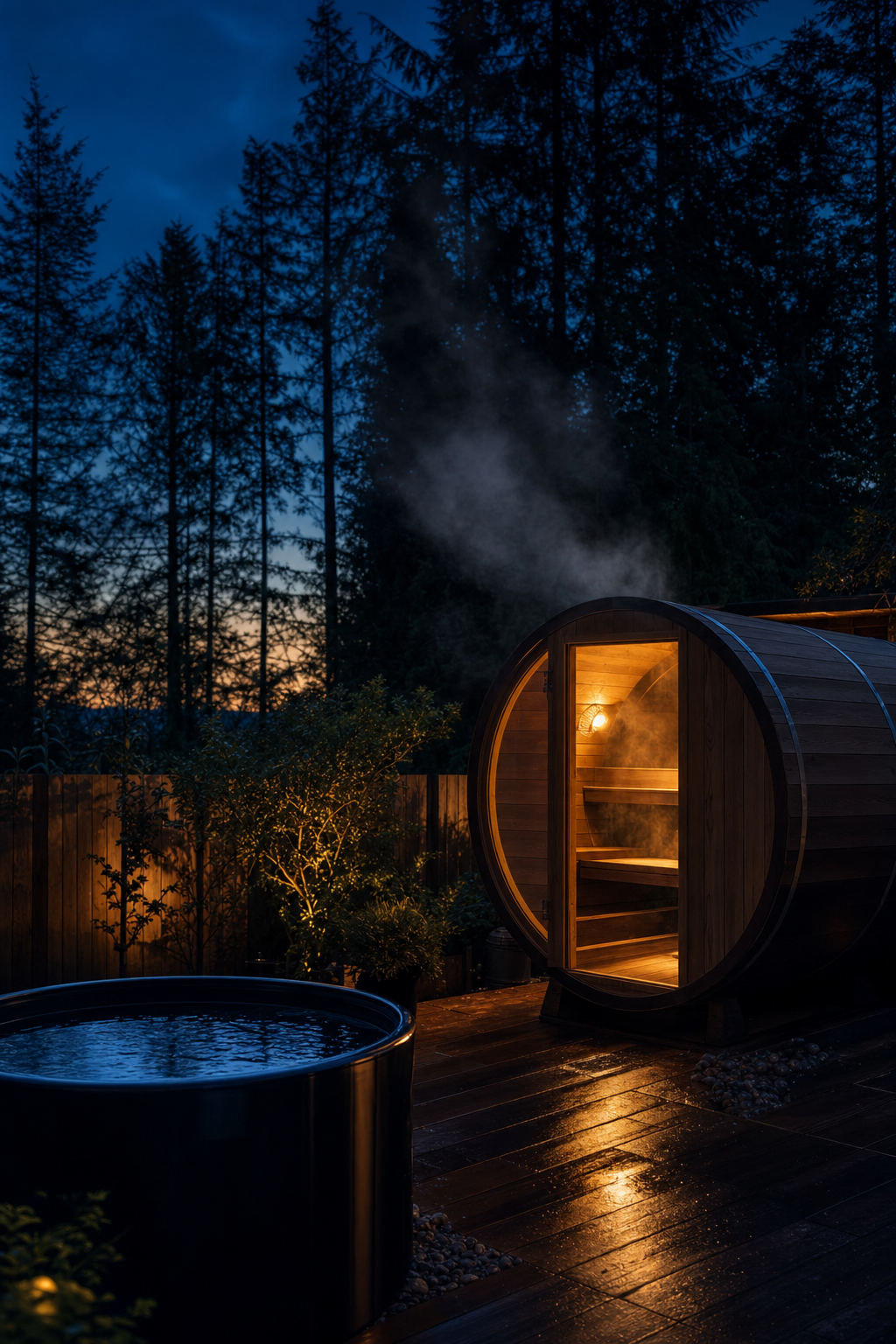
Effective respiratory recovery depends on how you manage the transition into the water. The cold shock response is a primitive reflex that, if left unchecked, overrides the benefits of contrast therapy services. To master the breath, start on the deck of the sauna with a Physiological Sigh: a deep inhale through the nose, followed by a second short "sip" of air to fully expand the alveoli, then a long, slow exhale through the mouth. This technique signals the nervous system to remain calm before the skin hits the water.
Alternatively, Box Breathing, which involves four seconds each for the inhale, hold, exhale, and hold, provides the structured rhythm necessary for high-stakes professionals to anchor their focus. Once you begin your descent, avoid the common mistake of Wim Hof style hyperventilation while submerged. Rapid, shallow breathing in the water can trigger a dangerous drop in carbon dioxide, leading to lightheadedness or fainting. Instead, maintain a long, audible exhale through pursed lips as you enter. Controlling this output is the specific mechanism that unlocks the sauna cold plunge respiratory health Vancouver professionals require to reduce systemic inflammation. By subduing the gasp reflex, you allow the vagus nerve to take over, turning the initial shock into a deep, meditative recovery. Utilizing mobile sauna rentals offers the quiet, private space needed to practice these protocols without the interruption of a public facility.
Mobile Sauna and Cold Plunge: Bringing Respiratory Wellness to Your Doorstep
Delivering these modalities directly to your driveway removes the distractions of a crowded gym, where noise and social pressure interfere with complex breathing protocols. For a Vancouver professional who has spent forty hours in recirculated office air, our mobile sauna rentals provide the isolation needed to master the Physiological Sigh without interruption. This controlled environment is essential for safely managing the cold shock response and maximizing sauna cold plunge respiratory health Vancouver outcomes. Weekend warriors can schedule these contrast therapy services to coincide with their training loads, creating a lung reset after a week of urban pollutants. To refine your physiological rhythm, you can book a recovery session that fits your specific schedule.
Integrating regular sauna sessions and cold exposure into your routine can significantly improve lung function and respiratory resilience. For busy Vancouver professionals, this balance of heat and cold offers a powerful way to manage stress while boosting physical health. While you can start this journey on your own, having a structured environment makes the transition much smoother. If you want expert help optimizing your personal wellness routine, feel free to read more About our philosophy and how we support your journey toward better health.