Integrating a sauna cold plunge burnout recovery Vancouver protocol resets the nervous system by using thermal stress to trigger a parasympathetic rebound. This practice reduces systemic inflammation and lowers cortisol levels; helping the body transition from chronic burnout into a state of deep physiological relaxation and mental clarity.
For many Vancouver professionals, burnout is not merely a state of mental exhaustion; it is a physiological entrapment within the sympathetic nervous system. You likely feel the symptoms daily through a racing mind that refuses to quiet at night, persistent physical tension, and a sense of being perpetually wired yet completely drained. Traditional rest often fails because your body has lost its internal compass for transitioning back into a state of deep recovery. This article explores the science of thermal contrast therapy as a definitive tool for nervous system regulation. You will learn how the intentional shock of a cold plunge strengthens your vagal tone, while the controlled heat of a sauna triggers a necessary parasympathetic rebound. We will detail the specific Nordic Edge protocol designed to break the cycle of chronic stress and provide a practical timeline for restoring your neurological baseline.
The Physiology of Burnout: Why Vancouver Professionals Are Stuck in Fight or Flight
In the high stakes environments of Vancouver’s tech and finance sectors, burnout is frequently mischaracterized as a failure of willpower or a lack of personal resilience. In reality, burnout is a distinct physiological state defined by chronic sympathetic nervous system dominance. When you are operating in a constant state of fight or flight, your body is not failing you; it is responding to an environment of perceived perpetual threat.
For professionals in British Columbia, these threats are often compounded by localized stressors. The relentless pressure of maintaining a career in one of the world’s most expensive real estate markets, combined with the intense deliverables required in the downtown core, keeps the HPA axis in a state of hyper-arousal. This is further exacerbated by the Vancouver rainy season. The lack of sunlight between October and April disrupts circadian rhythms and compounds seasonal affective issues, making it nearly impossible for the nervous system to self-regulate without intervention.
Physiologically, this manifests as elevated cortisol levels that refuse to taper off at night. When cortisol remains high, the parasympathetic nervous system, our essential rest and digest system, is actively suppressed. This state leads to exhaustion that sleep cannot fix, cognitive fatigue, and a loss of emotional nuance. Understanding this biological stalemate is the first step toward premium recovery experiences that actually work. To move past this, one must physically interrupt the cycle. Through a targeted protocol of sauna cold plunge burnout recovery Vancouver professionals can leverage controlled environmental stressors to force the body back into a parasympathetic state, addressing the root physiological cause rather than just the symptoms of professional exhaustion.
Does a Cold Plunge Reset Your Nervous System? The Science of Vagal Tone
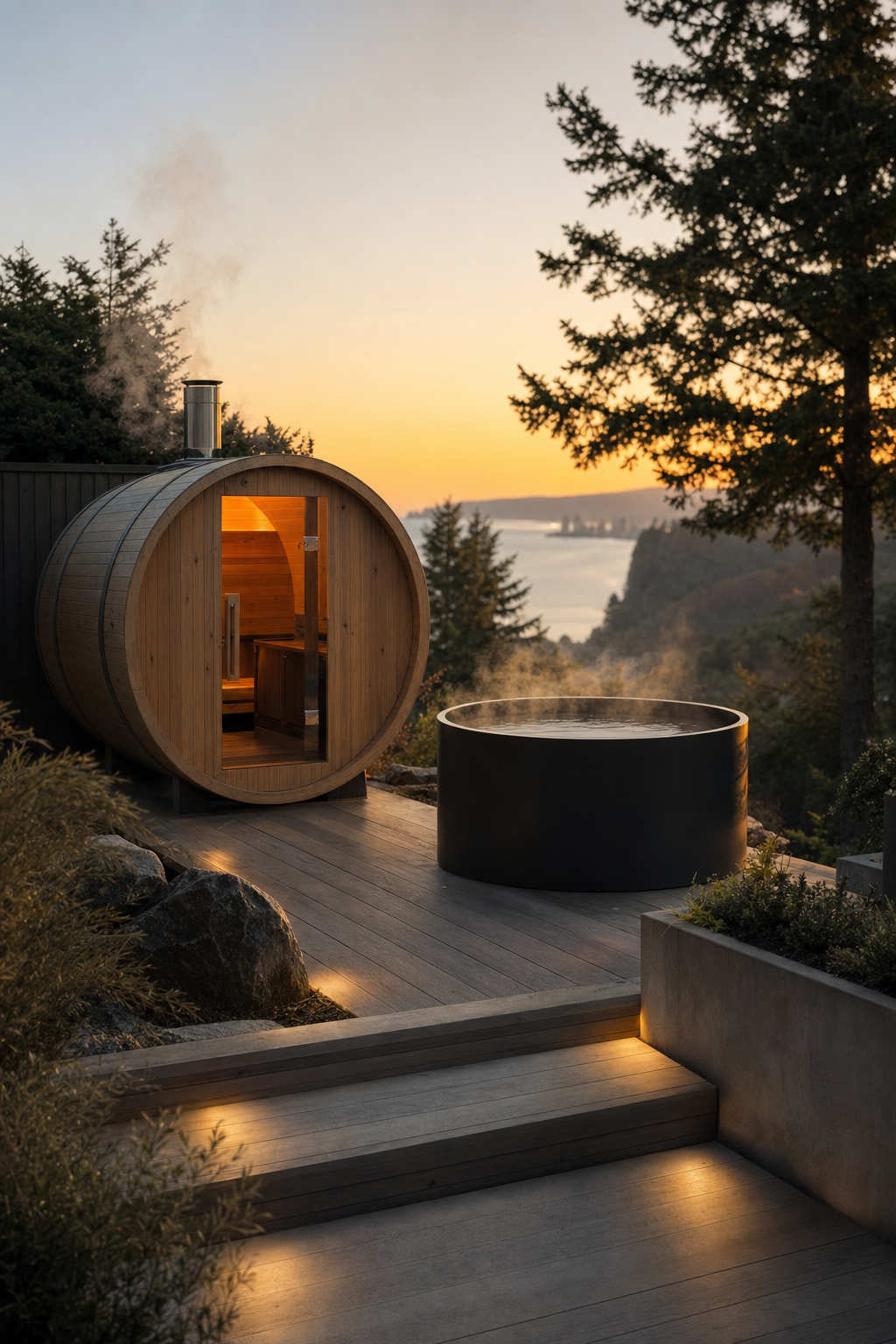
Cold water immersion acts as a potent, non-pharmacological reset button for a dysregulated nervous system. When your body hits water below 15 degrees Celsius, it triggers an immediate physiological response centered on the vagus nerve. This nerve is the primary highway of the parasympathetic nervous system, responsible for signaling the body to transition from a state of high alert to one of recovery.
The process relies on the principle of hormetic stress. This refers to a controlled, acute stressor that, in small doses, triggers a beneficial adaptive response. For a professional dealing with the chronic, low-grade stress of a Vancouver boardroom, the cold plunge provides a sharp contrast. It forces the system to manage a brief spike in norepinephrine and cortisol, followed by a profound shift once you exit the water. During immersion, the mammalian dive reflex is activated, leading to an immediate drop in heart rate and an increase in vagal tone.
This mechanism is essential for sauna cold plunge burnout recovery Vancouver residents use to maintain high performance. By stimulating the vagus nerve, you are essentially training your nervous system to become more flexible. High vagal tone is associated with better emotional regulation, lower resting heart rates, and improved resilience against workplace triggers.
Physiological Marker | Response During Cold Plunge | Post-Immersion Effect |
|---|---|---|
Heart Rate | Initial spike, then reflex bradycardia | Sustained lower resting rate |
Vagus Nerve | Acute stimulation | Increased vagal tone and regulation |
Nervous System | Sympathetic activation (acute) | Parasympathetic dominance (rebound) |
Cortisol | Brief hormetic spike | Long-term reduction in baseline levels |
The transition out of the cold is where the reset truly solidifies. As the skin begins to warm, the body experiences a parasympathetic rebound. This shift allows the HPA axis to recalibrate, moving you out of the chronic fight or flight state described previously and into a phase of deep cellular repair. These premium recovery experiences provide the physiological interruption necessary to prevent temporary stress from becoming permanent burnout.
Signs That Your Nervous System Is Out of Whack and Needs a Reset
Identifying the point at which professional drive becomes physiological distress requires looking beyond simple mental fatigue. For high-performers in Vancouver, dysregulation often manifests as a wired but tired state. You might find yourself physically exhausted by the end of the day but mentally racing through Q4 projections or the logistics of the downtown commute. This inability to transition out of work mode indicates that your sympathetic nervous system is stuck in the on position, unable to downshift into a recovery state.
Common symptoms of a dysregulated system include: - Emotional Flatness: A feeling of apathy or a lack of joy in achievements that previously felt rewarding. - Sleep Fragmentation: Falling asleep quickly due to sheer exhaustion but waking up at 3:00 AM with a sharp surge of cortisol. - Hyper-reactivity: Small stressors trigger a disproportionate physiological frustration, indicating a lack of regulatory capacity.
When you prioritize premium recovery experiences, the shift in these markers becomes quantifiable. As your system heals, you will notice a significant increase in Heart Rate Variability (HRV), the primary metric for measuring nervous system resilience. Healing is also marked by a return to deep, restorative sleep cycles and a broader emotional bandwidth. By utilizing a protocol for sauna cold plunge burnout recovery Vancouver professionals can transition from simply surviving a high-pressure schedule to actively regulating their physiological response to it.
The Parasympathetic Rebound: How Sauna Heat Melts Professional Tension
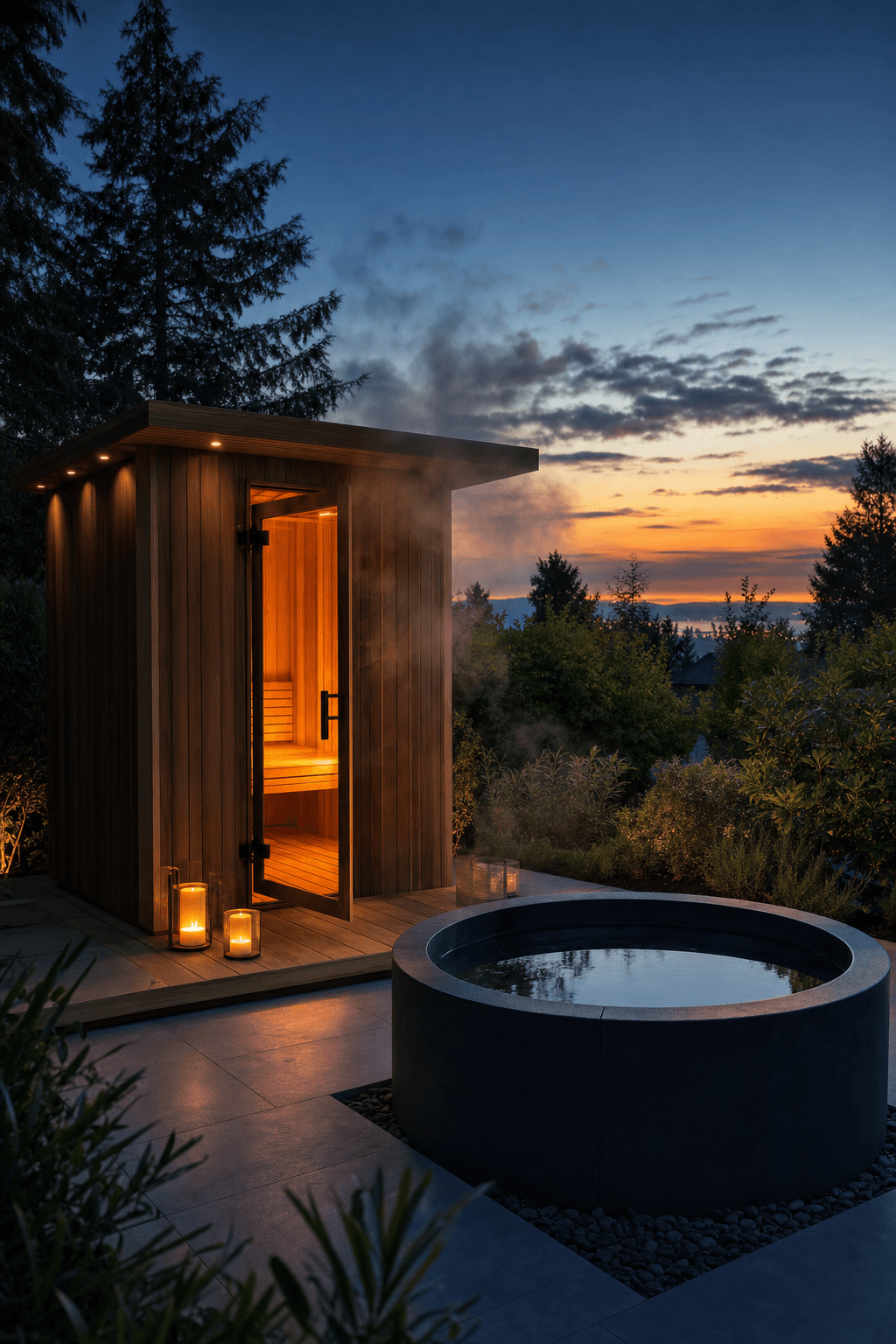
While the cold plunge provides the sharp reset, the heat of the sauna facilitates the structural release of physical and mental tension. During a session in a Nordic Edge sauna, your core temperature rises, causing blood vessels to dilate and blood flow to increase significantly. This process facilitates the clearing of metabolic waste accumulated during long days of sedentary, high-stress desk work. As the body reaches a state of mild hyperthermia, it begins to produce heat shock proteins (HSPs). These proteins act as molecular chaperones, repairing damaged proteins and protecting cells from future oxidative stress. For a Vancouver professional, this is the biological equivalent of a deep system maintenance cycle.
Many executives find traditional mindfulness difficult because their minds are habituated to rapid problem solving. The physical intensity of heat provides a sensory anchor. It forces a focus on the breath and the present moment, making it easier to achieve a meditative state than sitting still in a quiet office. This environment is ideal for those who feel their thoughts are constantly racing through Q4 targets or project deadlines.
The true benefit occurs during the parasympathetic rebound. Once you exit the heat, the body experiences a massive downshift. The intense sympathetic activation required to manage the heat triggers a proportional and profound parasympathetic response. This rebound effect is a core component of sauna cold plunge burnout recovery Vancouver residents utilize to combat the chronic elevation of norepinephrine that defines professional burnout. By using mobile sauna rentals to access this environment, you allow the body to reach a level of relaxation that standard rest cannot provide. This rebound is what finally allows the system to drop out of high alert and into a state where you can book your burnout recovery session with the confidence that your premium recovery experiences are grounded in physiological science.
The Nordic Edge Protocol: How Contrast Therapy Accelerates Burnout Recovery
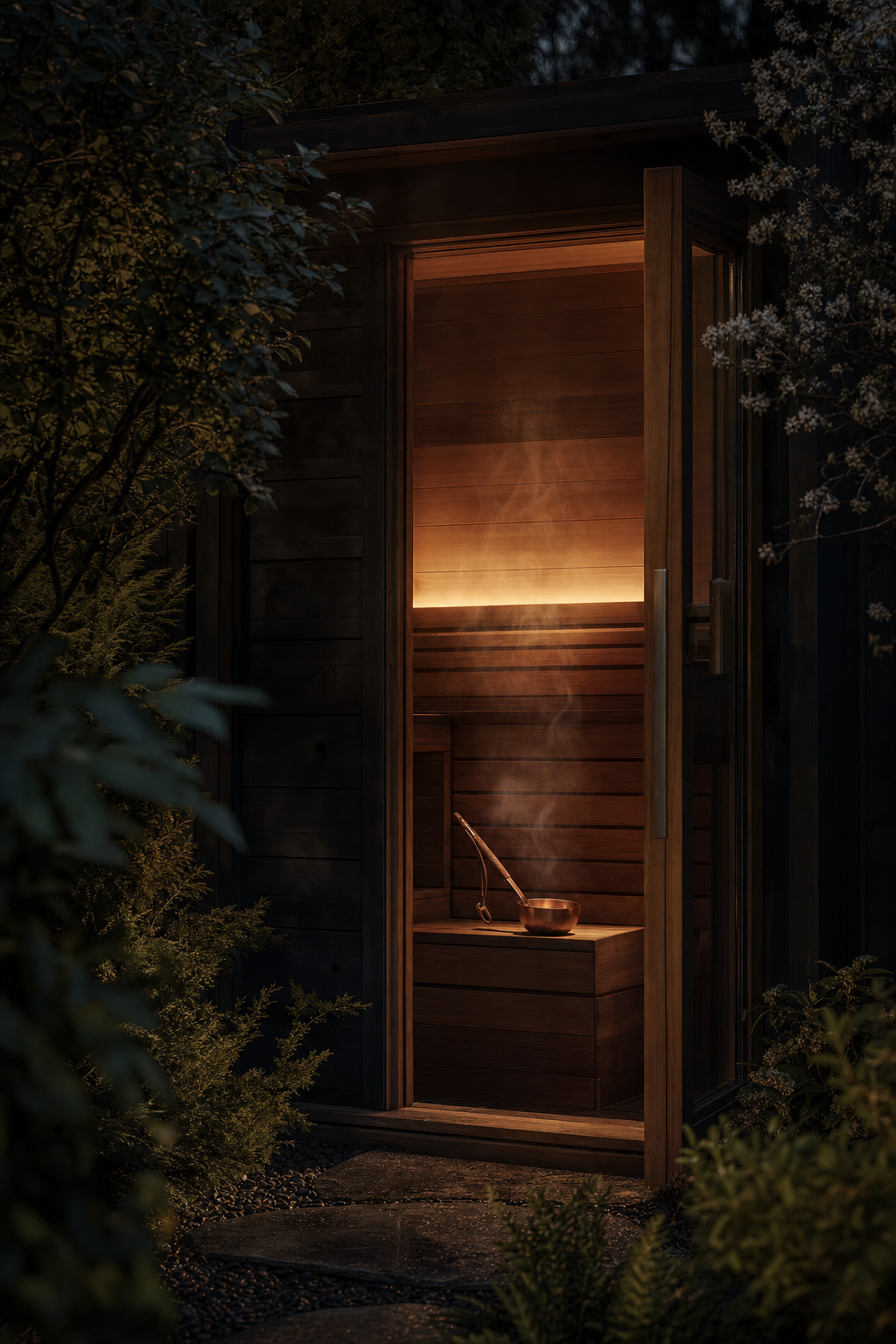
To effectively utilize sauna cold plunge burnout recovery Vancouver professionals require a structured approach that moves beyond casual use. The Nordic Edge protocol centers on a rhythmic cycling of environmental extremes to recalibrate the HPA axis. Begin with 15 minutes of dry heat in the sauna. This initial phase induces a controlled sympathetic load, opening the peripheral vasculature and initiating a metabolic flush. Immediately follow this with 2 to 3 minutes of cold plunge immersion.
The efficacy of this method lies in the rapid transition. By alternating between the heat and the cold, you force the nervous system to toggle between the sympathetic and parasympathetic states. This is a form of neuro-muscular and vascular training. Over three repeated cycles, the body learns to down-regulate more efficiently, shortening the time it takes to return to a physiological baseline after a high-pressure client meeting or a demanding week in the downtown core.
Protocol Element | Duration | Primary Objective |
|---|---|---|
Phase 1: Heat | 15 Minutes | Vasodilation and HSP activation |
Phase 2: Cold | 2 to 3 Minutes | Vagal stimulation and vasoconstriction |
Repetition | 3 Cycles | Nervous system toggling training |
Frequency | 2 to 3 times weekly | Sustained HPA axis recalibration |
For those currently navigating the peak of professional exhaustion, consistency is the deciding factor. Engaging in these premium recovery experiences two to three times per week provides the necessary frequency to override chronic stress patterns. You can book your burnout recovery session to begin this systematic reset.
Healing Timelines: How Long Does It Take to Heal a Dysregulated Nervous System?
Understanding the recovery timeline is critical for managing expectations. While a single exposure to the Nordic Edge protocol provides immediate relief by flushing cortisol and quieting the mind, healing a dysregulated nervous system is a cumulative process. For most high performers in Vancouver, structural improvements in stress resilience and Heart Rate Variability (HRV) typically manifest after four to eight weeks of consistent practice.
This duration allows the HPA axis to move past temporary suppression and begin functional recalibration. During the first two weeks, you may notice improved sleep quality and a reduction in the wired but tired sensation. By week six, the body often shows a higher baseline for emotional regulation and cognitive clarity. View these premium recovery experiences as a form of physiological maintenance rather than a reactive solution for a difficult week. To achieve lasting sauna cold plunge burnout recovery Vancouver professionals should integrate contrast therapy into their weekly routine, ensuring the nervous system remains flexible and capable of handling the unique pressures of the Pacific Northwest professional landscape.
Why Mobile Sauna and Cold Plunge is the Executive Solution in Vancouver
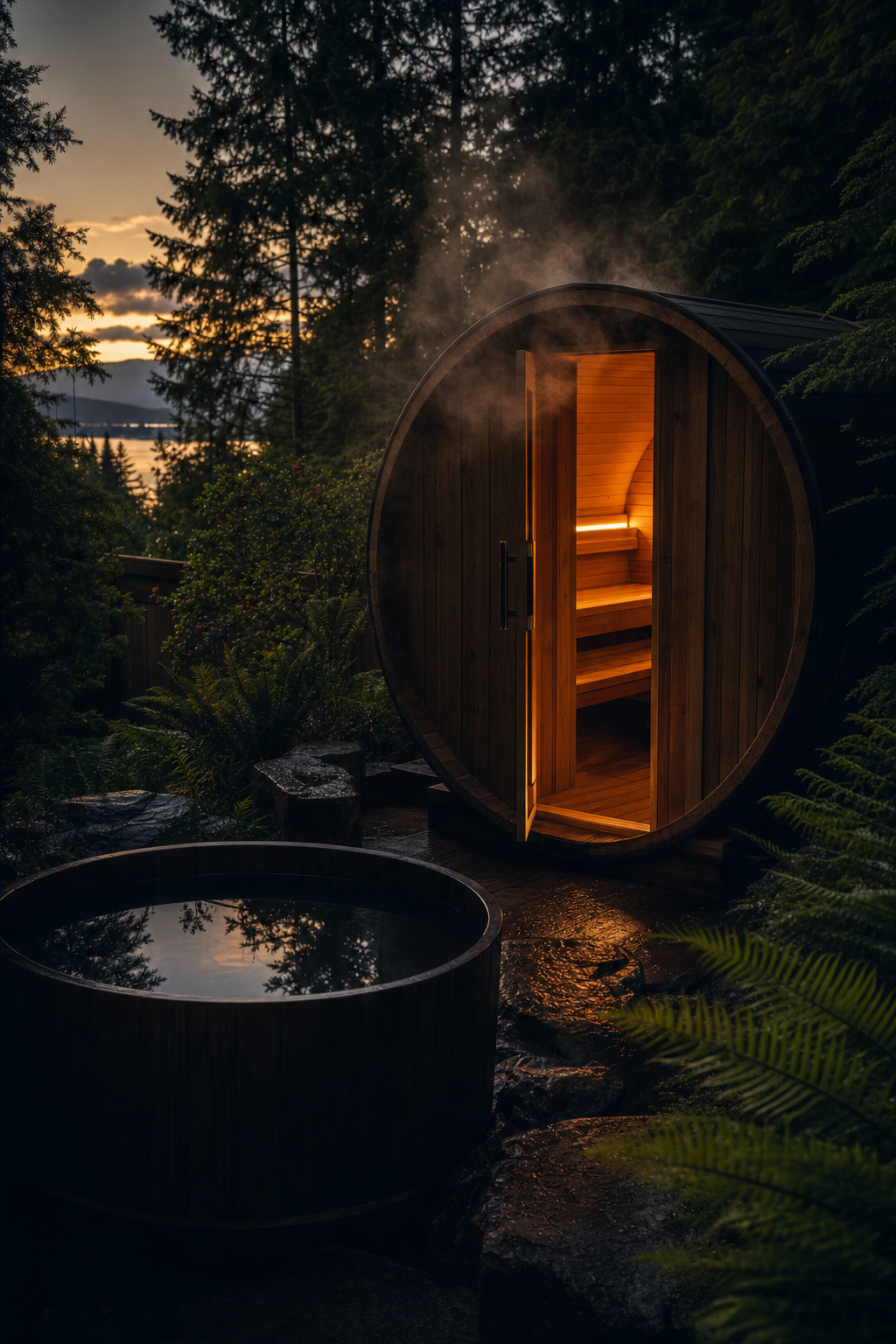
Traditional recovery paths often introduce counterproductive friction. Navigating traffic across the Lions Gate Bridge or fighting for parking in Kitsilano to reach a public spa can re-trigger the sympathetic nervous system before the session even begins. For a professional already managing chronic cortisol elevation, the logistics of travel act as a barrier to true physiological down-regulation.
Nordic Edge solves this by delivering mobile sauna rentals directly to your private residence or corporate retreat. By bringing the experience to a home in West Vancouver or a quiet driveway in the city, we eliminate the commute and the crowds. This allows for an immediate transition from the final cold plunge into a state of rest within your own environment. There is no locker room noise or post-session drive through the Vancouver rain to disrupt the parasympathetic rebound.
This frictionless model is the primary reason why mobile services are the executive standard for sauna cold plunge burnout recovery Vancouver professionals utilize to maintain peak performance. These premium recovery experiences provide the privacy and convenience necessary for the brain to fully disengage from workplace demands. To integrate this clinical-grade recovery into your schedule without the travel overhead, you can book your burnout recovery session today.
Recovery from burnout is a journey that begins with calming your nervous system. By incorporating sauna and cold plunge sessions into your routine, you can effectively manage stress and regain your energy. While these tools are powerful on their own, finding the right approach for your unique needs can make a significant difference. If you would like expert guidance on how to maximize your wellness journey, you can learn more about Nordic Edge and our philosophy. We are here to support your path toward sustainable balance and long-term health.