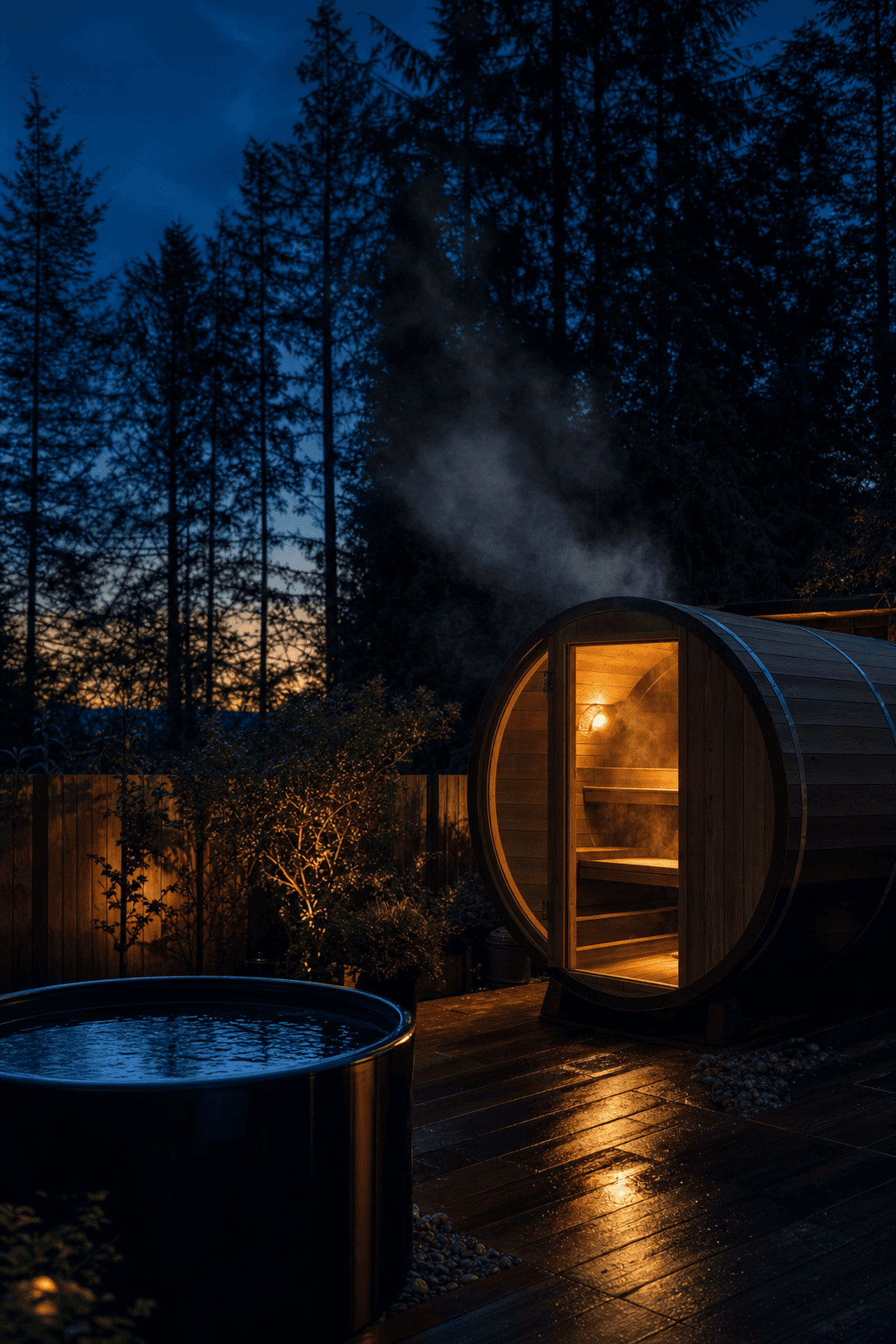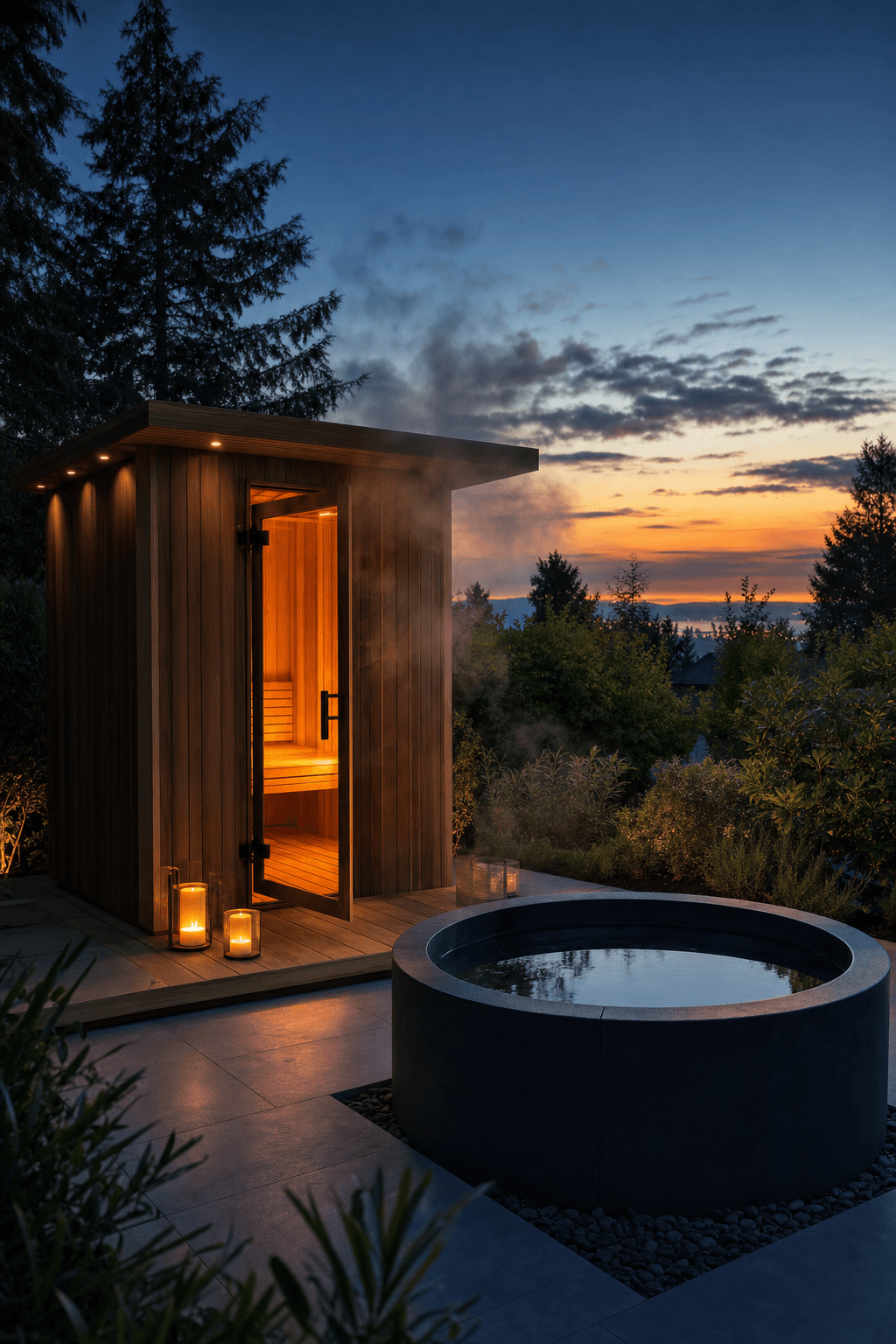

Cold plunging rewires the brain by triggering a massive release of dopamine and norepinephrine, which enhances focus and emotional regulation. This process of cold plunge neuroscience brain stress resilience works through neurohormesis; it primes the nervous system to stay calm under pressure by strengthening neural pathways associated with grit and physiological coping mechanisms.
Living in a constant state of high alert often leaves the modern professional feeling mentally fragmented and physically drained. While many seek relief through temporary distractions, the true solution to chronic stress lies in physiological adaptation. Stepping into a cold plunge is more than a mere test of willpower; it is a precision tool for neurobiological recalibration. By intentionally exposing the body to thermal stress, you trigger a sophisticated chemical response that strengthens the brain’s resilience to daily pressure. This article explores the specific neuroscience behind cold water immersion, including the massive surge of dopamine and norepinephrine that sharpens focus for hours. You will learn how this practice tones the vagus nerve and fortifies the prefrontal cortex, providing a practical framework to transform your mental endurance. We will also outline the Nordic Edge protocol to help you master these neurochemical benefits within your busy Vancouver lifestyle.
The Biological Shift: Beyond the Initial Cold Shock
The moment you submerge in a cold plunge, your body undergoes an immediate, violent transition. This initial gasping reflex is the sympathetic nervous system firing at full capacity, triggering a primitive fight or flight response. However, for the high-performing Vancouver professional, the true value lies in what happens next. As you consciously control your breath and remain still, you begin a process called neurohormesis. This is a biological phenomenon where a brief, controlled stressor acts as a catalyst for systemic improvement, effectively teaching the brain to manage future pressure with greater ease.
By intentionally subjecting the body to extreme cold, you are engaging in a practical application of cold plunge neuroscience brain stress resilience. This is not merely a psychological exercise in willpower; it is a physiological priming of the brain. Research from the University of Ottawa highlights that this type of acute cold stress promotes cellular resilience and triggers autophagy. Autophagy is a critical cellular tune-up where the body identifies and removes damaged components, ensuring that neurons function at peak efficiency. This process effectively clears the biological debris that can accumulate during periods of high mental demand.
For executives managing high-stakes environments or athletes preparing for a weekend on the North Shore, this transition from panic to stillness is transformative. It trains the brain to bypass the reflexive fear of the amygdala, replacing it with a focused, deep calm. This cellular and neurological recalibration ensures that when real-world stressors arise, your system is already familiar with the path back to composure. Utilizing mobile sauna and cold plunge services brings this advanced recovery protocol directly to your doorstep, making elite-level brain health accessible even within a demanding Vancouver schedule.
The Neurochemical Cocktail: Why Dopamine and Norepinephrine Spike

Once the initial cellular response begins, your brain initiates a profound release of neurochemicals that function as a natural, high potency pharmacological intervention. This is what many refer to as the cold plunge high, but the underlying science is far more structured than a simple mood boost. A foundational cold plunge dopamine norepinephrine brain study provides the data: immersion in cold water triggers a 250 percent to 530 percent increase in noradrenaline, also known as norepinephrine, and up to a 250 percent increase in dopamine.
Noradrenaline is primarily responsible for the immediate sense of hyper vigilance and clarity you feel. It sharpens your focus and prepares your system for high stakes decision making. Meanwhile, the dopamine release serves as the catalyst for motivation and goal directed behavior. What distinguishes this neurochemical surge from short term highs, such as the spike from a double espresso or a sugary snack, is its unique decay rate. While caffeine creates a peak followed by an inevitable crash, the dopamine levels from cold immersion rise steadily and remain elevated for several hours. This results in a stable baseline of focus rather than a volatile fluctuation in energy.
For the Vancouver executive or the athlete recovering after a trail run, this sustained elevation is a strategic advantage. It provides the cognitive endurance required to navigate a demanding workday without the mid afternoon slump. By integrating mobile sauna and cold plunge services into your routine, you are not just seeking a temporary feeling; you are effectively regulating your internal chemistry to ensure peak performance remains the default state, rather than a fleeting exception. This prolonged window of clarity is the hallmark of a well executed recovery protocol, providing the mental stamina necessary to excel in Vancouver's competitive landscape.
Prefrontal Cortex Connectivity: Training Your Brain for Grit
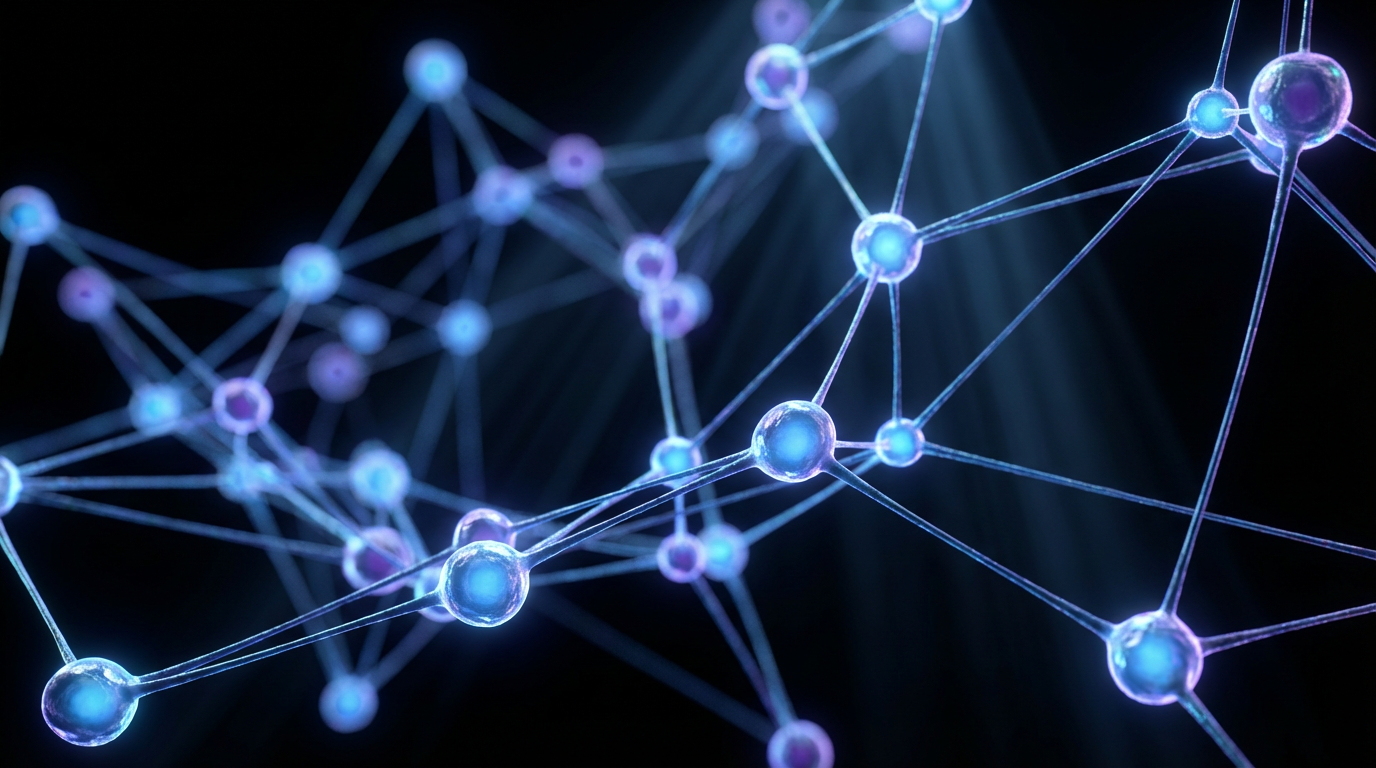
While the neurochemical surge provides an immediate spark of clarity, the sustained benefit of cold exposure lies in the physical restructuring of your neural networks. According to MRI research published in the journal Biology, cold water immersion significantly increases functional connectivity between the medial prefrontal cortex and the parietal cortex. This architectural shift is the foundation of what researchers call top-down control. In the freezing water, your amygdala triggers a bottom-up reflexive fear response, screaming for you to exit the environment; however, your prefrontal cortex, the center for executive decision-making, must override that impulse to remain still.
This deliberate override is the biological definition of grit. For a Vancouver executive navigating a volatile market shift or a weekend warrior facing a technical descent on a North Shore trail, this connectivity is a strategic asset. You are not just enduring cold; you are strengthening the communication line between the brain's CEO and its alarm system. By repeatedly practicing this cold plunge neuroscience brain stress resilience protocol, you train your brain to prioritize logic over panic.
This structural reinforcement ensures that when professional or physical chaos strikes, your first instinct is a calculated, calm response rather than a reflexive retreat. Utilizing mobile sauna and cold plunge services provides a consistent, high-performance environment to sharpen this mental edge. By intentionally leaning into the discomfort of the plunge, you forge a brain that is better equipped to handle high-stakes pressure, ensuring that your cognitive 'brakes' are always ready when the environment demands composure.
Vagus Nerve Activation: The Shortcut to a Reset Nervous System
Strengthening the prefrontal cortex provides the mental framework for grit; however, the physical sensation of calm is driven by the vagus nerve. This cranial nerve is the primary component of the parasympathetic nervous system, acting as the body's natural braking system against the high-alert state of the sympathetic nervous system. When you submerge in cold water, you are performing a manual override on your internal settings through direct nerve stimulation.
The "Cold Face Test" research demonstrates that even localized cold exposure, particularly around the eyes and forehead, triggers the mammalian dive reflex. This reflex stimulates the vagus nerve to immediately slow the heart rate and begin lowering systemic cortisol levels. For those asking, "Do cold plunges reset the nervous system?" the scientific answer lies in the parasympathetic rebound. While the water provides an initial sympathetic shock, the period immediately after exiting the cold triggers a massive surge in parasympathetic activity. This rebound effect forces the body into a state of deep recovery, effectively clearing the residual physiological noise of a high-pressure environment.
This mechanism is a core pillar of cold plunge neuroscience brain stress resilience. By stimulating the vagus nerve, you are training your body to return to a baseline of calm more rapidly after any stressful event. For high-performers utilizing mobile sauna and cold plunge services, this reset offers a powerful tool for anxiety relief. It transforms an acute physical stressor into a shortcut for mental stillness, allowing you to move from a high-stakes boardroom or a grueling trail run directly into a state of restorative composure.
Neuroplasticity and BDNF: Building a More Resilient Brain Over Time
While the immediate vagal reset offers instant relief, the cumulative impact of regular immersion facilitates a permanent structural upgrade. This is driven by the production of Brain-Derived Neurotrophic Factor (BDNF), a protein vital to neuroplasticity. BDNF acts as a growth serum for neurons, supporting the survival of existing brain cells and encouraging the growth of new ones. Research published in ScienceDirect suggests that cold exposure induces neuroprotective qualities, potentially shielding the brain from neurodegenerative decline.
For a professional in Kitsilano or an athlete in North Vancouver, every session with mobile sauna and cold plunge services is an investment in long-term cognitive capital. Beyond immediate focus, the chronic elevation of BDNF enhances the brain’s ability to rewire itself, improving long-term learning and memory retention. This aspect of cold plunge neuroscience brain stress resilience shifts the perspective from short-term recovery to proactive brain maintenance. By consistently challenging the system, you are not just managing today’s stress; you are fortifying your neural architecture against the cognitive wear and tear of aging. This ensures your mental edge remains sharp for decades, transforming a simple recovery habit into a sophisticated strategy for lifelong cognitive durability.
The Nordic Edge Protocol: Optimizing the Neuroscience of Cold for Vancouver Life

Maximizing the neurological gains of cold exposure requires a structured approach that respects both biology and the realities of a demanding Vancouver lifestyle. The Nordic Edge protocol prioritizes the counting walls method popularized by the Huberman Lab. Instead of fixating solely on a specific temperature, focus on the mental resistance you feel. Each time your brain urges you to exit the water, you have hit a wall. Staying through two or three of these walls is what truly builds cold plunge neuroscience brain stress resilience, as it forces the prefrontal cortex to maintain dominance over the amygdala's panic signals.
To amplify these effects, we recommend contrast therapy. By alternating between the high heat of a mobile sauna and the acute cold of the plunge, you create a powerful physiological cycle that flushes the system while shifting through different neurochemical states. The heat promotes growth hormone release and muscular relaxation, while the subsequent cold provides the essential dopamine and norepinephrine spike. This synergy accelerates physical recovery for weekend warriors and deepens the mental reset for professionals navigating high-stakes environments.
For clients in Kitsilano or North Vancouver, the logistical convenience of mobile sauna and cold plunge services is a vital part of the protocol. Traditional recovery often involves fighting through North Shore or downtown traffic, which triggers the very cortisol spikes you are trying to mitigate. By bringing the experience to your residence, we eliminate external stressors; this allows you to transition directly from the plunge into a state of restorative calm without interruption. To design a custom recovery schedule for your home or office, contact Nordic Edge to integrate these elite neurological tools into your weekly routine.
Cold plunging offers a powerful way to strengthen your mental resilience by training your brain to remain calm under pressure. By intentionally exposing yourself to the cold, you sharpen your focus and build a lasting sense of tranquility. If you want expert help navigating this practice, we are here to guide you. Learn more about our philosophy and how our team supports your wellness journey through cold therapy.