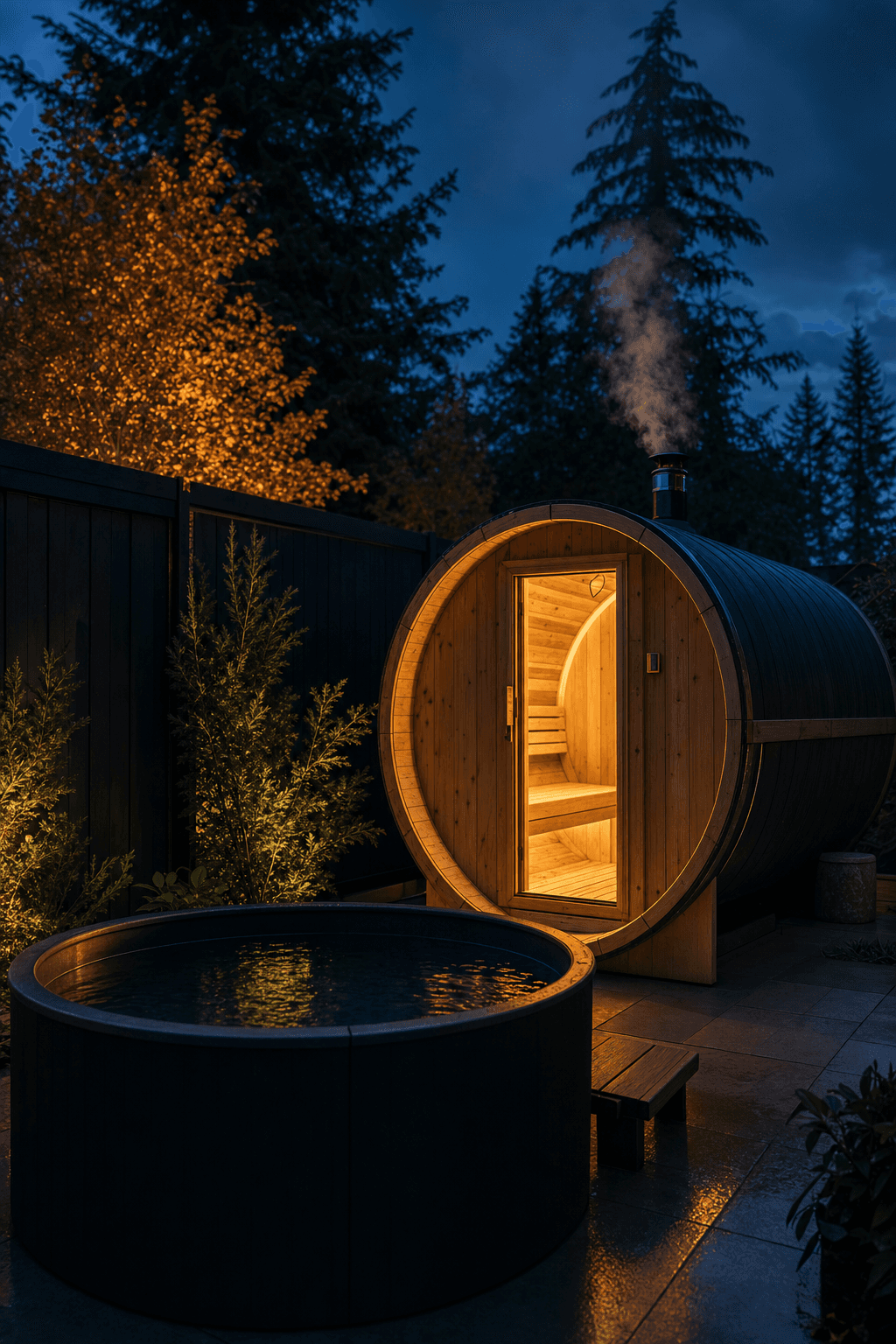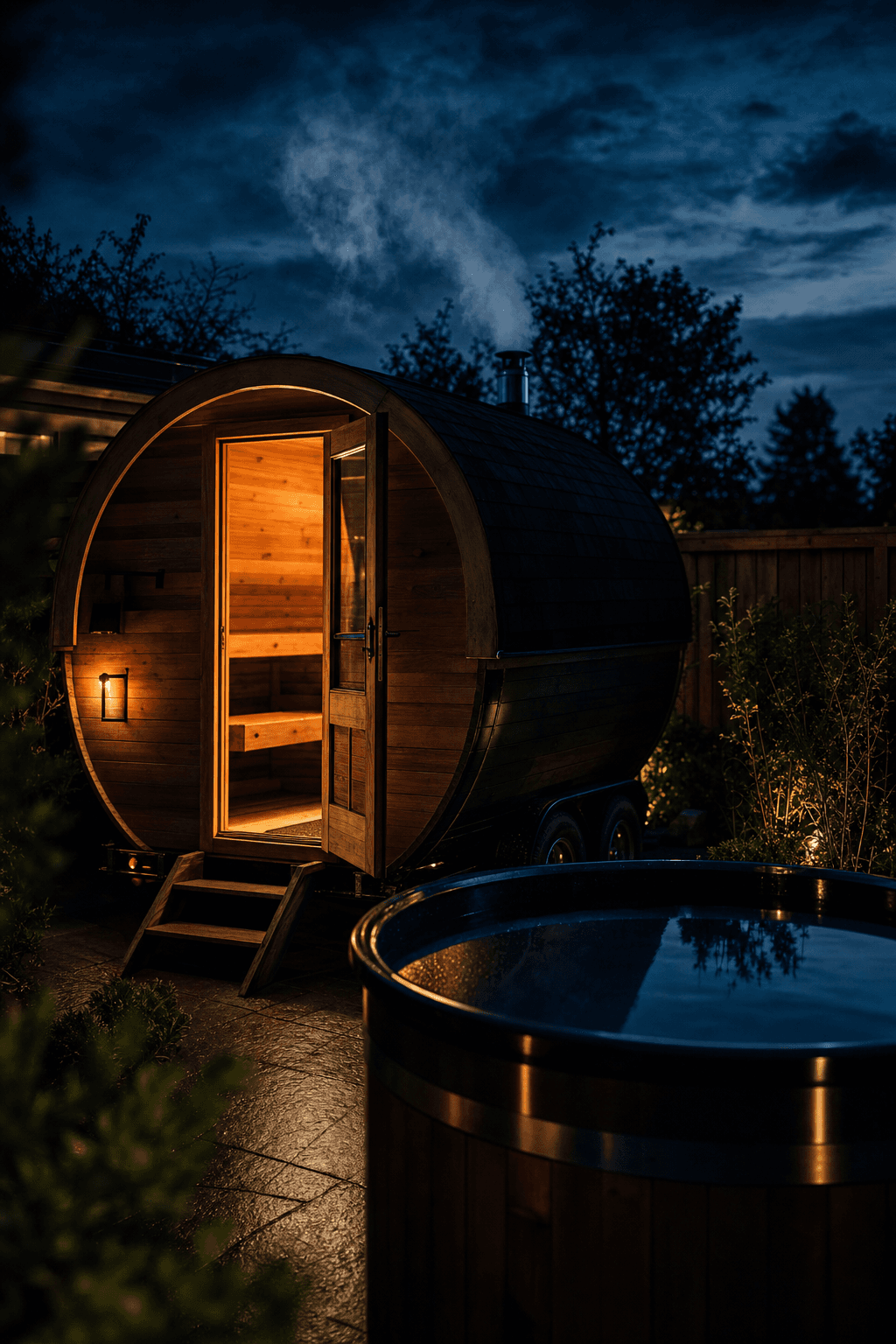
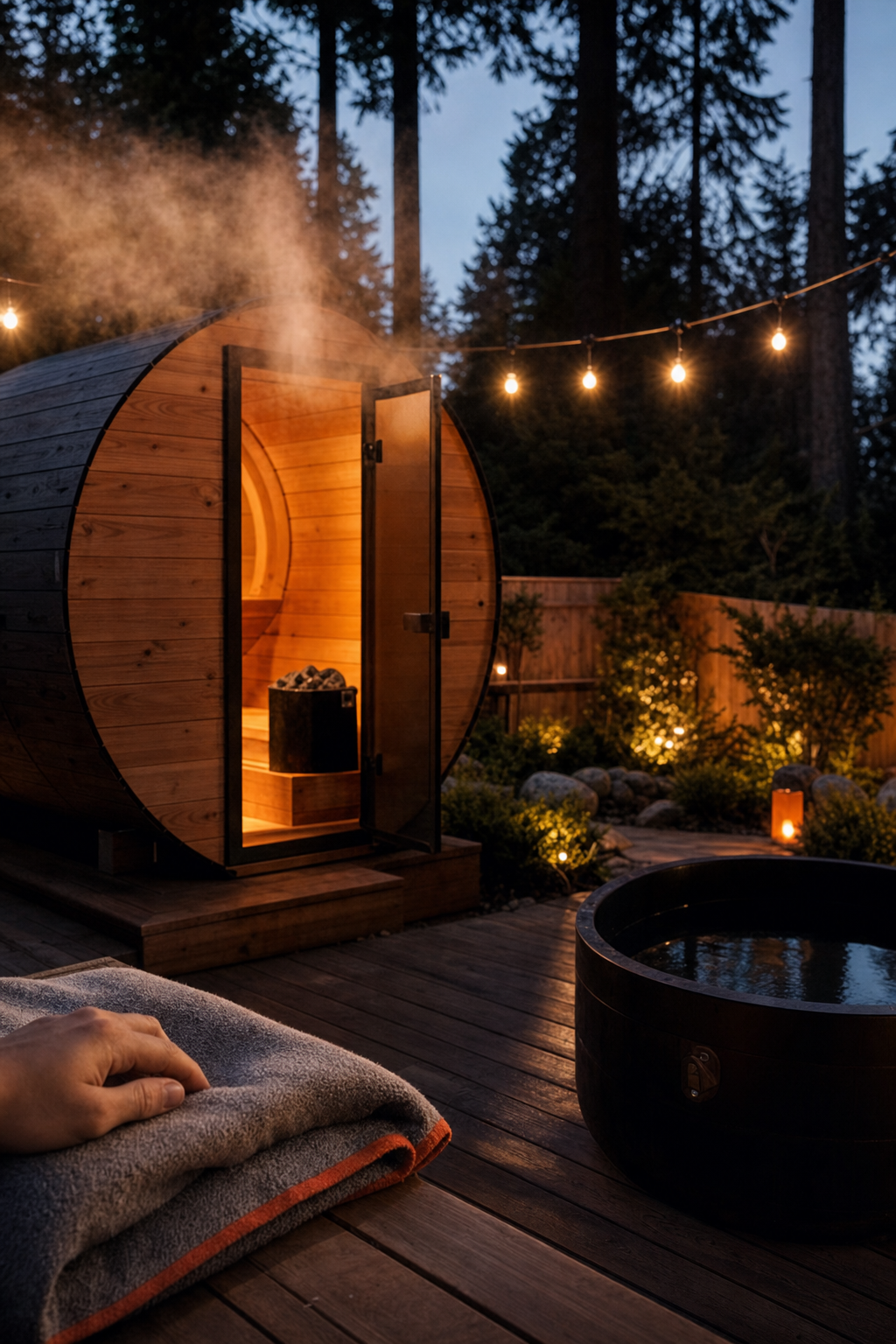
Contrast therapy supports concussion recovery by alternating between heat and cold to reduce neuroinflammation and stimulate the vagus nerve for improved cognitive health. This practice promotes brain healing for Vancouver athletes by using a sauna and cold plunge to trigger neuroprotective shock proteins and increase cerebral blood flow.
For many Vancouver athletes, a concussion represents more than just a temporary break from training; it is a grueling period defined by cognitive fatigue, persistent brain fog, and a stalled return to peak performance. Traditional rest protocols often fail to address the underlying metabolic crisis where the brain struggles to manage inflammation and restore cellular energy. This biological bottleneck requires a more proactive approach to recovery. By leveraging the physiological benefits of deliberate heat and cold exposure, you can stimulate the essential mechanisms required for neurological repair. This article examines the science of contrast therapy, specifically focusing on how sauna and cold plunge sessions trigger heat shock proteins and activate the vagus nerve to reduce neuroinflammation. We will outline the specific protocols Vancouver athletes use to navigate post concussion syndrome and facilitate a safer, more efficient journey back to the sports they love.
The Metabolic Crisis: Understanding the Post Concussion Brain
A hard fall on the North Shore mountain bike trails or a heavy collision at a local hockey rink might feel like a temporary daze, but the internal physiological shift is profound. Beyond the immediate impact, a concussion initiates what researchers call a metabolic crisis. This state is characterized by a massive ionic flux within the brain, where neurons require an immediate surge of adenosine triphosphate (ATP) to restore cellular balance. Ironically, this spike in energy demand occurs at the exact moment cerebral blood flow is significantly reduced, creating a critical supply and demand mismatch that leaves the brain vulnerable.
This physiological bottleneck leads to the secondary injury phase. Unlike the initial blow, secondary injury refers to the cascade of neuroinflammation and metabolic waste accumulation that occurs in the days following the impact. During this window, inflammatory cytokines can persist, hindering the repair of neural pathways and contributing to the prolonged symptoms of brain fog or light sensitivity. For many high performing individuals, the traditional advice of resting in a dark room is no longer sufficient to address these complex cellular needs.
Understanding this metabolic landscape is essential for anyone pursuing contrast therapy concussion recovery sauna cold plunge brain healing Vancouver athletes use to accelerate their return to peak performance. By viewing the post concussion brain as a system in an energy deficit, we can begin to see how targeted thermal stress serves as a physiological tool. Utilizing premium recovery services allows for a controlled intervention that addresses blood flow and inflammation at a cellular level, turning a period of forced rest into a proactive window for neural restoration.
Heat Shock Proteins and Neural Repair: How Sauna Supports Brain Healing
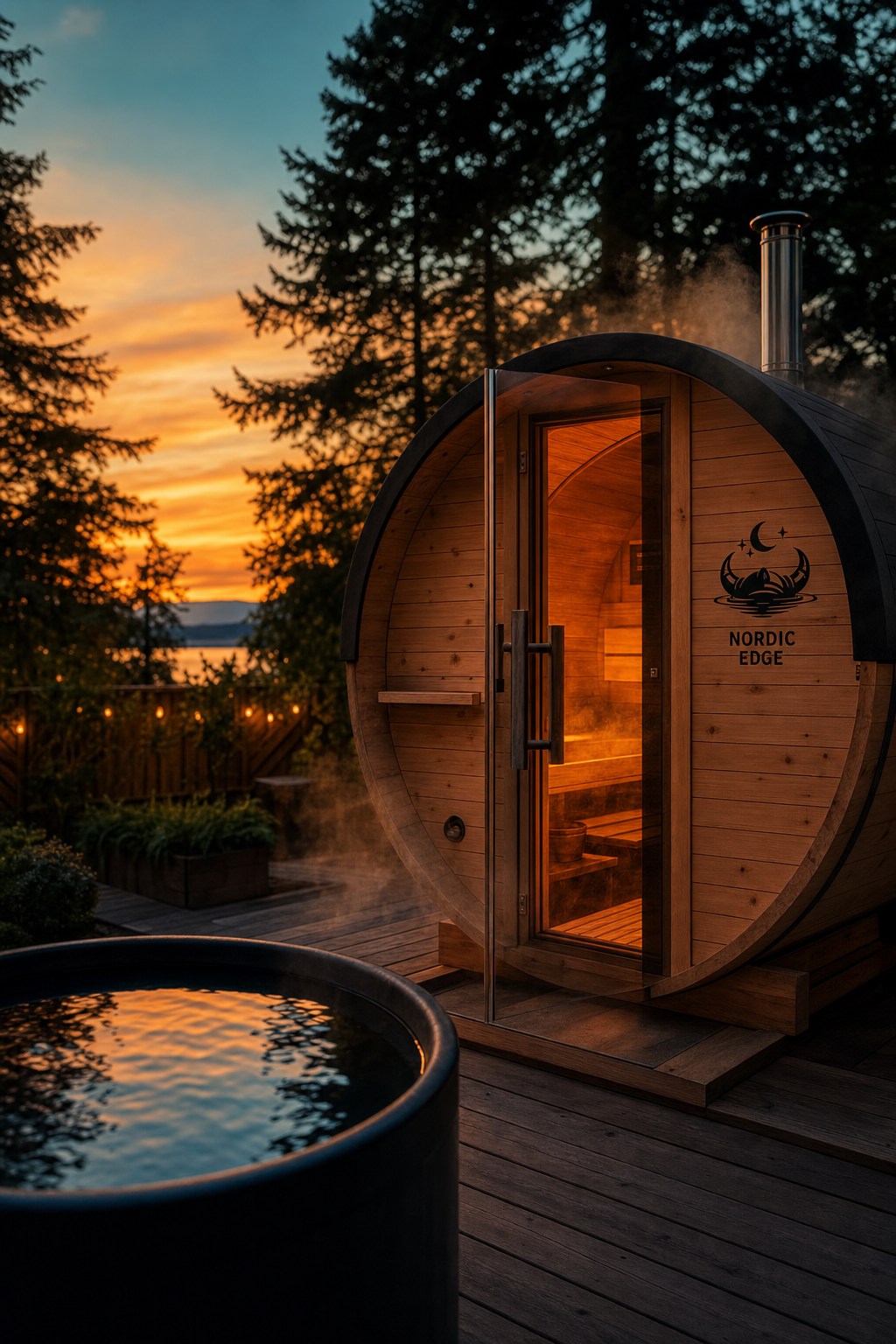
The metabolic demand of a healing brain requires more than just passive rest; it requires a targeted delivery system for nutrients and a biological mechanism for repair. Hyperthermic conditioning, or deliberate sauna use, triggers the expression of Heat Shock Proteins (HSPs), most notably HSP70. These proteins act as the brain's internal repair crew. Following a concussion, the physical trauma causes proteins within neurons to misfold or clump, which can lead to cellular dysfunction. As highlighted in research published by the Journal of Neurochemistry, HSPs serve as molecular chaperones that identify and refold these damaged proteins while simultaneously inhibiting apoptosis, the process of programmed cell death that often follows traumatic brain injuries.
Beyond protein repair, the deep heat of a sauna promotes significant vasodilation. For an athlete dealing with the reduced cerebral blood flow characteristic of a concussion, this physiological response is critical. By increasing the heart rate and dilating blood vessels, the sauna environment forces oxygenated, nutrient-rich blood into the brain's microvasculature. This process helps resolve the supply and demand mismatch by providing the necessary fuel for neurons to restore their ionic balance and exit the metabolic crisis state.
For Vancouver professionals and athletes, utilizing these premium recovery services represents a shift from general wellness to clinical-grade neural maintenance. This isn't a passive experience or a simple way to unwind after a day on the slopes. It is a proactive method for clearing cellular-level debris and reinforcing the brain's structural integrity. You can learn more about our mobile sauna and how we bring this high-performance environment directly to your home to support a more efficient recovery window. By leveraging HSP70, you are effectively providing your brain with a neuroprotective shield, ensuring that surviving neurons are preserved and the foundation for synaptic repair is established.
Cold Shock Proteins and the Vagus Nerve: Reducing Neuroinflammation
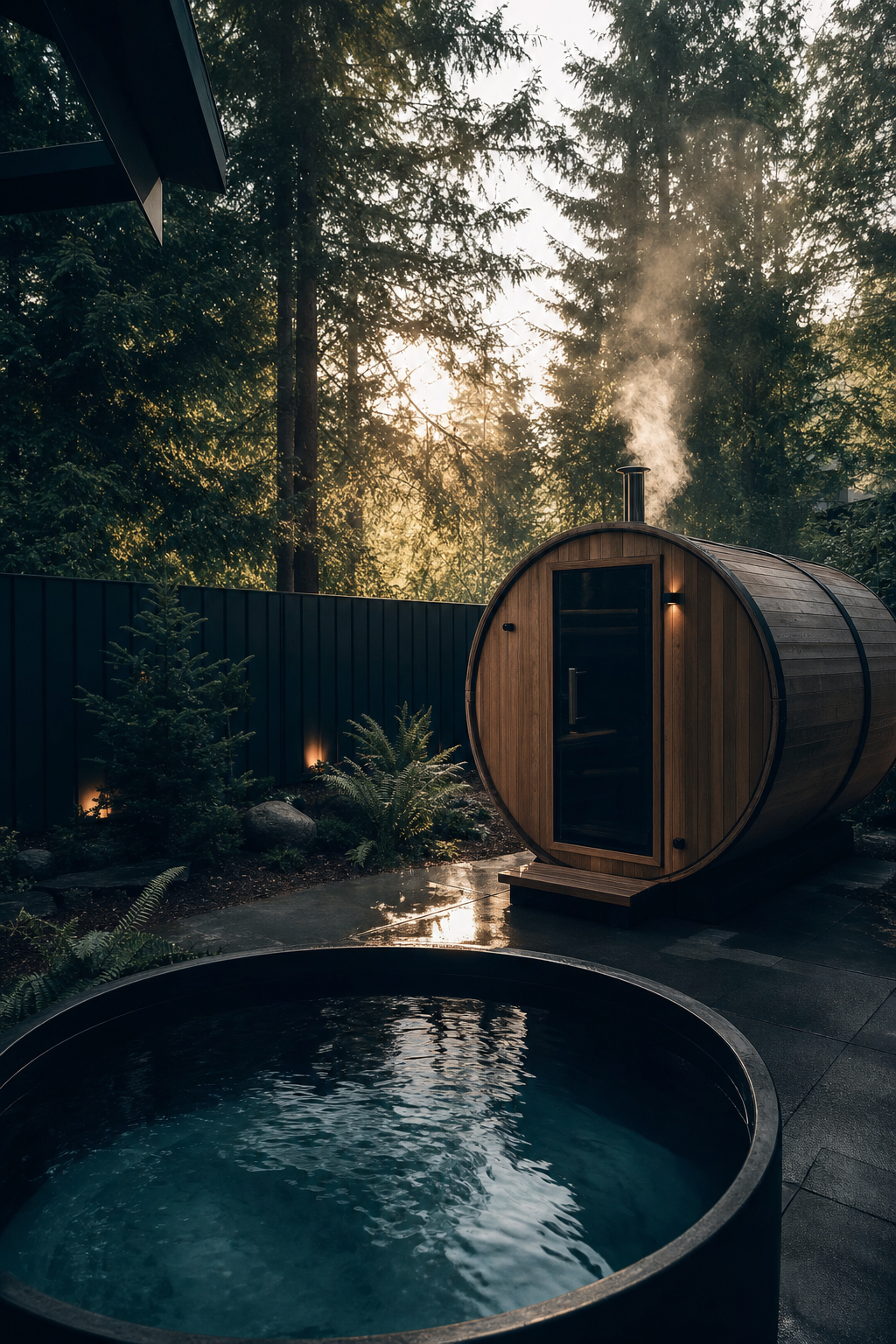
While the sauna facilitates repair through heat, the cold plunge introduces a different biological mechanism essential for structural restoration. Acute head trauma often results in the shearing of synaptic connections, the literal bridges between neurons that allow for cognitive function and motor control. Cold water immersion at temperatures below 15°C triggers the release of Cold Shock Proteins (CSPs), most notably RBM3. Research into RBM3 indicates it plays a pivotal role in synaptic regeneration; it essentially acts as a catalyst for rebuilding these damaged neuronal links. For an athlete, this process is the difference between simply waiting for symptoms to fade and actively reknitting the brain's functional architecture.
Beyond protein synthesis, the cold plunge serves as a powerful modulator of the autonomic nervous system (ANS). Many Vancouver athletes suffering from post concussion syndrome experience ANS dysregulation, where the body remains stuck in a sympathetic (fight or flight) state. This often manifests as chronic irritability, sleep disturbances, and a racing heart. Cold water exposure stimulates the vagus nerve, the primary component of the parasympathetic nervous system. This stimulation activates the cholinergic anti-inflammatory pathway, a biological circuit that signals the body to reduce the production of pro-inflammatory cytokines that exacerbate brain swelling.
A common concern involves whether head trauma can cause direct vagus nerve damage. While the nerve itself is rarely severed in sports impacts, the systemic inflammation and pressure following a concussion can impair its signaling efficiency. By utilizing premium recovery services, individuals can use controlled cold stress to "tone" the vagus nerve, helping to restore the rest and digest response.
This neurological reset is particularly effective for high performance individuals who cannot afford prolonged cognitive downtime. By combining the neuroprotective effects of RBM3 with the systemic anti-inflammatory response of vagal stimulation, the cold plunge moves beyond simple cryotherapy. It becomes a sophisticated tool for managing the neurological fallout of impact sports. To learn more about how we facilitate this specialized environment, you can read about our mobile sauna and cold plunge configurations designed for targeted recovery.
The Contrast Effect: A Systemic Reset for Post Concussion Syndrome
While heat and cold individually provide significant neuroprotective benefits, the intentional pairing of the two creates a synergistic pump known as vascular shunting. During the sauna phase, blood vessels dilate to dissipate heat, driving oxygen rich blood toward the brain. When you transition to the cold plunge, these vessels rapidly constrict. This alternating cycle of expansion and contraction acts as a mechanical flush for the lymphatic system, which is critical for clearing the metabolic waste and inflammatory cytokines that accumulate after a head injury.
This systemic reset is particularly vital for managing the brain’s glymphatic system, the specialized waste clearance pathway that functions primarily during sleep but is often compromised post concussion. For Vancouver weekend warriors, this physiological flushing helps mitigate the secondary injury phase. It directly addresses the biological source of lingering symptoms such as brain fog, light sensitivity, and post traumatic irritability. By clearing the cellular debris that blocks neural communication, the contrast therapy concussion recovery sauna cold plunge brain healing Vancouver athletes rely on becomes a vital tool for returning to high stakes environments, whether that is the boardroom or the North Shore trails.
Utilizing premium recovery services ensures this process is performed in a controlled, private setting, allowing the autonomic nervous system to shift from a state of high alert to one of restoration. This reset does more than mask symptoms; it optimizes the physiological environment in which the brain heals itself. For those looking to integrate this into a busy professional schedule, you can learn more about our mobile sauna and how we bring this sophisticated recovery protocol to your doorstep. If you are ready to accelerate your recovery window, contact Nordic Edge to discuss a customized protocol.
Why Vancouver Athletes are Choosing Mobile Contrast Therapy for Recovery
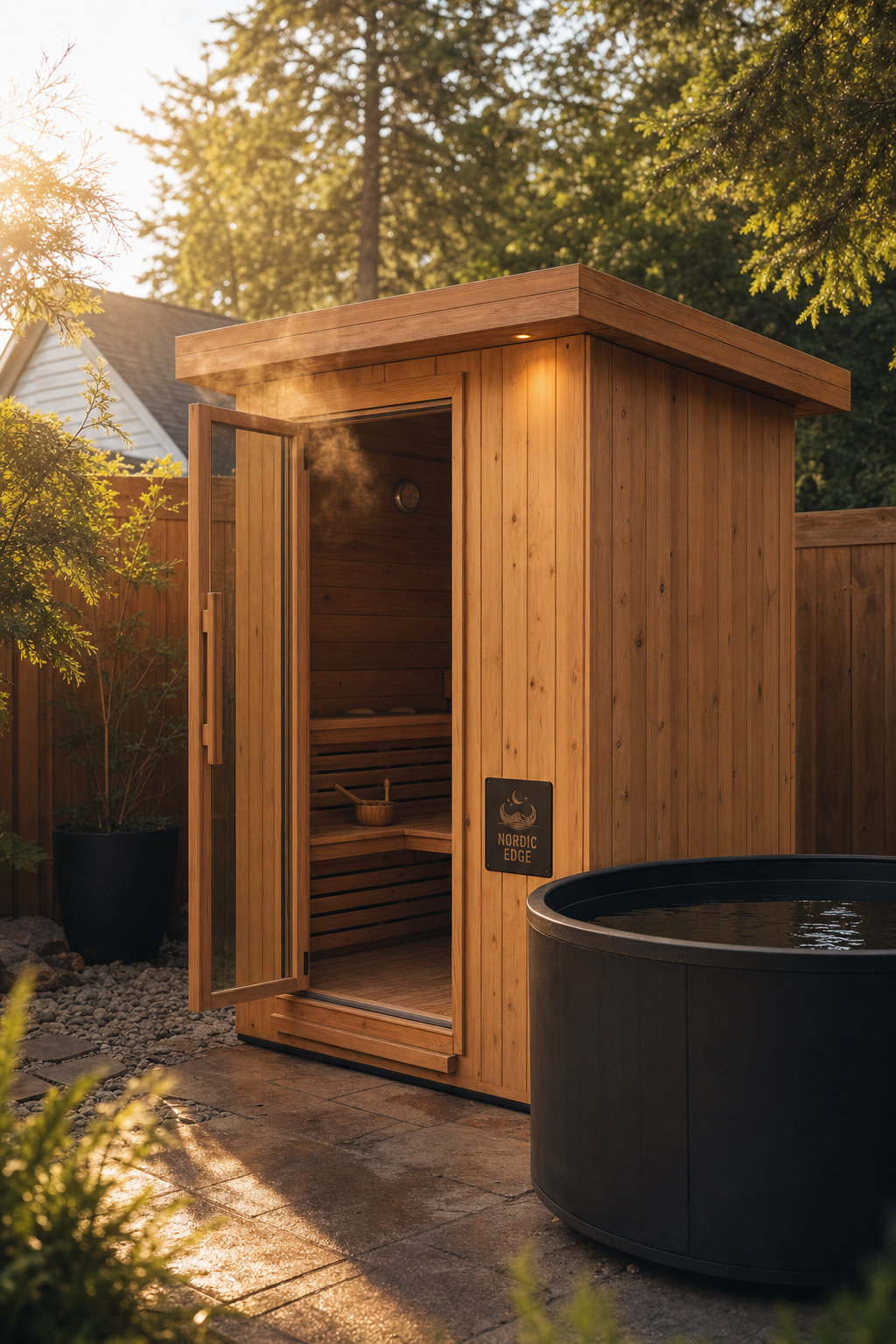
British Columbia's athletic culture results in a high incidence of head injuries, particularly among those frequenting the slopes of Whistler Blackcomb or the technical descents of the North Shore. For a rugby player or mountain biker, the logistical hurdles of Vancouver can complicate the healing process. This is why many are turning to a mobile approach for the contrast therapy concussion recovery sauna cold plunge brain healing Vancouver athletes need to stay competitive.
A primary challenge in post concussion management is hypersensitivity to external stimuli. Public wellness centers often present a barrage of bright lighting, ambient noise, and the physical strain of navigating city traffic. For someone experiencing light sensitivity or vestibular issues, the journey to a spa can be as taxing as the injury itself. By choosing premium recovery services delivered directly to their residence, individuals can eliminate the cognitive load of travel.
Our mobile units provide a controlled environment where the variables are entirely manageable. You can regulate the intensity of the experience without the unpredictability of a public facility. Having access to about our mobile sauna and cold plunge at home allows for immediate rest in a dark, quiet room the moment the session concludes. To schedule a session in your private driveway, contact Nordic Edge to begin your recovery protocol.
Safety Protocols: When and How to Use Contrast Therapy After a Head Injury
Implementing contrast therapy concussion recovery sauna cold plunge brain healing Vancouver athletes requires a structured, conservative approach to avoid overtaxing the central nervous system. The primary question of whether you can use a sauna after a concussion depends entirely on timing. During the acute phase, specifically the first 48 to 72 hours post-impact, all forms of thermal stress should be avoided. This window is critical for stabilizing intracranial pressure and ensuring that the metabolic crisis does not worsen.
Once you have cleared the initial 72 hour window and received explicit medical clearance, you may begin a tiered reintroduction. Heat does affect concussion recovery by increasing blood flow, which is beneficial only if the brain’s vascular system is ready to handle the increased physiological load.
Protocol Metric | Initial Phase Recommendation |
|---|---|
Sauna Temperature | 140°F to 160°F |
Cold Plunge Duration | 1 to 2 minutes |
Hydration Strategy | Electrolyte-rich fluids (500ml pre/post) |
Frequency | 1 to 2 sessions per week initially |
If you experience any spike in symptoms, particularly increased headaches, dizziness, or blurred vision, terminate the session immediately. Utilizing premium recovery services offers the advantage of a controlled, private environment where you can strictly manage these variables. You can learn more about our mobile sauna setups to ensure your home environment is optimized for safety and minimal sensory input. If you are unsure about your readiness, contact Nordic Edge to discuss how to safely integrate these protocols into your professional rehabilitation plan.
Integrating sauna sessions and cold plunges into your recovery routine offers a powerful way to manage inflammation and boost cerebral blood flow. For athletes in Vancouver, this natural approach provides a significant edge in returning to peak performance safely. While these tools are effective on their own, finding the right balance for your specific injury is vital. If you want expert help tailoring a recovery protocol to your needs, you can learn more about our approach to wellness. We are here to support your journey back to full health.